
Hydraulic Cylinders
What Is a Hydraulic Cylinder?
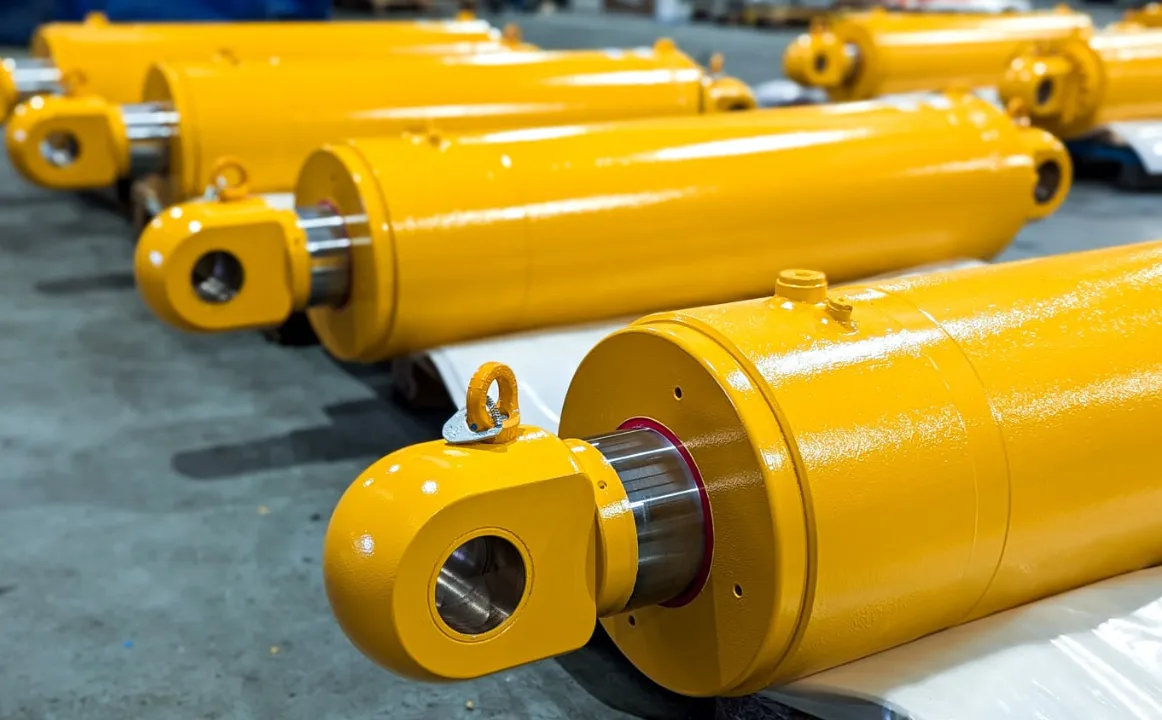
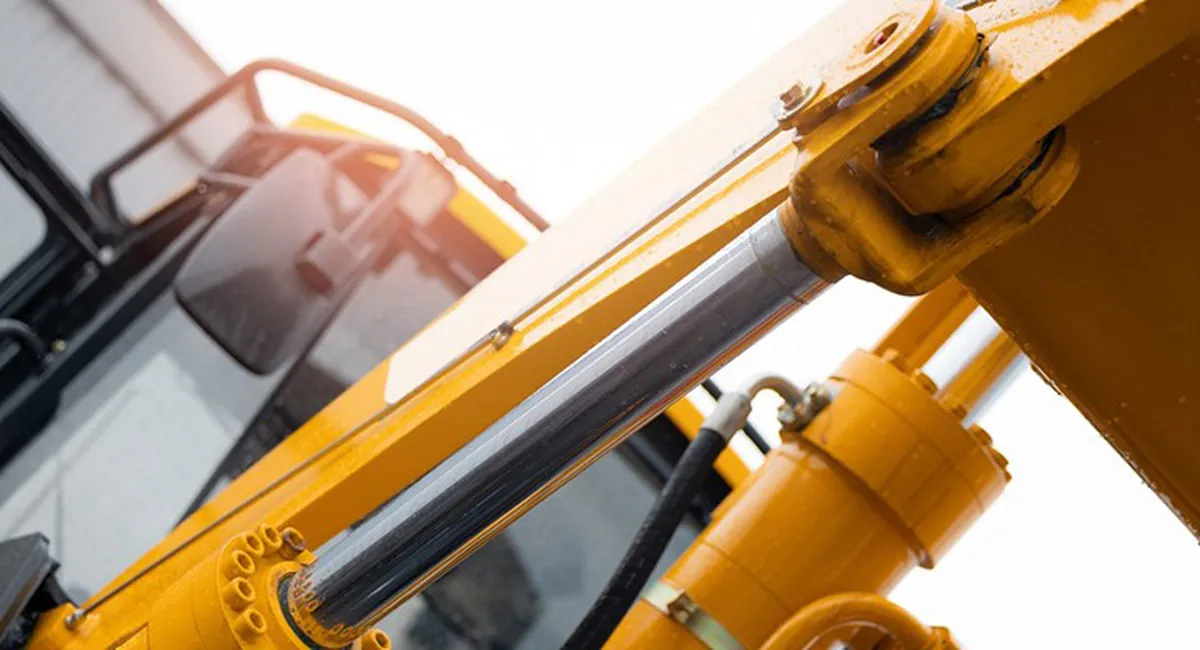
A hydraulic cylinder is a mechanical device that generates force through linear motion. It achieves this by using pressurized hydraulic fluid, typically oil. The basic setup includes a cylinder barrel containing a piston attached to a piston rod. This setup allows the cylinder to exert force in one direction, making it an essential component in a myriad of machines, from construction equipment to manufacturing machinery.
Types of Hydraulic Cylinders
About Us
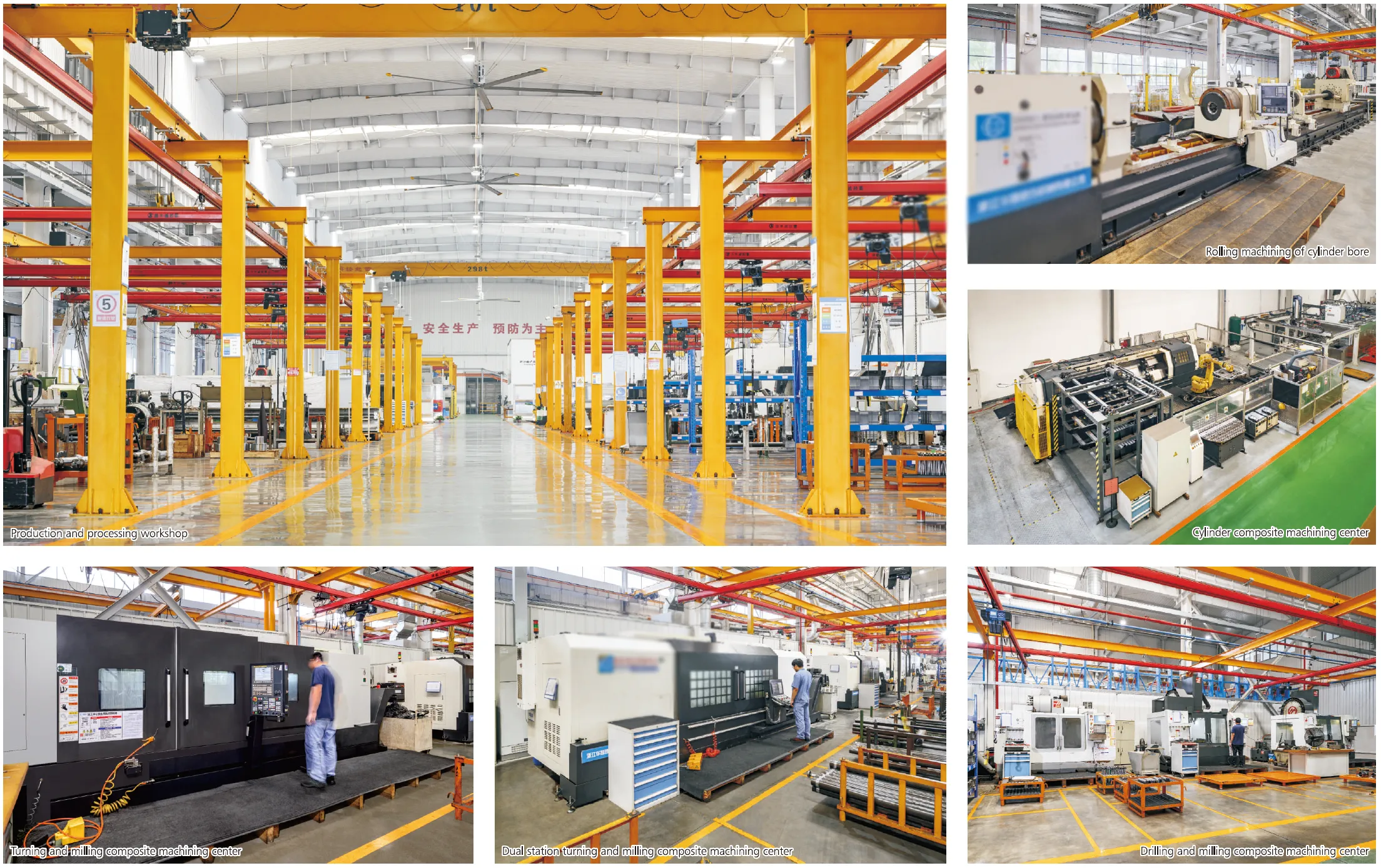
With strong expertise in precision engineering and advanced manufacturing techniques, we ensure our products meet the highest standards of durability, reliability, and performance. Our hydraulic cylinders are designed to withstand demanding environments, offering exceptional efficiency and longevity. Backed by a commitment to quality and continuous innovation, we strive to be a trusted partner for clients across various sectors, delivering customized solutions tailored to their specific needs.
400 people+
Employee
200 +
Test Equipment
51300 ㎡
Cover an Area
Visit Our Factory
Hydraulic Cylinder Components
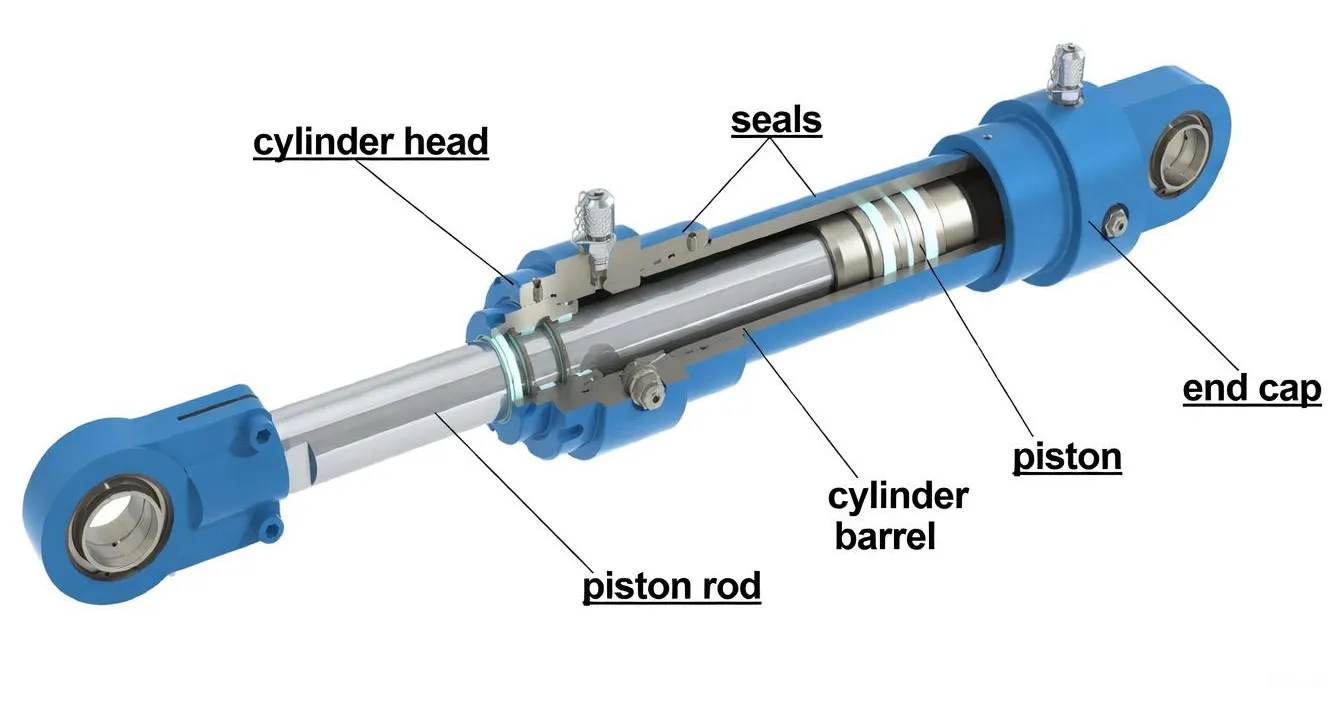
Cylinder Barrel
The cylinder barrel serves as the main body of the hydraulic cylinder, housing the piston and other internal components. It is typically made from durable materials, such as steel or other alloys, to withstand high pressure and mechanical forces. The bore of the cylinder barrel provides a smooth inner surface for the piston to move freely without excessive friction.
Piston
The piston is a vital component of hydraulic cylinders, responsible for generating the linear force required for mechanical movement. It moves back and forth within the cylinder barrel, exerting pressure on the hydraulic fluid to create movement. Pistons are typically made from durable materials, such as steel, and may undergo special treatments or coatings to enhance their corrosion resistance.
Piston Rod
The piston rod extends from the piston and transmits the force generated to the external load or machinery being operated. Made from high-strength materials, such as chrome-plated steel, piston rods are designed to withstand high pressure and bending forces. The diameter and fittings of the piston rod are carefully selected to provide optimal strength and stability.
Cylinder Base or Cap
The cylinder base, also known as the cap, serves as the mounting point for the hydraulic cylinder and facilitates force transmission. It is typically secured to the cylinder barrel, creating a sealed chamber for hydraulic fluid. The construction and design of cylinder bases may vary depending on the specific application requirements. In construction equipment, for example, hydraulic cylinder bases may be equipped with specific accessories to optimize performance and safety.
Cylinder Head
The cylinder head encloses the hydraulic cylinder, providing access for piston rod attachment and seal containment. It may also house bearings to support the piston rod’s movement and ensure smooth operation. Cylinder heads are designed with precision machining to ensure proper alignment and seal integrity. In high-pressure hydraulic systems, cylinder heads are engineered to withstand the force exerted by hydraulic fluid, with their specifications, including pressure resistance measured in pounds per square inch (psi).
Seals
Seals are integral components of hydraulic cylinders, responsible for preventing fluid leakage, maintaining pressure, and protecting internal components from contamination. These seals are typically made from specialized materials, such as rubber or synthetic compounds, and are designed to withstand hydraulic fluid, temperature, and wear. Seal specifications may include factors such as National Pipe Thread (NPT) size, material compatibility, and resistance to corrosion.
How Does a Hydraulic Cylinder Work?
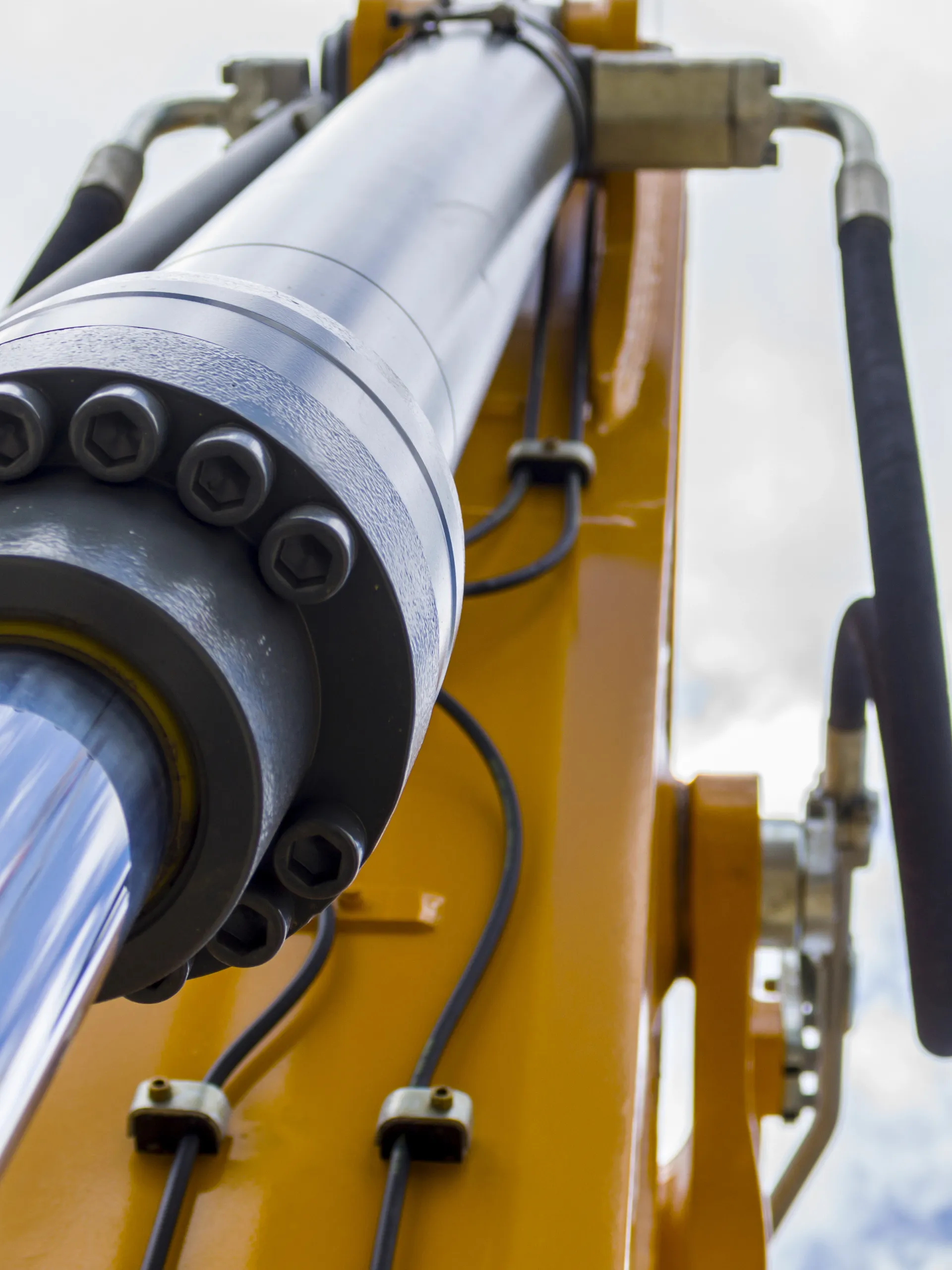
A hydraulic cylinder is a mechanical actuator that generates linear motion and force by utilizing pressurized hydraulic fluid. It is an essential component in various industries, including construction, manufacturing, and agriculture, due to its ability to move heavy loads with precision and efficiency. The operation of a hydraulic cylinder can be broken down into several key steps:
1. Fluid Entry
The process begins when hydraulic fluid, typically oil, is pumped into one end of the cylinder through a port. This fluid is pressurized by a hydraulic pump, creating the force required to initiate motion. Hydraulic fluid plays a dual role in this system, acting as both the power transmission medium and a lubricant to reduce wear and tear on internal components.
2. Piston Movement
Inside the hydraulic cylinder, a piston divides the interior into two chambers: the rod side and the cap side. As pressurized fluid enters one chamber, it exerts force on the piston. This force overcomes any resistance, causing the piston to move. The direction of the piston’s movement depends on which chamber the fluid is entering. The controlled flow of hydraulic fluid ensures smooth and precise linear motion.
3. Force Transmission
The movement of the piston is then transferred to the piston rod, a robust steel rod connected to the piston. The piston rod extends or retracts from the cylinder, transmitting the generated linear force to the connected machinery or load. This enables tasks such as lifting, pushing, pulling, or clamping, depending on the application.

Types of Hydraulic Cylinders
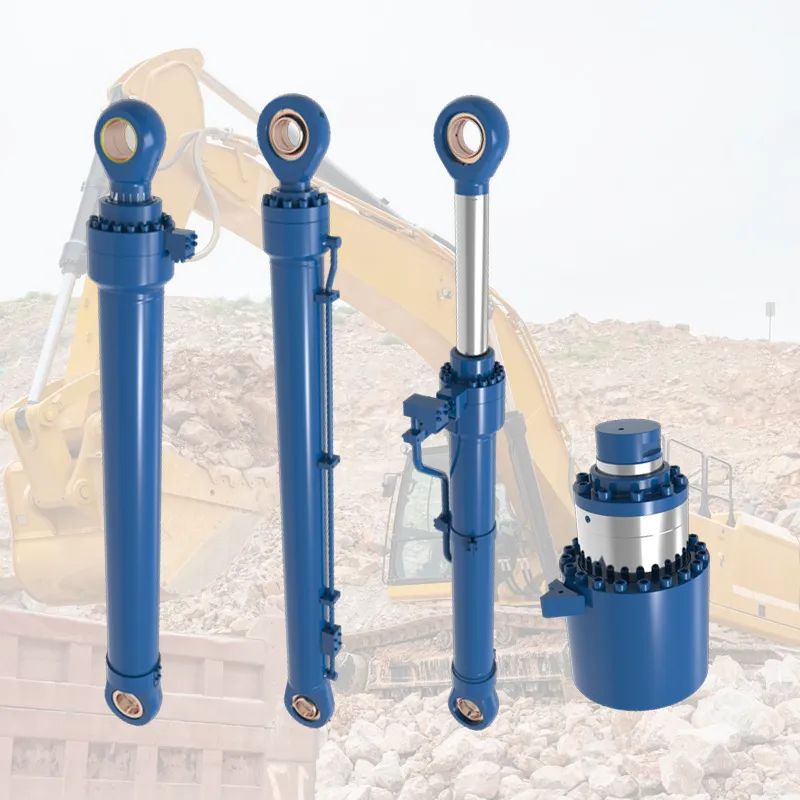
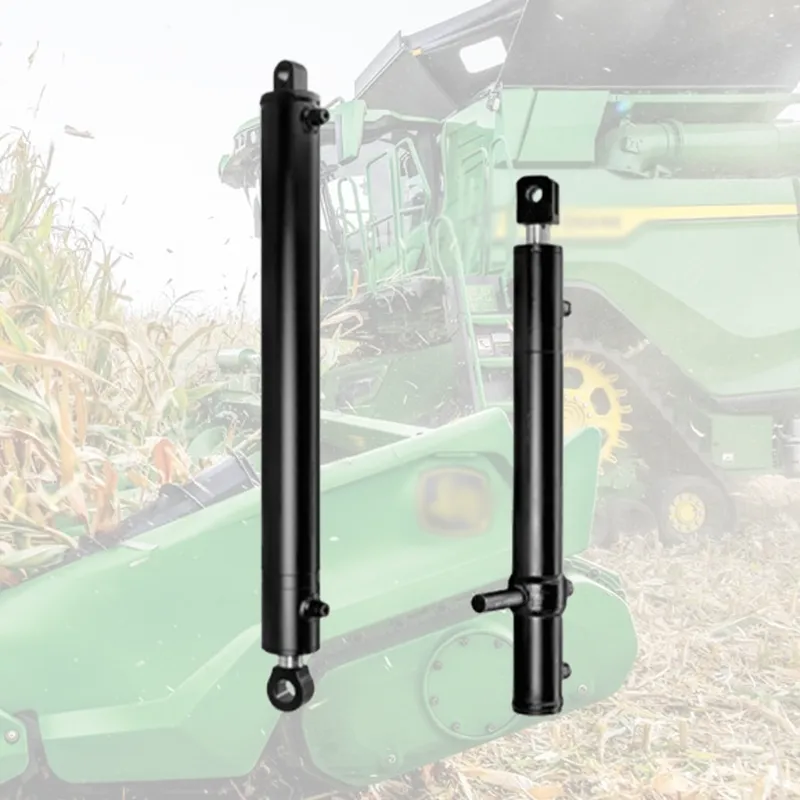
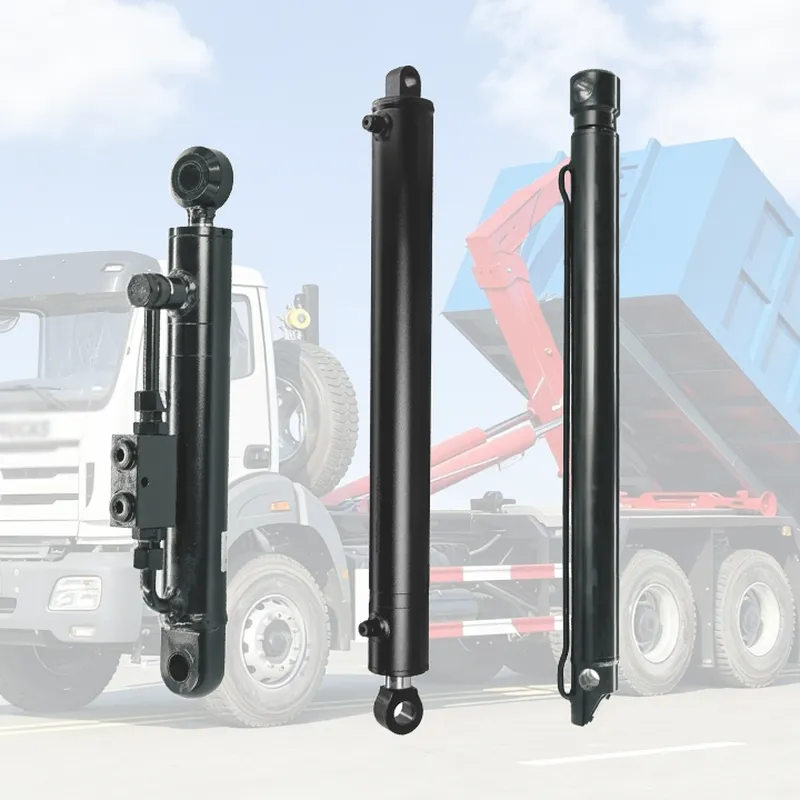
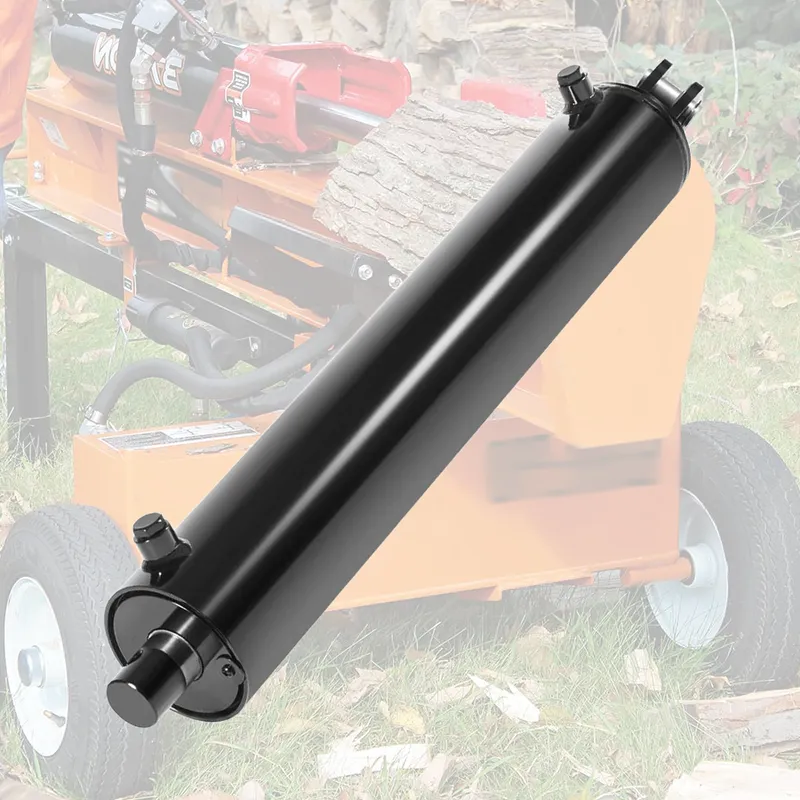
1. Single Acting and Double Acting Cylinder: Single-acting cylinders exert force in one direction, typically extending or retracting the piston rod using hydraulic pressure. They are commonly used in applications where force is required in only one direction, such as pulling, lifting, or bending operations. On the other hand, double-acting cylinders provide power in both directions, enabling efficient work cycles. With double-acting cylinders, hydraulic fluid can be directed to either side of the piston, allowing for controlled movement in both directions.
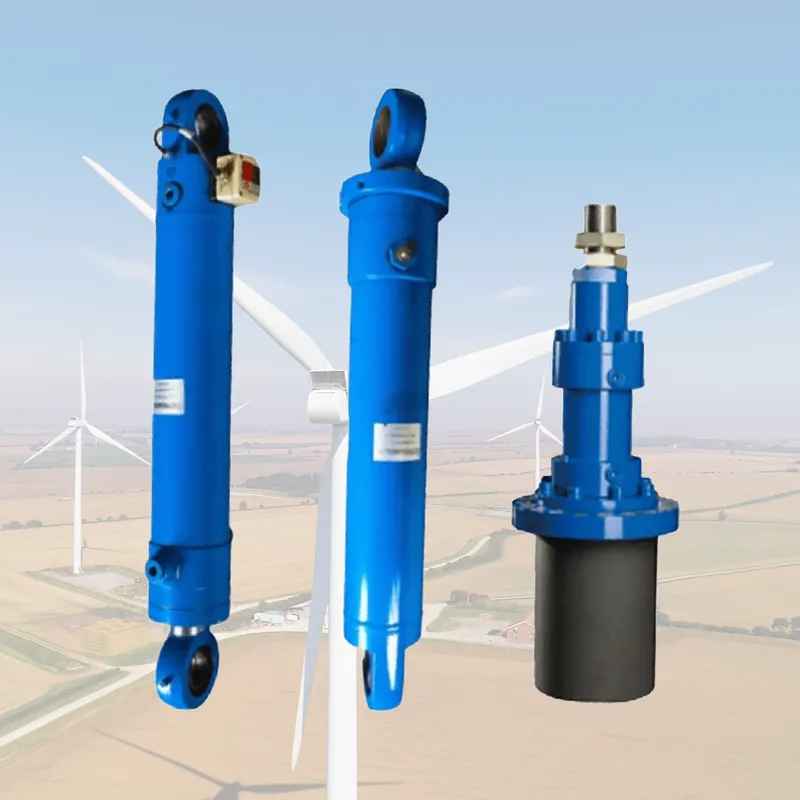
2. Tie Rod Cylinder: Tie rod cylinders are specifically designed to handle high-pressure hydraulic applications. They consist of a cylinder barrel, piston, piston rod, end caps, and tie rods that hold everything together. The tie rod construction allows for easy cylinder disassembly, maintenance, and repair.
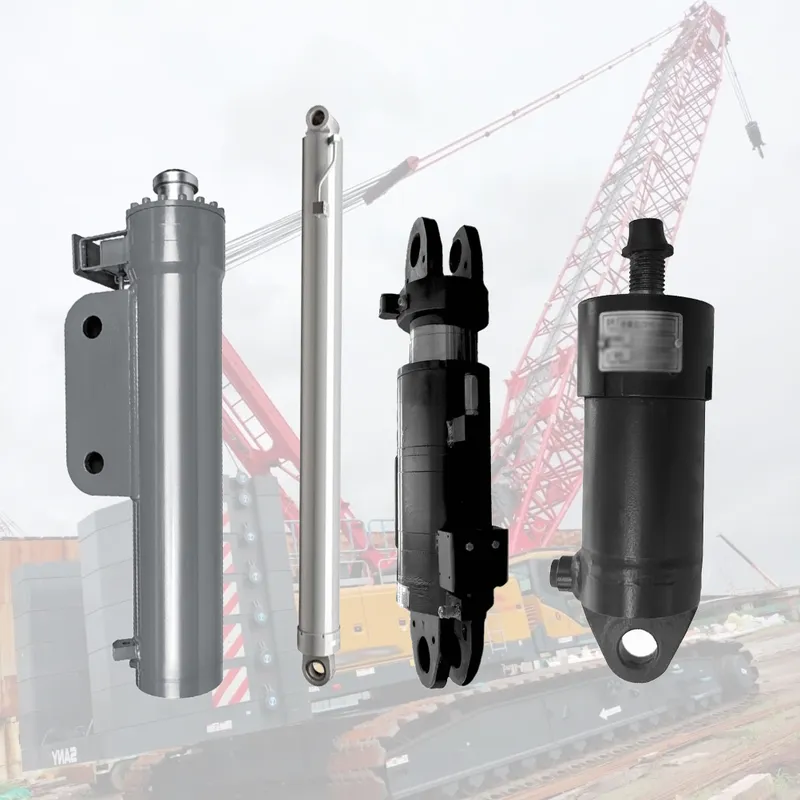
3. Welded Body Cylinder: Welded body cylinders are designed for heavy-duty hydraulic applications, offering durability and reliability across various industries. These cylinders feature a welded construction, where the cylinder barrel and end caps are seamlessly fused together. The welded body design provides increased strength, enabling these cylinders to withstand high pressure and mechanical forces.
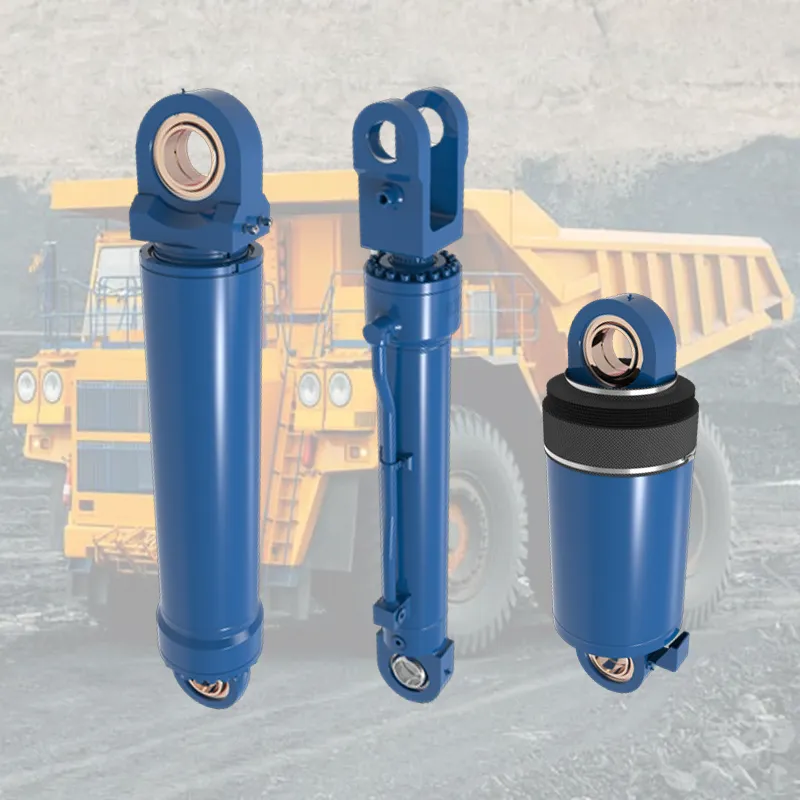
4. Telescopic Cylinder: Telescopic cylinders are unique hydraulic cylinders that use a series of nested cylinders to provide a longer stroke length without taking up much space. Often used in applications where space is limited, telescopic cylinders offer the ability to extend over a long distance while remaining compact when retracted. In construction equipment, such as cranes and excavators, telescopic cylinders allow for a long stroke length, enabling efficient movement and positioning.
Hydraulic Cylinder Applications
(1) Construction Industry
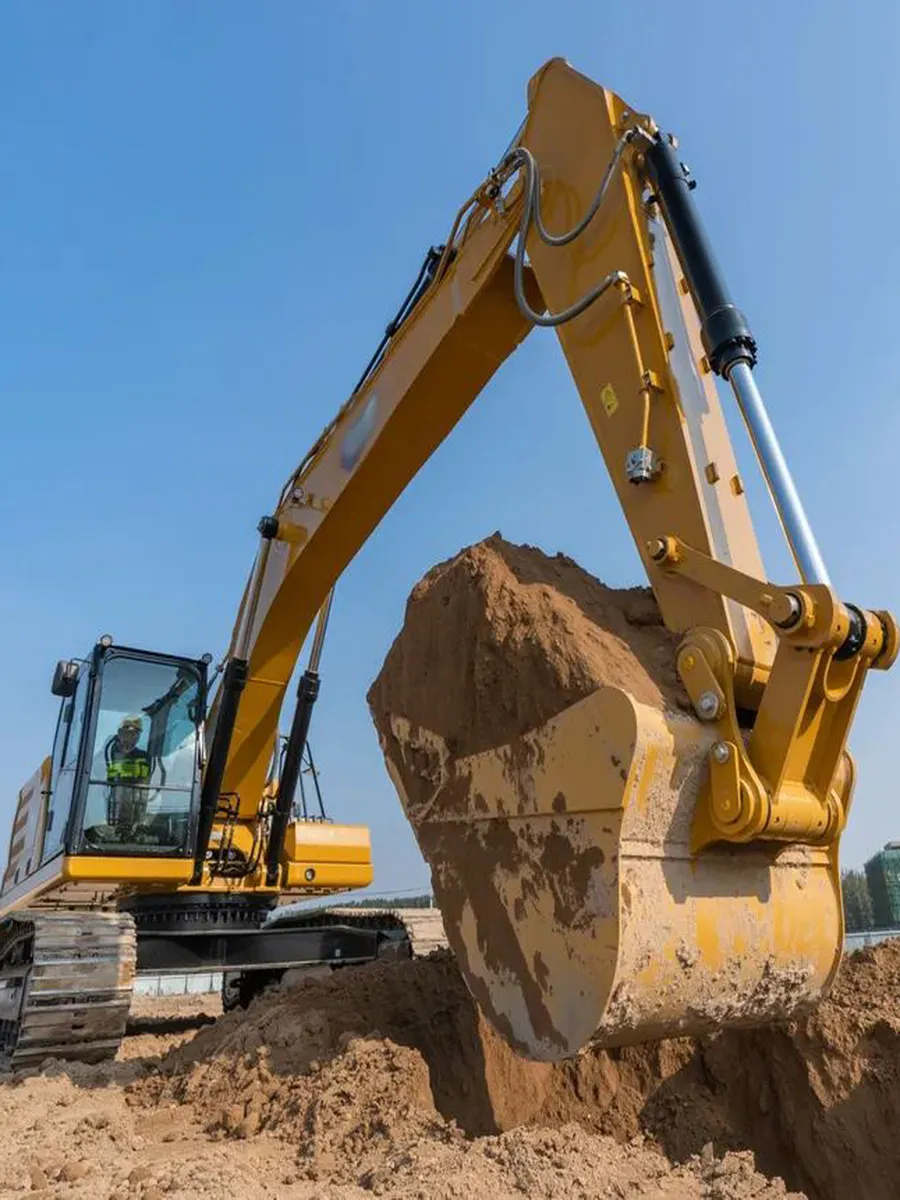
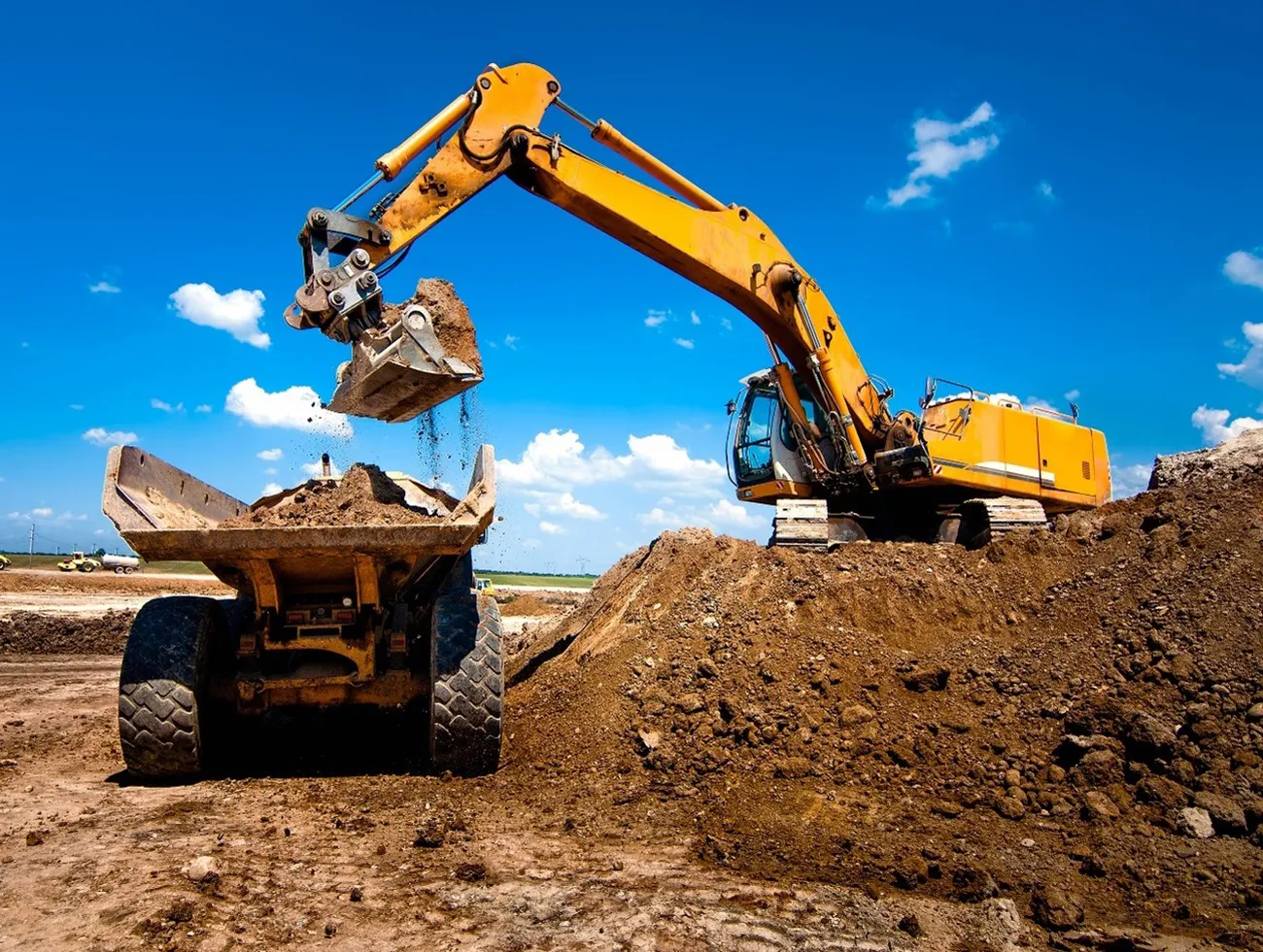
Hydraulic cylinders are pivotal in construction machinery like excavators, bulldozers, and cranes. They provide the immense force required for digging, lifting, pushing soil, or moving heavy materials, ensuring efficiency and durability in demanding environments.
(2) Manufacturing Sector
In manufacturing, hydraulic cylinders are used in assembly lines and press machines. They enable precise automation, material forming, and shaping processes, ensuring consistent quality and boosting production efficiency across diverse industrial setups.
(3) Agricultural Machinery
Tractors and harvesters rely on hydraulic cylinders for plowing, planting, and gathering crops. These systems enhance productivity, reduce manual labor, and ensure agricultural tasks are performed with precision and reliability in all conditions.
(4) Automotive Industry
Hydraulic cylinders power auto lifts for vehicle maintenance and repair, as well as production lines for manufacturing cars. They provide the strength and control needed for lifting vehicles and assembling automotive components with precision.
(5) Material Handling
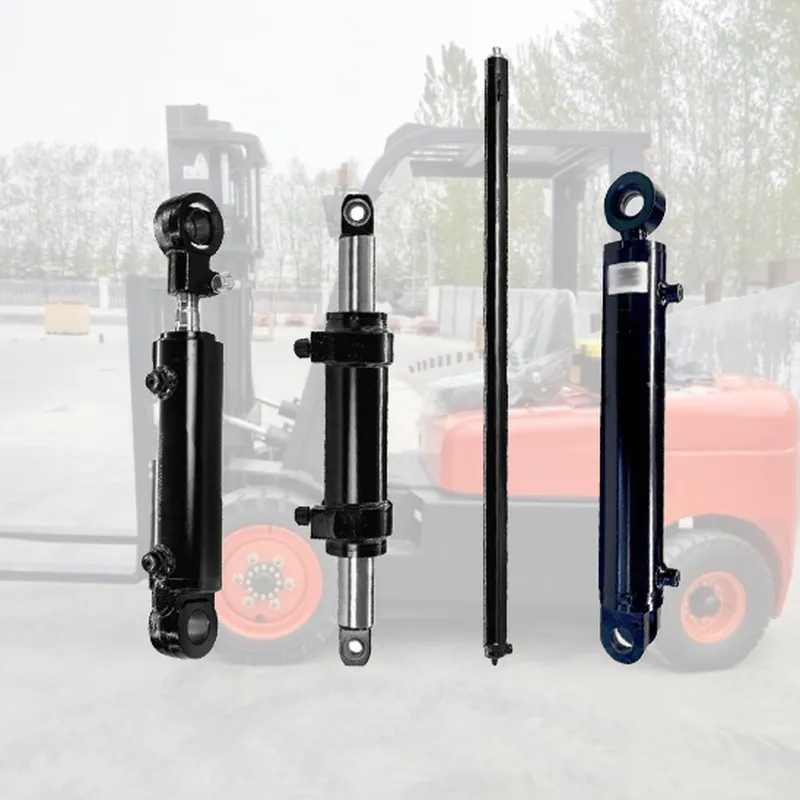
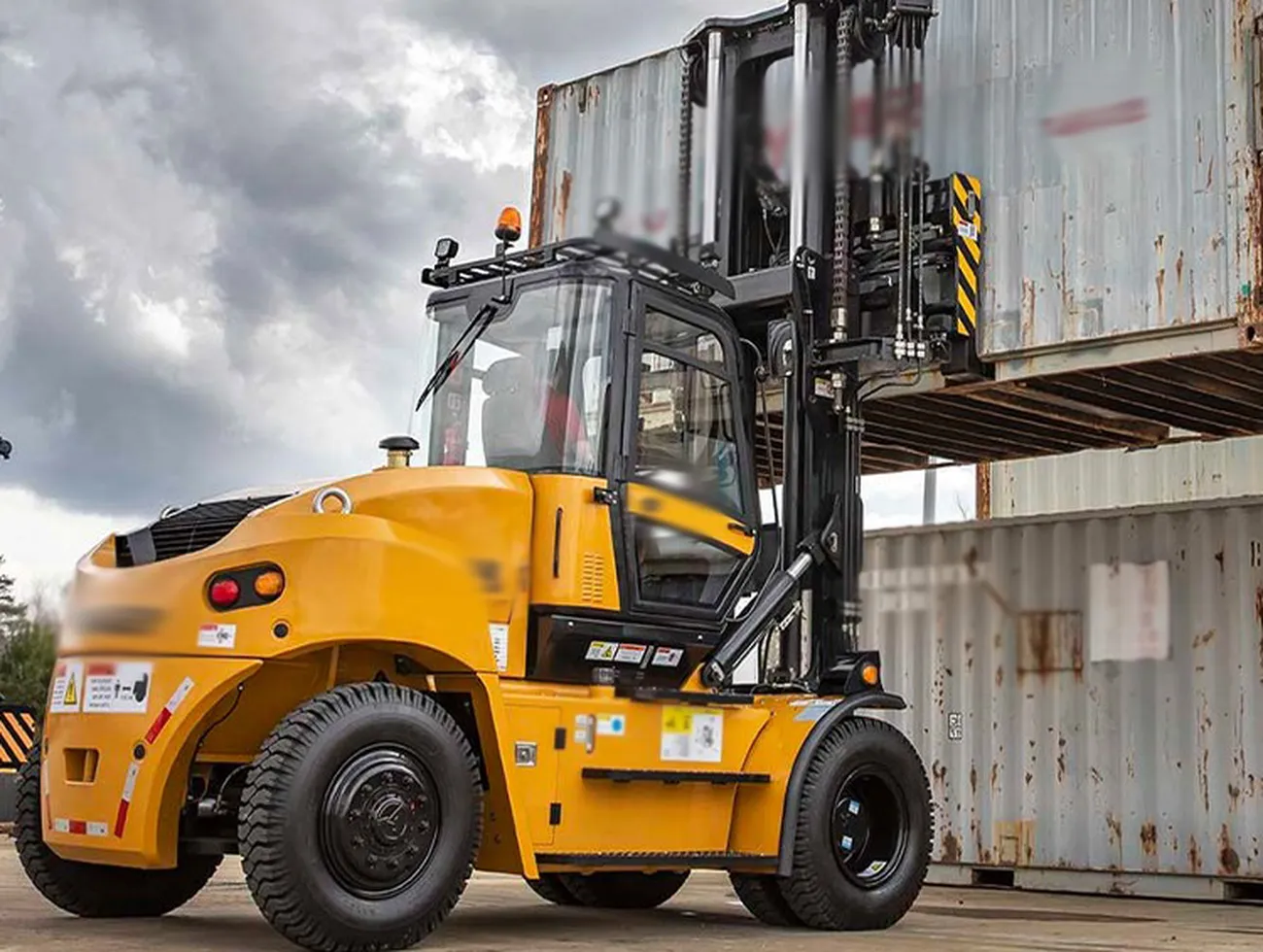
Forklifts and conveyor systems utilize hydraulic cylinders for moving, lifting, and regulating materials. These systems are essential for streamlining warehouse operations, ensuring goods are transported safely and efficiently in industrial settings.
(6) Mining Operations
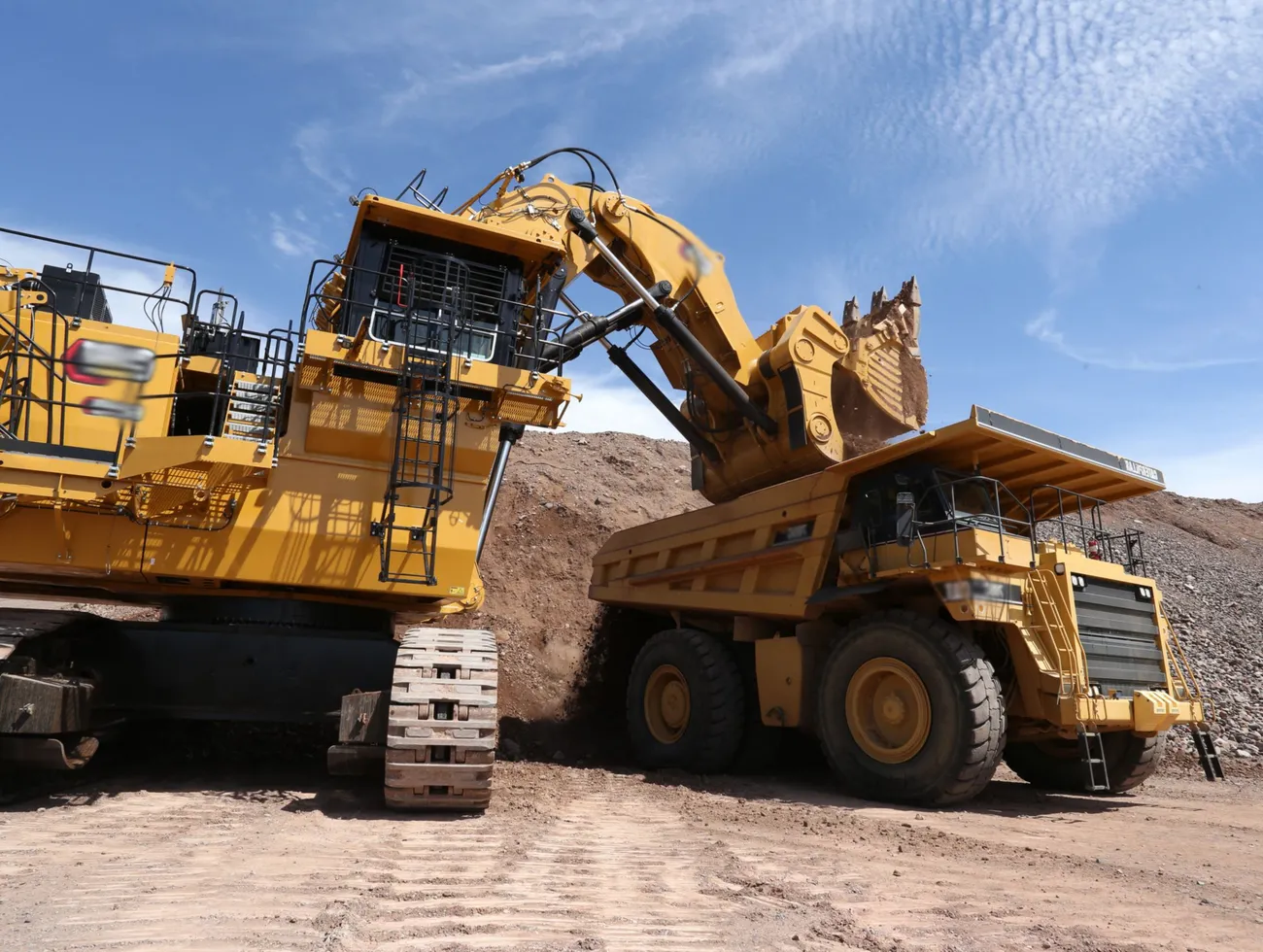
Hydraulic cylinders are critical in mining for drilling rigs and dump trucks. They deliver the force needed for deep drilling and efficiently operate telescopic cylinders, enabling the unloading of heavy materials in rugged mining environments.
(7) Marine Applications
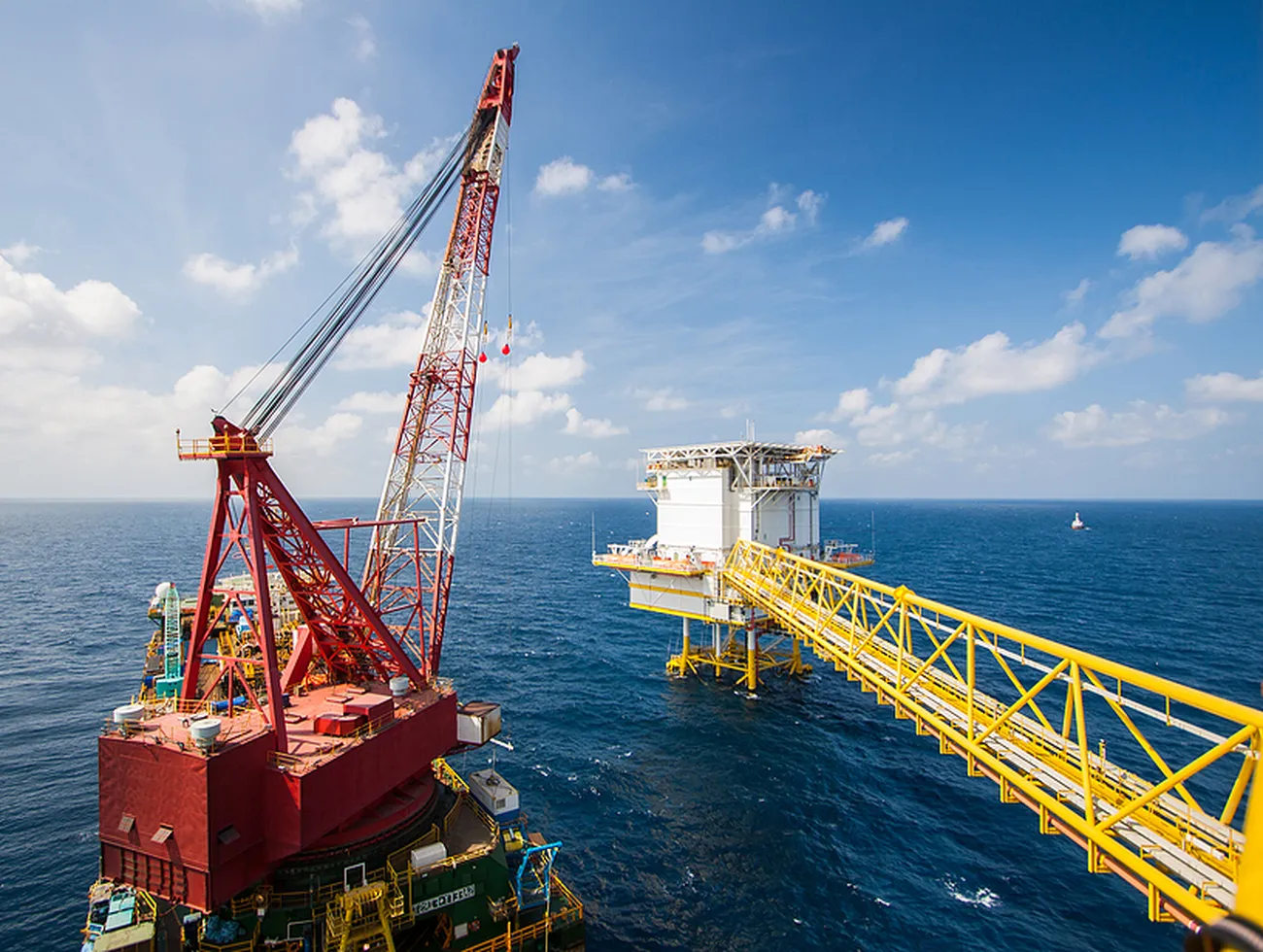
In the marine industry, hydraulic cylinders are employed in steering mechanisms for controlling ship direction and hatch covers for managing large cargo spaces. They ensure reliability and safety in harsh maritime conditions.
(8) Entertainment Industry
Theme park rides and stage machinery heavily depend on hydraulic cylinders for controlled, safe motion. They enable smooth operation of rides and precise movement of sets, enhancing the overall entertainment experience and safety standards.
(9) Aerospace Sector
Hydraulic cylinders are used in hangar doors and aircraft maintenance platforms. They provide the power to move massive hangar doors and adjust maintenance platforms, ensuring efficient and safe operations in aerospace facilities.
(10) Energy Sector
In wind turbines, hydraulic systems control blade pitch and braking mechanisms, ensuring optimal energy generation. Hydraulic fracturing equipment also utilizes cylinders to extract oil and gas, playing a vital role in global energy production.
Construction Equipment

Agricultural Machinery

Aerial Work Platforms
Mining Equipment
Forklift Truck

Wind Turbines
Forestry Equipment
Marine Cranes
Waste Management & Refuse
Customer Reviews

“We’ve used the Hydraulic Cylinders for our mining operations, and they’ve exceeded expectations. Their capacity to endure harsh, dusty environments is outstanding. The precision and power they deliver are unmatched, ensuring optimal performance even under extreme conditions. This product is a solid investment for any demanding industry.”
“We operate in extreme subzero environments, and these high quality industrial engineering hydraulic cylinders surpass all expectations. They perform reliably even in harsh winter conditions, ensuring our equipment remains fully operational. Their sturdy construction, excellent sealing, and adaptability to difficult terrains make them indispensable for our industrial needs.”