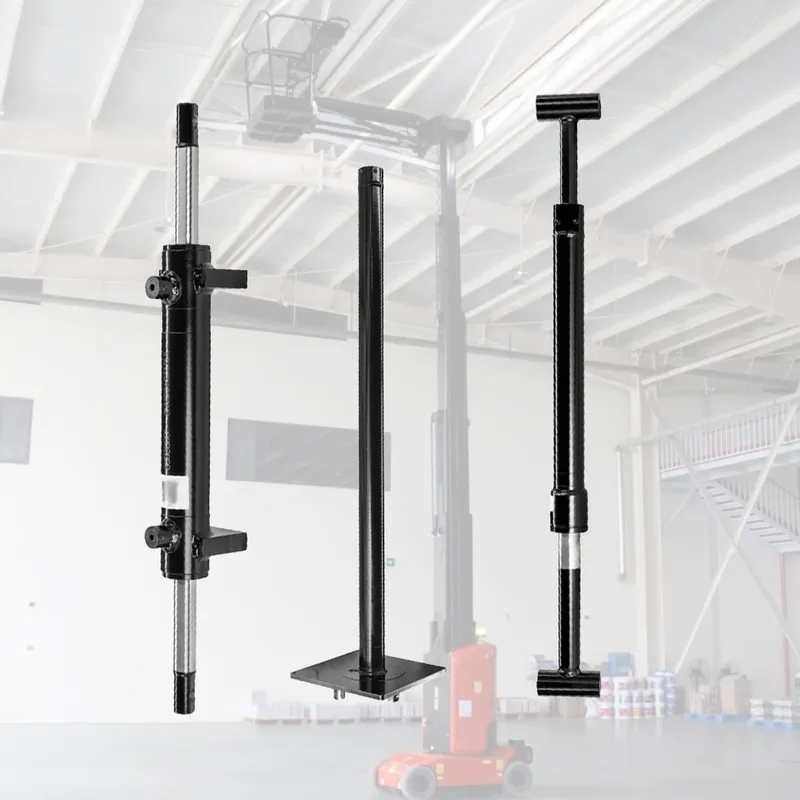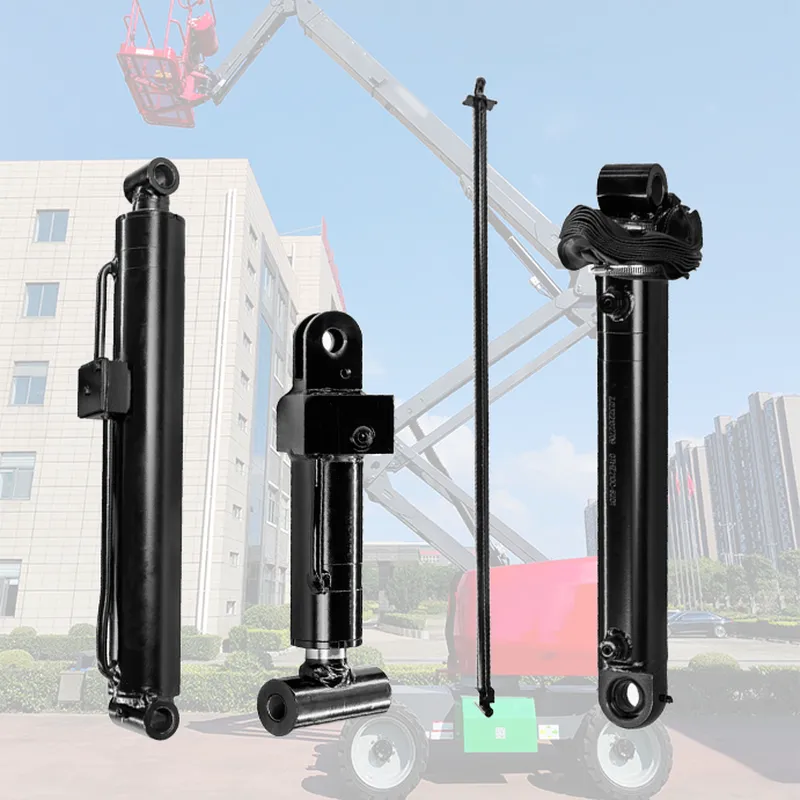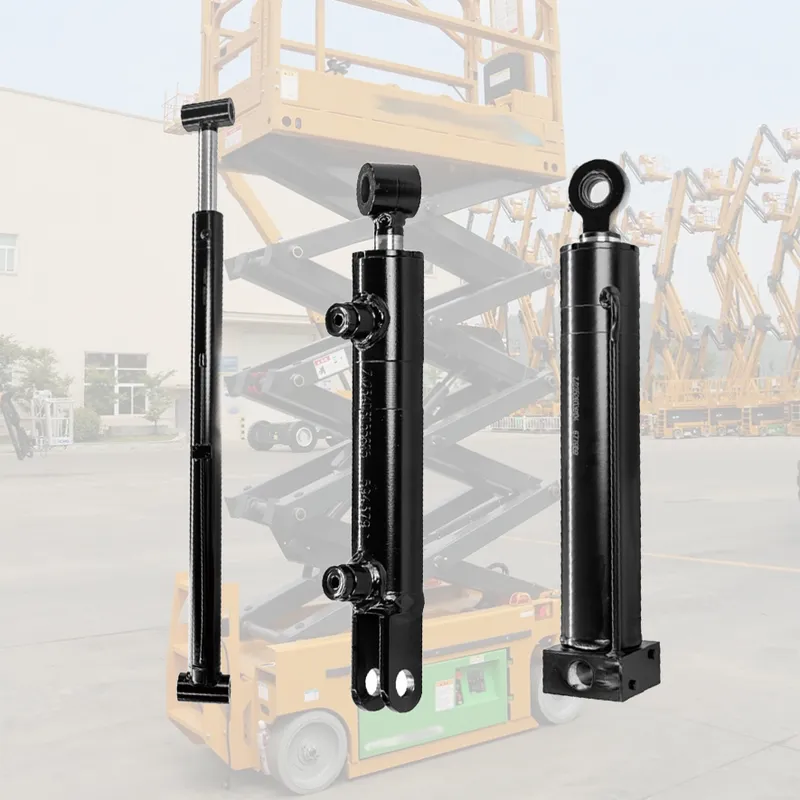
Aerial Work Vehicle Hydraulic Cylinders

Aerial work vehicle hydraulic cylinders are critical components used in aerial work platforms (AWPs) to provide the lifting, tilting, and stabilizing functions necessary for safe and efficient operation. These cylinders convert hydraulic energy into mechanical force, enabling precise elevation and positioning of the platform. Designed for durability and reliability, they are commonly made of high-strength materials to withstand heavy loads and harsh working environments, ensuring worker safety and operational efficiency.

What Are Aerial Work Vehicle Hydraulic Cylinders?

Hydraulic cylinders for aerial work vehicles are robust actuators that convert hydraulic energy into mechanical force, enabling the extension, retraction, and positioning of booms and platforms. Built with precision engineering, these cylinders handle high loads while maintaining stability at elevated heights. In Mexico’s diverse industrial landscape, where aerial access is crucial for infrastructure development and facility upkeep, our cylinders stand out for their resistance to harsh conditions like dust, moisture, and temperature fluctuations.

Key features include sealed piston rods to prevent leaks, corrosion-resistant materials for longevity, and customizable stroke lengths to fit specific vehicle models. Whether you’re operating in urban areas like Mexico City or remote sites in Baja California, these cylinders provide the reliability needed for safe and efficient elevated work.

Aerial Work Vehicle Hydraulic Cylinders

Hydraulic Cylinder Production Process

Aerial Work Platform Hydraulic Cylinder Production Process Flowchart
1. Material Selection and Preparation
Engineers at the factory carefully choose high-strength steel alloys and seals based on the cylinder's intended use in aerial platforms, ensuring resistance to pressure and corrosion. Raw materials undergo cutting and shaping processes using precision saws and lathes to form tubes, rods, and pistons, with inspections for defects to guarantee structural integrity before advancing to machining stages.
2. Component Machining and Fabrication
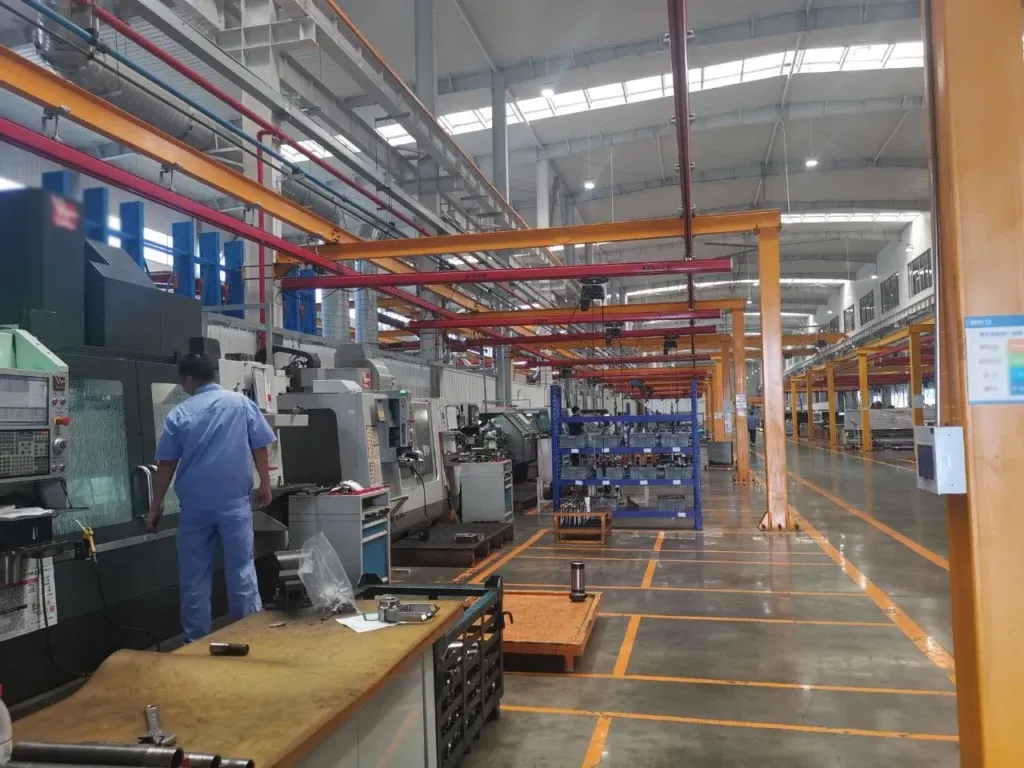
Skilled machinists employ CNC machines to bore cylinders and hone inner surfaces for smooth piston movement, achieving tolerances as tight as 0.01mm. Piston rods are turned and ground to exact diameters, while end caps and mounts are fabricated from castings or forgings, all calibrated to withstand the dynamic loads encountered in elevated work environments.
3. Welding and Initial Assembly
Qualified welders join cylinder tubes to base caps using MIG or TIG methods, ensuring leak-proof seams through controlled heat application. Pistons are fitted with seals and inserted into tubes, followed by attaching rod ends, with hydraulic fluid ports integrated to facilitate future connections in aerial vehicle systems.
4. Surface Treatment and Finishing
Components receive chrome plating on rods for enhanced wear resistance and paint coatings on exteriors to protect against environmental factors like moisture in outdoor operations. Heat treatments such as quenching strengthen critical parts, while polishing removes any burrs that could impair functionality during repeated extensions and retractions.
5. Pressure Testing and Quality Assurance
Assembled cylinders are subjected to hydrostatic tests at pressures exceeding operational limits, like 1.5 times the rated value, to verify no leaks or failures occur. Functional simulations mimic aerial platform movements, with measurements for stroke accuracy and force output, ensuring compliance with industry standards before approval.
6. Final Inspection, Packaging, and Dispatch
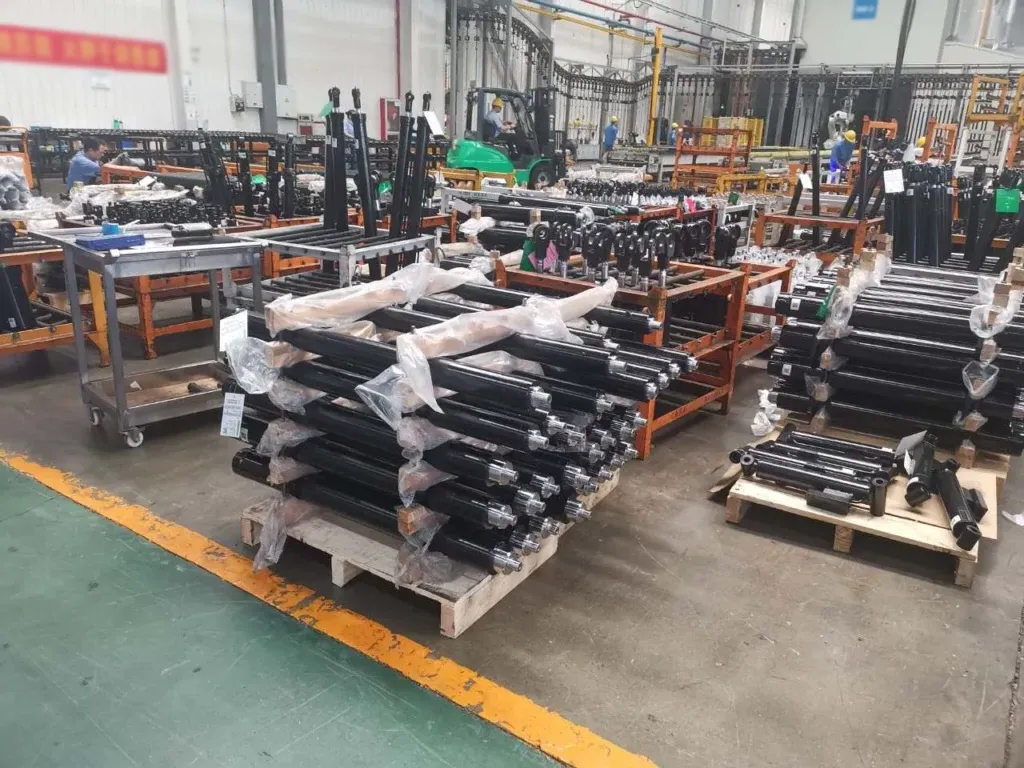
Technicians perform visual and dimensional checks on every unit, documenting serial numbers for traceability in case of field issues. Protective packaging with foam inserts safeguards against transit damage, and units are labeled with specifications for easy installation by clients in aerial work vehicle maintenance teams.

Components of a Hydraulic Cylinder

  • Cylinder Barrel
    This tubular structure forms the main body of the hydraulic cylinder, crafted from seamless steel to contain pressurized fluid and guide the piston’s movement. In aerial work platforms, it must withstand high pressures up to 300 bar while resisting bending under extended loads, ensuring stable elevation for operators working at heights in construction or maintenance tasks across Mexico’s varied terrains.
  • Piston
    Positioned inside the barrel, the piston divides the cylinder into two chambers and converts hydraulic pressure into linear force for lifting platforms. Made from durable cast iron or aluminum alloys, it features grooves for seals to prevent fluid crossover, crucial for precise control in boom lifts, where smooth extension prevents jerks that could endanger workers on unstable grounds.
  • Piston Rod
    Extending from the piston through one end of the cylinder, this chrome-plated steel rod transmits force to the aerial platform’s mechanisms. Its polished surface minimizes friction and wear, essential for repeated cycles in scissor lifts used in warehouse operations, where corrosion resistance protects against humid environments common in coastal Mexican regions like Veracruz.
  • Seals and Gaskets
    These critical elements, often made from polyurethane or rubber compounds, prevent hydraulic fluid leaks around the piston and rod. In aerial applications, they maintain system integrity under vibration and temperature swings, reducing maintenance needs for vehicles operating in desert areas of Sonora, thereby extending operational life and enhancing safety during elevated tasks.
  • End Caps
    Secured at both ends of the barrel, these caps enclose the cylinder and provide mounting points for integration into aerial work vehicles. Constructed from forged steel, they include threaded ports for fluid entry and exit, designed to handle dynamic stresses in cherry pickers for utility repairs, ensuring reliable performance in Mexico’s expanding infrastructure projects.
  • Hydraulic Ports
    Integrated into the end caps or barrel, these fittings allow fluid inflow and outflow to control cylinder extension and retraction. Precision-machined for secure hose connections, they support high-flow rates necessary for quick platform adjustments in emergency services, where rapid response is vital in disaster-prone zones like those affected by earthquakes in central Mexico.
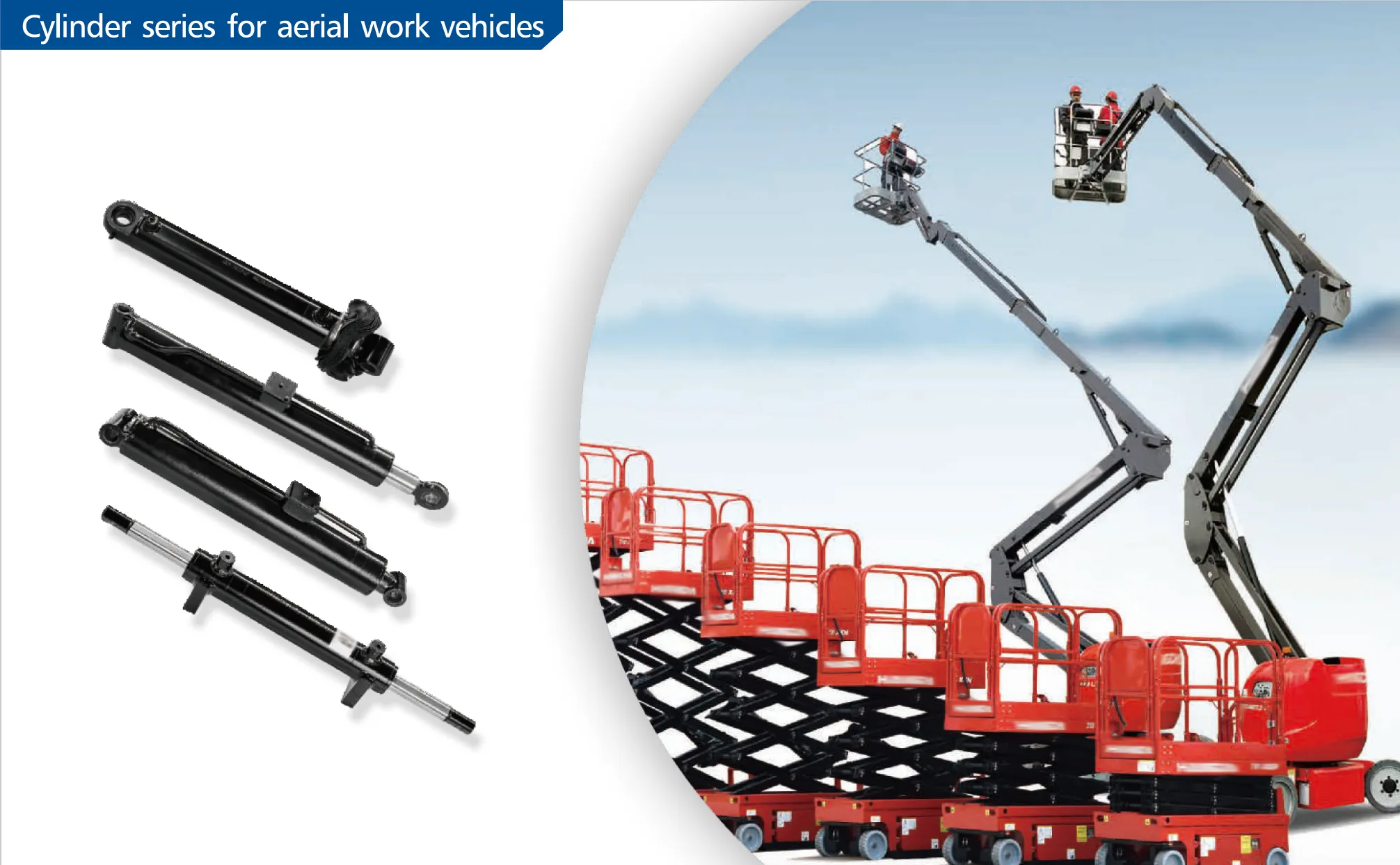
Hydraulic Cylinder for Aerial Work Vehicle

Aerial Work Vehicle Hydraulic Cylinder Applications

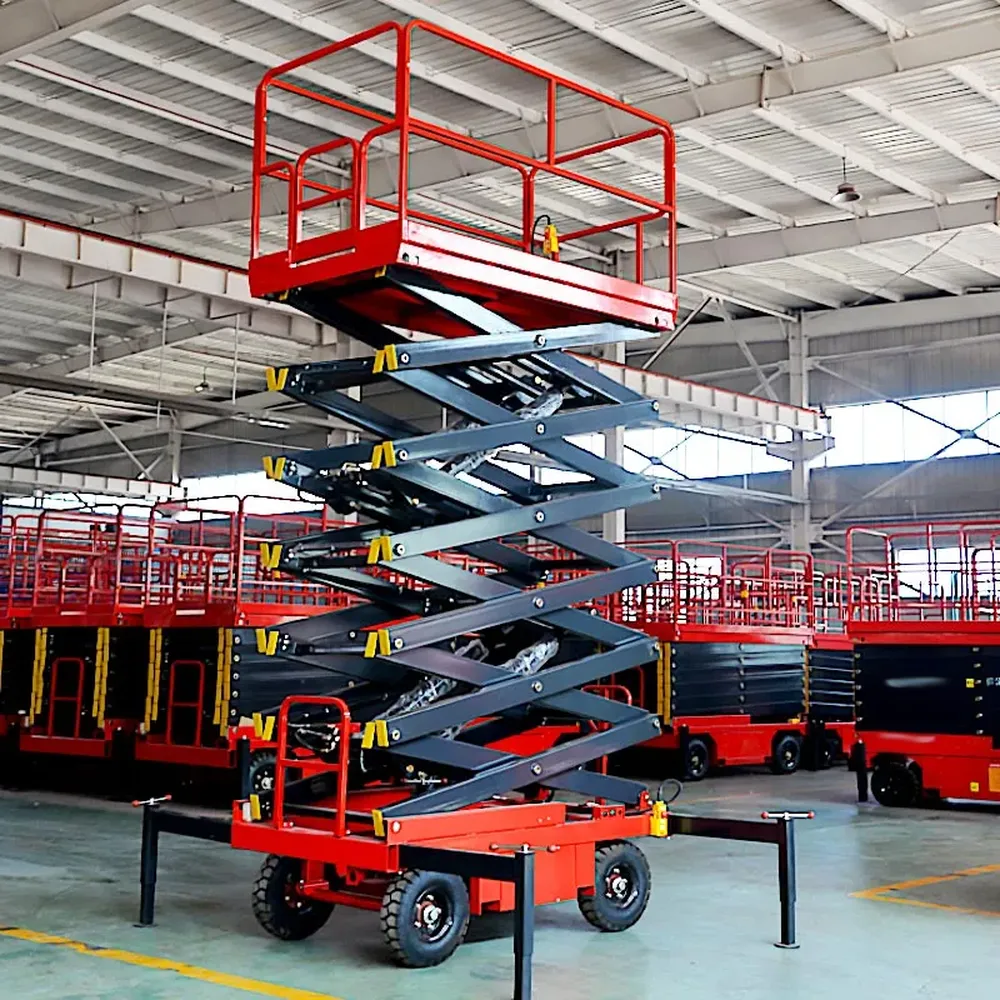
  • Construction Sites: In bustling construction zones across Mexico, hydraulic cylinders power scissor lifts for tasks like installing steel beams or painting exteriors on high-rise buildings in cities such as Mexico City, providing stable elevation up to 15 meters while handling uneven ground to keep workers secure during long shifts.
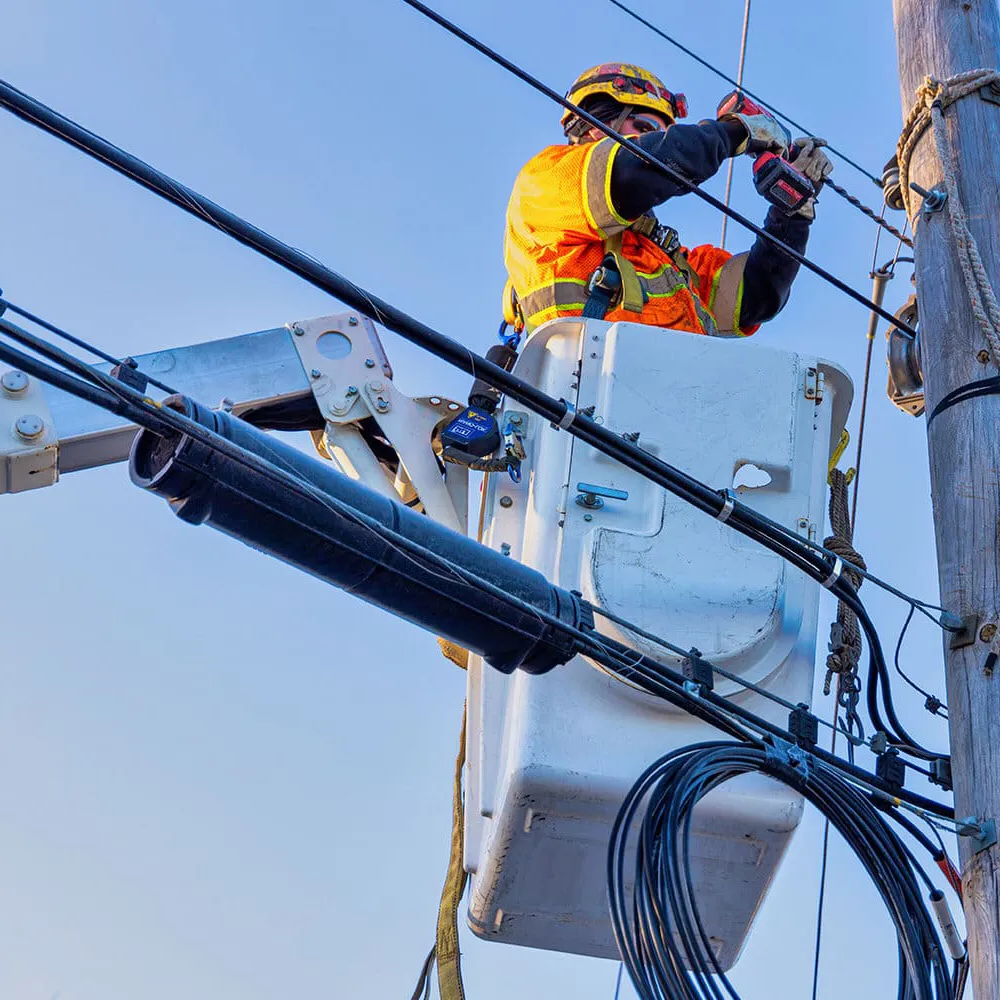
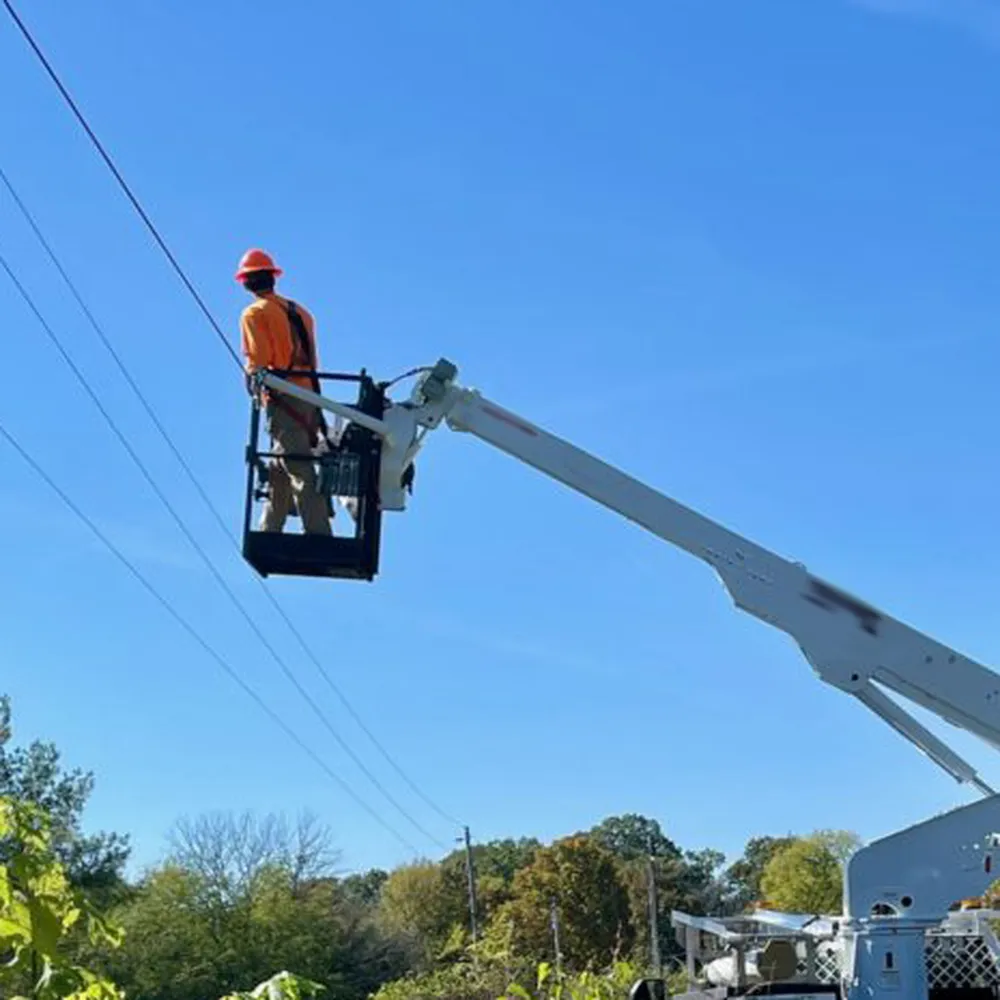
  • Utility Maintenance: For electrical and water utility repairs, boom lifts equipped with these cylinders allow technicians to reach overhead lines safely in remote areas like the Sierra Madre mountains, resisting wind loads and offering precise positioning to minimize downtime in essential services.
  • Telecommunications Installations: When setting up cell towers or fiber optic cables in growing urban centers like Guadalajara, aerial platforms rely on cylinders for extended reach, ensuring vibration-free operation that protects delicate equipment during installations in varied weather conditions.
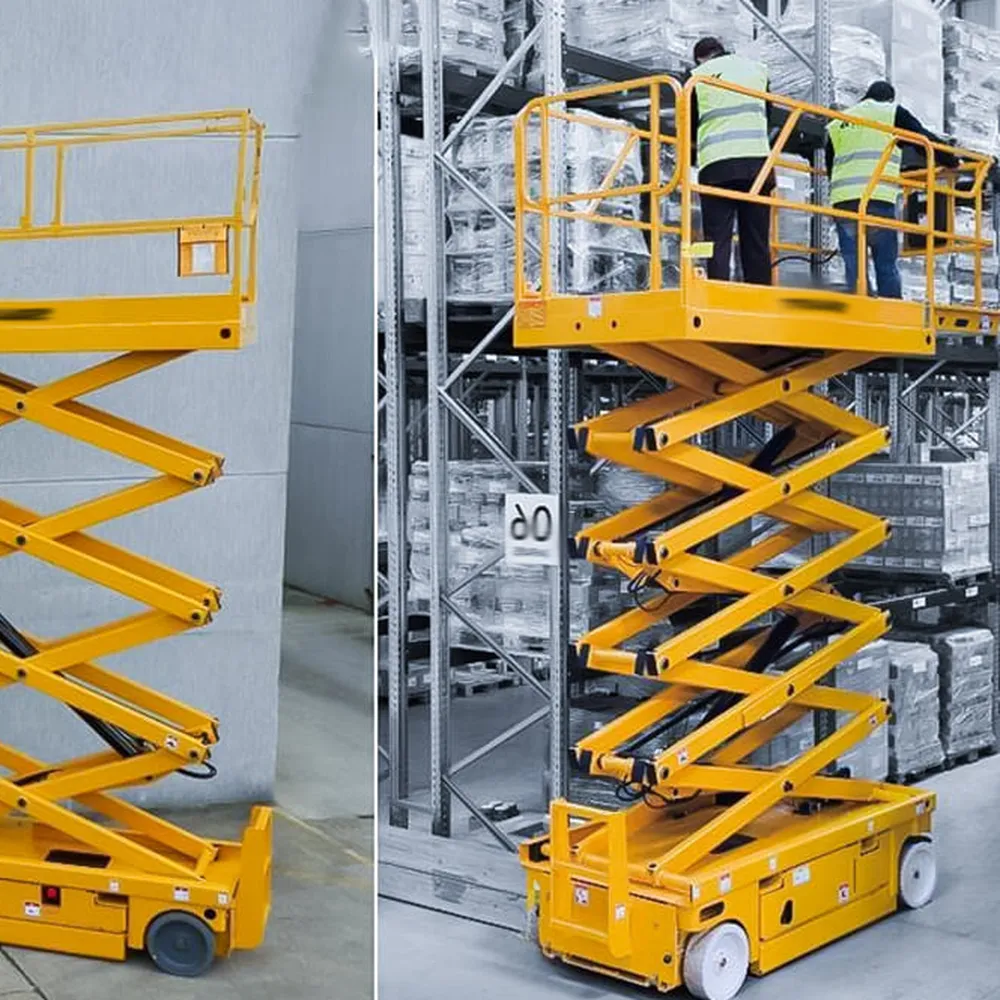
  • Warehouse Operations: In large distribution centers near the US-Mexico border in Tijuana, vertical lifts use hydraulic cylinders to access high shelving for inventory stocking, supporting heavy loads with smooth retraction to enhance efficiency in fast-paced logistics environments.
  • Emergency Response: Firefighters and rescue teams in earthquake-prone regions such as Oaxaca utilize cherry pickers with robust cylinders for accessing collapsed structures, delivering quick extension capabilities under pressure to aid in life-saving operations without risking further instability.
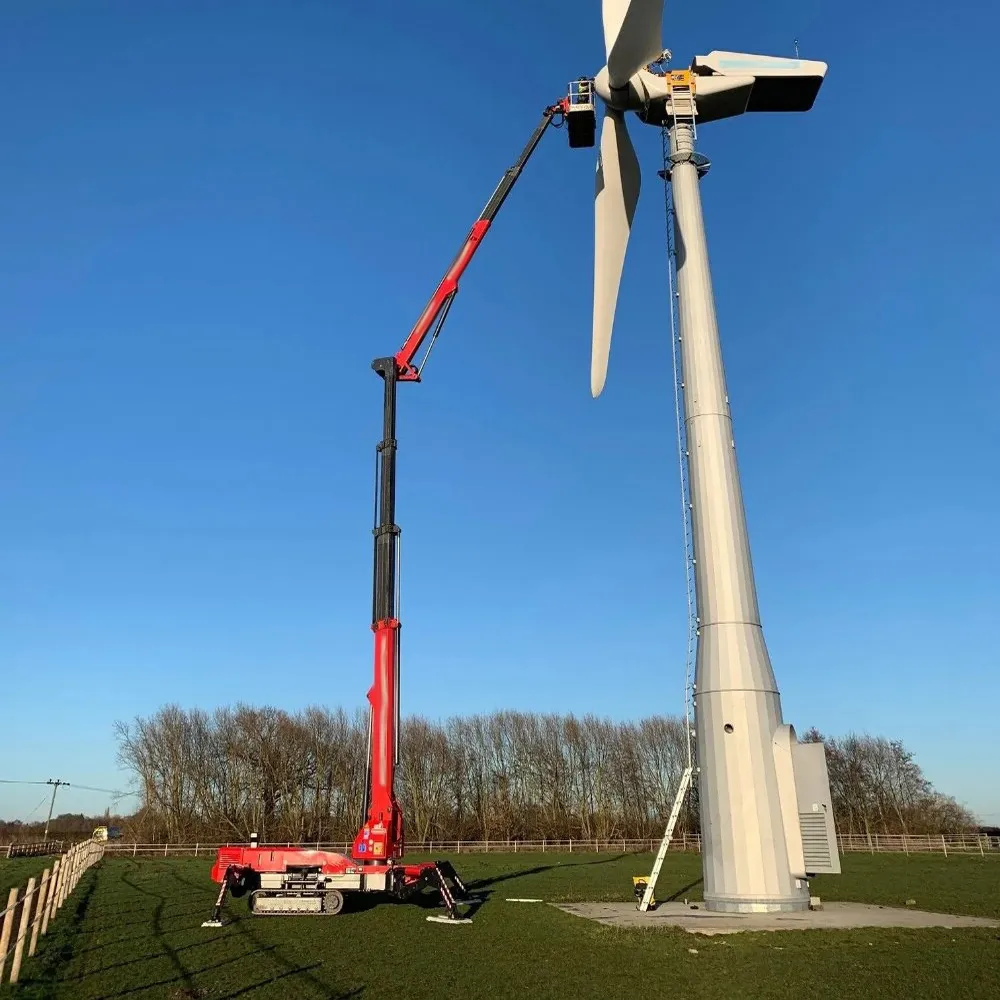
  • Renewable Energy Projects: During wind farm maintenance in windy Baja California, telescopic cylinders in aerial vehicles enable technicians to inspect turbine blades at heights over 100 meters, with corrosion-resistant designs that endure salty air for reliable performance in sustainable energy initiatives.
  • Facility Upkeep: For routine building maintenance in industrial parks around Monterrey, platforms with these cylinders facilitate window cleaning or HVAC repairs, incorporating safety features like overload protection to prevent accidents in high-traffic commercial settings.
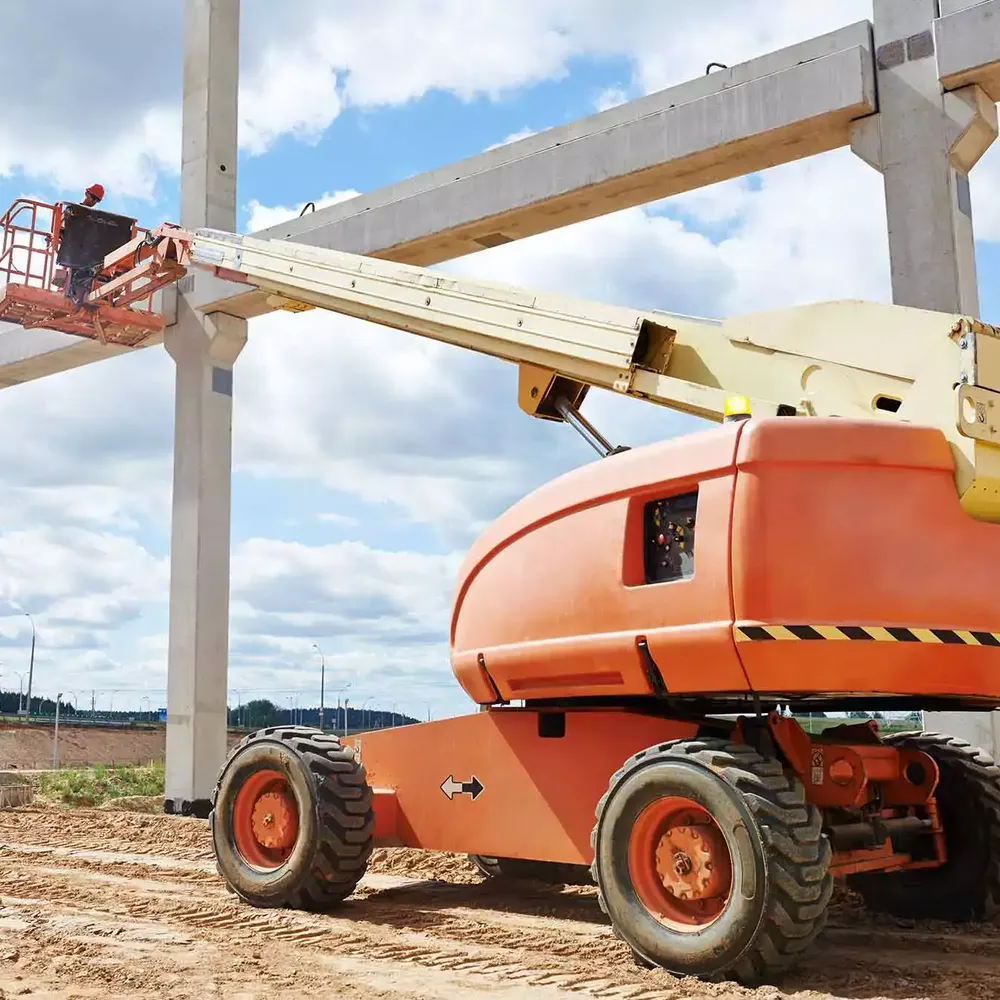
Hydraulic Cylinder for Construction Sites

Construction Sites

Hydraulic Cylinder for Utility Maintenance

Utility Maintenance

Hydraulic Cylinder for Telecommunications Installations

Telecommunications Installations

Hydraulic Cylinder for Warehouse Operations

Warehouse Operations

Hydraulic Cylinder for Emergency Response

Emergency Response

Hydraulic Cylinder for Renewable Energy Projects

Renewable Energy Projects

Mexico Ever-Power: Hydraulic Cylinder Manufacturers

With decades of specialized experience since our founding in 1978, Mexico Ever-Power Hydraulic Cylinder Co., Ltd. stands out as a trusted provider of high-end hydraulic solutions tailored for aerial work vehicles. Our cylinders are engineered for demanding applications in construction, utilities, and maintenance across Mexico’s diverse landscapes, from urban high-rises in Mexico City to remote sites in Baja California. We prioritize precision manufacturing in our expansive 103-acre facility, where over 400 skilled professionals utilize advanced R&D centers and testing labs to ensure each unit meets rigorous international standards for durability and safety. This commitment translates to cylinders that resist corrosion, handle extreme pressures, and deliver consistent performance, reducing downtime and enhancing operator confidence in elevated operations.

What truly sets us apart is our global reach and customer-focused approach, exporting to over 34 countries while maintaining strong partnerships that emphasize responsive service and customization. For aerial work platforms, we offer tailored designs that integrate seamlessly with scissor lifts, boom lifts, and cherry pickers, backed by exceptional after-sales support to address any field challenges promptly. Our innovative, networked production processes guarantee efficient, reliable components that align with industry needs, earning praise for their longevity and cost-effectiveness in markets from North America to Europe. By choosing our cylinders, clients gain a partner dedicated to safer, more productive hydraulic systems that support Mexico’s growing infrastructure and renewable energy sectors.
Hydraulic Cylinder Manufacturer

FAQs

How Do Hydraulic Cylinders Function in Aerial Work Vehicles?
By using pressurized oil to push a piston within a sealed tube, these cylinders extend or retract booms and platforms smoothly. For applications in utility repairs across urban areas like Monterrey, this mechanism allows precise control over height adjustments, minimizing vibrations that could affect worker stability during overhead line maintenance.
What Materials Make up High-Quality Aerial Lift Hydraulic Cylinders?
Premium cylinders feature chrome-plated piston rods for corrosion resistance and high-strength alloy steel barrels to withstand pressures up to 250 bar. In coastal Mexican regions such as Veracruz, these materials prevent rust from humid air, extending service life in demanding outdoor environments like telecommunications tower installations.
How to Install Hydraulic Cylinders on Boom Lifts Safely?
Begin by aligning the cylinder with mounting brackets using torque wrenches set to 150 Nm, then connect hydraulic hoses securely to avoid leaks. For Mexican fleet operators in Guadalajara, testing the system at low pressure post-installation ensures no air bubbles disrupt operation, promoting safe use in high-rise construction projects.
What Is the Average Lifespan of Scissor Lift Hydraulic Cylinders?
With proper care, these cylinders can last 8-12 years or over 10,000 cycles in warehouse settings near Tijuana. Factors like regular fluid changes and seal inspections in dusty border areas help maximize durability, reducing replacement costs for logistics companies handling daily inventory access.
How to Maintain Hydraulic Cylinders for Aerial Platforms Effectively?
Inspect rods for scratches monthly and replace seals every 2,000 hours, while flushing fluid annually with ISO 46 oil suited to tropical climates. In Mexico’s desert zones like Sonora, applying protective coatings guards against sand abrasion, ensuring consistent performance for renewable energy maintenance tasks on wind turbines.
Are Custom Hydraulic Cylinders Available for Aerial Work Vehicles in Mexico?
Yes, at Mexico Ever-Power, we offer tailored designs with adjustable stroke lengths from 1 to 15 meters to fit specific models. Clients in Mexico City benefit from our local manufacturing, which incorporates features like enhanced load capacities for unique infrastructure projects, delivered within 4-6 weeks.
How to Select the Right Hydraulic Cylinder for My Aerial Lift Application?
Consider load requirements, stroke length, and environmental factors; for example, opt for double-acting models in utility work for bidirectional control. In industrial parks around Puebla, matching bore sizes to vehicle specs ensures optimal efficiency, with our experts providing consultations based on your operational needs.
What Are the Differences Between Single-Acting and Double-Acting Hydraulic Cylinders for Aerial Vehicles?
Single-acting cylinders use pressure for extension and gravity for retraction, ideal for simple lifts, while double-acting provide powered movement in both directions for precise boom control. In Mexican agriculture sectors, double-acting types excel in articulated platforms for tree trimming, offering better handling on uneven terrain.
How to Replace Seals in Aerial Work Platform Hydraulic Cylinders Properly?
Disassemble the cylinder in a clean workspace, remove old seals with non-abrasive tools, and install new polyurethane ones lubricated with compatible grease. For maintenance teams in Nuevo Leon, following this process every 3,000 hours prevents leaks, maintaining hydraulic integrity in factory overhead repairs.

Our Customer Reviews

“These aerial work platform hydraulic cylinders have been a game-changer for our site operations. They handle loads up to 800 kg without flinching, and the smooth extension keeps our team safe at 12-meter heights. We’ve used them daily for six months now, and there’s zero leakage or wear on the seals. Totally recommend for heavy-duty jobs.”

Mexico Construction Firm

“I was impressed by the customer service from Mexico Ever-Power— they walked me through customizing the stroke length to 4 meters for our boom lifts. The arm type aerial work platform hydraulic cylinders arrived perfectly tuned, and installation took less than an hour. Their team’s patience with my questions made the whole process stress-free.”

US Utility Company

“Shipping to Toronto was quicker than expected; ordered on Monday and had them by Friday. The packaging was solid, no dents or scratches on the chrome-plated rods. These mast type aerial work platform hydraulic cylinders fit our scissor lifts like a glove, boosting our efficiency on warehouse repairs right away.”

Canadian Maintenance Service

“After a year of use in our busy facility, these scissor type aerial work platform hydraulic cylinders show no signs of fatigue, even with constant up-and-down cycles. The double-acting design provides precise control, reducing accidents. Great value, especially compared to pricier brands we’ve tried before.”

Mexican Warehouse Operator

“The quality stands out—these cylinders resist corrosion in rainy weather, perfect for our outdoor tower work. Bore diameter of 100mm gives the power we need for stable positioning. Ever-Power’s follow-up on delivery status was top-notch, ensuring everything arrived on time for our project deadline.”

European Telecom Installer

“We needed reliable cylinders for our cherry pickers in emergency drills, and these delivered. The pressure rating holds at 250 bar under stress, no failures in three months of testing. Logistics were spot-on; they even handled customs clearance smoothly for international shipping.”

Australian Rescue Team