Wind Turbine Hydraulic Cylinders
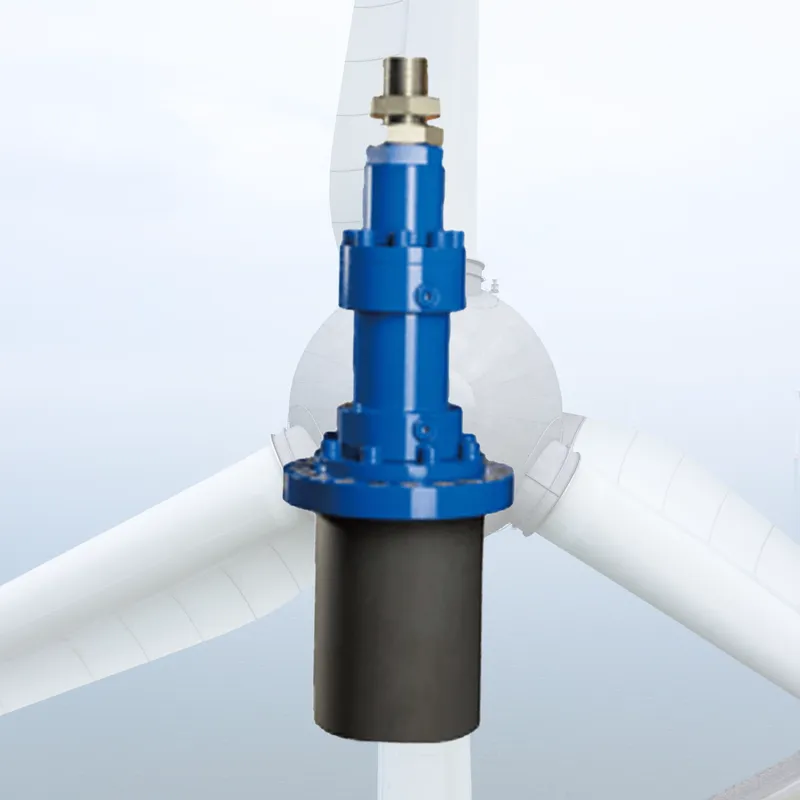
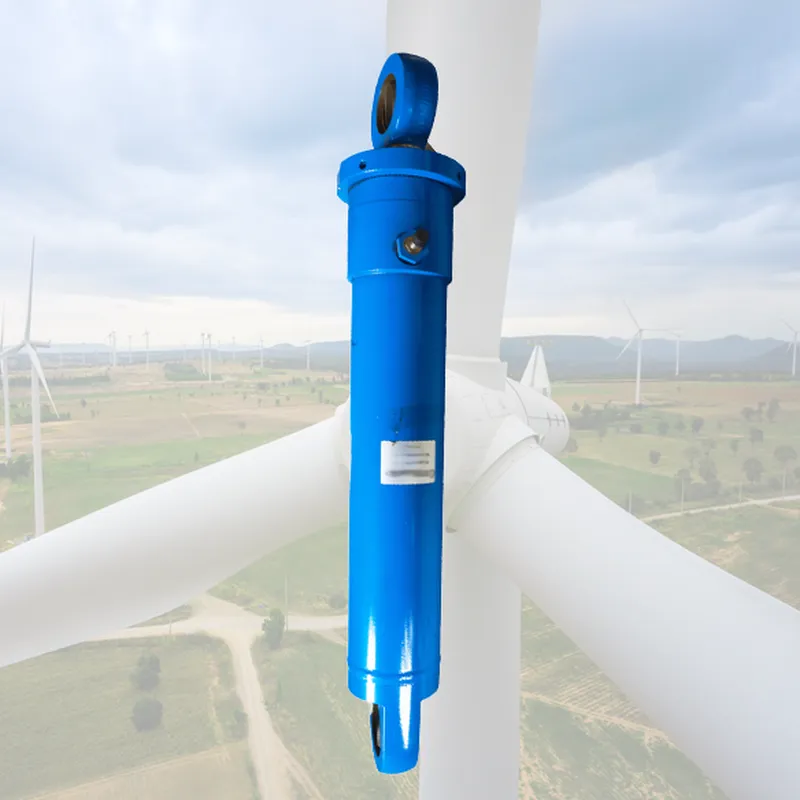
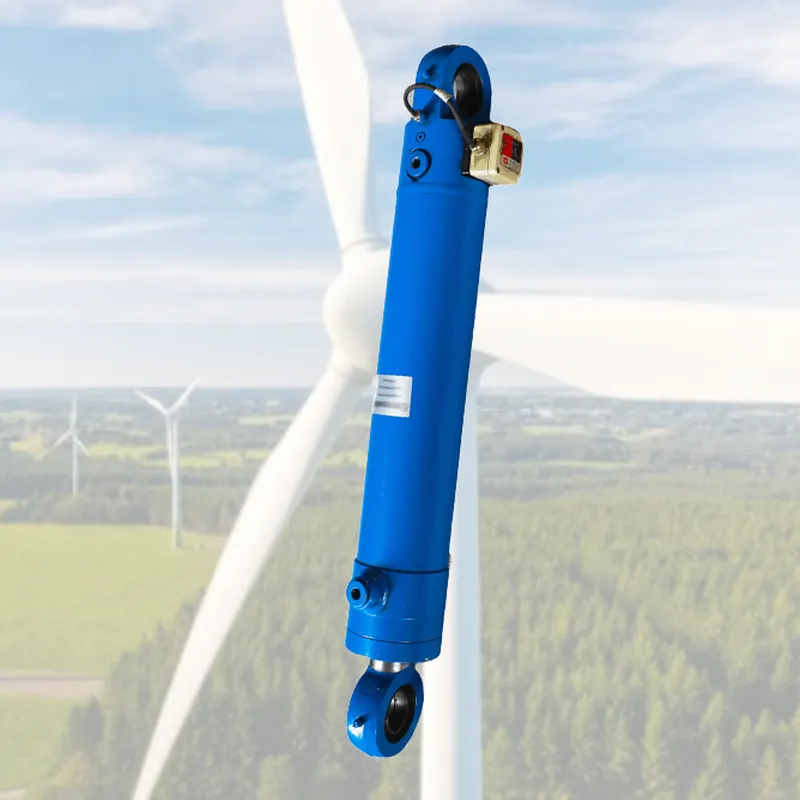
Wind turbine hydraulic cylinders are critical components that ensure the safe and efficient operation of wind turbines. The windwheel lock hydraulic cylinder secures the rotor during maintenance or extreme conditions, preventing unwanted movement. The safety hydraulic cylinder contributes to emergency braking and safety protocols, protecting the system from damage. Meanwhile, the control hydraulic cylinder manages blade pitch adjustments, optimizing energy production and adapting to changing wind conditions. These cylinders collectively enhance reliability, precision, and operational safety in wind energy systems.
Hydraulic Cylinder for Wind Turbine
What Is a Hydraulic Cylinder for Wind Turbines?
The control hydraulic cylinder is integral to the precision and efficiency of turbine operation, as it actively adjusts the pitch of the blades to optimize energy capture based on wind speed and direction. This dynamic adjustment not only maximizes power generation but also reduces wear on turbine components, improving their lifespan and reducing maintenance costs. Together, these hydraulic cylinders form an advanced system that enhances the overall performance, safety, and durability of wind turbines, making them indispensable in the renewable energy sector.


Wind Turbine Hydraulic Cylinder Types
1. Windwheel Lock Hydraulic Cylinder
This component secures the rotor blades firmly during maintenance or extreme weather conditions by exerting hydraulic pressure to prevent any unintended movement. It integrates seamlessly with the hub mechanism, enhancing safety for personnel and protecting the turbine structure from potential damage caused by wind-induced rotations, while its robust design ensures reliability in diverse operational environments.
2. Safety Hydraulic Cylinder
Serving as an emergency braking element, this cylinder activates swiftly in cases of system malfunctions or excessive speeds to halt turbine operations promptly. It employs high-pressure fluid to engage disc or drum brakes, mitigating risks of overload and ensuring structural stability, which is vital for preventing accidents and extending the service life of wind energy installations.
3. Control Hydraulic Cylinder
Essential for blade pitch regulation, this cylinder adjusts the angle of turbine blades dynamically in response to varying wind velocities to maximize energy output and reduce mechanical wear. By precisely controlling hydraulic flow, it optimizes aerodynamic performance, contributing to efficient power generation and overall system resilience against fluctuating atmospheric forces.
4. Yaw Hydraulic Cylinder
This cylinder facilitates the precise orientation of the nacelle to align with prevailing wind directions, utilizing hydraulic pressure to rotate the entire upper assembly smoothly. Its integration with sensor-driven controls ensures optimal turbine positioning, thereby enhancing energy harvesting efficiency and reducing unnecessary structural loads in variable wind conditions.
5. Blade-Tip Adjusting Hydraulic Cylinder
Employed as a supplementary safety feature in certain stall-regulated turbines, this cylinder rotates the tips of the blades to disrupt airflow during power outages or extreme winds. It provides an independent mechanism for rapid deceleration, safeguarding the turbine against overspeed and potential mechanical failures while maintaining operational reliability.
6. Brake Hydraulic Cylinder
Distinct from general safety systems, this cylinder directly actuates the disc or caliper brakes on the rotor shaft to manage controlled stops under normal operations or minor faults. Constructed with corrosion-resistant materials, it supports consistent braking force application, contributing to the turbine’s stability and longevity in demanding environmental settings.

Hydraulic Cylinder Production Process
1. Design and Engineering Phase
Engineers begin by creating detailed blueprints tailored to wind turbine specifications, incorporating factors such as load capacity, environmental resistance, and integration with turbine systems. This stage involves computer-aided simulations to optimize performance under high winds and corrosive conditions, ensuring the cylinder meets international standards for durability and efficiency in renewable energy applications.
2. Material Selection and Preparation
High-strength steel alloys or specialized composites are chosen for their ability to withstand extreme pressures and weather exposure in wind farms. Raw materials undergo rigorous inspection for defects, followed by cutting and heat treatment processes to enhance tensile strength and prevent fatigue failures during long-term turbine operations.
3. Machining of Key Components
Precision machining tools shape the cylinder barrel, piston rod, and end caps to exact tolerances, utilizing CNC lathes and milling machines for accuracy. This step ensures smooth internal surfaces that minimize friction and hydraulic fluid leakage, critical for maintaining reliable pitch control or braking functions in wind turbines.
4. Welding and Structural Fabrication
Skilled technicians weld components together using advanced techniques like submerged arc welding to form robust seals and joints capable of handling dynamic loads. Post-weld inspections verify integrity, preventing weaknesses that could lead to failures in high-vibration environments typical of offshore or onshore wind installations.
5. Assembly of Hydraulic System
Individual parts are meticulously assembled, incorporating seals, valves, and hydraulic ports while adhering to clean-room protocols to avoid contamination. This phase includes initial pressure testing to confirm operational readiness, aligning with the turbine's need for seamless integration and minimal downtime during energy production.
6. Surface Treatment and Protective Coating
Cylinders receive anti-corrosion treatments such as chromating or epoxy coatings to protect against saltwater, UV radiation, and abrasion in harsh wind settings. These applications extend service life, reducing maintenance costs and supporting sustainable performance in global wind energy projects.
7. Quality Assurance and Final Testing
Comprehensive tests simulate real-world conditions, including pressure cycling, leak detection, and endurance trials to validate functionality. Certifications from regulatory bodies are obtained, guaranteeing compliance with safety norms and contributing to the overall reliability of wind turbine hydraulic systems.
Custom Hydraulic Cylinder for a Wind Turbine
1. Initial Consultation and Specification Gathering
We engage with clients to collect detailed requirements, including operational loads, environmental exposures, and integration needs for wind turbine systems. This phase ensures alignment with specific turbine models, incorporating factors like wind speeds and installation locations to tailor the cylinder for optimal performance and safety in renewable energy setups.
2. Detailed Design and Engineering Analysis
Specialists develop custom blueprints using advanced software to simulate stresses and hydraulic flows under turbine conditions. This involves calculating precise dimensions for piston rods and barrels, ensuring compatibility with pitch or yaw mechanisms while adhering to industry standards for strength and efficiency in high-wind environments.
3. Material Selection and Sourcing
Appropriate alloys, such as corrosion-resistant steels or composites, are chosen based on the turbine's exposure to saltwater or extreme temperatures. Suppliers are vetted for quality, with materials tested for tensile properties to guarantee longevity and resistance to fatigue in demanding wind farm operations.
4. Prototyping and Iterative Refinement
A prototype is fabricated to validate the design through initial bench tests, allowing adjustments for hydraulic pressure handling or seal integrity. Feedback from simulations refines the model, ensuring it meets custom specifications for seamless integration into wind turbine braking or control systems.
5. Precision Manufacturing and Component Fabrication
Using CNC machinery, components like cylinders and pistons are machined to exact tolerances, followed by welding for structural integrity. This step focuses on achieving smooth surfaces to minimize wear, critical for maintaining hydraulic efficiency in variable wind conditions over extended periods.
6. Assembly and System Integration
Parts are assembled in controlled environments, incorporating custom seals, valves, and sensors tailored to the turbine's hydraulic network. Preliminary functional tests verify fluid dynamics and pressure retention, preparing the cylinder for reliable operation within the overall wind energy infrastructure.
7. Rigorous Testing and Quality Certification
The completed cylinder undergoes endurance trials simulating turbine stresses, including pressure cycling and environmental exposure tests. Certifications from regulatory authorities confirm compliance, enhancing trustworthiness and supporting the cylinder's role in sustainable wind power generation projects.


FAQs
What Are the Primary Features of a Wind Turbine Hydraulic Cylinder?
What Advantages Do Hydraulic Cylinders for Wind Turbines Provide over Other Actuation Systems?
How Does the Working Principle of a Wind Turbine Hydraulic Cylinder Function?
What Steps Are Involved in Installing a Hydraulic Cylinder for a Wind Turbine?
How Can One Effectively Maintain a Wind Turbine Hydraulic Cylinder?
What Are Common Faults in Hydraulic Cylinders for Wind Turbines and How to Troubleshoot Them?
What Materials Are Typically Used in Constructing a Hydraulic Cylinder for a Wind Turbine?
Customer Reviews
–Maria Gonzalez, Wind Farm Technician, Madrid, Spain
–Jake Reilly, Maintenance Supervisor, Houston, Texas, USA
–Lena Fischer, Project Engineer, Berlin, Germany
–Tom Nguyen, Operations Manager, Ho Chi Minh City, Vietnam
“Been recommending wind turbine cylinders from this maker to clients for their reliability in variable climates. One client raved about the hydraulic safety cylinder’s emergency response, which prevented a potential failure during a recent gale. Installed two years ago with a 1000mm extension, it’s still going strong. Service was attentive, answering all our queries on compatibility swiftly, though I wish packaging was more eco-friendly.”
–Sarah Patel, Renewable Energy Consultant, London, UK
–Emma Larsson, Turbine Specialist, Stockholm, Sweden
–Raj Singh, Site Manager, Mumbai, India
–Mike O’Brien, Wind Energy Contractor, Dublin, Ireland
–Pierre Dubois, Maintenance Engineer, Paris, France