Mining Machinery Hydraulic Cylinders
Mining machinery hydraulic cylinders are specialized components designed to provide the necessary force and motion control for heavy-duty mining equipment. These cylinders are engineered to withstand extreme conditions, such as high pressure, intense vibration, and harsh environmental factors, ensuring reliable performance in demanding applications. Commonly used in mining dump trucks, truck cranes, and large excavators, hydraulic cylinders play a critical role in lifting, tilting, and stabilizing heavy loads, enabling efficient material handling and excavation operations.
Hydraulic Cylinder for Mining Machinery
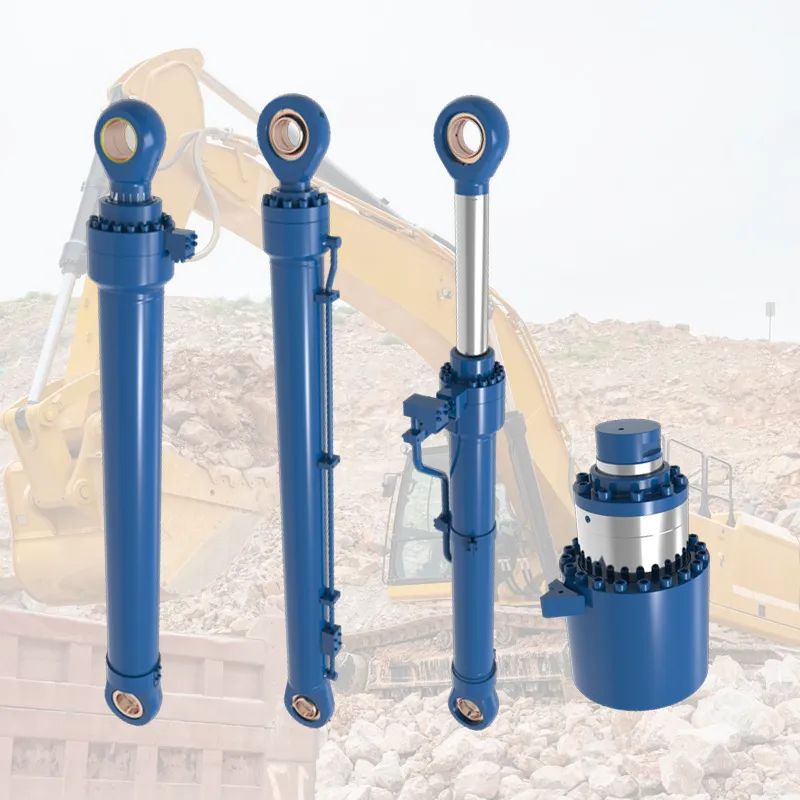
Hydraulic Cylinder for Mining Excavator
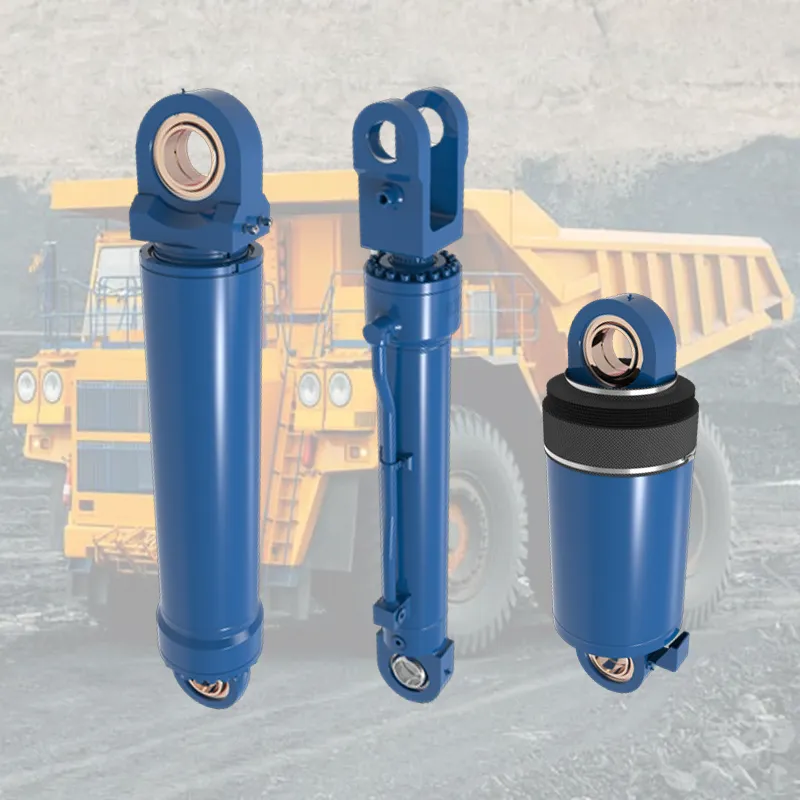
Hydraulic Cylinder for Mining Dump Truck
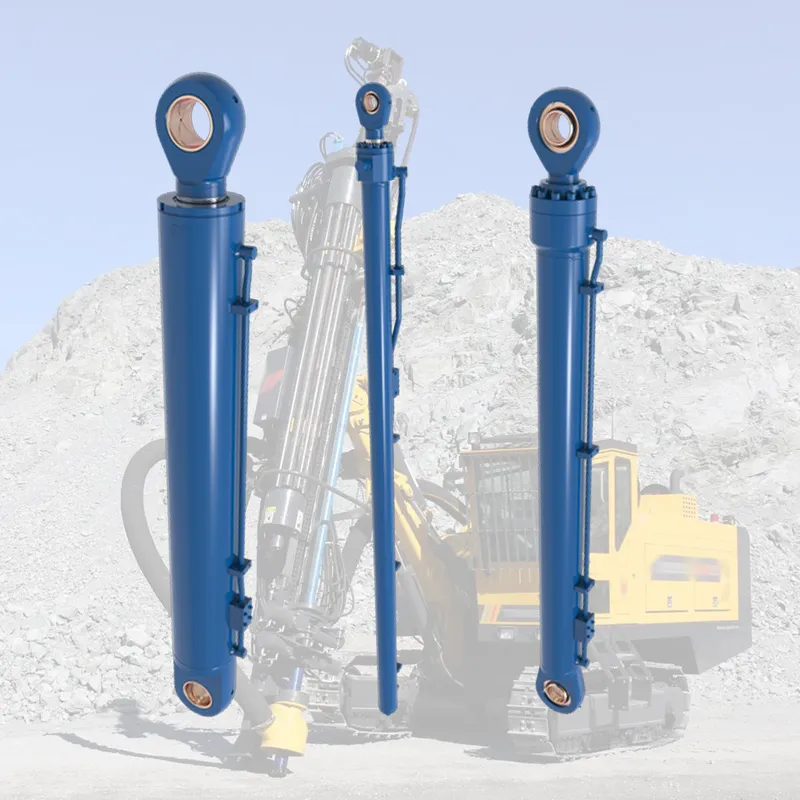
Hydraulic Cylinder for Rotary Drilling Rig
What Are Mining Machinery Hydraulic Cylinders?
Built for durability and reliability, mining machinery hydraulic cylinders are engineered with advanced materials and technologies to withstand high pressures, heavy loads, and harsh environmental conditions. Their performance is critical to the efficiency and safety of mining operations, necessitating rigorous quality control and customization to meet specific operational demands. These hydraulic solutions are indispensable across a range of mining applications, offering unmatched precision, strength, and longevity, ensuring seamless functionality in some of the most demanding industries worldwide.
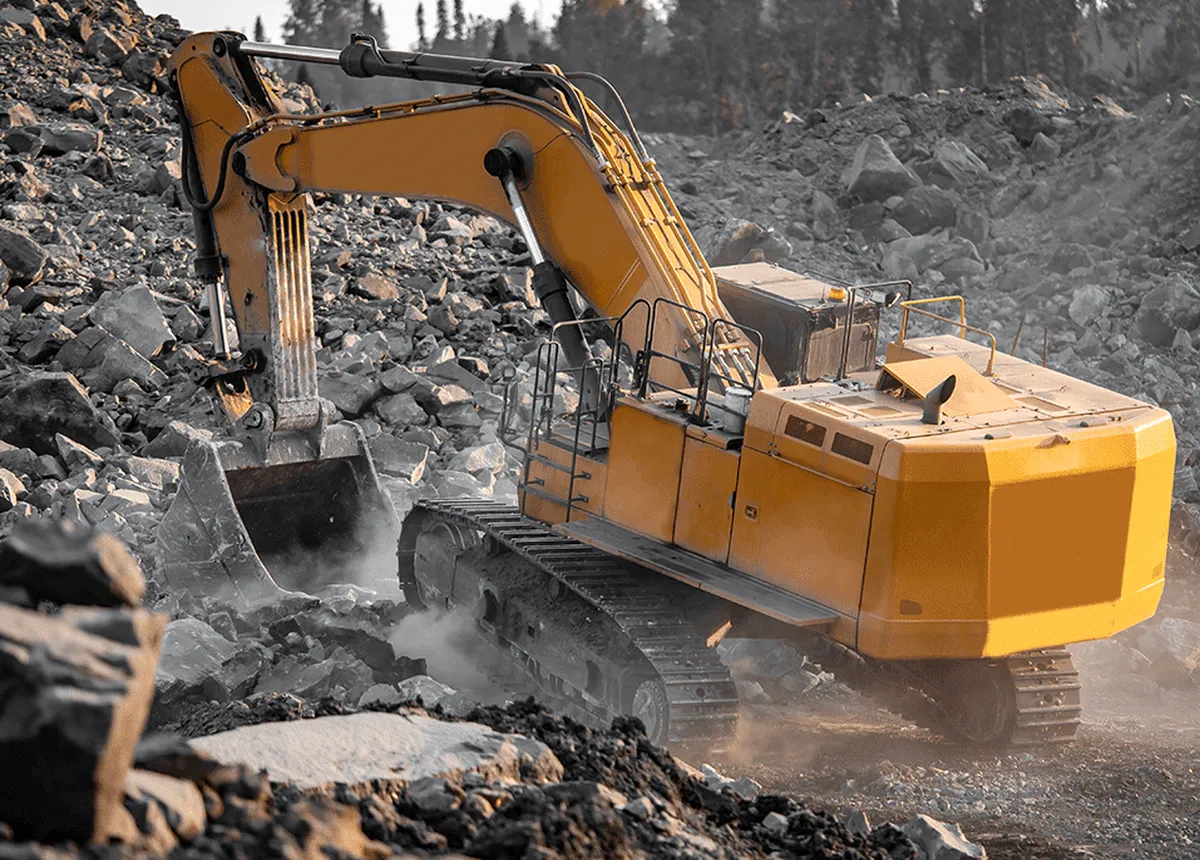
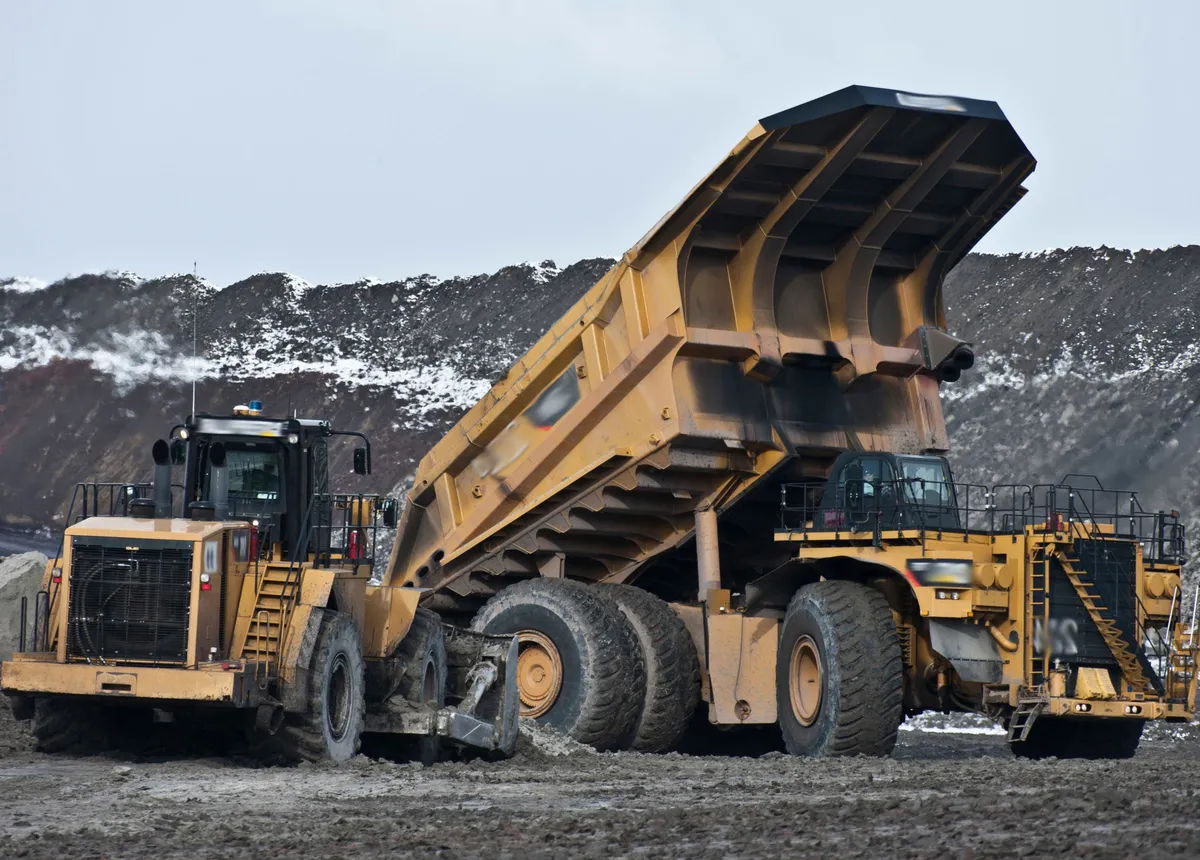
Mining Hydraulic Cylinder Components
1. Cylinder Barrel
This sturdy tubular structure forms the main body of the mining hydraulic cylinder, crafted from high-strength alloy steel to withstand extreme pressures and abrasive conditions in mining environments. It houses the piston and contains the hydraulic fluid, ensuring smooth linear motion while resisting deformation under heavy loads typical in dump trucks or excavators, promoting long-term reliability in demanding operations.
2. Piston
Positioned inside the barrel, the piston divides the cylinder into two chambers and converts hydraulic pressure into mechanical force for extension or retraction. In mining applications, it features wear-resistant surfaces and precise machining to handle vibrations and high-impact forces, allowing efficient power transmission in equipment like rotary drilling rigs where consistent performance is crucial for drilling accuracy.
3. Piston Rod
Extending from the piston through one end of the cylinder, this chrome-plated rod transfers the generated force to external components, such as lifting arms in large excavators. Its hardened surface prevents corrosion from exposure to dust and moisture in mining sites, ensuring durability and minimal friction during repeated cycles, which supports uninterrupted productivity in harsh terrains.
4. Seals and Gaskets
These critical elements, often made from polyurethane or Viton materials, prevent fluid leakage and contamination by sealing gaps between moving parts like the piston and rod. In mining hydraulic cylinders, they are designed to endure high temperatures and abrasive particles, maintaining system integrity and reducing maintenance needs, thus enhancing safety and operational efficiency on-site.
5. End Caps or Heads
Secured at both ends of the barrel, these components enclose the cylinder and provide mounting points for integration into mining machinery. They incorporate threaded or welded designs for secure attachment, and in high-pressure mining scenarios, they include reinforced structures to manage thrust forces, facilitating easy assembly and disassembly for repairs in field conditions.
6. Hydraulic Ports
Strategically placed openings on the cylinder allow hydraulic fluid to enter and exit the chambers, controlling the direction and speed of piston movement. For mining equipment, these ports are equipped with robust fittings to handle high-flow rates without leaks, enabling precise control in applications like dump truck tilting, where quick response times are essential for material handling.
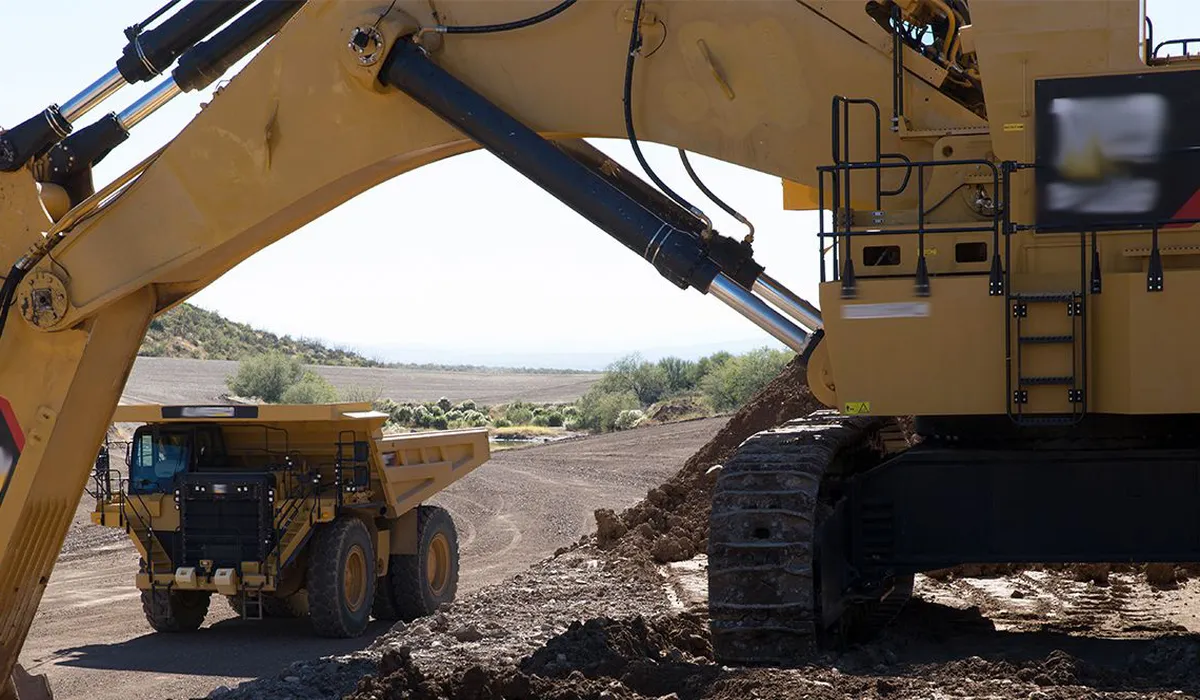
Mining Hydraulic Cylinder Production Process
Material Selection and Preparation
Engineers begin by choosing high-strength alloy steels and corrosion-resistant components suited for mining environments, such as chrome-plated rods and durable seals. This step involves rigorous testing of raw materials for tensile strength and chemical composition to ensure they withstand extreme pressures and abrasive conditions in mining operations, preventing failures during heavy use.
Design and Engineering Phase
Specialized software models the cylinder's dimensions, including bore size, stroke length, and mounting options tailored for equipment like dump trucks or excavators. Teams collaborate to incorporate safety features and optimize for hydraulic efficiency, drawing from years of field data to refine prototypes that meet industry standards and client specifications.
Cutting and Machining of Components
Precision CNC machines cut and shape the barrel, piston, and rod from selected metals, achieving tolerances within microns for smooth operation. This process includes drilling ports for fluid flow and threading ends for secure fittings, all while maintaining material integrity to handle the vibrations typical in mining machinery.
Welding and Fabrication
Skilled welders join components using techniques like TIG or MIG welding to create leak-proof assemblies, focusing on seam strength to endure high-pressure cycles. Heat treatment follows to relieve stresses and enhance durability, ensuring the cylinder can perform reliably in harsh mining sites without structural weaknesses.
Assembly of Cylinder Parts
Technicians carefully install pistons, seals, and end caps into the barrel, lubricating moving parts to reduce friction. Hydraulic lines and valves are integrated, with alignments checked multiple times to guarantee seamless extension and retraction, vital for precise control in applications like rotary drilling rigs.
Pressure Testing and Quality Assurance
Each cylinder undergoes hydrostatic testing at pressures exceeding operational levels, simulating real-world mining stresses to detect any leaks or weaknesses. Data from these tests is logged for traceability, confirming compliance with safety regulations and performance benchmarks before approval.
Surface Finishing and Protective Coating
The exterior is honed and coated with anti-corrosive paints or chrome layers to protect against dust, moisture, and chemicals encountered in mining. This enhances longevity and aesthetics, while internal surfaces are polished for optimal fluid dynamics, reducing wear over extended service life.
Final Inspection and Packaging
A comprehensive review by quality experts verifies all specifications, including dimensional accuracy and functional tests. Units are then securely packaged with protective materials to prevent damage during transit, ready for shipment to mining operations where they integrate into heavy equipment.
Mining Machinery Hydraulic Cylinder Applications
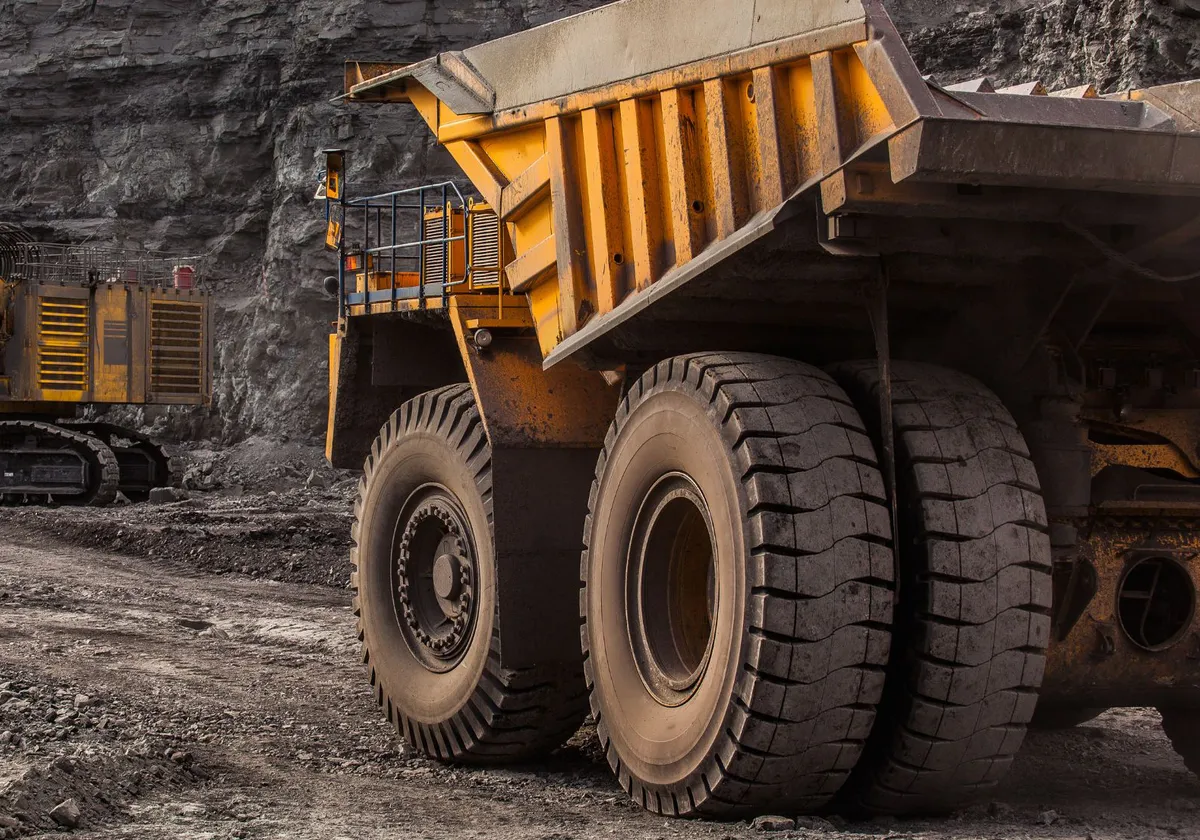
Mining Dump Truck
Hydraulic cylinders in mining dump trucks facilitate the lifting and tilting of massive cargo beds, enabling efficient unloading of ore and overburden materials at extraction sites. These components endure extreme loads exceeding several hundred tons, ensuring stable operation on uneven terrain while integrating with vehicle suspension systems for enhanced safety during transport across rugged mine landscapes.
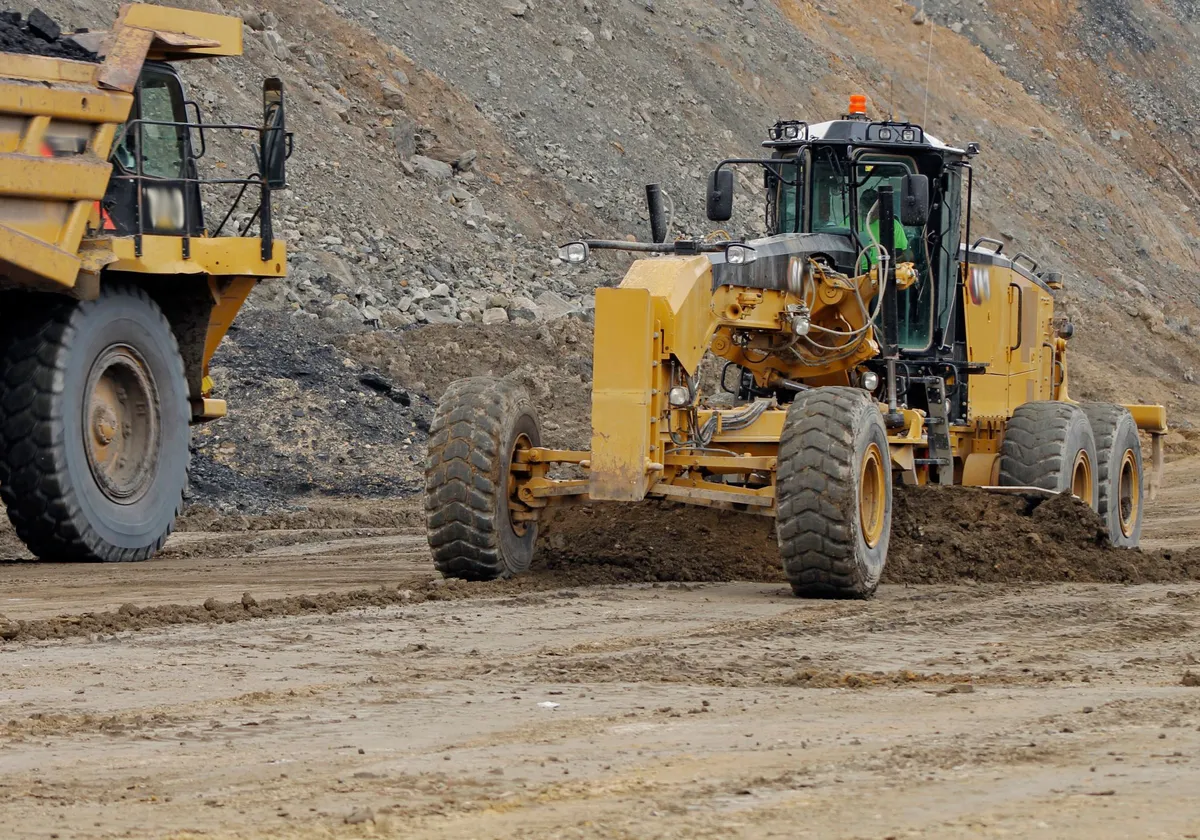
Mining Grader
In mining graders, hydraulic cylinders control blade positioning and angling for precise earth leveling and road maintenance within mine operations. This setup allows operators to adjust cutting depths dynamically, promoting smooth surfaces that support heavy vehicle traffic and reduce wear on tires, thereby extending equipment lifespan in abrasive environments.
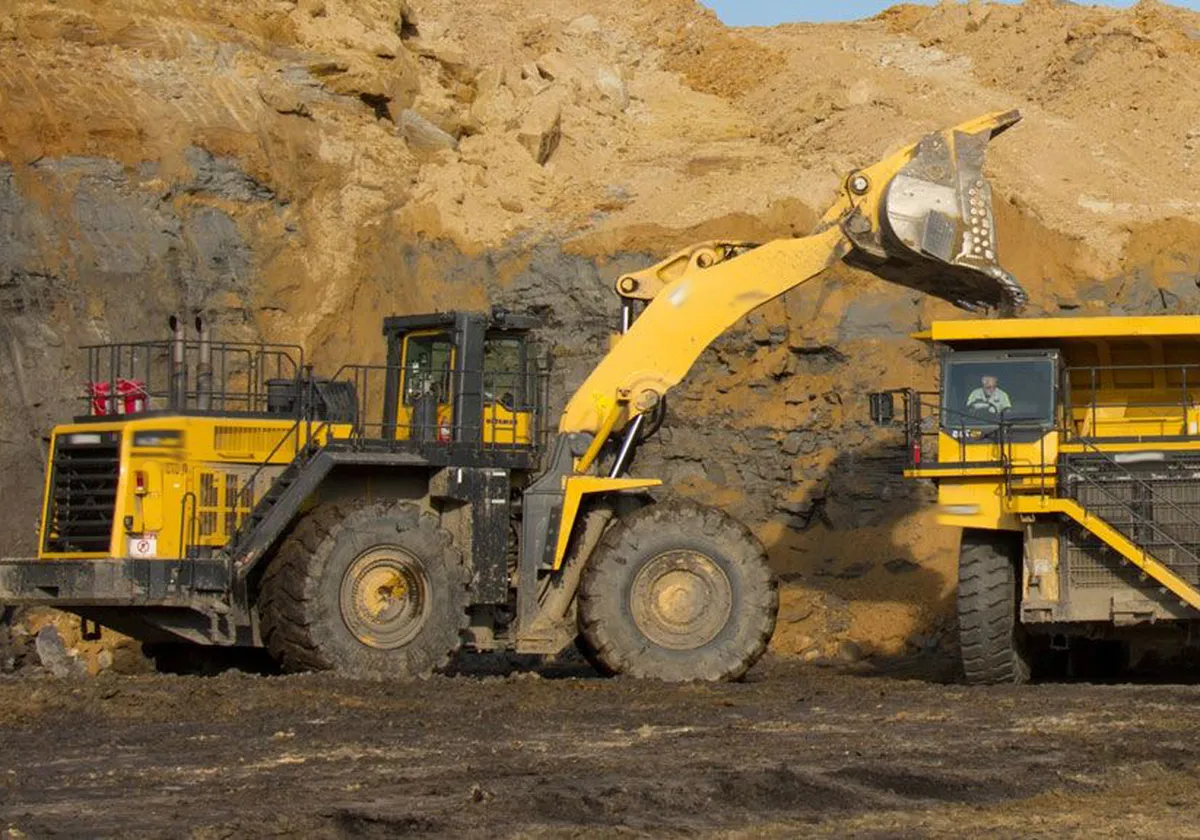
Mining Loader
In mining loaders, hydraulic cylinders are essential for controlling the lift arms and bucket tilt, allowing for efficient scooping and loading of heavy ores. These cylinders are designed for high-frequency cycles and heavy breakout forces, ensuring that the loader can handle the rigorous demands of material handling in both open-pit and underground mining environments.
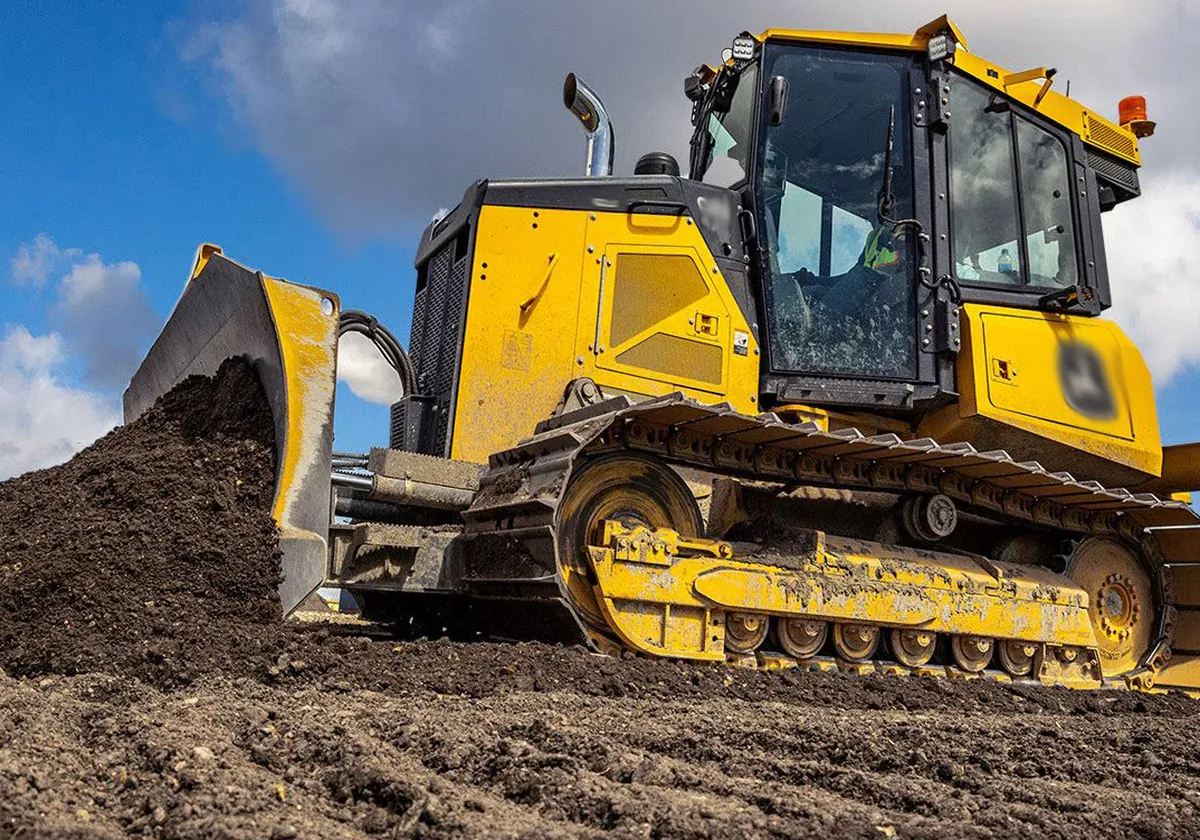
Mining Dozer
Mining dozers rely on hydraulic cylinders to maneuver large blades for pushing soil, rocks, and debris during site preparation and reclamation tasks. These cylinders provide the necessary force for ripping through compacted ground, with cushioning features that absorb shocks from impacts, contributing to operator comfort and machine durability in continuous high-intensity use.
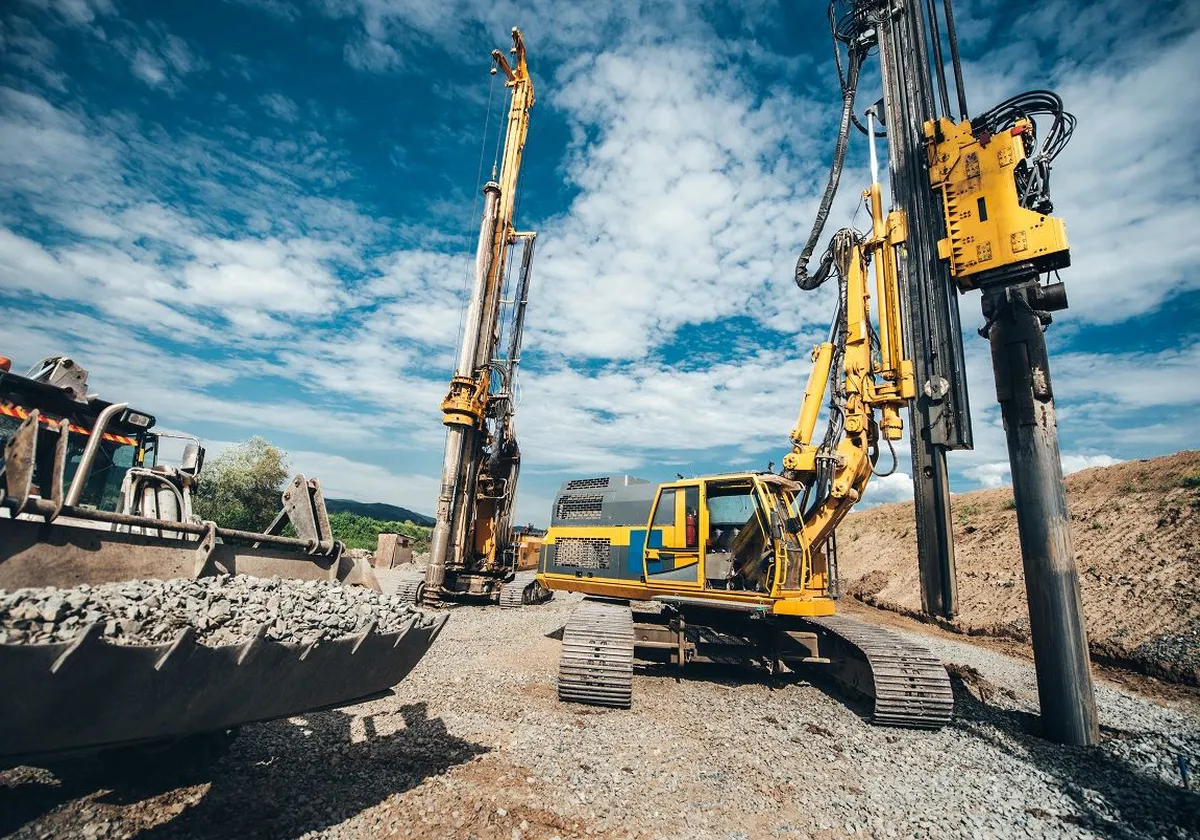
Mining Drill Rig
Hydraulic cylinders in mining drill rigs manage mast elevation and drill bit advancement, delivering controlled penetration into hard rock formations for exploration or blasting preparation. Their design incorporates high-pressure resistance to maintain accuracy over extended strokes, minimizing downtime and supporting precise hole placement essential for efficient mineral extraction processes.
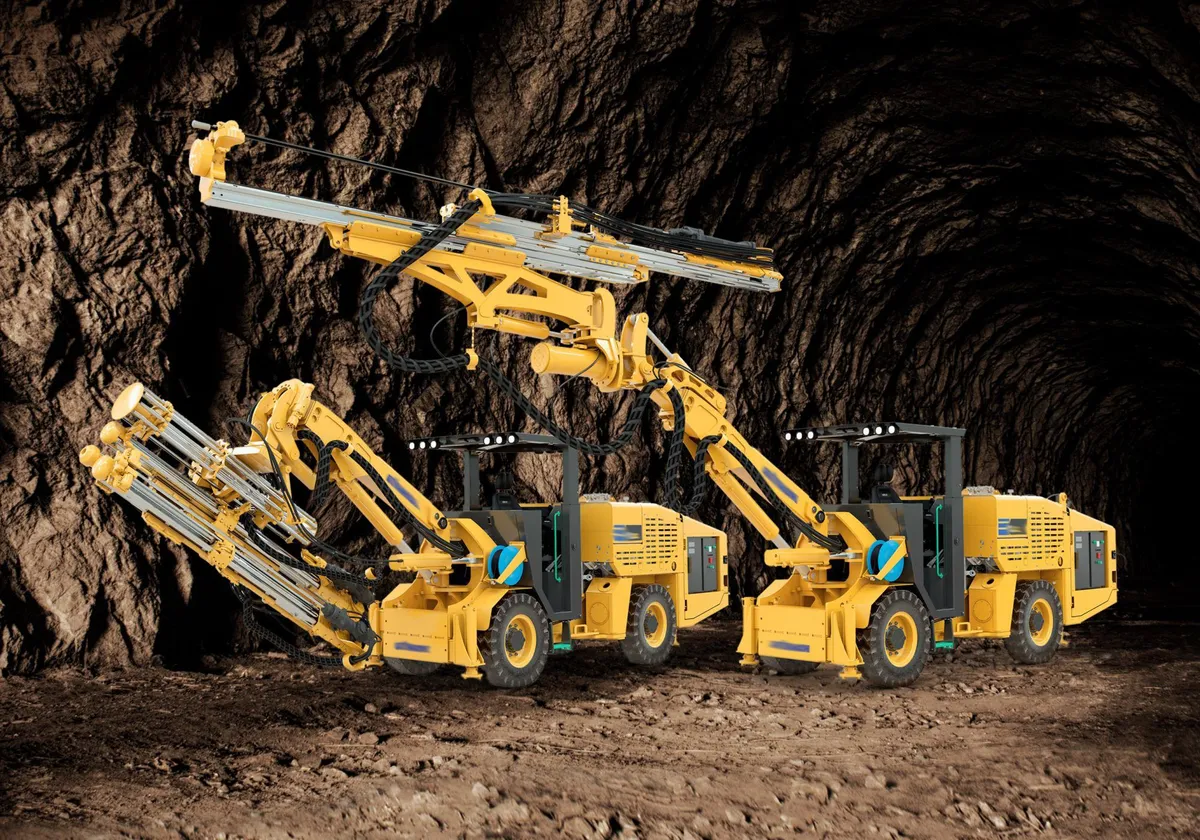
Mining Drilling Jumbo
For mining drilling jumbos used in underground tunneling, hydraulic cylinders extend and retract booms to position multiple drill heads against tunnel faces. This configuration enables simultaneous drilling of blast holes with fine-tuned force application, enhancing productivity in confined spaces while withstanding vibrations and dust accumulation typical of subterranean mining activities.
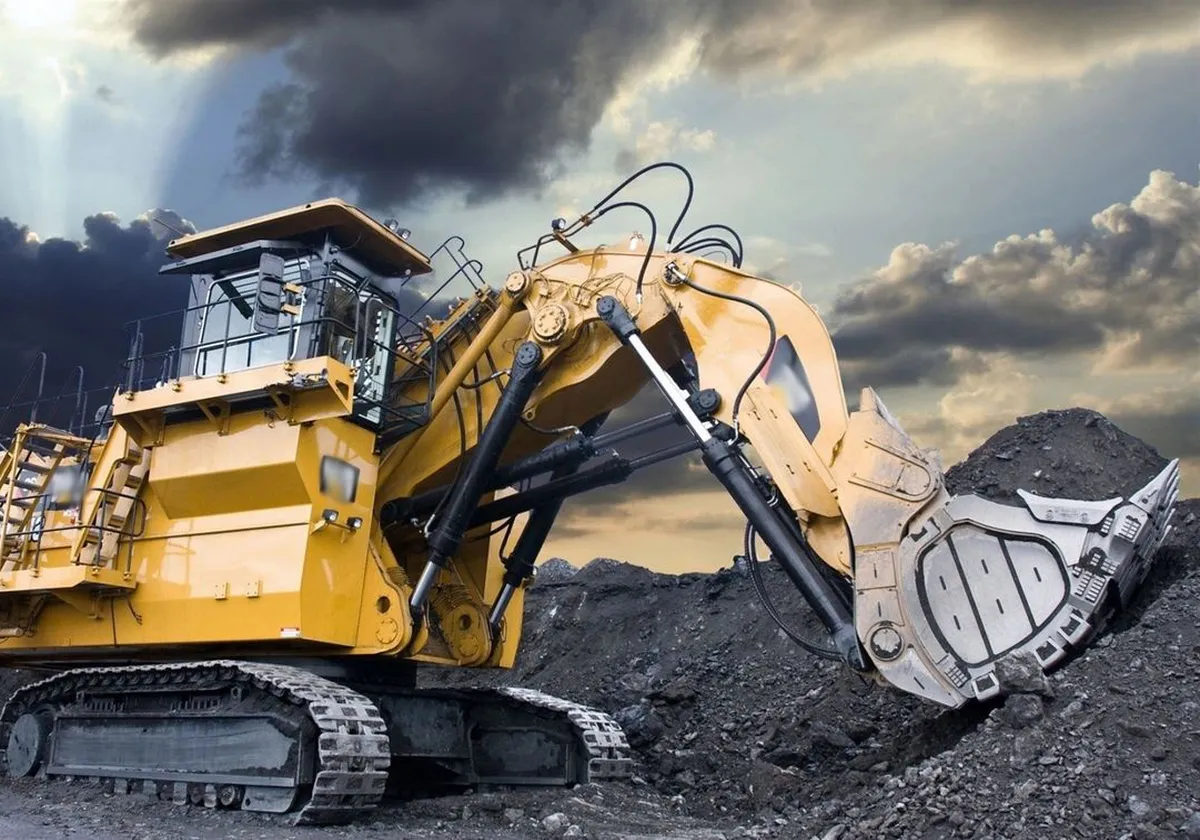
Mining Excavator
Mining excavators employ hydraulic cylinders to articulate booms, sticks, and buckets for digging and loading operations in open-pit environments. These cylinders handle repetitive cycles under variable loads, incorporating sensors for real-time adjustments that optimize fuel efficiency and prevent overloads, thus sustaining high output in large-scale earthmoving projects.
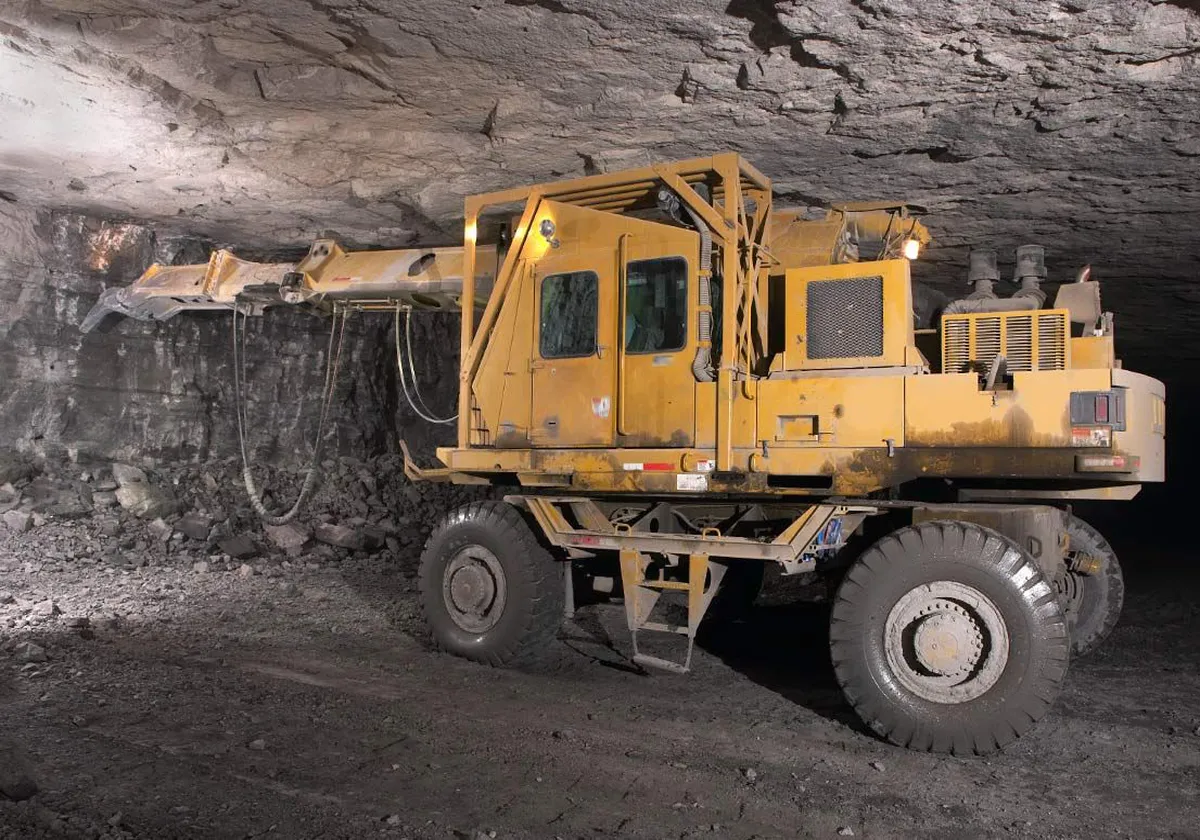
Mining Scaling Machine
In mining scaling machines, hydraulic cylinders power mechanical arms equipped with scaling heads to remove loose rocks from tunnel walls and ceilings, ensuring structural stability. This application demands robust extension capabilities to reach overhead areas safely, reducing manual labor risks and facilitating quicker advancement in underground development headings.
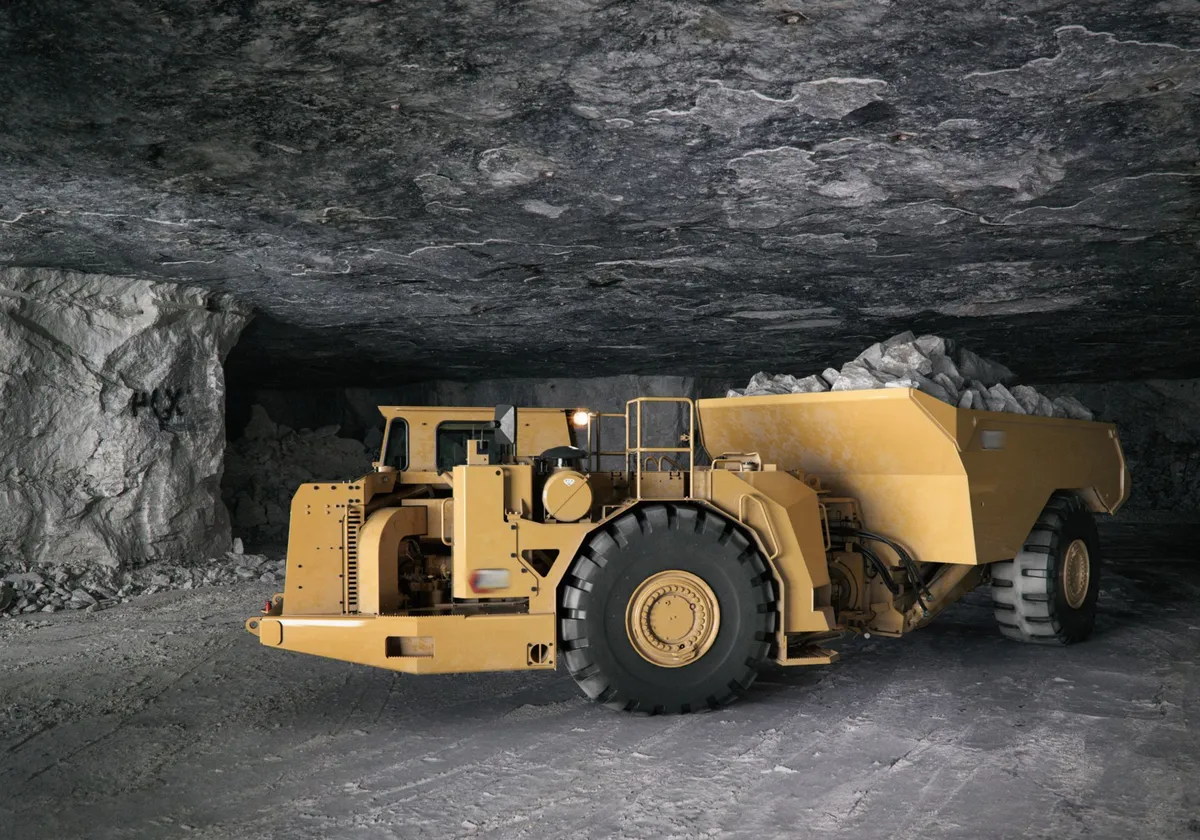
Mining Underground Truck
Hydraulic cylinders in mining underground trucks assist in dumping mechanisms for hauling ore through narrow tunnels, providing reliable bed elevation in low-ceiling conditions. They incorporate compact designs to fit space constraints, with reinforced seals that resist contamination from fine particles, supporting uninterrupted material transport in deep mine networks.
FAQs
What Are the Key Benefits of Using Mining Machinery Hydraulic Cylinders in Dump Trucks?
How Do Hydraulic Cylinders for Mining Withstand Harsh Environments?
What Customization Options Are Available for Hydraulic Cylinders for Large Excavators?
How to Maintain Mining Hydraulic Cylinders for Optimal Performance?
What Is the Typical Lifespan of a Hydraulic Cylinder for Mining Dump Truck?
What Materials Are Used in Hydraulic Cylinders for Mining Equipment?
How Does the Working Principle of Mining Machinery Hydraulic Cylinders Improve Safety?
How to Install a Hydraulic Cylinder for Large Excavator Safely?
Customer Reviews
–John Davis, Operations Manager, Texas, United States
–Emily Carter, Equipment Specialist, Alberta, Canada
–Hans Müller, Site Foreman, Bavaria, Germany
–Lars Svensson, Maintenance Engineer, Stockholm, Sweden
–Sarah Thompson, Procurement Officer, New South Wales, Australia
–Ivan Petrov, Drilling Supervisor, Siberia, Russia
–Aino Korhonen, Safety Coordinator, Helsinki, Finland
–Krzysztof Nowak, Project Lead, Warsaw, Poland
–Marie Dupont, Logistics Manager, Paris, France