Crane Hydraulic Cylinders
Crane hydraulic cylinders are robust, high-pressure mechanical actuators used to convert hydraulic energy into linear motion. In telescopic crawler cranes, truss arm crawler cranes, and car cranes, they manage boom extension, retraction, lifting, and precise movement. These cylinders ensure controlled, reliable operation by utilizing pressurized hydraulic fluid to generate immense force for heavy lifting tasks. The cylinders vary in size and design based on the crane type, ensuring optimal performance in extending booms, stabilizing crane arms, and enabling seamless, safe movement of loads during construction or industrial applications.
Hydraulic Cylinder for Cranes
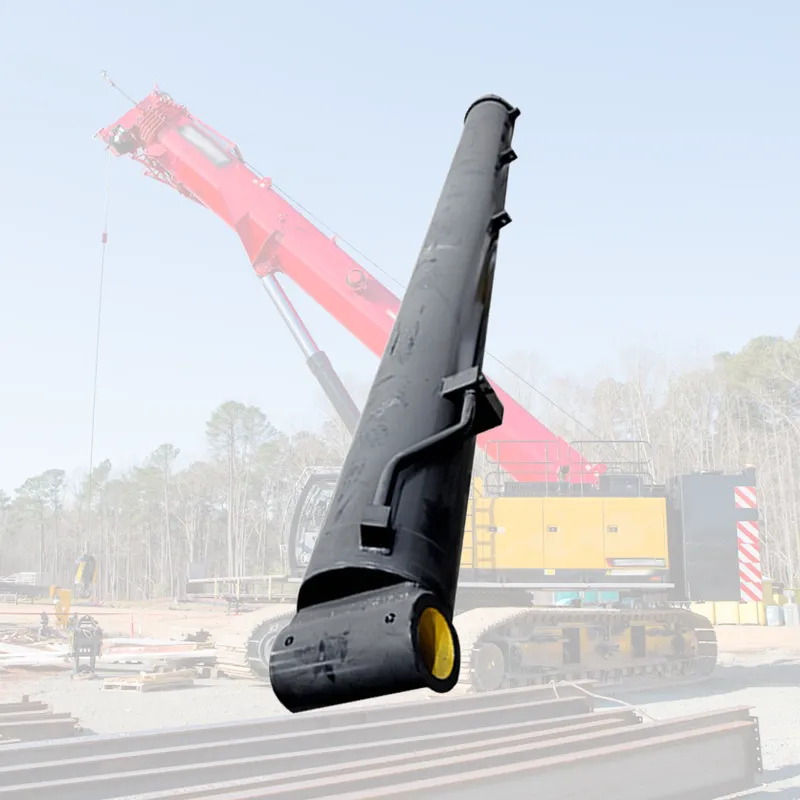
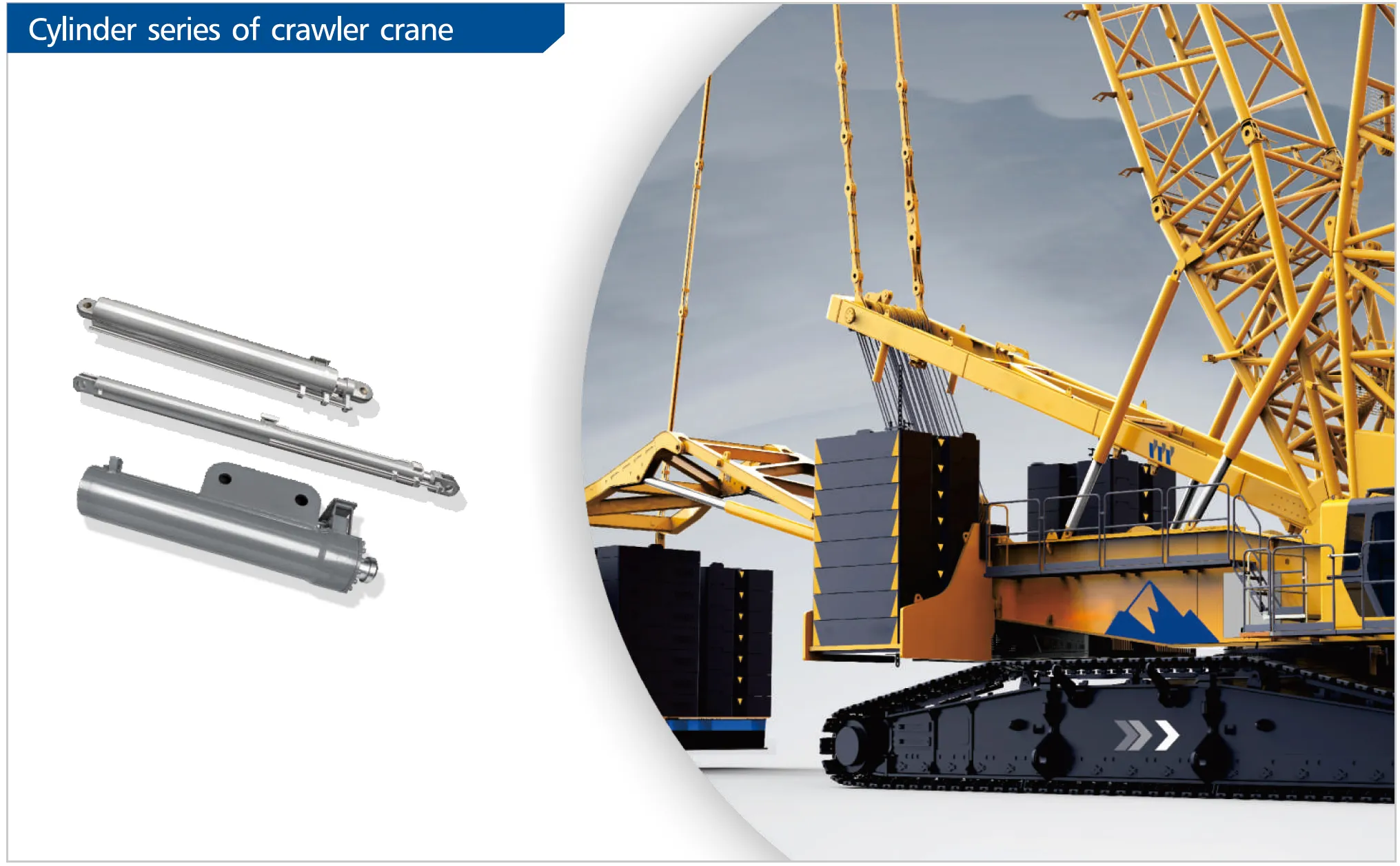
Hydraulic Cylinder for Telescopic Crawler Crane
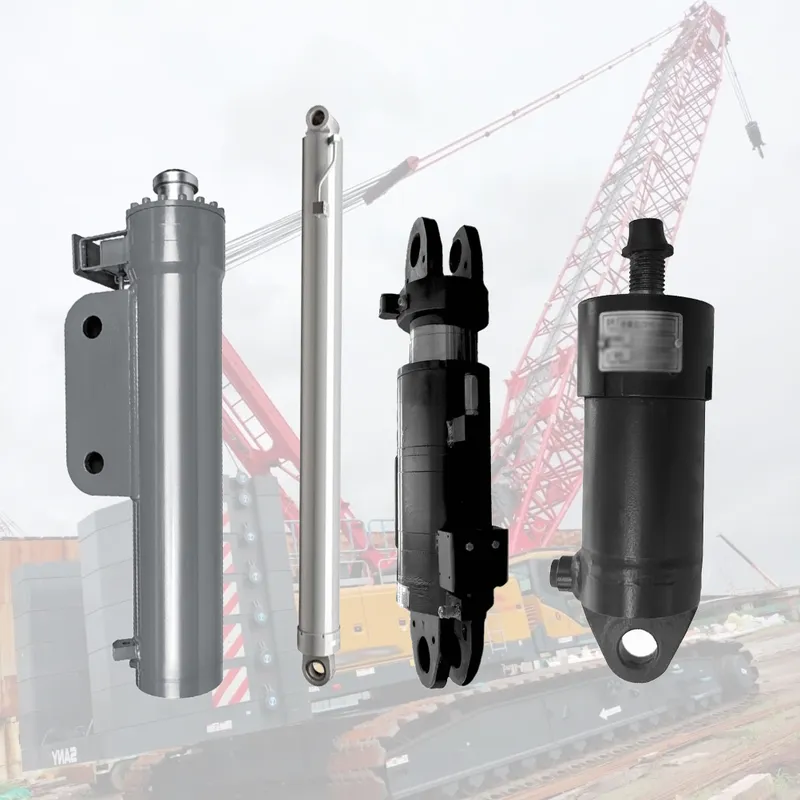
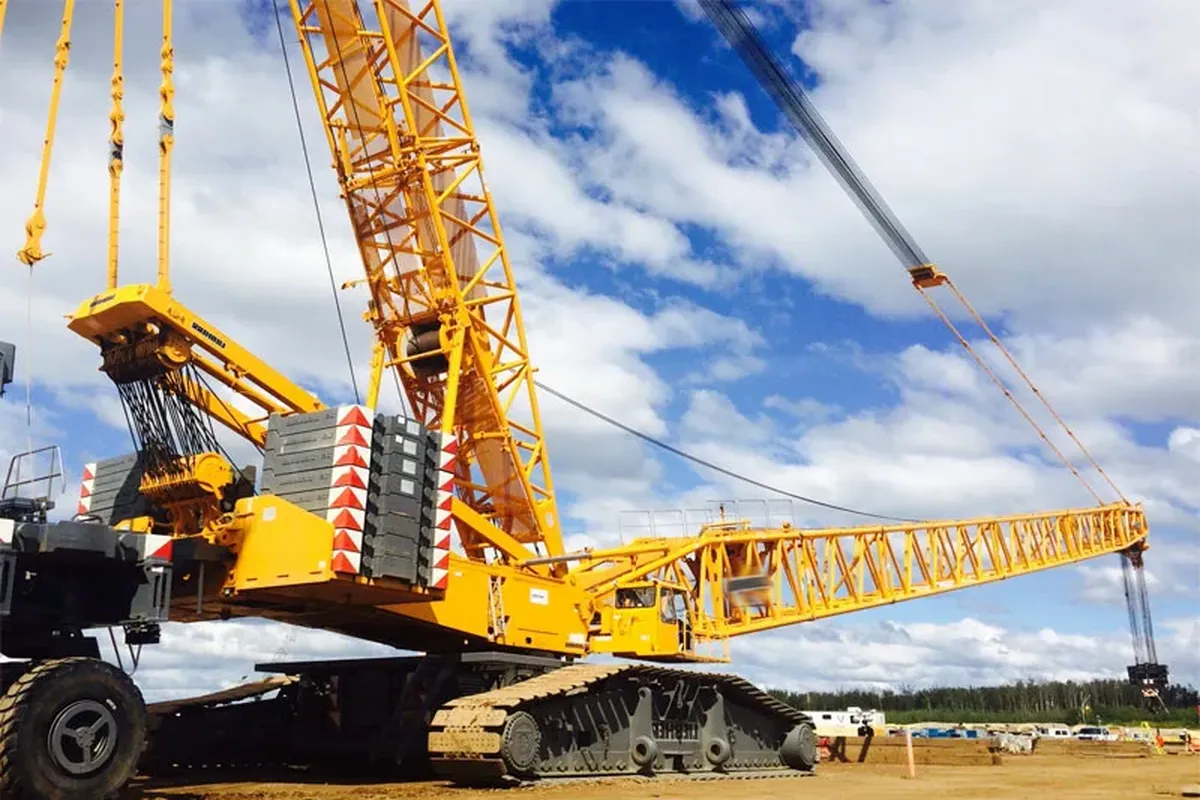
Hydraulic Cylinder for Truss Arm Crawler Crane
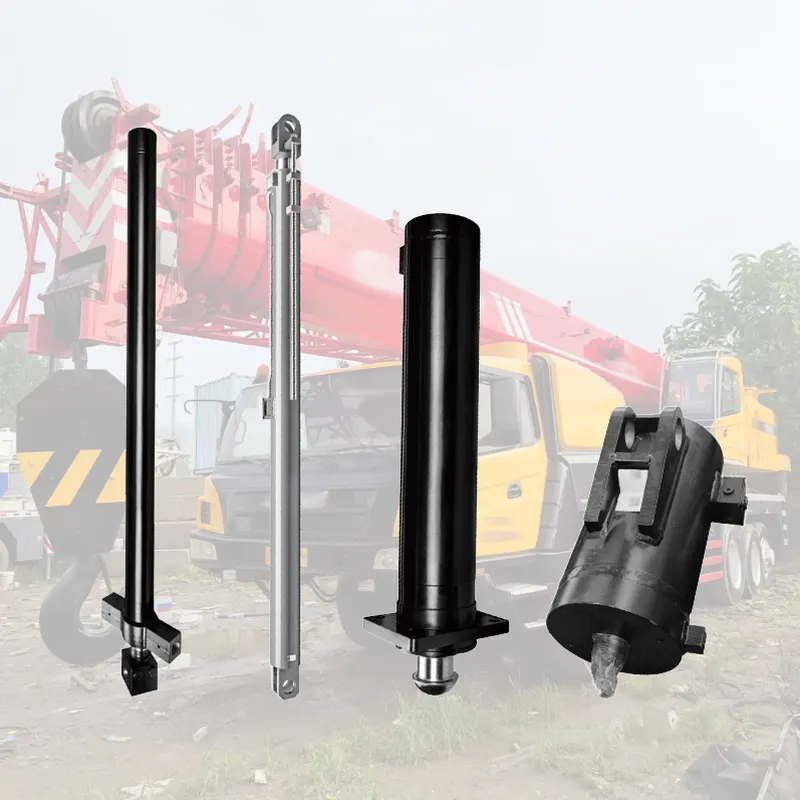
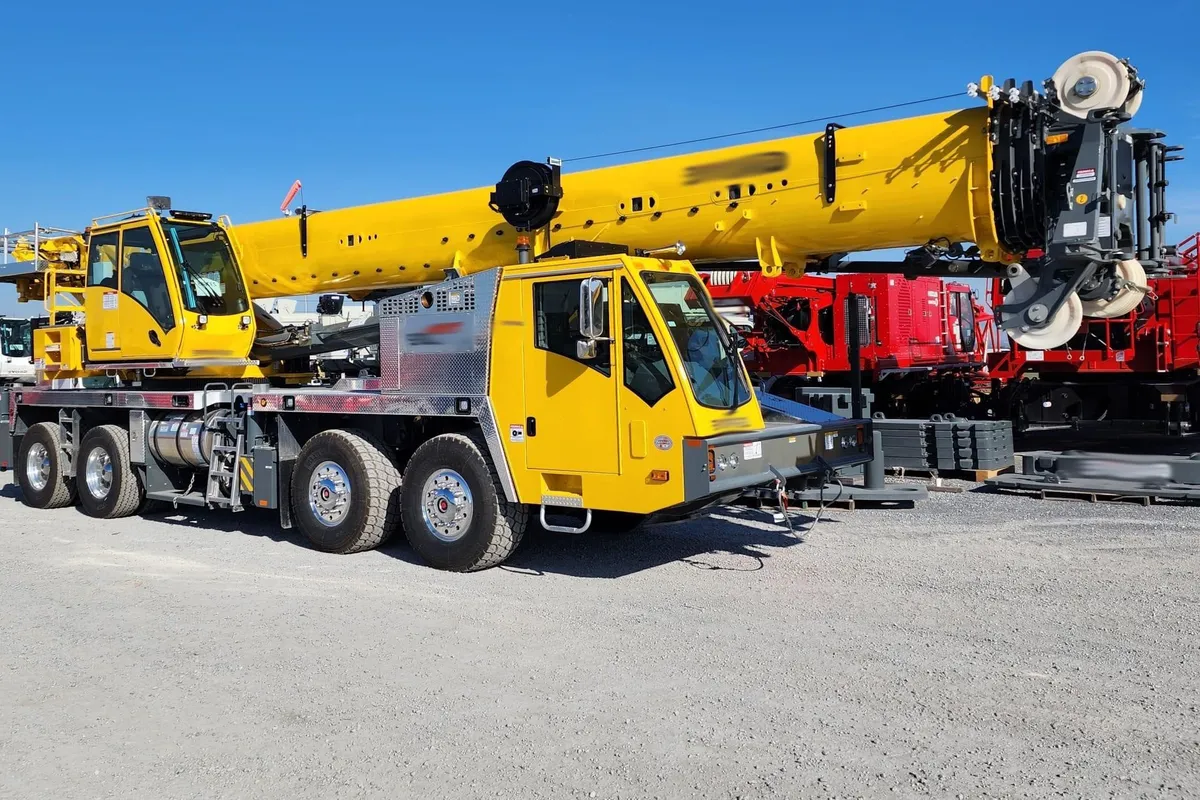
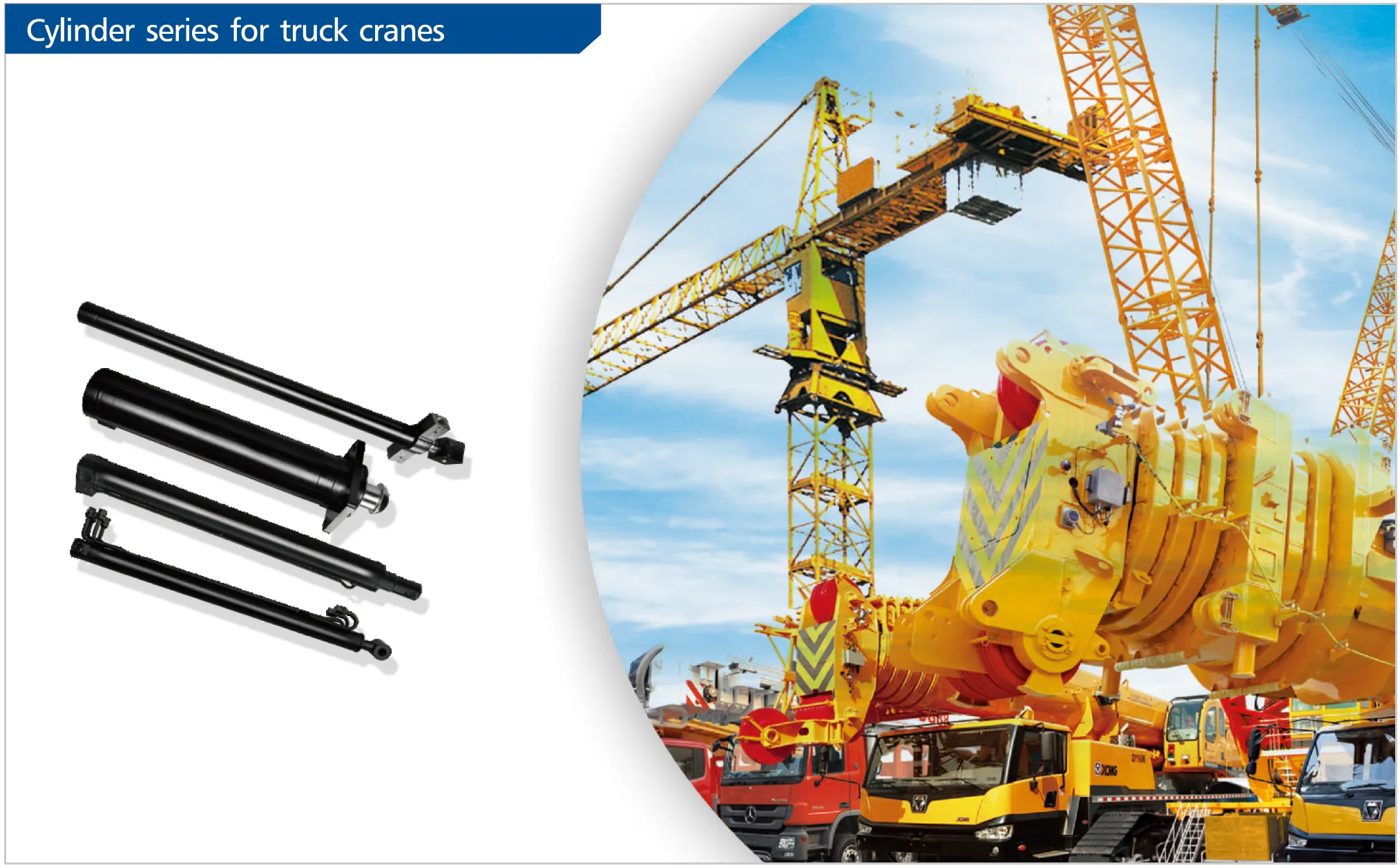
Hydraulic Cylinder for Truck Crane
What Are Crane Hydraulic Cylinders?
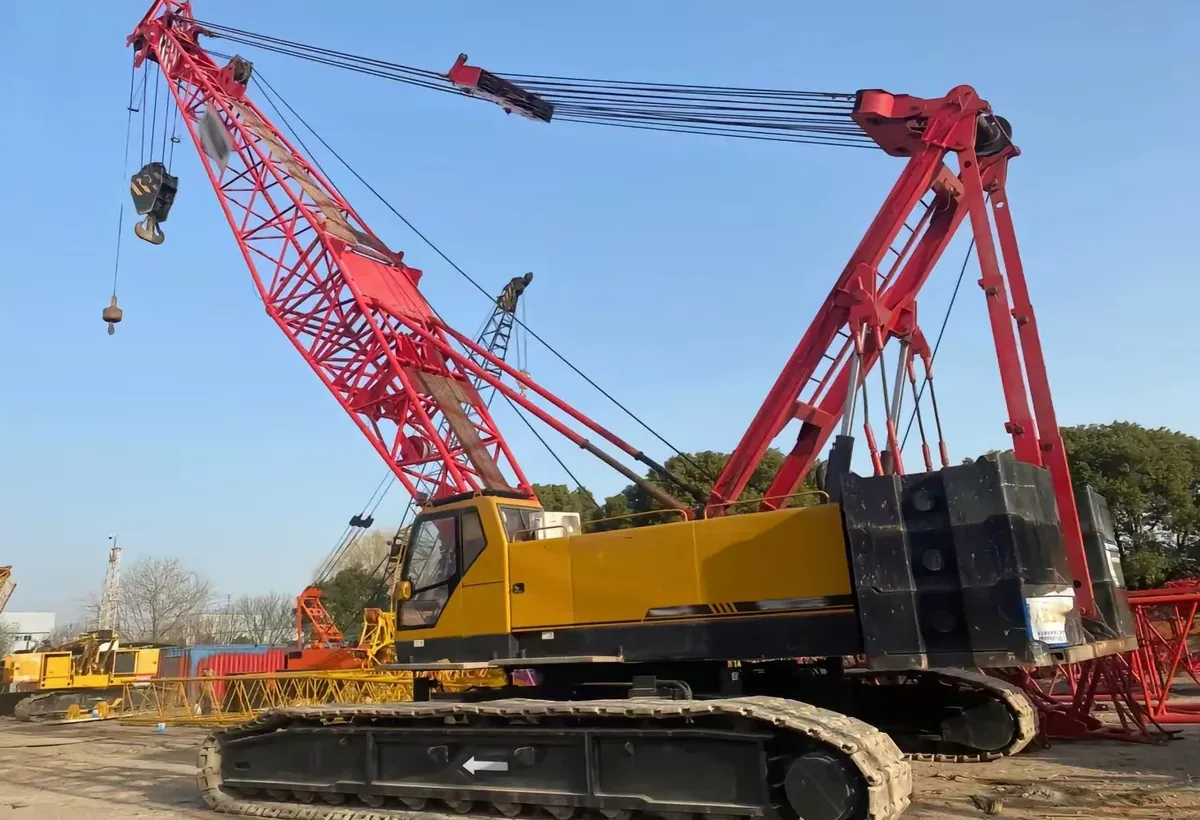
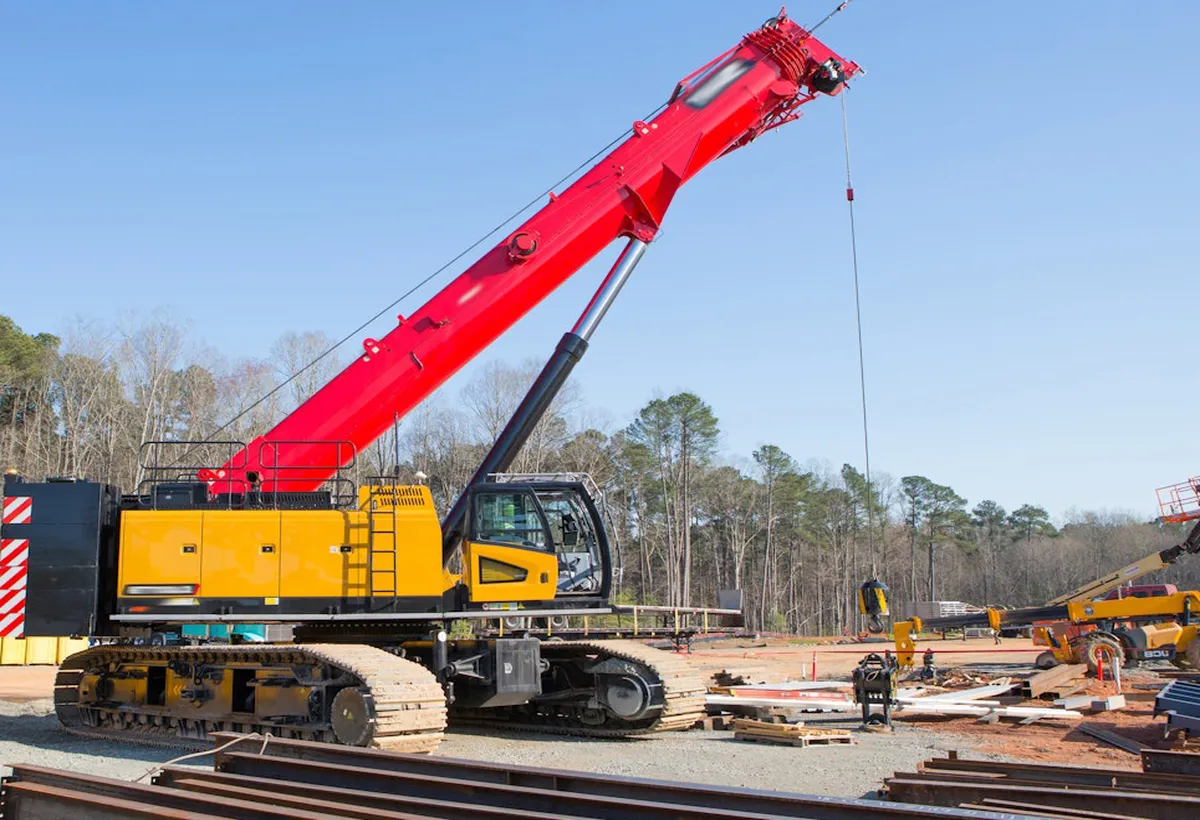
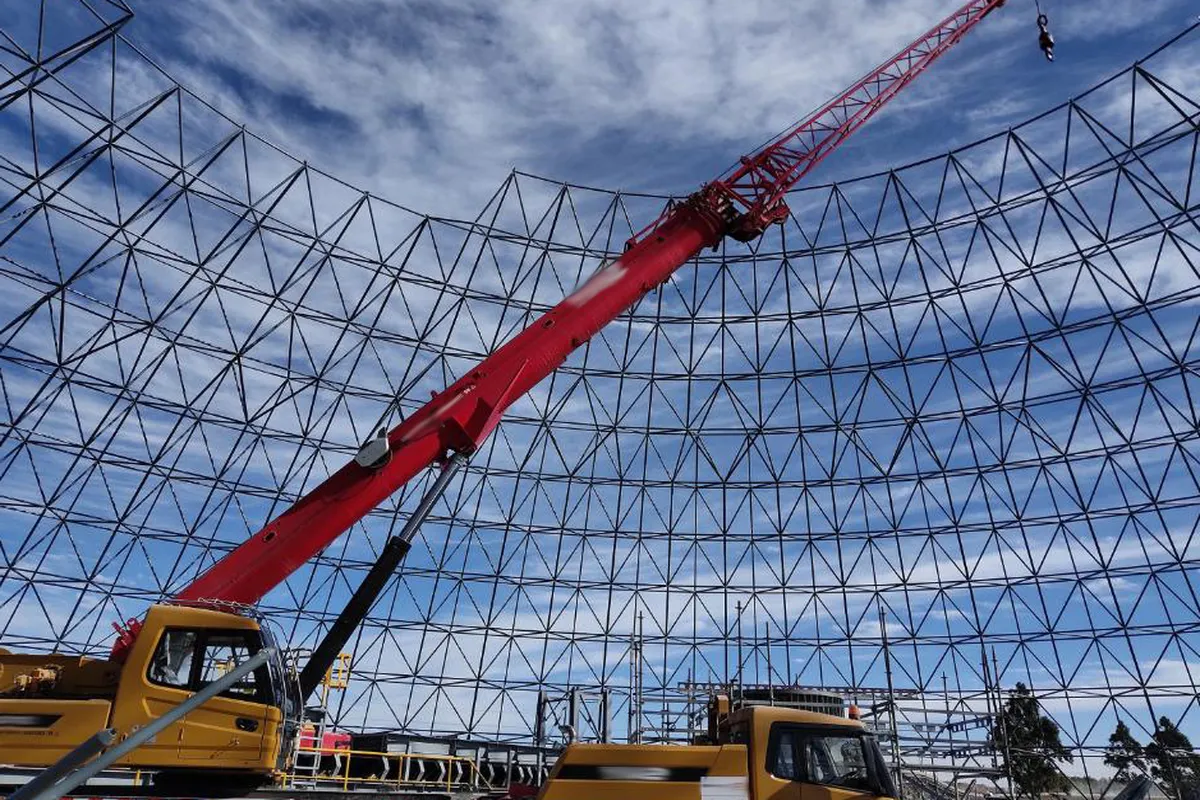
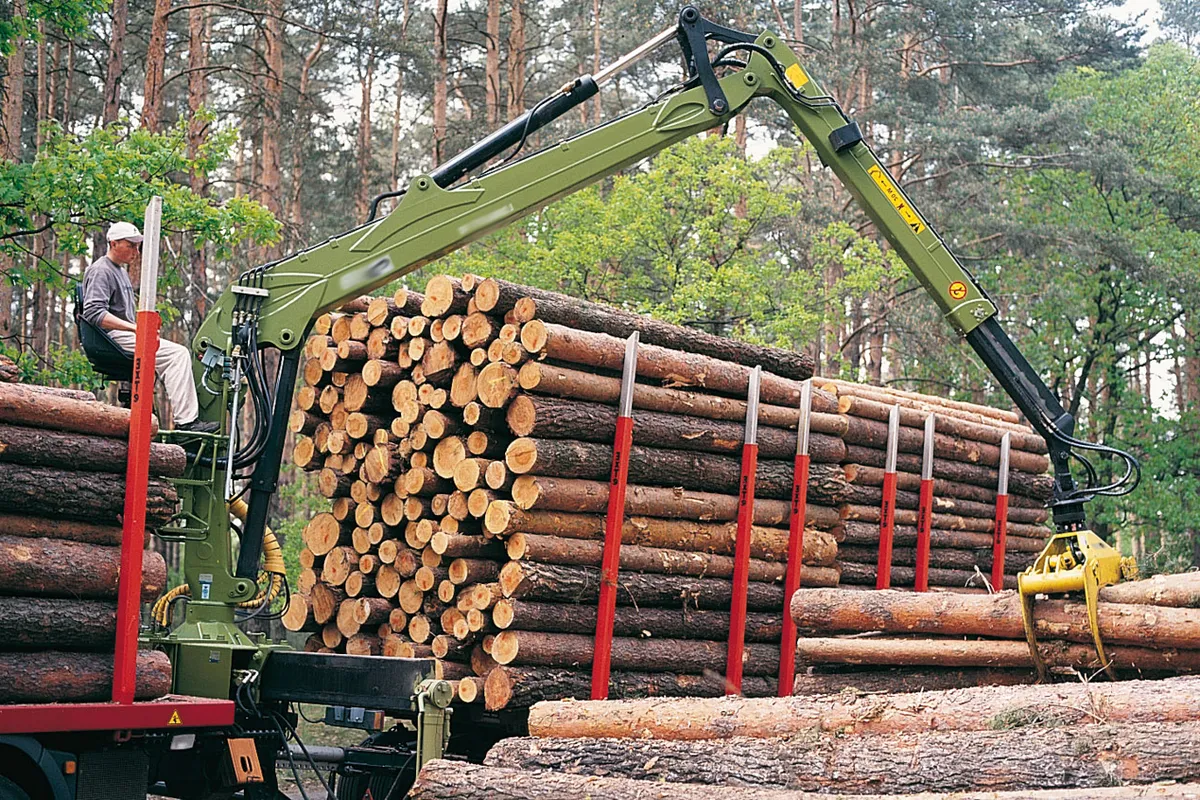
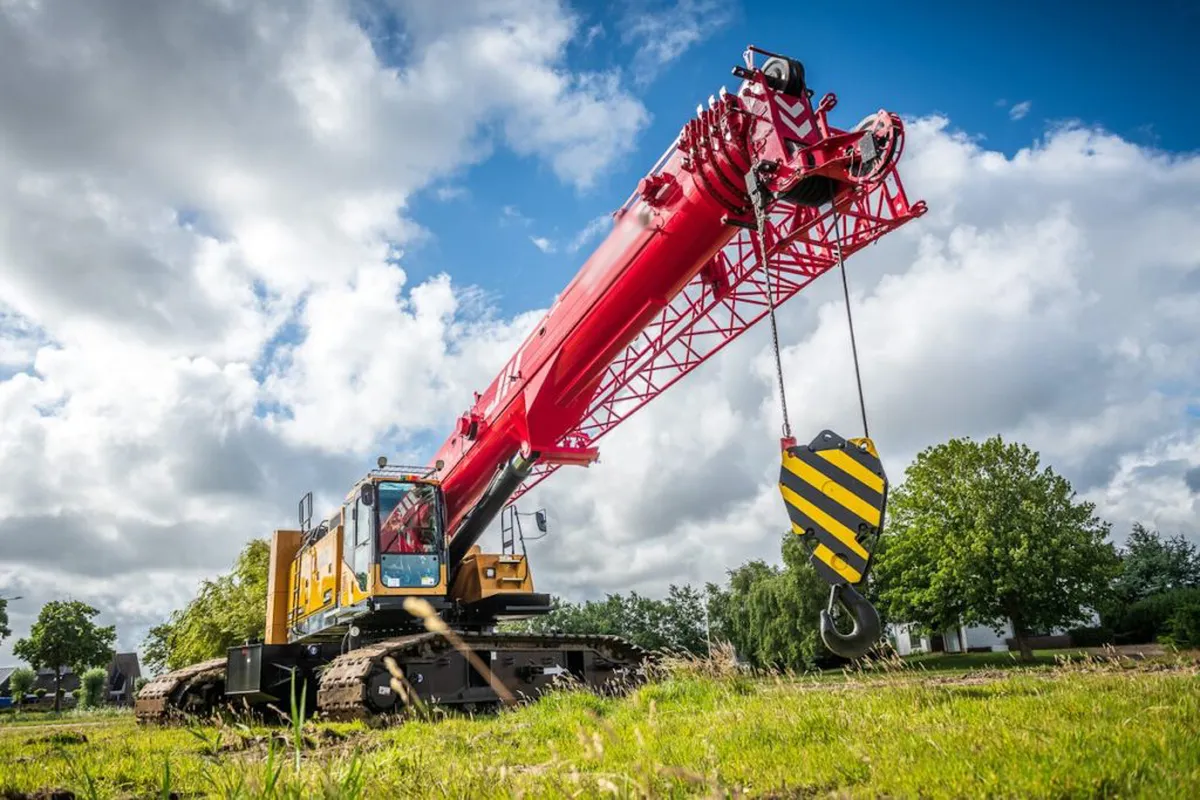
In telescopic crawler cranes, hydraulic cylinders are instrumental for the telescoping boom, enabling it to extend and retract smoothly, providing variable lengths for lifting operations. This allows for enhanced flexibility and precision, especially in confined spaces or complex job sites. In truss arm crawler cranes, hydraulic cylinders assist in controlling the movement of the lattice structure, ensuring stable and efficient operation when lifting or lowering loads. For car cranes, hydraulic cylinders are utilized to maneuver the boom and stabilize the crane during operation, allowing for safe and efficient load handling.
These cylinders are designed to handle extreme loads and harsh working conditions, ensuring durability and reliability. They are typically constructed with high-strength materials such as steel and equipped with seals to prevent leakage, ensuring consistent performance. Their functionality is critical to the efficiency, safety, and versatility of cranes in construction, industrial, and transportation applications.
Crane Hydraulic Cylinder Production Process
Material Selection and Preparation
Engineers carefully choose high-strength steel alloys for the cylinder barrel and piston rod to ensure durability under heavy loads in crane operations. The materials undergo rigorous inspection for defects, followed by precise cutting to specified lengths using advanced CNC machines, guaranteeing compliance with industry standards like ISO 9001 for quality assurance in manufacturing facilities.
Precision Machining of Components
The barrel is honed to achieve a mirror-like internal surface finish, reducing friction and extending seal life during crane lifting tasks. Piston rods are chrome-plated for corrosion resistance, with tolerances maintained within microns through lathe and grinding processes, supporting reliable performance in harsh outdoor environments.
Welding and Fabrication
Skilled welders join the cylinder ends using TIG welding techniques to create seamless bonds that withstand high pressures up to 300 bar. Post-weld heat treatment relieves stresses, and non-destructive testing like ultrasonic scans verifies integrity, essential for safe crane applications in construction sites.
Assembly of Internal Parts
Seals and pistons are installed with specialized tools to prevent damage, incorporating O-rings made from durable nitrile rubber for fluid containment. The assembly line follows strict protocols to align components perfectly, ensuring smooth hydraulic fluid flow and preventing leaks in demanding crane operations.
Pressure Testing and Quality Checks
Each cylinder is subjected to hydrostatic testing at 1.5 times the working pressure to simulate real-world crane stresses, monitoring for any deformations or failures. Functional tests verify extension and retraction speeds, with data logged for traceability and customer confidence in product reliability.
Surface Treatment and Final Finishing
Protective coatings such as epoxy paint are applied via electrostatic spraying for uniform coverage against rust in marine or industrial crane settings. Final inspections include dimensional verification and packaging with custom crates, ready for shipment to global clients with detailed documentation.
Crane Hydraulic Cylinder Components
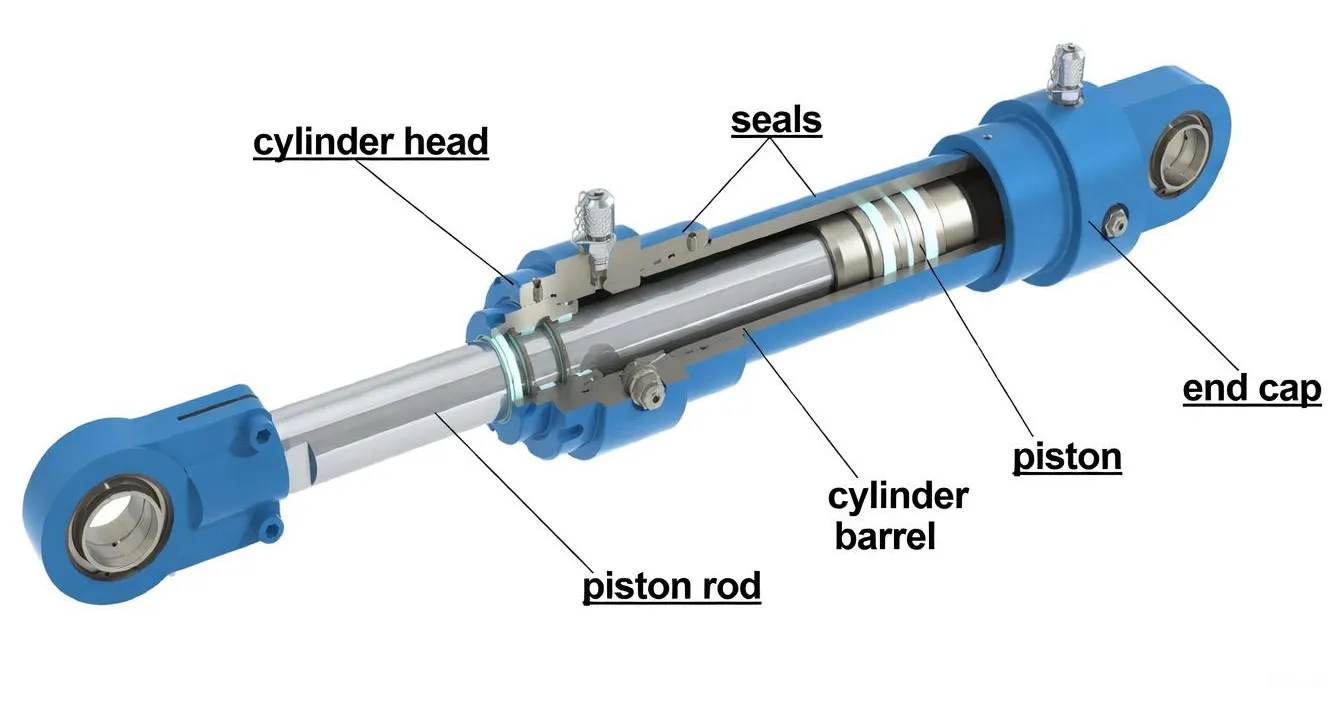
- Cylinder Barrel
Constructed from robust seamless steel tubes or forged alloys, this core element features a finely honed inner surface to minimize operational friction and enhance seal longevity in crane lifting tasks. It houses the hydraulic fluid, enabling smooth piston travel while withstanding pressures up to 350 bar, making it ideal for heavy-duty applications in construction and port operations where reliability prevents downtime. - Piston
Crafted from durable aluminum alloys or cast iron with a hard chrome coating for superior abrasion resistance, this component fits snugly within the barrel to separate the rod-side and cap-side chambers. It ensures efficient pressure transfer during extension and retraction, supporting loads exceeding 50 tons in crane booms, with integrated grooves for seals that maintain fluid integrity over thousands of cycles. - Piston Rod
Formed from high-carbon steel or specialized alloys and plated with 20-50 micrometers of chrome to combat rust and scratches, this extension connects directly to the piston at one end while linking to external mechanisms at the other. In crane environments, it delivers precise force transmission for tasks like material handling, requiring regular polishing to preserve surface smoothness and extend service life beyond 10,000 hours.
- End Caps
These sturdy closures, typically machined from steel with built-in guides and seal housings, secure the barrel’s extremities to contain internal pressures safely. They incorporate threading or welding for firm attachment, facilitating easy disassembly for maintenance in crane systems, where they play a key role in aligning the rod and preventing leaks during repetitive high-stress operations on job sites. - Seals
Comprising piston and rod variants made from resilient materials like polyurethane or nitrile rubber, these elements block hydraulic oil escape and bar external contaminants from ingress. Positioned strategically around moving parts, they endure temperatures from -40°C to 120°C in crane hydraulics, demanding periodic inspections to avoid failures that could compromise lifting precision and safety in industrial settings. - Cushioning Device (Optional)
Integrated into select crane hydraulic cylinders, this mechanism employs adjustable valves or orifices to gradually decelerate the piston near stroke ends, mitigating impact forces that could damage components during rapid movements. Commonly used in high-speed operations like boom extensions, it enhances equipment longevity by absorbing shocks, reducing noise, and preventing vibrations that might affect crane stability on uneven terrain.
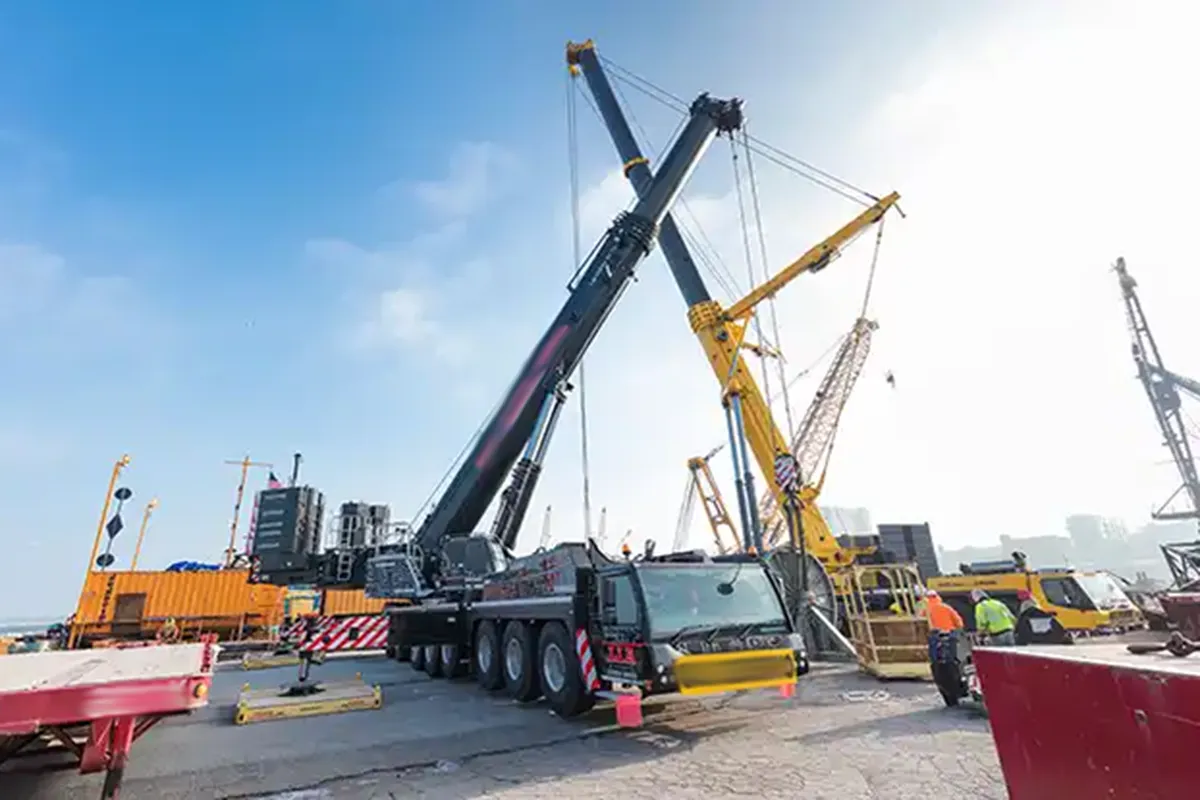
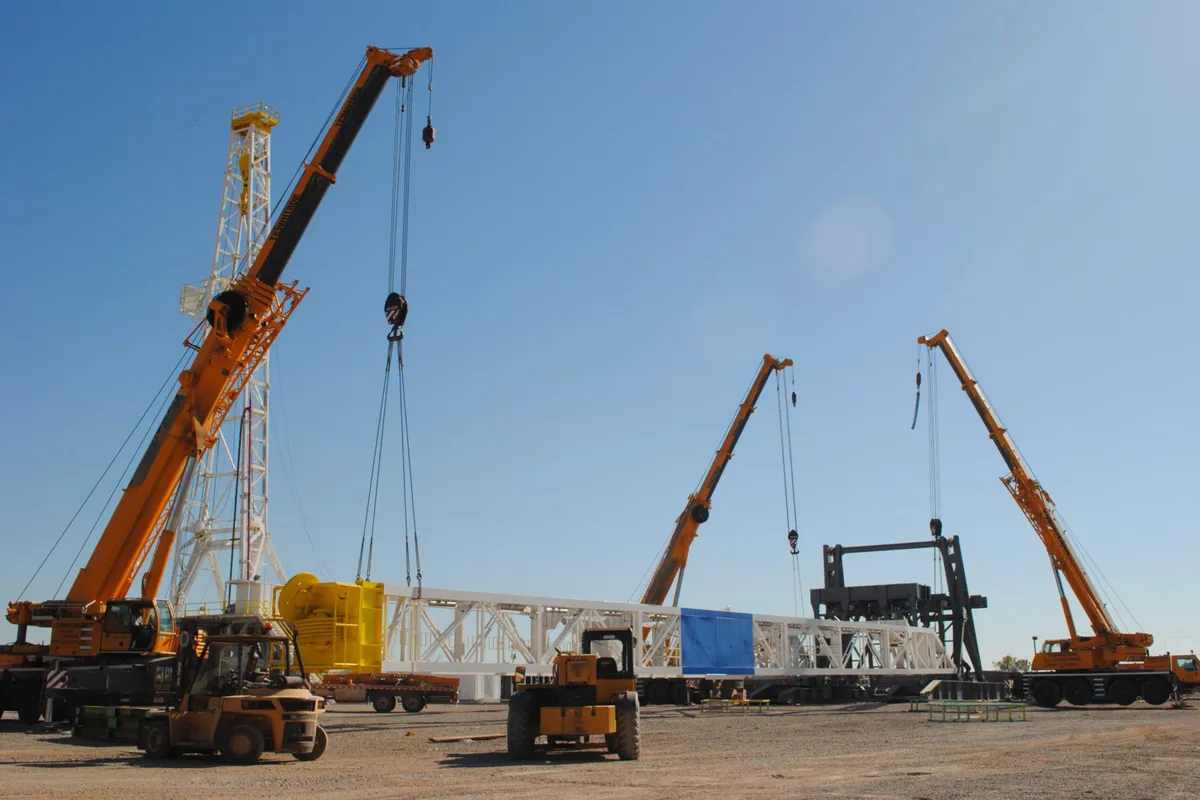
Crane Hydraulic Cylinder Applications
FAQs
How to Select the Appropriate Hydraulic Cylinder for a Specific Crane Model?
What Industries Commonly Use Crane Hydraulic Cylinders and Why?
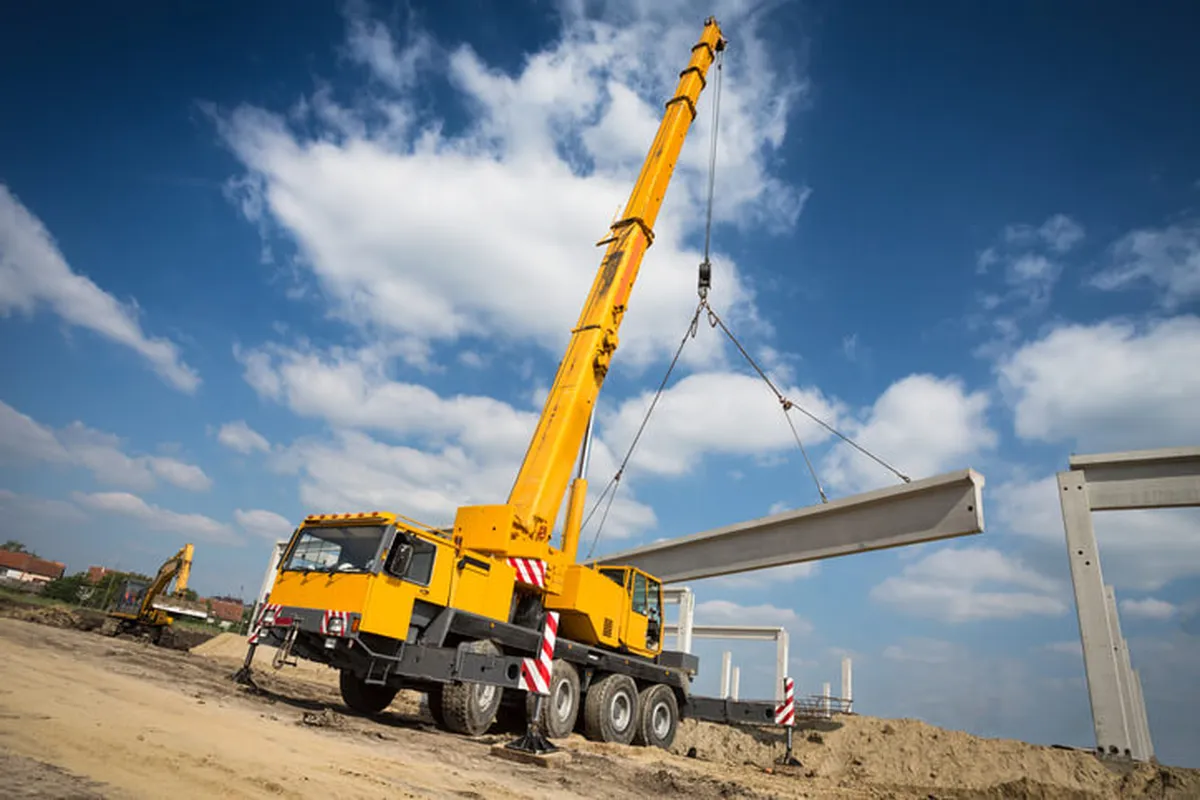
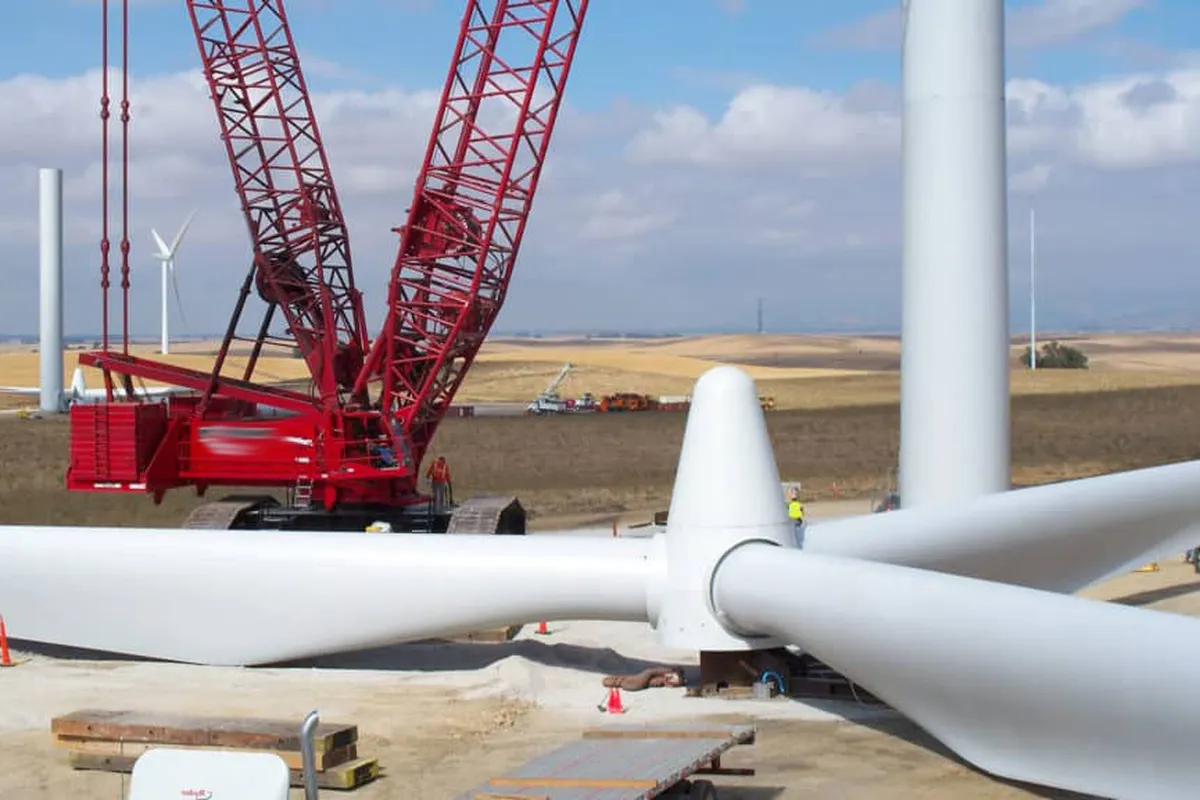
They are vital in construction for tower cranes lifting steel beams, in mining for draglines moving ore, and in maritime for harbor cranes unloading containers due to their high force output and precision. This versatility stems from durable designs that handle extreme loads while providing controlled movements, reducing downtime in high-stakes operations.
How to Properly Install a Hydraulic Cylinder in a Crane System?
How to Troubleshoot and Fix Leaks in Crane Hydraulic Cylinders?
What Causes Cylinder Drift in Cranes and How Can It Be Prevented?
How Often Should Crane Hydraulic Cylinders Be Inspected for Safety Compliance?
What Are the Warning Signs of Overheating in Crane Hydraulic Cylinders and Solutions?
Can Damaged Crane Hydraulic Cylinders Be Repaired Instead of Replaced?
What Materials Are Typically Used in Manufacturing Crane Hydraulic Cylinders?
What Safety Precautions Are Essential When Working with Crane Hydraulic Cylinders?
Customer Reviews
–Maria Gonzalez, Project Manager, Guadalajara
–Carlos Mendoza, Equipment Supervisor
–Ana Lopez, Construction Foreman, Mexico City
–Diego Ramirez, Mining Operator, Sonora
–Sofia Herrera, Fleet Manager, Monterrey
–Jorge Vargas, Maintenance Technician, Baja California