Forklift Hydraulic Cylinders
Forklift hydraulic cylinders are essential components in forklifts, responsible for converting hydraulic energy into mechanical force. These cylinders enable lifting, tilting, and steering functions by using pressurized hydraulic fluid to extend or retract the piston. Typically made of high-strength materials like steel, they ensure durability and precision under heavy loads. Their performance directly impacts the safety, efficiency, and reliability of forklift operations across industries.
Hydraulic Cylinder for Forklift
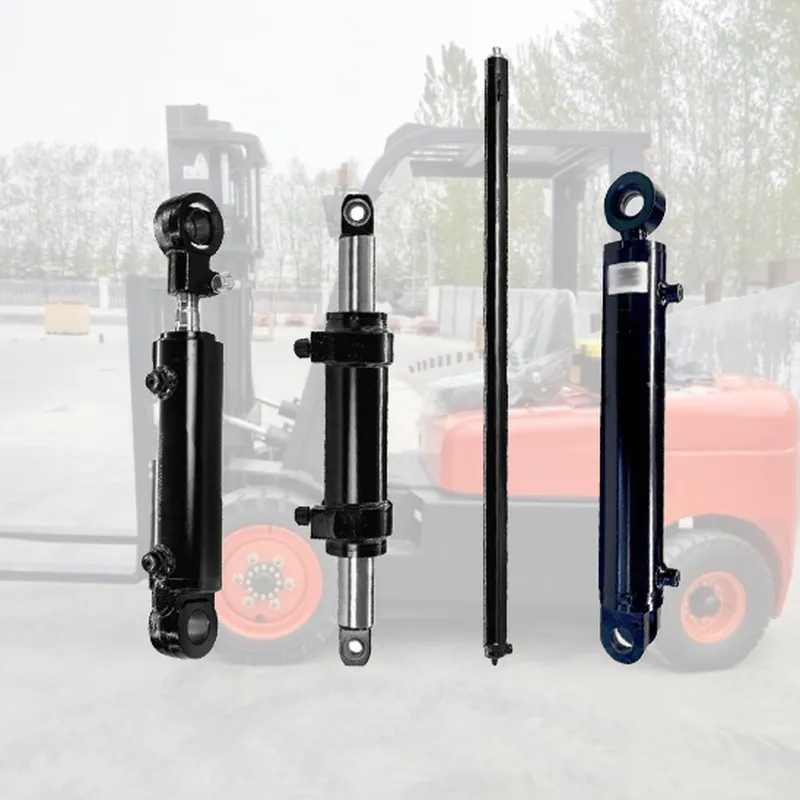
Hydraulic Cylinder for Small Tonnage Forklift
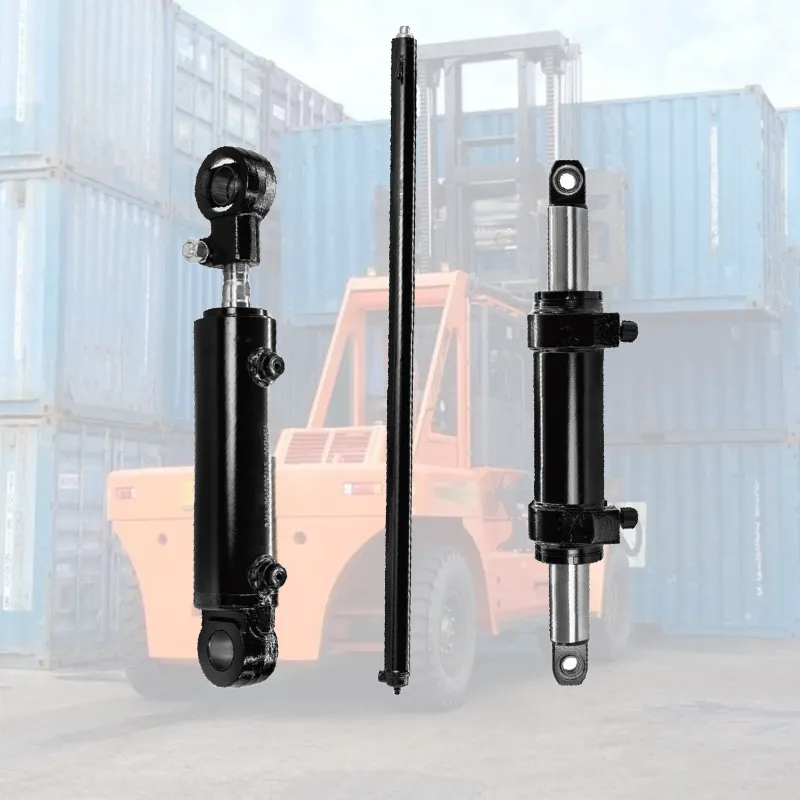
Hydraulic Cylinder for Large Tonnage Forklift
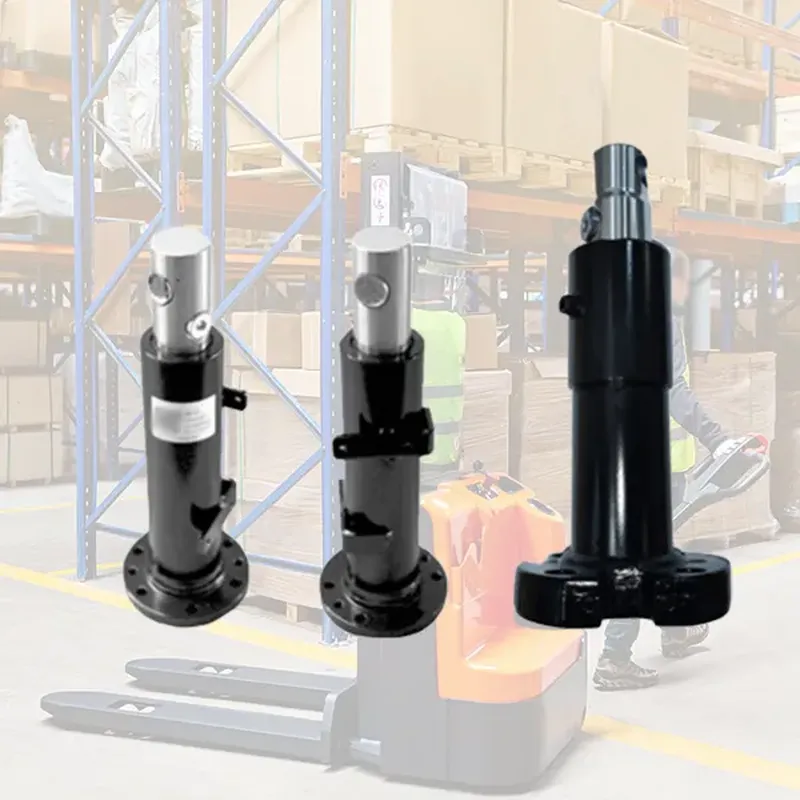
Hydraulic Cylinder for Warehouse Storage Forklift
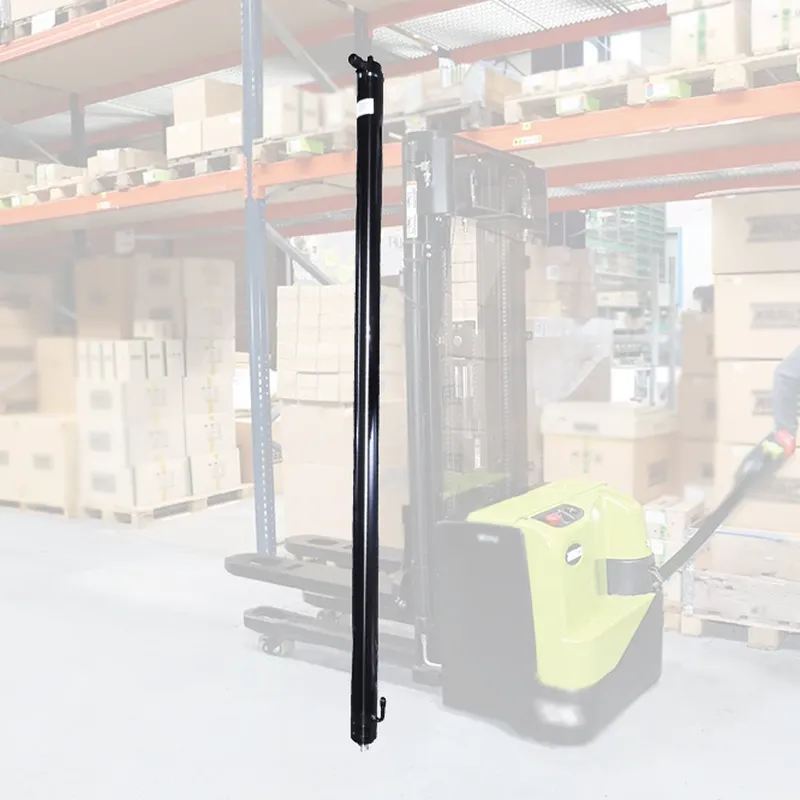
Hydraulic Cylinder for Pallet Stacker Truck
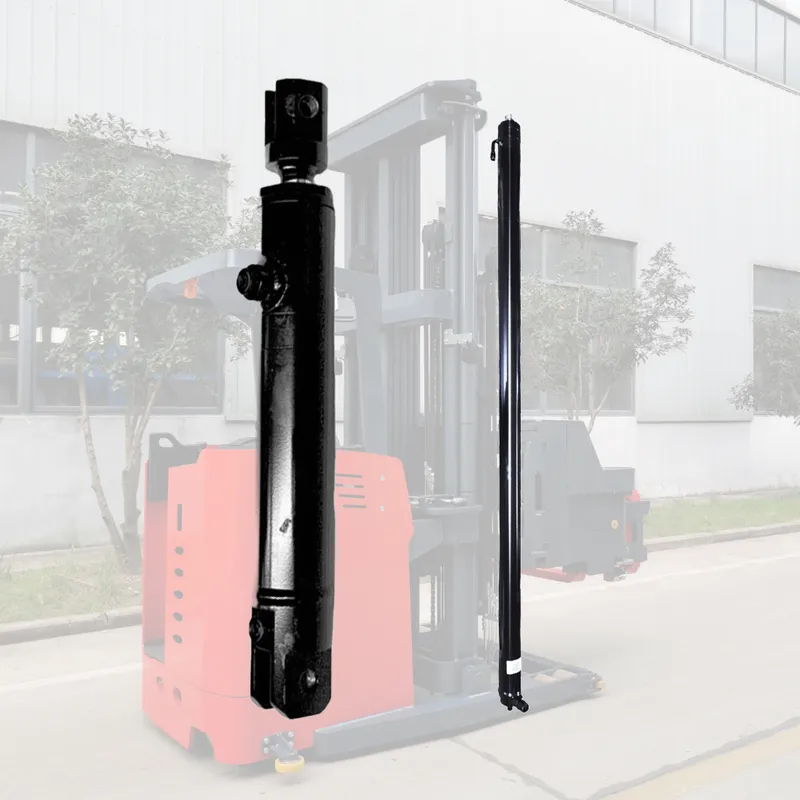
Hydraulic Cylinder for Forward Moving Forklift
Forklift Hydraulic Cylinder Production Process
1. Engineering & Planning
The design is finalized based on specific application requirements, including force, speed, and environmental factors. Detailed hydraulic calculations are performed to ensure the cylinder meets operational demands. Engineers also consider durability, safety, and compatibility with forklift systems during this stage.
2. Raw Material Preparation
High-quality steel tubing for barrels and solid steel for rods are carefully selected and cut to precise dimensions. Material quality is inspected to ensure durability and performance under heavy loads.
3. Machining Components
Barrels are bored and honed to achieve smooth, accurate internal surfaces, reducing friction and wear. Rods are turned, threaded, and crafted into specific diameters, often incorporating cushioning features. Pistons and end caps are cast, forged, or machined to precise tolerances, ensuring proper fluid flow and structural integrity.
4. Welding
Critical components, such as end caps, bosses, and mounting rings, are welded onto the cylinder barrel using advanced techniques like MIG, TIG, or robotic welding. This process ensures strong, leak-proof joints capable of withstanding high hydraulic pressures.
5. Heat Treatment & Coating
All parts undergo heat treatment to enhance strength and fatigue resistance. Surfaces are then cleaned, coated with protective finishes like chrome plating or powder coating, and shot-blasted to improve durability against wear, corrosion, and environmental exposure.
6. Assembly
Precision assembly of all components, including seals, wipers, bearings, and hydraulic ports, is performed to ensure a perfect fit. Strict tolerances are maintained, and lubrication is applied to enhance performance and extend the cylinder's lifespan.
7. Testing & Inspection
Cylinders undergo proof testing at pressures exceeding normal operating conditions to confirm safety and structural integrity. Performance tests ensure smooth operation, leak-free performance, and adherence to design specifications. A final inspection checks for cosmetic quality and dimensional accuracy.
8. Painting & Finishing
The cylinders are painted with forklift-specific colors and protective coatings to enhance appearance and resistance to environmental wear. They are then prepared, packaged, and labeled for shipment, ensuring they meet customer requirements and industry standards.
How Does a Forklift Hydraulic Cylinder Work?
1. Hydraulic Fluid Pressurization
The forklift’s hydraulic system pumps pressurized fluid, typically oil, into the cylinder. This fluid enters through an inlet port, creating force on the piston. The pressure generated by the hydraulic pump is proportional to the load being lifted, allowing precise control and smooth operation, even under heavy-duty conditions.
2. Piston Movement
Inside the cylinder, the pressurized hydraulic fluid pushes against the piston, causing it to move. This movement extends the piston rod outward, translating hydraulic power into mechanical force. The direction and speed of the piston movement depend on the fluid flow and system controls, enabling the forklift to perform tasks like lifting and tilting.
3. Load Lifting and Tilting
The extending piston rod transmits force to the forklift’s lifting mechanism, enabling vertical movement of the load. In tilt cylinders, the rod alters the angle of the forklift mast. This combination of lifting and tilting functionality allows the forklift to handle materials efficiently, ensuring stability and safety during operations.
4. Controlled Fluid Flow
A hydraulic control valve regulates the flow of fluid into and out of the cylinder. By adjusting the flow rate and direction, operators can control the cylinder’s extension and retraction. This precise control ensures smooth and accurate handling of loads, essential for safe operation in various industrial applications.
5. Retraction of the Piston Rod
When the control valve redirects the hydraulic fluid to the opposite side of the piston, it creates reverse pressure. This causes the piston rod to retract into the cylinder. Retraction is essential for lowering loads, resetting the forklift’s position, or preparing for the next lifting operation.
6. Sealing and Leak Prevention
High-quality seals within the hydraulic cylinder prevent fluid leakage and maintain pressure. These seals ensure efficient energy transfer and protect against contamination, which could damage internal components. Proper sealing is critical for the cylinder’s longevity, reliability, and safe operation under varying pressure and load conditions.
Application Industries
Forklift hydraulic cylinders are widely used across various industries to ensure efficient material handling and equipment functionality. In warehousing and distribution, they facilitate the movement of goods by enabling forklifts to lift and stack heavy loads. The construction industry relies on them for handling building materials, while agriculture uses hydraulic cylinders in forklifts for transporting crops, feed, and equipment. In mining and extractive industries, they support moving minerals and heavy machinery parts. The forestry sector benefits from its ability to lift and transport logs or timber efficiently. In oil and gas, hydraulic forklifts assist in moving heavy pipes and drilling equipment.

1. Warehousing and Distribution
Forklifts are indispensable in these sectors for efficient stacking, unloading, and movement of goods within warehouses and distribution centers.
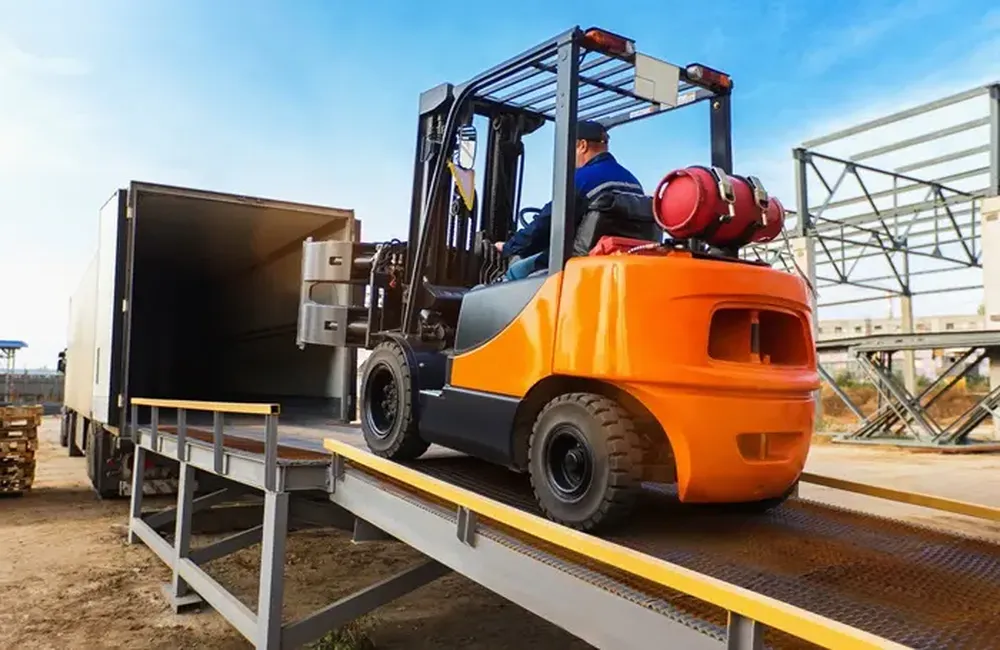
2. Manufacturing
Forklifts play a vital role in manufacturing plants, assisting in material handling, transporting raw materials, and positioning heavy machinery and equipment.
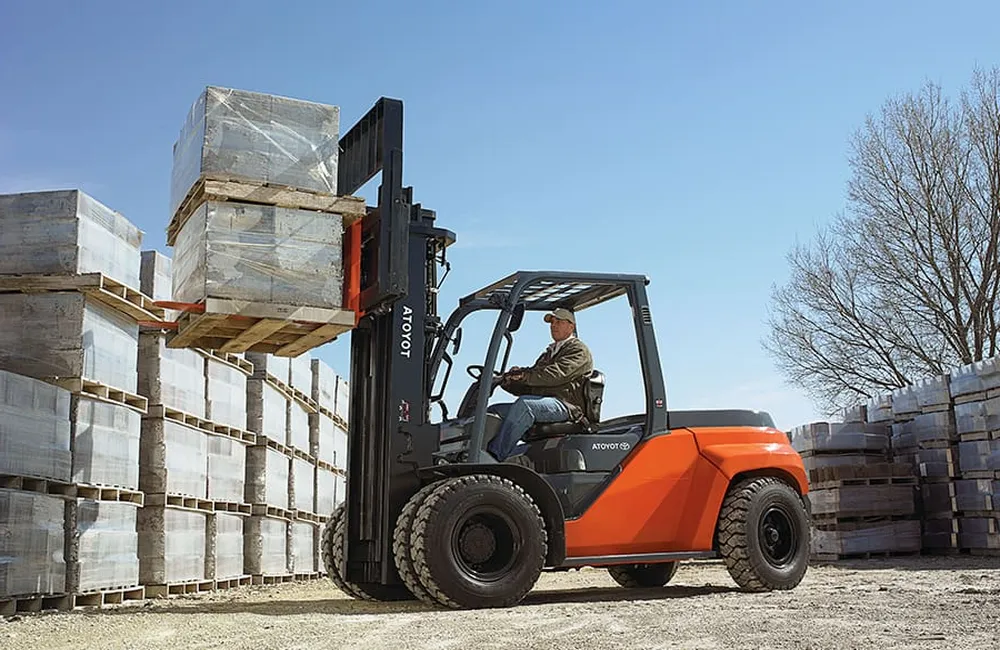
3. Construction
In construction, forklifts are essential for moving heavy building materials, machinery, and equipment around job sites.

4. Agriculture
Forklifts are used in agriculture for tasks like lifting and transporting bales of hay, loading and unloading crops, and handling farm equipment.

5. Retail
Retailers rely on forklifts for stock replenishment, moving pallets of inventory, and organizing storage in stores and distribution centers.
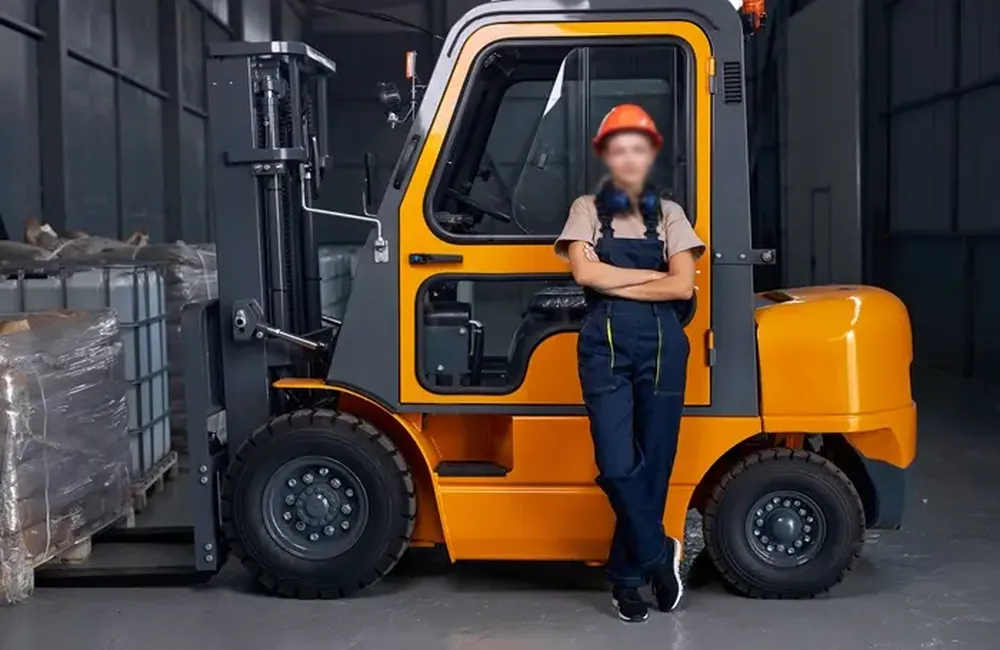
6. Automotive
Forklifts are integral to the automotive industry for moving vehicle components, assembling vehicles, and transporting finished cars within factories.

7. Mining and Extractive Industries
Forklifts help in handling heavy materials and equipment in mining and quarrying operations.

8. Oil & Gas
Forklifts are used in oil and gas facilities for various tasks, including moving equipment and handling materials.
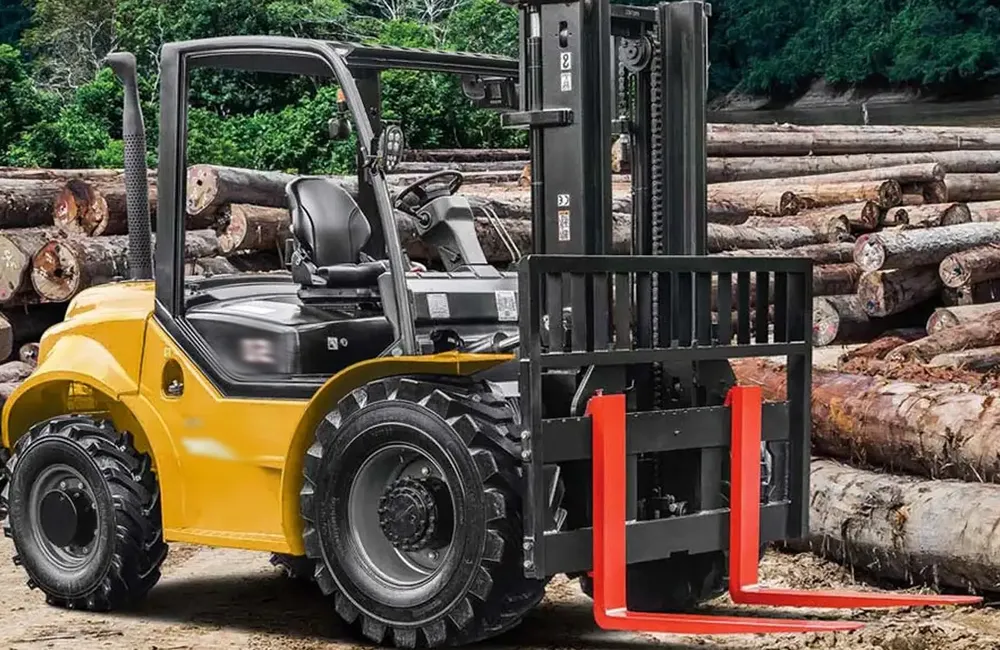
9. Forestry
Forklifts play a role in the forestry industry by assisting with the movement of logs and wood products.
Customer Reviews
– United States Customer
“We’ve been using these forklift hydraulic cylinders for over a year, and the results are outstanding. They handle our rough industrial environment with ease, showing no signs of corrosion or damage. The cylinders provide smooth and consistent performance even under extreme temperatures and heavy usage. Installation was simple, and the customer support team provided excellent guidance. These cylinders have significantly boosted our productivity, and we highly recommend them to anyone in need of reliable hydraulic components.”
– Australia Customer
– Germany Customer
– Brazil Customer
– France Customer
– Canada Customer
– Netherlands Customer
– Russia Customer
– India Customer