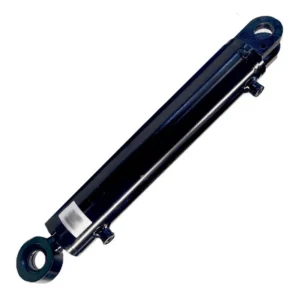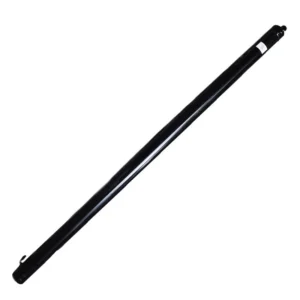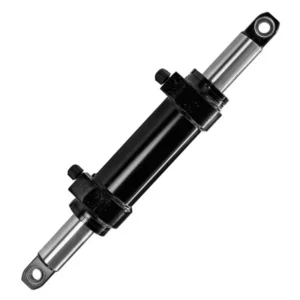
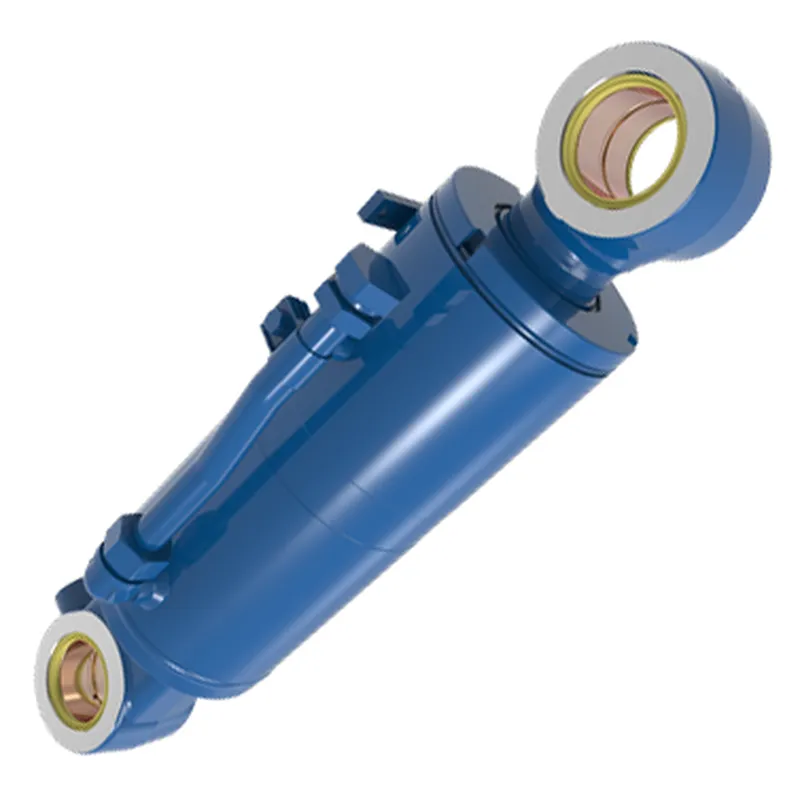
Hydraulic Blade Cylinder for Mini/Small Excavators
Discover durable hydraulic blade cylinders designed for mini and small excavators, offering precise control and robust performance in compact machinery applications. As a leading supplier of hydraulic cylinders, Mexico Ever-Power provides high-quality excavator hydraulic cylinders with bore diameters from 50mm to 140mm, ensuring reliable thrust up to 453KN for demanding tasks like grading and stabilization. Contact us for custom solutions that enhance your equipment’s efficiency and longevity.
Mini Excavator Hydraulic Blade Cylinder Overview
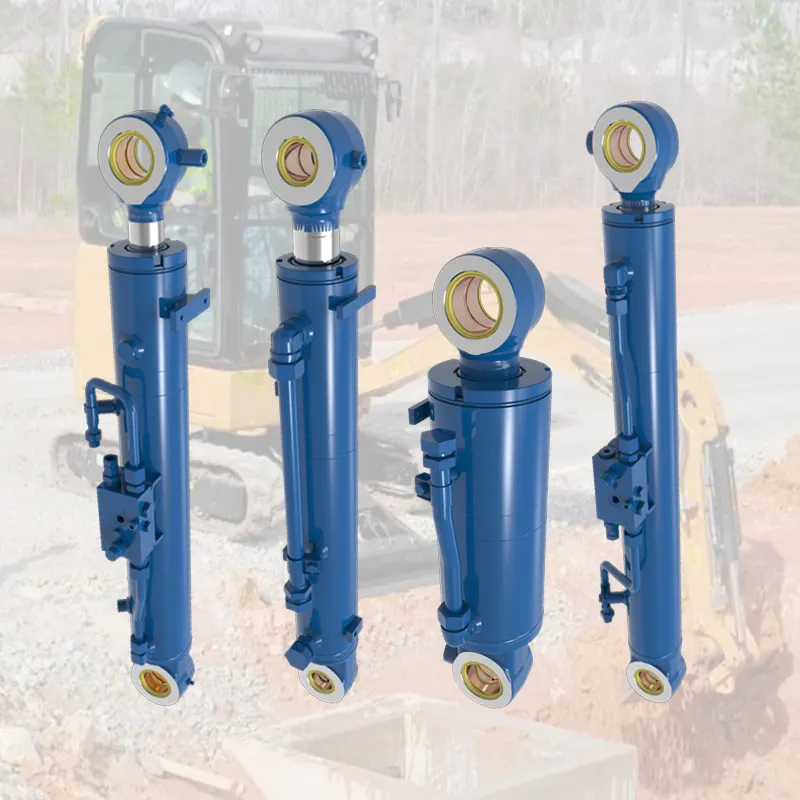
In the realm of compact construction equipment, the hydraulic blade cylinder stands as an essential component for mini and small excavators. This specialized device, often referred to as a blade hydraulic cylinder or dozer hydraulic cylinder, facilitates the controlled movement of the front-mounted blade, enabling operators to push materials, level surfaces, and stabilize the machine on varied terrains. Manufactured with precision engineering, these cylinders integrate seamlessly into hydraulic systems, converting fluid pressure into linear force for efficient blade adjustments.
At Mexico Ever-Power, we focus on producing excavator hydraulic cylinders that meet international standards, ensuring compatibility with a range of mini excavator models. Our products emphasize durability, with seals designed to withstand harsh environments, reducing the risk of leaks and extending operational life. This makes them ideal for professionals in landscaping, utility work, and small-scale construction who require reliable performance without compromising on machine compactness.
Technical Specifications
For specialized requirements beyond these standard specifications, such as extended strokes or custom bore sizes, please reach out to our team at Mexico Ever-Power for tailored consultations and manufacturing options.
| Product Name: | Mini Excavator Blade Hydraulic Cylinder |
| Function: | Control the action of the bulldozer. |
| Bore Diameter: | 50mm-140mm |
| Rod diameter: | 25mm-80mm |
| Stroke: | ≤250mm |
| Maximum pressure MPa: | 29.4MPa |
| Thrust Force: | 453KN |
Key Features of Excavator Hydraulic Blade Cylinders
The key features of excavator hydraulic blade cylinders revolve around their robust construction and operational reliability, tailored specifically for demanding tasks in compact machinery. These components are engineered with high-tensile steel bodies that endure repeated cycles under substantial loads, often exceeding 400 kilonewtons of thrust without compromising structural integrity. This strength is complemented by precision-machined pistons and rods, which minimize internal friction and ensure fluid-tight performance across a wide temperature range, from sub-zero conditions on construction sites to high-heat environments in industrial applications.
A standout attribute is the incorporation of advanced sealing systems, utilizing nitrile or polyurethane compounds that resist degradation from hydraulic fluids and contaminants. Such seals prevent common issues like pressure drops or leaks, which can lead to costly downtime. For instance, field tests conducted on various mini excavator models demonstrate that these cylinders maintain consistent extension and retraction speeds, even after thousands of hours of use, thanks to chrome-hardened surfaces on the rods that ward off corrosion and pitting.
Control precision is another critical feature, achieved through integrated cushioning mechanisms at the end of each stroke. This design absorbs impact forces, reducing vibration transfer to the excavator's chassis and extending the lifespan of connected components like linkages and blades. Operators benefit from smoother handling, which enhances maneuverability in tight spaces, such as urban utility digs or landscaping projects. Additionally, the double-acting functionality allows for bidirectional force application, enabling quick adjustments to blade angles without relying solely on gravitational return, a common limitation in older single-acting designs.
In terms of efficiency, the low internal volume design optimizes hydraulic fluid usage, contributing to better fuel economy for the host machine. Reports from users in sectors like agriculture and road maintenance indicate up to a 20 percent reduction in cycle times for tasks involving soil pushing or leveling, attributable to the cylinders' responsive dynamics.

Mini Excavator Hydraulic Cylinder Parts
- Cylinder Barrel
This primary tubular structure forms the core housing for the piston assembly within a mini excavator's hydraulic cylinder. Crafted from high-strength seamless steel tubing, it endures internal pressures exceeding 300 bar while maintaining structural rigidity during extension and retraction cycles. The interior surface undergoes honing to achieve a mirror-like finish, which minimizes frictional losses and promotes efficient fluid dynamics, ultimately enhancing the cylinder's operational lifespan in rugged construction environments. - Cylinder Head
Positioned at one extremity of the barrel, this component incorporates inlet and outlet ports for hydraulic fluid circulation, facilitating controlled pressure buildup. Typically secured via threaded connections or bolts, it integrates multiple sealing elements to contain system pressures without compromise. In mini excavator applications, the head's design allows for precise alignment with mounting brackets, ensuring seamless integration with the machine's boom or arm mechanisms and supporting reliable force transmission. - Cylinder Base
Located opposite the head, this foundational element serves as the anchoring point for attachment to the excavator's chassis or linkage systems. Constructed with reinforced flanges or clevis mounts, it distributes operational stresses evenly to prevent deformation under load. For compact machinery like mini excavators, the base often features threaded interfaces for secure bolting, contributing to overall stability during digging or lifting tasks and enabling straightforward disassembly for routine inspections. - Rod Seal
Essential for maintaining hydraulic integrity, this dynamic sealing ring encircles the piston rod to block fluid escape during reciprocating motion. Made from resilient materials such as polyurethane or nitrile rubber, it accommodates high-velocity strokes while resisting extrusion under elevated pressures. In the context of mini excavators, effective rod seals reduce contamination risks from external debris, thereby preserving fluid cleanliness and extending the interval between overhauls in demanding fieldwork. - Piston
As the central moving partition, this disc-shaped element segregates the cylinder into pressure and return chambers, converting fluid force into linear displacement. Forged from alloy steel or lightweight composites for balanced weight distribution, it features grooves for seal installation to ensure hydraulic isolation. In mini excavator setups, the piston's robust configuration handles asymmetric loads during excavation, promoting smooth actuation and contributing to the machine's precision in confined spaces. - Piston Rod
Extending from the piston through the head, this elongated shaft transmits mechanical output to attached implements like buckets or blades. Manufactured from chrome-plated high-tensile steel to combat corrosion and bending fatigue, it undergoes precision grinding for dimensional accuracy. Within mini excavators, the rod's hardened exterior withstands impacts from rocks or roots, ensuring consistent power delivery and facilitating quick repairs if surface damage occurs. - Piston Seal
This circumferential barrier fitted onto the piston periphery creates a fluid-tight interface with the barrel's inner wall, averting cross-chamber leakage that could impair efficiency. Utilizing lip-type or bidirectional designs in materials like fluorocarbon, it adapts to thermal expansions and pressure fluctuations. For mini excavator hydraulic systems, superior piston seals sustain differential pressures during heavy-duty cycles, minimizing energy losses and bolstering the cylinder's role in achieving optimal digging forces.
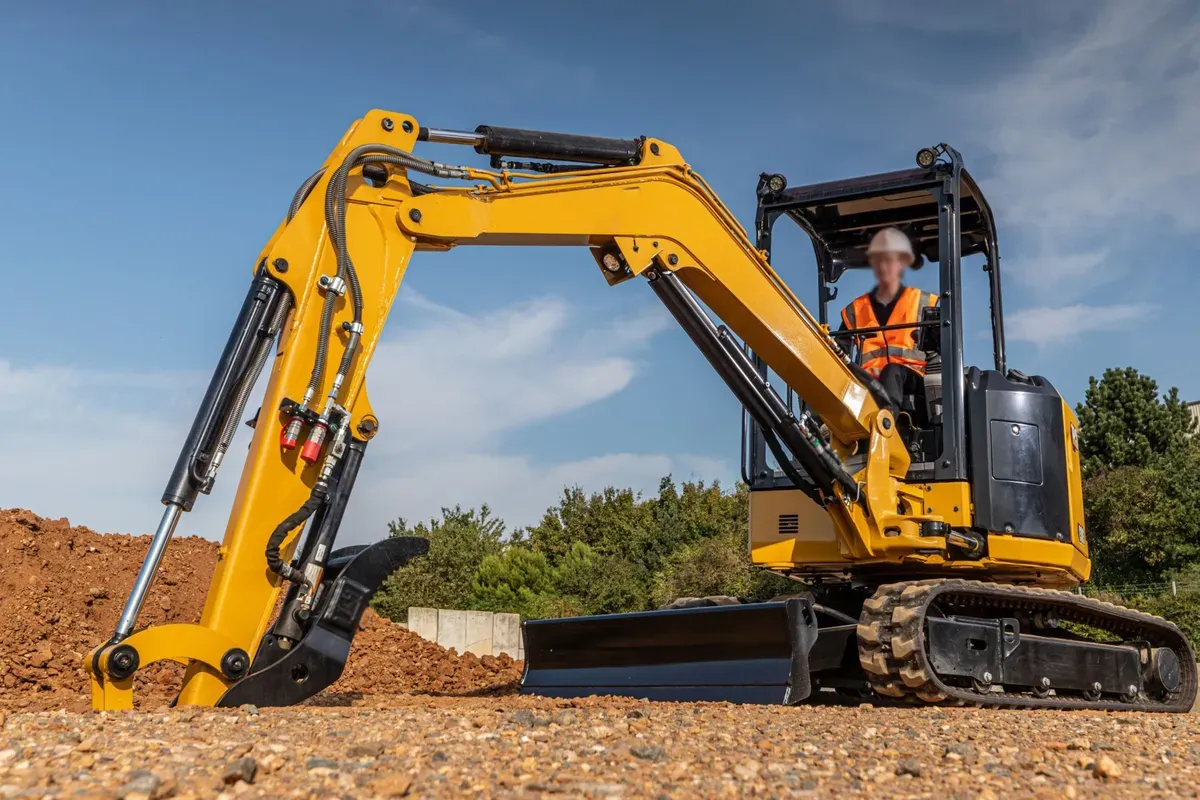
Types of Mini Excavator Hydraulic Cylinders
1. Bucket Hydraulic Cylinder
Positioned at the terminus of the dipper arm, this cylinder facilitates the articulation and orientation of the bucket during digging operations. It is engineered with a compact profile relative to other cylinders in the system, enabling precise manipulation of materials such as soil or gravel. Operators rely on its responsive extension and retraction to achieve controlled scooping and dumping actions, which are essential for efficient excavation in confined areas. The design often incorporates durable seals to withstand abrasive environments, ensuring longevity and minimal fluid leakage over extended use periods.
2. Boom Hydraulic Cylinder
Responsible for elevating and lowering the primary boom structure, this component delivers substantial lifting capacity through its robust construction and high-pressure tolerance. It generates considerable breakout force, allowing the excavator to penetrate resistant surfaces like compacted earth or rock. Typically featuring larger bore diameters, these cylinders support the machine's overall reach and stability, making them indispensable for tasks requiring vertical extension. Regular maintenance of hydraulic lines connected to this cylinder is crucial to prevent performance degradation due to contamination or wear.
3. Stick Hydraulic Cylinder
Commonly referred to as the dipper or arm cylinder, it drives the extension and contraction of the arm assembly that supports the bucket attachment. This enables the operator to adjust the digging depth and radius with accuracy, optimizing the machine's productivity in various soil conditions. Constructed with reinforced piston rods to handle torsional stresses, it plays a pivotal role in the kinematic chain of the excavator, contributing to smooth operational transitions. Its integration with the hydraulic system ensures balanced force distribution, reducing strain on adjacent components during repetitive cycles.
4. Swing Hydraulic Cylinder
Also termed a slew cylinder, this unit governs the rotational movement of the upper superstructure around a vertical pivot, facilitating directional changes without repositioning the undercarriage. It is particularly valuable in restricted workspaces, where precise slewing enhances maneuverability and safety. Engineered for bidirectional actuation, it allows for swift adjustments up to 360 degrees, supporting continuous operation in dynamic environments such as urban construction sites. The cylinder's mounting configuration often includes protective guards to shield against debris impact, promoting sustained reliability.
5. Hydraulic Blade Cylinder
Known alternatively as a dozer cylinder, it controls the vertical positioning of the front-mounted blade, which aids in material displacement and machine stabilization on uneven terrain. This functionality is vital for leveling surfaces or backfilling trenches, augmenting the excavator's versatility beyond mere digging. With a focus on compact integration suitable for mini models, it employs double-acting mechanisms for reliable raising and lowering under load. Operators appreciate its contribution to enhanced traction and balance, especially when navigating slopes or loose substrates, thereby improving overall site efficiency.

Applications of Blade Hydraulic Cylinder for Excavator
1. Construction Industry
In the construction sector, blade hydraulic cylinders on mini excavators enable precise site preparation by facilitating the leveling of ground surfaces and backfilling of trenches. These components support tasks such as foundation grading and debris clearance in urban developments, where compact machinery navigates confined spaces effectively. Their robust actuation allows operators to adjust blade positions for optimal material displacement, enhancing project efficiency while minimizing soil compaction issues common in residential and commercial builds.
2. Forestry and Logging
Within forestry operations, these cylinders assist mini excavators in trail maintenance and log handling by controlling blade movements to push aside underbrush or stabilize loads on uneven woodland terrain. They prove essential for creating firebreaks or clearing paths for heavy equipment access, with their durable design resisting impacts from roots and branches. Loggers benefit from the cylinder's ability to provide machine balance during slope work, reducing risks and improving productivity in remote harvesting sites.
3. Marine and Port
At marine facilities and ports, blade hydraulic cylinders equip mini excavators for dockside material management, including the spreading of gravel for surface stabilization or the removal of sediment buildup around piers. Their corrosion-resistant features suit saltwater environments, allowing reliable blade angling to handle bulk cargo like sand or aggregates without slippage. This application supports efficient cargo loading zones and infrastructure upkeep, ensuring safe vessel berthing amid tidal fluctuations.
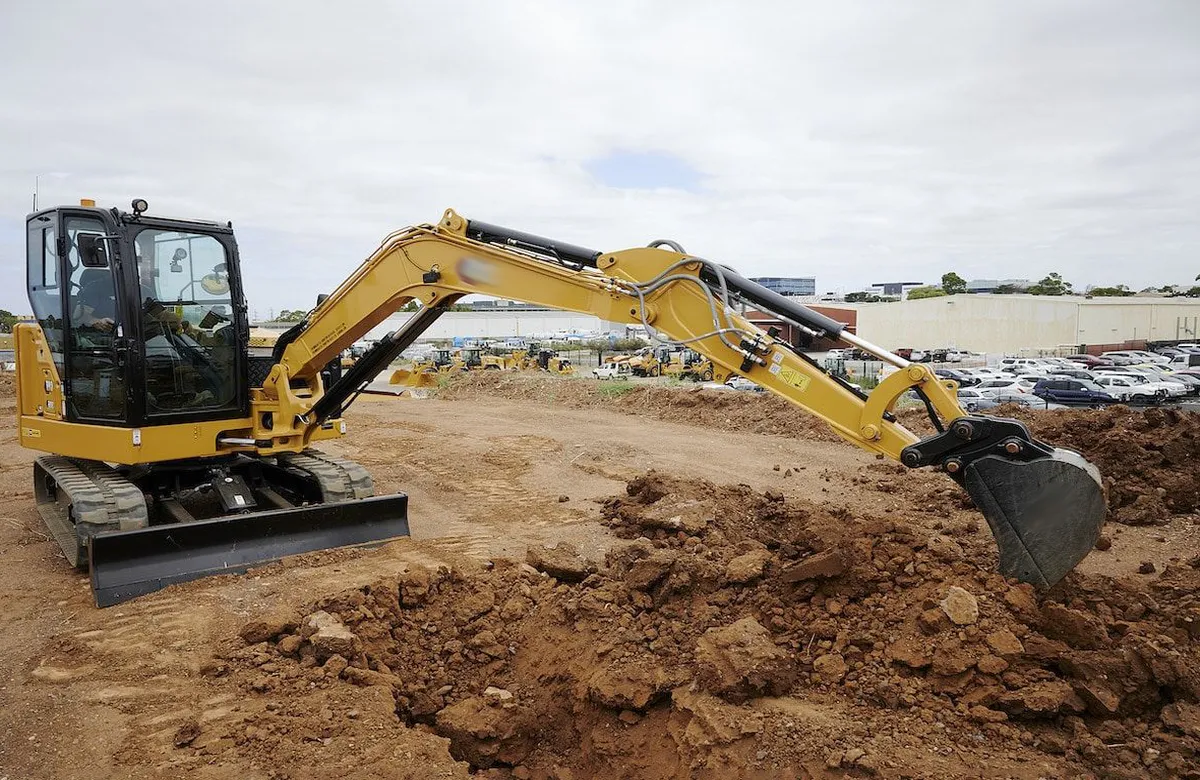
4. Mining Industry
In mining contexts, these cylinders on mini excavators aid in ore extraction support by enabling blade use for road leveling within pits or stockpiling loose minerals. They handle abrasive conditions effectively, with high-pressure tolerance for pushing overburden materials aside during exploratory digs. Operators utilize them to maintain access routes in underground or open-pit settings, contributing to operational continuity and safety by preventing equipment entrapment in shifting aggregates.
5. Agricultural Industry
For agricultural purposes, blade hydraulic cylinders facilitate mini excavator tasks like field contouring and irrigation ditch formation, where precise blade control shapes soil for optimal water flow and crop bedding. They assist in land reclamation efforts, such as removing stumps or grading pastures, with designs that accommodate variable soil types from clay to loam. Farmers rely on this functionality to enhance drainage systems and prepare seedbeds, ultimately boosting yield potential in diverse farming landscapes.
 |
 |
| Mining Industry | Marine and Port |
 |
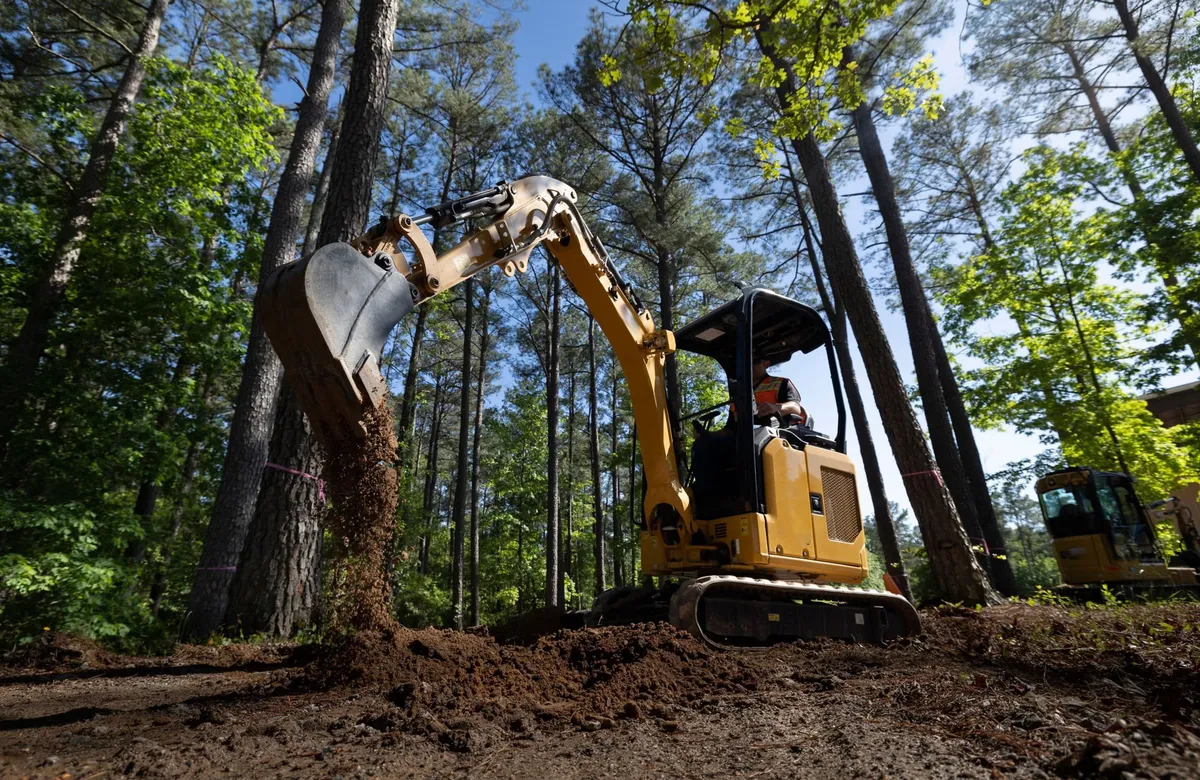 |
| Construction Industry | Forestry and Logging |
How to Remove Hydraulic Cylinder from Excavator
- Preparation for Safe Removal
Prior to initiating the removal process, position the mini excavator on a stable, level surface to prevent any unintended movement. Engage the parking brake, lower the blade fully to the ground, and shut down the engine completely. Implement lockout/tagout procedures on the controls to eliminate risks of accidental activation, and gather necessary tools including wrenches, pliers, a hydraulic jack, and safety gear such as gloves and eye protection. This foundational step ensures operator safety and protects surrounding equipment from potential damage during the procedure. - Relieving Hydraulic System Pressure
To avoid sudden fluid releases that could cause injury, carefully relieve residual pressure in the hydraulic lines connected to the blade cylinder. Cycle the control levers multiple times with the engine off to dissipate built-up energy, and open the filler cap on the hydraulic reservoir slowly to equalize internal pressures. Consult the excavator's service manual for model-specific valves or bleed screws that may need activation, thereby minimizing the chance of oil sprays and ensuring a controlled environment for subsequent disassembly tasks. - Disconnecting Hydraulic Hoses
Identify the inlet and outlet hoses attached to the blade cylinder ports, typically located at the cylinder head and base. Use appropriate wrenches to loosen the fittings gradually, allowing any remaining fluid to drain into a suitable container to prevent environmental contamination. Cap the exposed ends of the hoses and ports immediately with plugs to block dirt ingress and fluid loss, a practice that maintains system cleanliness and facilitates easier reassembly later on. - Supporting the Blade Assembly
Employ a hydraulic jack or sturdy support stands to securely hold the dozer blade in its lowered position, distributing weight evenly to avoid strain on remaining connections. This support is crucial as it prevents the blade from dropping unexpectedly once mounting hardware is removed, safeguarding both the operator and the machine's structural components from potential harm or deformation during the extraction phase. - Removing Mounting Pins and Bolts
Locate the clevis pins or retaining bolts at the cylinder's base and rod end, which secure it to the blade and excavator frame. Apply penetrating oil if corrosion is present, then use a punch and hammer to drive out the pins carefully, or loosen bolts with a torque wrench in a sequential manner to maintain alignment. Inspect these fasteners for wear upon removal, noting that replacement may be necessary to ensure reliable performance upon reinstallation. - Extracting the Cylinder
With supports in place and connections severed, gently maneuver the hydraulic blade cylinder away from its mounting points using manual lifting or a hoist for heavier units. Slide it out along its axis to avoid binding, and place it on a clean workbench for further inspection or repair. This final extraction step requires caution to prevent surface scratches on the rod, which could compromise seal integrity in future operations.
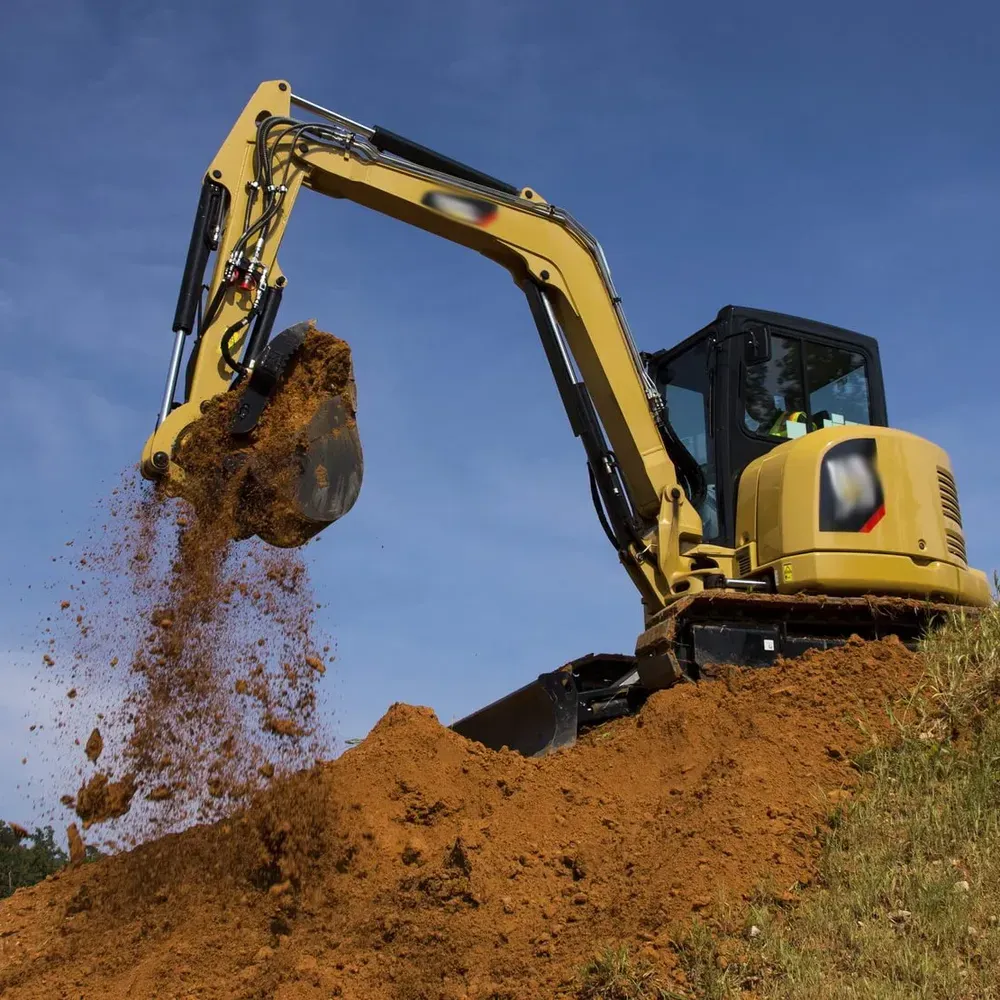
Why Choose Mexico Ever-Power's Excavator Hydraulic Cylinders?
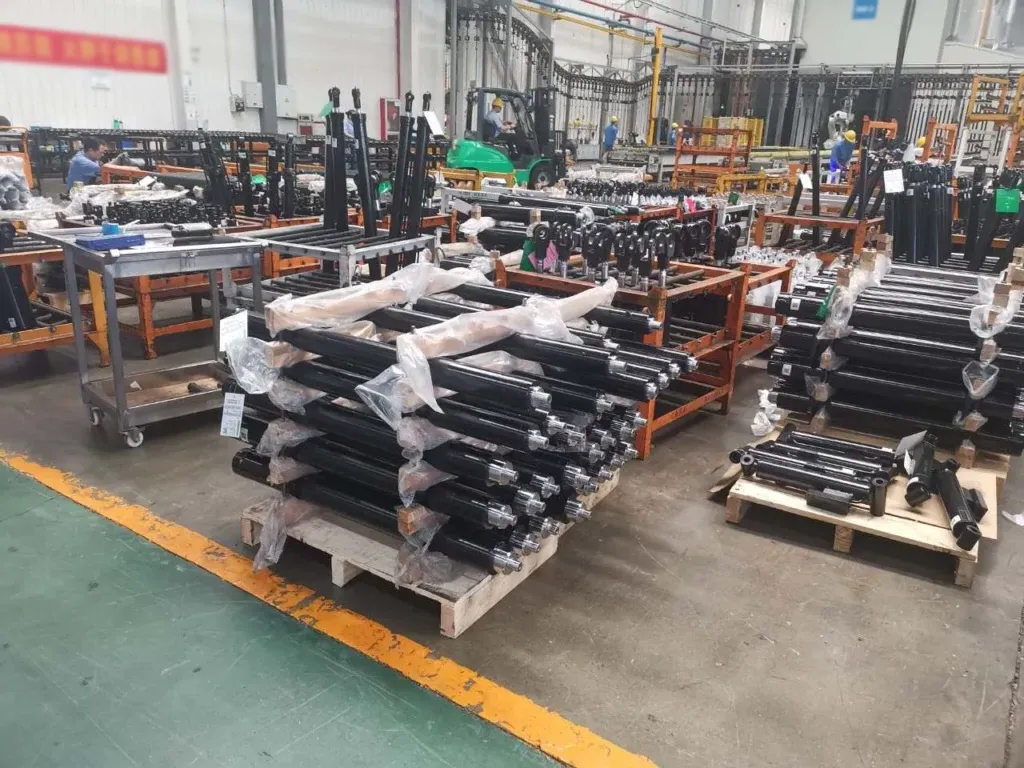
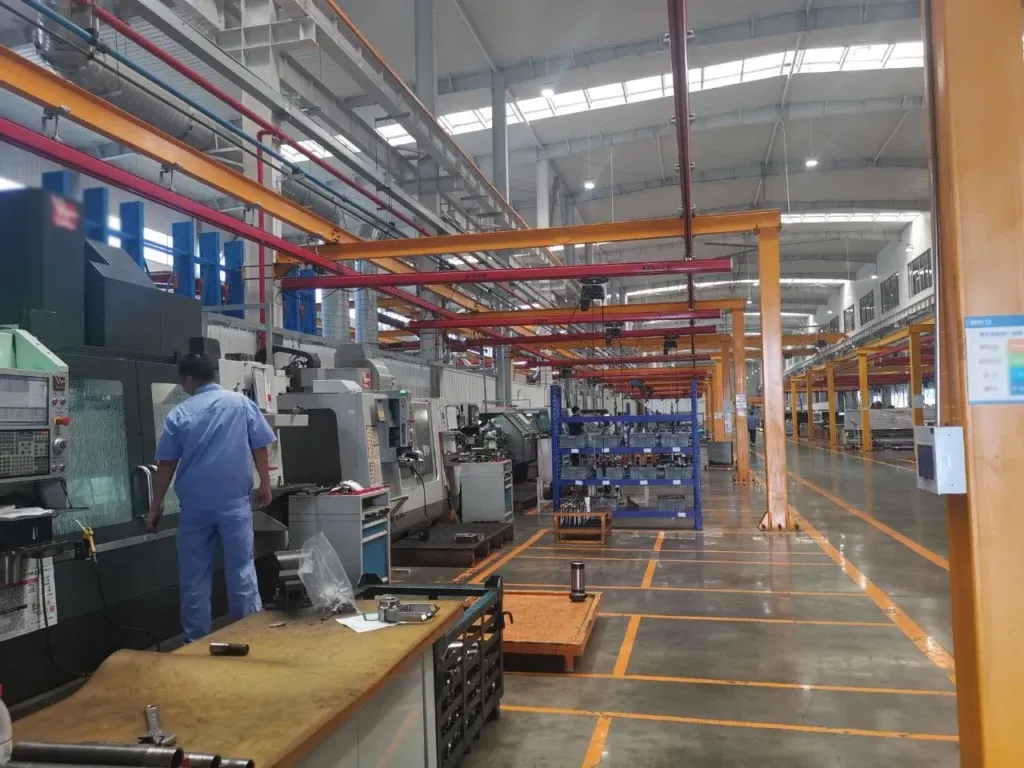
Selecting Mexico Ever-Power Hydraulic Cylinder Co., Ltd. for your excavator hydraulic cylinders represents a decision grounded in decades of specialized expertise and proven performance. Founded in May 1978 as a high-tech enterprise, the company has cultivated a strong foundation in producing mid- to high-end hydraulic components, with a primary emphasis on hydraulic cylinders tailored for demanding applications. Occupying 103 acres and employing more than 400 professionals, Mexico Ever-Power operates from its base in Mexico City, where it maintains an in-house research institute, a dedicated hydraulic product testing laboratory, and a high-tech R&D center. This infrastructure supports independent intellectual property development for critical technologies, enabling the creation of customized solutions that address specific needs in mini and standard excavator operations, such as precise blade control and robust load handling.
A key differentiator lies in the company's unwavering commitment to quality and innovation. By adhering to comprehensive quality assurance protocols and employing advanced production and testing methodologies, Mexico Ever-Power ensures that its excavator hydraulic cylinders surpass industry benchmarks for durability and efficiency. These products are integral to engineering machinery, delivering reliable hydraulic transmission that enhances machine stability, reduces downtime, and optimizes performance in challenging environments like construction sites or agricultural fields.
On a global scale, Mexico Ever-Power stands out as a premier supplier, exporting to over 53 countries spanning Asia, Europe, North America, South America, Africa, and Oceania. Strategic partnerships in major markets, including the United States, Germany, Australia, China, and Japan, facilitate timely deliveries and localized support, ensuring that clients receive components attuned to regional standards and operational demands. In North America, for instance, the company's advanced technology and responsive service have earned recognition, while in Europe, precision and longevity are highly valued. This extensive network not only guarantees quick sourcing of parts but also provides exceptional after-sales assistance, including technical consultations to resolve integration challenges or maintenance queries.
 |
 |
 |
 |
FAQs
Q: How do I choose the right hydraulic cylinder for excavator blade applications?
A: Selecting an appropriate excavator hydraulic cylinder for blade functions involves evaluating key specifications like bore diameter ranging from 50mm to 140mm, rod diameter between 25mm and 80mm, and stroke lengths up to 250mm to ensure compatibility with your mini excavator model. Factor in the machine's maximum pressure capacity, typically around 29.4MPa, and thrust requirements up to 453KN for demanding tasks. Consulting manufacturer guidelines for brands such as Caterpillar or Komatsu helps match the hydraulic cylinder for mini excavator thumb or blade needs, prioritizing welded designs for durability in construction or landscaping environments.
Q: What are common issues with mini excavator hydraulic cylinders and how to fix them?
A: Frequent problems in mini excavator hydraulic cylinders include fluid leaks stemming from degraded rod seals or piston seals, which can be addressed by replacing them with high-quality, corrosion-resistant alternatives made from polymer materials. Sluggish performance often results from contaminated hydraulic fluid; resolve this by flushing the system thoroughly and refilling with the recommended viscosity grade. For instances of uneven extension in a hydraulic cylinder excavator, inspect for air pockets and bleed the lines properly to restore smooth operation and prevent further component wear.
Q: How to maintain a hydraulic cylinder for mini excavator thumb and blade?
A: Maintaining a hydraulic cylinder for mini excavator thumb and blade requires monthly visual inspections of seals and rods for signs of wear or scoring, followed by lubrication of pivot points using manufacturer-specified grease to reduce friction. Change the hydraulic fluid every 500 operating hours or as indicated by usage intensity, ensuring filters are cleaned or replaced to avoid contamination. Additionally, prevent rod bending by avoiding overloads during tasks, which preserves the integrity of the mini excavator hydraulic cylinders and extends their service life in varied field conditions.
Q: What advantages does a double-acting excavator hydraulic cylinder offer?
A: A double-acting excavator hydraulic cylinder provides bidirectional powered movement, allowing forceful extension and retraction without relying on external forces like gravity, which enhances precision and control over single-acting variants. This design improves efficiency in blade adjustments for grading or pushing, reducing cycle times and operator effort in mini excavator applications. Furthermore, it contributes to better system balance, minimizing stress on connected components and supporting reliable performance in heavy-duty scenarios where consistent thrust is essential.
Q: Is the hydraulic blade cylinder compatible with all mini excavator brands?
A: While our hydraulic blade cylinders are engineered for wide-ranging compatibility, incorporating standard mounting configurations and specifications like bore and stroke dimensions, it is advisable to cross-reference detailed specs against specific brands such as Caterpillar, Komatsu, or Bobcat for a seamless fit. Variations in hydraulic system pressures or linkage designs may require minor adaptations, but our models often align well with common mini excavator hydraulic cylinder setups. For custom integrations, consulting technical data sheets ensures optimal functionality without compatibility issues.
Q: Can I customize a hydraulic cylinder excavator for specific stroke lengths?
A: Yes, customization options for a hydraulic cylinder excavator are available to accommodate stroke lengths beyond the standard limit of 250mm, tailored to unique machine requirements or operational demands. At Mexico Ever-Power, we offer modifications in bore sizes, rod diameters, and mounting styles through our dedicated R&D process, ensuring the cylinder integrates effectively with your mini excavator setup. Contact our technical team with detailed specifications to discuss feasibility and lead times for such bespoke solutions.
Q: What materials are used in hydraulic blade cylinders for durability?
A: Hydraulic blade cylinders incorporate high-strength steel for the barrel and piston to handle substantial pressures and impacts, paired with chrome-plated rods that provide superior resistance to corrosion, scratching, and pitting in harsh environments. Polymer-based seals, often utilizing nitrile or polyurethane compounds, ensure fluid containment and longevity under repetitive cycles. These materials collectively enhance the reliability of mini excavator hydraulic cylinders, making them suitable for prolonged exposure to moisture, dust, and abrasive conditions typical in fieldwork.
Q: How does temperature affect hydraulic cylinder for excavator performance?
A: Extreme temperatures can significantly impact a hydraulic cylinder for excavator by altering fluid viscosity; cold conditions thicken the oil, leading to slower response times and potential cavitation, while heat may thin it, causing leaks or reduced efficiency. To mitigate this, select fluids with appropriate viscosity ratings and incorporate warm-up procedures before full operation in low temperatures. Insulating lines or using heaters in severe climates helps maintain consistent performance in excavator hydraulic cylinder systems across varying weather.
Q: What safety precautions should be taken when installing a mini excavator hydraulic cylinder?
A: During installation of a mini excavator hydraulic cylinder, prioritize wearing appropriate protective gear including gloves, safety glasses, and steel-toed boots to guard against fluid sprays or falling parts. Bleed air from the hydraulic lines meticulously to prevent pressure surges, and conduct initial tests under no-load conditions to verify smooth function without leaks. Secure the machine on stable ground with the engine off, and follow lockout/tagout protocols to avoid accidental activation, ensuring a safe process that aligns with industry standards.
Customer Reviews
Maria Rossi, Construction Site Manager, Milan, Italy
"Our team has been relying on these hydraulic blade cylinders for our mini excavators in urban renovation projects for the past 14 months, and the difference in performance is noticeable right away. The 120mm bore diameter version we selected for our fleet excels at handling wet clay soils without any slippage or pressure loss, even during Italy's rainy fall seasons. What really sets Mexico Ever-Power apart is their attentive service—when we needed clarification on compatibility with our older models, their experts responded within a day with detailed diagrams. No issues with leaks or failures so far, and the overall build quality has cut our maintenance stops by half."
John Smith, Landscaping Contractor, New York, USA
"In the bustling city environment where space is always at a premium, the precision offered by this blade hydraulic cylinder on our 2-ton mini excavator has been a game-changer for leveling tight backyards and pathways. We've had it in service for 18 months now, with a 200mm stroke that allows for fine adjustments without overshooting, and not a single leak despite constant exposure to dust and debris. The excavator hydraulic cylinder's robust seals hold up well, but it's the customer support from Mexico Ever-Power that impressed me most—they sorted out a small installation query over the phone in under an hour, saving us from downtime."
Sophie Leclerc, Equipment Manager, Paris, France
"The build quality of these hydraulic cylinders for excavator blade applications stands out in our utility maintenance work around the city, where reliability is key to avoiding disruptions. Our units, featuring a 140mm bore, have logged over 1,000 hours pushing gravel and stabilizing trenches, and the seals remain intact with zero wear evident during inspections. The thrust force easily manages compacted surfaces, but what we value most is Mexico Ever-Power's service attitude—they proactively shared free maintenance guides that have streamlined our routines and prevented minor issues from escalating."
Emily Johnson, Heavy Machinery Operator, Toronto, Canada
"This top-quality mini excavator hydraulic cylinder has flawlessly enhanced blade control for our precise trenching needs in infrastructure projects, integrating without hitches into our existing setup. After nine months of use in freezing Canadian winters, the 250mm stroke model maintains consistent operation with no drop in efficiency or signs of frost-related damage to the seals. Mexico Ever-Power's support team was incredibly responsive when we inquired about customizations for our hydraulic cylinder for mini excavator thumb attachments, handling everything promptly and making the entire procurement process straightforward."
Hans Müller, Mining Operations Lead, Berlin, Germany
"In our quarry operations, the excavator hydraulic cylinder's durability shines through when dealing with abrasive rock and dirt, where the blade hydraulic cylinder's 453KN thrust force pushes materials aside effortlessly without buckling under pressure. We've incorporated the 70mm rod diameter into our mini fleet for over a year, and it withstands daily vibrations and impacts remarkably well, extending our shift productivity. Mexico Ever-Power's engineering advice during selection was spot-on, and their warranty support has been reliable, quickly addressing a minor query on fluid compatibility to keep us running smoothly."
Takashi Yamamoto, Forestry Supervisor, Tokyo, Japan
"These hydraulic blade cylinders have proven essential for our mini excavators in woodland clearing tasks, offering precise control to level paths and stabilize the machine on sloped terrain without slippage. The 100mm bore model we've deployed for 10 months handles moist forest soils effectively, with polymer seals preventing any ingress of debris. What stands out is Mexico Ever-Power's efficient logistics—our order arrived ahead of schedule from across the Pacific, complete with detailed installation notes that minimized setup time and got us back to operations swiftly."
Additional information
| Edited by | Yjx |
|---|