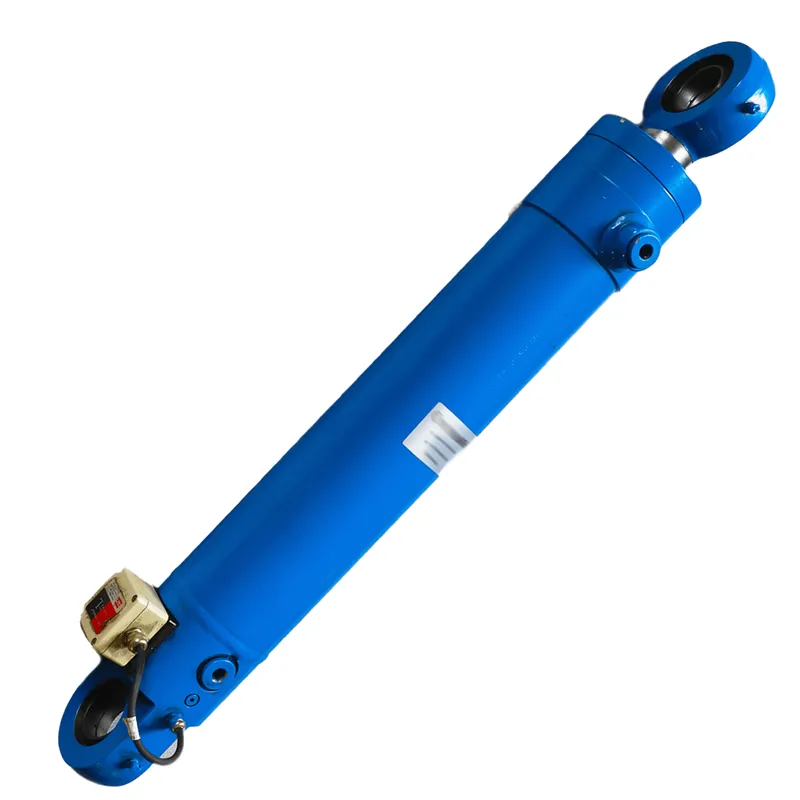
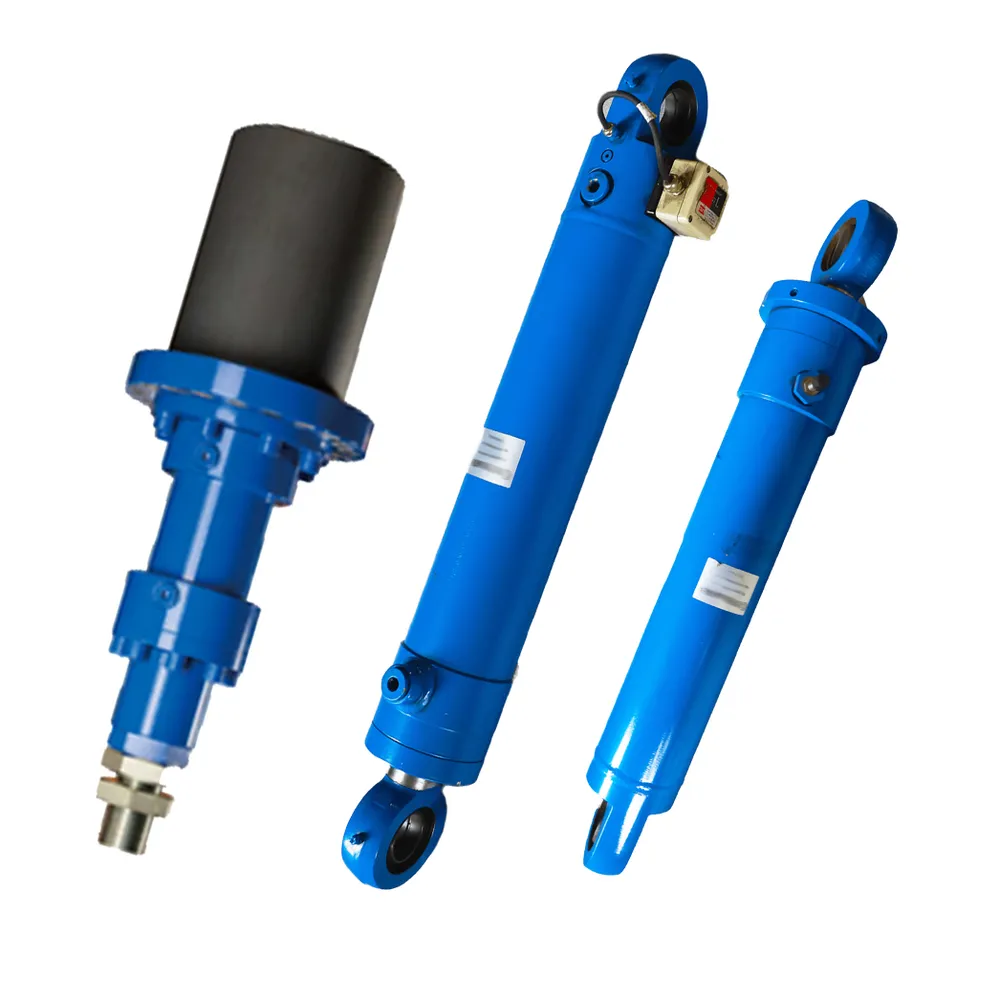
Hydraulic Control Cylinder for Wind Turbines
Hydraulic control cylinders for wind turbines are critical components designed to manage and regulate the movement of key turbine systems. These cylinders play a vital role in controlling the pitch of the blades, ensuring that the angle of the blades adjusts dynamically to optimize energy capture from the wind while minimizing structural stress. By utilizing hydraulic pressure, these systems provide precise and reliable control, even under extreme weather conditions, ensuring the turbine operates efficiently and safely over its lifespan.
Wind Turbine Hydraulic Control Cylinder Overview
In the realm of renewable energy production, hydraulic control cylinders play a pivotal role in ensuring the operational efficiency of wind turbines. These specialized components are engineered to manage the precise movements required for optimal turbine performance, particularly in adjusting blade positions to capture wind energy effectively. Manufactured with robust materials to withstand harsh environmental conditions, such as strong winds and varying temperatures, these cylinders integrate seamlessly into the turbine's hydraulic system.
The design of a hydraulic control cylinder for wind turbines emphasizes durability and precision. Typically constructed from high-strength steel alloys with corrosion-resistant coatings, these cylinders feature advanced sealing mechanisms to prevent fluid leaks and maintain consistent pressure. Their ability to handle high loads while providing smooth actuation is crucial for minimizing wear on turbine components. In practical terms, this means reduced downtime and lower maintenance costs for wind energy facilities. Our products are tailored to fit various turbine models, ensuring compatibility and ease of integration. By incorporating feedback from field applications in regions like coastal Mexico, where salt exposure is a concern, we refine our designs to enhance longevity and reliability in real-world settings.
Technical Specifications
For any additional customization needs, such as extended stroke lengths or specialized coatings for extreme environments, please contact our team at Mexico Ever-Power for tailored solutions.
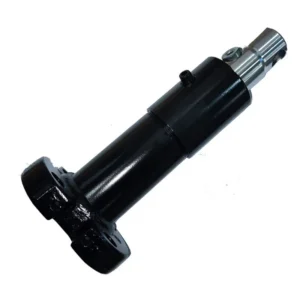
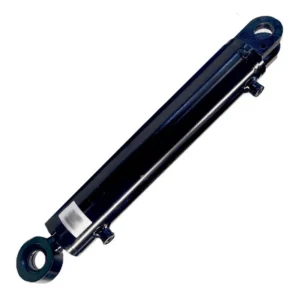
| Product Name: | Control Hydraulic Cylinder |
| Function: | Control blade pitch. |
| Cylinder diameter: | 100mm |
| Rod diameter: | 60mm |
| Travel: | 410mm-416mm |
| Maximum pressure: | 16MPa |
| Maximum thrust: | 45KN |
Features of Hydraulic Control Cylinder for Wind Turbine
Hydraulic control cylinders serve as essential components in wind turbine systems, delivering reliable performance under demanding conditions. Their design incorporates several critical attributes that enhance functionality, safety, and longevity, making them indispensable for efficient renewable energy production.
1. Durability and Material Composition
Engineers select high-strength alloys, such as chrome-plated steel or specialized stainless variants, for the barrel and piston rod to withstand extreme mechanical stresses. These materials receive advanced surface treatments, including multi-layer coatings resistant to abrasion, UV degradation, and chemical exposure from environmental factors like salt-laden air in coastal regions or dust in arid zones. In Mexico's varied landscapes, from the dry expanses of the Sonoran Desert to the humid Gulf Coast, this robustness prevents premature failure, ensuring cylinders endure cycles of expansion and contraction without compromising structural integrity. Such durability translates to extended service intervals, often exceeding 10 years in standard operations, which supports cost-effective maintenance for wind farm operators.
2. Precision Actuation and Control
A core strength lies in the integration of sophisticated valves and feedback sensors that enable exact positioning. These elements allow for micrometer-level adjustments in blade pitch, optimizing aerodynamic efficiency across fluctuating wind speeds—from gentle breezes to forceful gusts up to 50 meters per second. Certain models feature bidirectional hydraulic circuits, which facilitate rapid extension and retraction while minimizing energy consumption through efficient fluid recycling. This precision not only boosts turbine output by up to 15 percent in variable conditions but also integrates seamlessly with automated control software, allowing real-time adaptations based on sensor data from anemometers and load monitors.
3. Safety Mechanisms
Built-in safeguards, including dual-redundant seals and automatic pressure relief systems, mitigate risks of hydraulic failure. These mechanisms activate during overloads, such as sudden wind shear, by venting excess pressure to avoid catastrophic damage to the turbine nacelle or blades. Operators benefit from features like emergency feathering, where the cylinder swiftly rotates blades to a neutral position, reducing rotational stress and preventing structural overloads. Compliance with international standards, such as those from the International Electrotechnical Commission (IEC), underscores their reliability in high-stakes environments.
4. Modular Design and Maintenance Flexibility
The modular architecture permits straightforward disassembly and component swaps, eliminating the need for full unit overhauls. This approach accommodates diverse hydraulic fluids, from mineral-based to eco-friendly synthetics, giving technicians options tailored to specific site conditions. As a result, downtime drops significantly, with routine servicing achievable in hours rather than days, preserving operational continuity for large-scale wind installations.
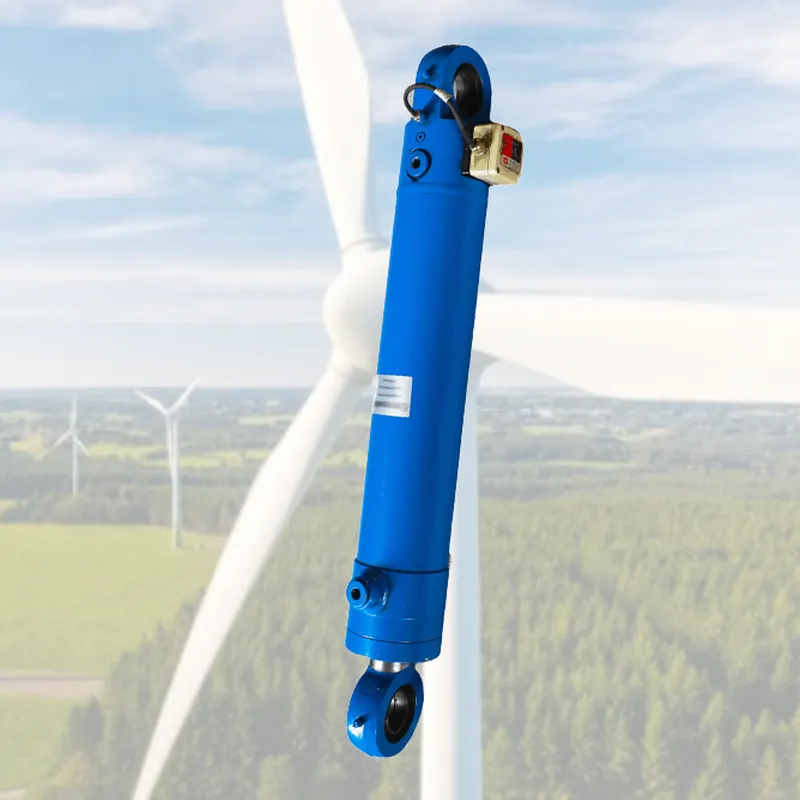
Wind Turbine Control Hydraulic Cylinder Components
- Cylinder Barrel
This tubular structure forms the main body of the hydraulic cylinder, crafted from robust steel alloys to contain pressurized fluid while resisting deformation under heavy loads. In wind turbine applications, it must endure cyclic stresses from blade adjustments, often featuring internal honing for smooth piston movement and external coatings to protect against corrosion in exposed outdoor environments, ensuring operational reliability over extended periods. - Piston
Positioned inside the barrel, the piston divides the cylinder into chambers and converts hydraulic pressure into linear force for precise control. For wind turbines, it incorporates wear-resistant rings and is designed to handle dynamic forces during pitch changes, with materials selected to minimize friction and maintain efficiency in varying wind conditions, contributing to stable turbine performance. - Piston Rod
Extending from the piston through one end of the cylinder, this component transmits the generated force to the turbine's mechanisms, such as blade pitch actuators. Engineered with chrome plating for enhanced hardness and resistance to bending, it plays a critical role in wind turbines by enabling accurate positioning even in high-vibration scenarios, thus supporting consistent energy output. - Seals and Gaskets
These elements prevent fluid leakage between moving parts, including dynamic seals around the piston rod and static ones at joints. In turbine cylinders, they are made from specialized polymers tolerant to extreme temperatures and pressures, reducing maintenance needs by safeguarding against contaminants like dust or moisture common in remote wind farm locations. - End Caps
Secured at both ends of the barrel, these caps enclose the cylinder and provide ports for hydraulic fluid entry and exit. Tailored for wind applications, they include reinforced threading to withstand torsional forces and integrated mounting points for secure attachment to the nacelle, facilitating easier installation and alignment during turbine assembly. - Control Valves
Integrated or attached, these regulate fluid flow to dictate extension and retraction speeds. In wind turbine setups, proportional valves enable fine-tuned responses to sensor inputs, adapting to wind speed fluctuations for optimal blade feathering and yaw adjustments, enhancing overall system safety and efficiency.

Types of Wind Turbine Hydraulic Cylinders
1. Safety Hydraulic Cylinder
This type integrates into the turbine's protective mechanisms to secure components during unforeseen events or high winds, often activating automatically to prevent uncontrolled movements. Constructed with reinforced materials for high-pressure tolerance, it ensures the structure remains stable, reducing risks to personnel and equipment in maintenance scenarios across diverse operational sites.
2. Control Hydraulic Cylinder
Employed for precise regulation of turbine functions, this cylinder manages adjustments in response to varying wind speeds, optimizing energy capture through coordinated movements. Its design incorporates sensors for real-time feedback, allowing seamless integration with control systems to maintain consistent performance and extend the lifespan of the overall assembly.
3. Windwheel Lock Hydraulic Cylinder
Designed to immobilize the rotor assembly firmly during servicing or shutdowns, this cylinder applies hydraulic force to engage locking pins, preventing rotation and ensuring safety. It withstands substantial torque loads typical in large-scale turbines, facilitating secure access for technicians while minimizing downtime in remote installations.
4. Yaw Hydraulic Cylinder
Responsible for orienting the nacelle to align with prevailing wind directions, this cylinder enables smooth rotational adjustments via hydraulic actuation. It enhances efficiency by maximizing wind exposure on the blades, with robust seals that resist environmental wear, supporting reliable operation in fluctuating conditions over extended periods.
5. Brake Hydraulic Cylinder
Utilized in the braking system to halt rotor motion during emergencies or routine stops, this cylinder delivers controlled deceleration through caliper or disc mechanisms. Its rapid response capability protects against overloads, incorporating fail-safe features that comply with industry standards for secure turbine management in adverse weather.
6. Blade-Tip Adjusting Hydraulic Cylinder
Focused on fine-tuning the outer sections of turbine blades for aerodynamic optimization, this cylinder allows incremental pitch alterations to reduce drag and improve output. Engineered for precision in high-altitude environments, it contributes to noise reduction and vibration control, enhancing the turbine's adaptability to variable airflow patterns.

Applications of Hydraulic Control Cylinders
Hydraulic control cylinders find extensive use in various wind turbine configurations, particularly in onshore wind farms where they facilitate precise blade pitch adjustments to cope with erratic wind patterns prevalent in Mexico's diverse terrains, such as the rugged Sierra Madre ranges or expansive plateaus. By enabling real-time responses to gusts and lulls, these cylinders help maintain consistent rotational speeds, thereby optimizing electricity production for regional power networks and reducing strain on mechanical components. In offshore settings, their application is equally critical, as the cylinders' specialized coatings and seals provide robust protection against corrosive saltwater and relentless wave action, supporting Mexico's growing initiatives in marine wind energy along the Pacific and Gulf coasts. This durability ensures uninterrupted operation in harsh maritime conditions, minimizing downtime and contributing to sustainable power generation that aligns with national renewable targets.
Beyond traditional wind-only setups, hydraulic control cylinders excel in hybrid energy systems, where they integrate with solar panels or battery storage units to manage load distribution dynamically, allowing seamless transitions between energy sources during peak demand or low-wind periods. For instance, in combined installations across Mexico's sunny interiors, these cylinders adjust turbine outputs to complement photovoltaic inputs, enhancing overall grid stability and efficiency. Their versatility also extends to specialized applications like research prototypes or small-scale community turbines, where compact designs enable fine-tuned control for experimental data collection or localized power supply, fostering innovation in renewable technologies while addressing energy needs in remote areas.

Why Choose Mexico Ever-Power's Wind Turbine Hydraulic Cylinders?
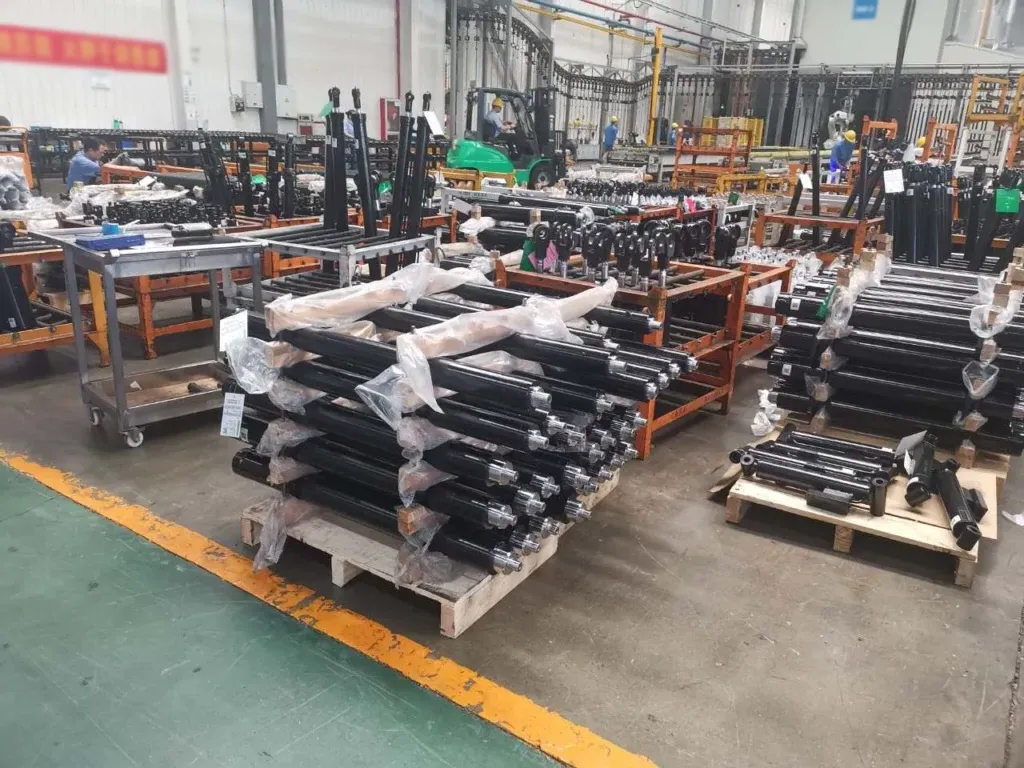
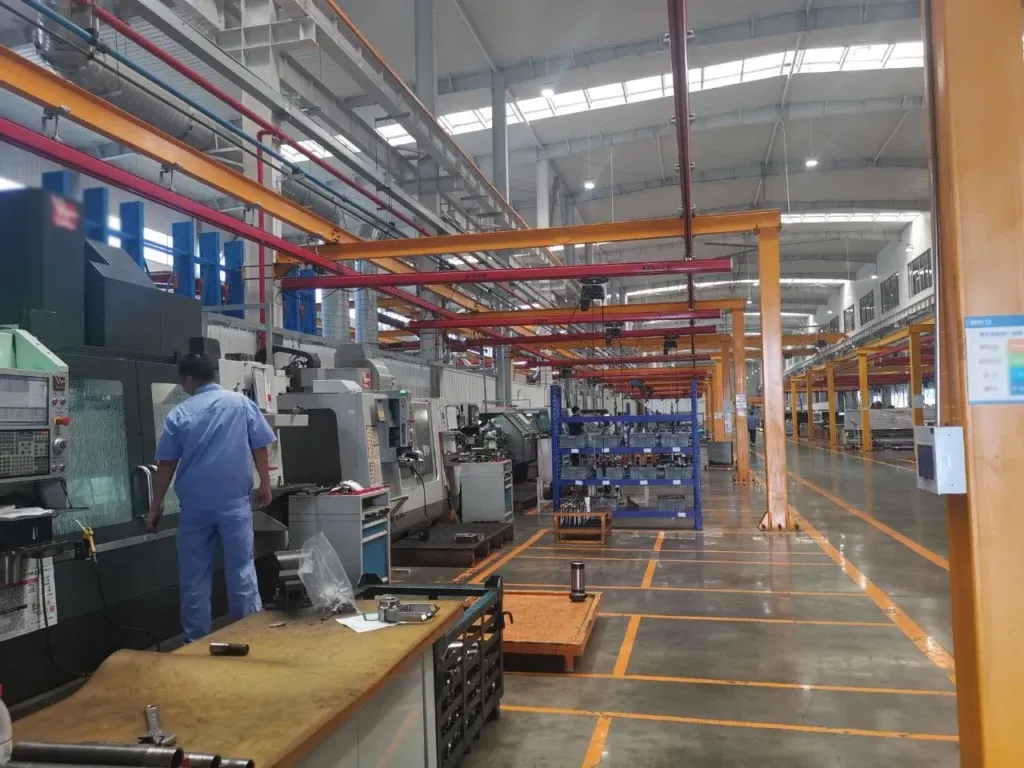
Selecting Mexico Ever-Power for wind turbine hydraulic cylinders ensures access to advanced engineering tailored for demanding renewable energy applications. Founded in 1978, Mexico Ever-Power Hydraulic Cylinder Co., Ltd. has established itself as a prominent provider of mid to high-end solutions, specializing in hydraulic control cylinders that enhance wind turbine performance through precise pitch and yaw adjustments. Our expansive 103-acre manufacturing site, supported by more than 400 experienced professionals, facilitates the production of robust wind turbine hydraulic cylinders designed to withstand Mexico's varied climatic conditions, from coastal humidity to inland arid zones. By incorporating variations such as control hydraulic cylinders and hydraulic cylinders for wind turbines, our products align with industry standards, drawing from extensive research and development backed by proprietary technologies and state-of-the-art testing facilities. This commitment results in superior durability, enabling operators to minimize operational interruptions while maximizing energy efficiency in both onshore and offshore installations.
Clients benefit from our emphasis on customization, where hydraulic control cylinders are adapted to specific turbine models, addressing unique environmental challenges and integrating seamlessly with existing systems. Our comprehensive quality assurance processes, coupled with responsive after-sales assistance, provide peace of mind, as evidenced by our cylinders' deployment in numerous wind farms across 53 countries, where they have consistently reduced downtime and elevated output levels. Compliance with international benchmarks and strategic global partnerships further reinforce our reliability, positioning Mexico Ever-Power as a trusted partner in sustainable energy initiatives. Whether seeking control hydraulic cylinders for precise blade management or hydraulic cylinders for wind turbines focused on long-term resilience, our innovative approaches deliver measurable advantages in performance and cost-effectiveness.
 |
 |
 |
 |
FAQs
Q: How does a wind turbine hydraulic cylinder improve efficiency?
A: Wind turbine hydraulic cylinders enhance efficiency by enabling precise blade positioning that adapts to shifting wind speeds, potentially increasing annual energy production by optimizing aerodynamic performance. Drawing from industry practices seen in Enerpac tools or Aggressive Hydraulics designs, control hydraulic cylinders minimize energy losses through smooth actuation, reducing mechanical wear and allowing turbines to capture more power in variable environments, leading to better overall output for renewable setups.
Q: Can hydraulic cylinders for wind turbines be customized?
A: Yes, hydraulic cylinders for wind turbines can be customized with tailored stroke lengths, pressure ratings, and mounting configurations to match specific turbine requirements and site conditions. Competitors like Hydac offer similar adaptations for electro-hydraulic systems, allowing integration with blade pitch mechanisms or yaw drives, which helps address unique challenges in Mexico's diverse landscapes and boosts compatibility with existing infrastructure for optimal performance.
Q: How often should maintenance be performed on wind turbine hydraulic cylinders?
A: Maintenance on wind turbine hydraulic cylinders should include routine inspections every three months to check for leaks or seal wear, alongside annual fluid replacements or adjustments based on operational hours. Following guidelines from sources like Kurz Industrial Solutions, this schedule prevents contamination issues common in hydraulic control systems, extending component life and minimizing downtime in active wind farms through proactive care.
Q: Are these cylinders suitable for offshore wind turbines?
A: Absolutely, these cylinders are well-suited for offshore wind turbines due to enhanced sealing technologies and protective coatings that combat marine corrosion and saltwater intrusion. Comparable to solutions from Warfield Electric discussions on hydraulic versus electric systems, control hydraulic cylinders maintain functionality in salty, wave-prone environments, contributing to Mexico's coastal projects by providing durable performance under constant exposure.
Q: How do I install a control hydraulic cylinder in a wind turbine?
A: To install a control hydraulic cylinder in a wind turbine, align the mounting brackets with the nacelle structure, connect hydraulic lines securely, calibrate sensors for accurate feedback, and conduct tests under low-pressure conditions to verify operation. Referencing industry spotlights from Aggressive Hydraulics, this process ensures seamless integration with brake or pitch systems, prioritizing safety and alignment to avoid vibrations during initial startups.
Q: What are common issues with hydraulic cylinders for wind turbines?
A: Common issues with hydraulic cylinders for wind turbines include fluid leaks from degraded seals or contamination by particles, which can impair pitch and yaw functions if not addressed promptly. Insights from Journal of Ocean Engineering highlight pressure drops in electro-hydraulic setups, but regular inspections and clean fluid protocols, as practiced by leading firms, effectively mitigate these problems to sustain reliable turbine operations.
Q: How to troubleshoot a malfunctioning hydraulic control cylinder in wind turbines?
A: Troubleshooting a malfunctioning hydraulic control cylinder in wind turbines starts with monitoring for pressure inconsistencies, visually inspecting seals for damage, and checking fluid levels for purity. Drawing from Enerpac's hydraulic tools expertise, test actuation cycles and sensor outputs to identify faults in control systems, then consult technical support for in-depth diagnostics, ensuring quick resolutions to restore optimal blade adjustments and turbine functionality.
Q: What long-term benefits come from using high-quality wind turbine hydraulic cylinders?
A: High-quality wind turbine hydraulic cylinders deliver long-term benefits like significantly reduced downtime through resilient designs that withstand cyclic loads, lower maintenance expenses via extended service intervals, and heightened energy yields from precise control mechanisms. As evidenced in clean energy analyses from Aggressive Hydraulics, investing in superior hydraulic cylinders for wind turbines promotes operational sustainability, aligning with global renewable goals by enhancing overall system reliability over decades of use.
Customer Reviews
Juan Ramirez, Wind Energy Engineer, Mexico City, Mexico
"We've relied on Mexico Ever-Power's hydraulic control cylinders in our 2MW onshore turbines for more than two years, and the 1200mm stroke versions manage pitch adjustments without a hitch, even through heavy monsoon rains. The team's speedy handling of our request for boosted pressure capacity really stabilized our energy output, making these control hydraulic cylinders a game-changer for reliability in tough weather."
Elena Vargas, Operations Manager, Guadalajara Wind Farm, Mexico
"From ordering to deployment, the quality of these wind turbine hydraulic cylinders stood out. They showed up right on schedule, and setup was a breeze. Since installing them, we've seen a solid 7% uptick in efficiency from the seamless yaw control. The customer support crew was outstanding, walking us through spec details whenever we hit a snag."
Carlos Mendoza, Technician, Baja California, Mexico
"Working in the field, I value how these control hydraulic cylinders hold strong against constant salt exposure—been going strong for 15 months now without any corrosion problems. Shipping was faster than promised, keeping our timeline intact. For hydraulic cylinders in wind turbines, their durability in coastal spots is unmatched."
Sofia Lopez, Project Lead, Madrid, Spain
"These hydraulic cylinders for wind turbines went beyond what we expected in precision and sturdiness. We went with the 450 bar rated ones, and they've cut down vibrations noticeably over the past year in our European setups. The after-sales team made integration effortless, offering tips that saved us hours—no second thoughts on this choice."
Miguel Ortega, Maintenance Supervisor, Houston, Texas, USA
"Solid and budget-friendly option. Our wind turbine hydraulic control cylinders have clocked 20 months with barely any maintenance needed, thanks to the excellent corrosion protection suited for humid Gulf areas. Delivery came through quickly, and the value for money on these units keeps our costs in check while performance stays high."
Ana Torres, Renewable Energy Consultant, Berlin, Germany
"Really taken with the service vibe and how well these perform. The hydraulic control cylinders delivered the spot-on pitch regulation we required for our hybrid wind-solar projects, with sensor features that built instant trust. The guidance from the team during setup was thorough, helping us tweak for optimal results in variable German winds."
Raj Patel, Site Engineer, Mumbai, India
"In our coastal wind farms, Mexico Ever-Power's control hydraulic cylinders have proven their worth over 18 months, handling yaw mechanisms flawlessly under salty, humid conditions. We customized for 1400mm strokes, and the quick turnaround on that request boosted our turbine uptime significantly—top marks for responsiveness and build quality."
Lisa Chen, Operations Director, Shanghai, China
"Logistics were spot on; these wind turbine hydraulic cylinders arrived ahead of time, which was crucial for our tight schedule. Focusing on the 400 bar models, they've enhanced blade control efficiency by about 5% in our setups, with minimal issues after a year. Service attitude from the support staff made all interactions smooth and helpful."
Additional information
| Edited by | Yjx |
|---|