
Garbage Truck Hydraulic Cylinders
Garbage truck hydraulic cylinders are essential components used to power the lifting, compressing, and dumping mechanisms of garbage trucks. These cylinders convert hydraulic pressure into linear force, enabling the truck’s arms to lift heavy bins, compact waste, and tilt the hopper for disposal. Built to withstand extreme pressure and harsh environments, they ensure efficient operation and are vital for waste management systems.
Hydraulic Cylinder for Garbage Truck
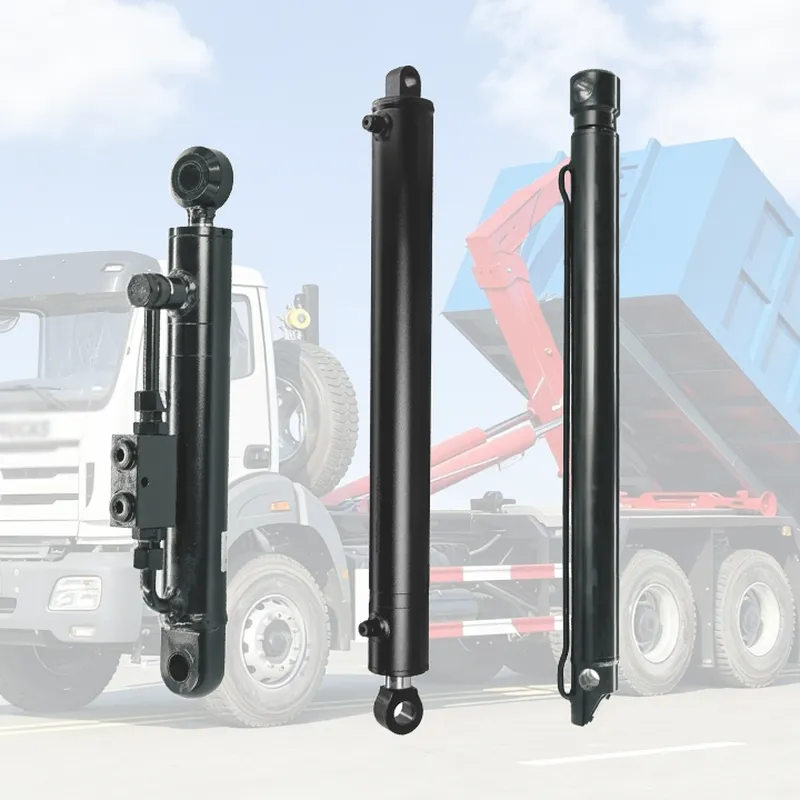
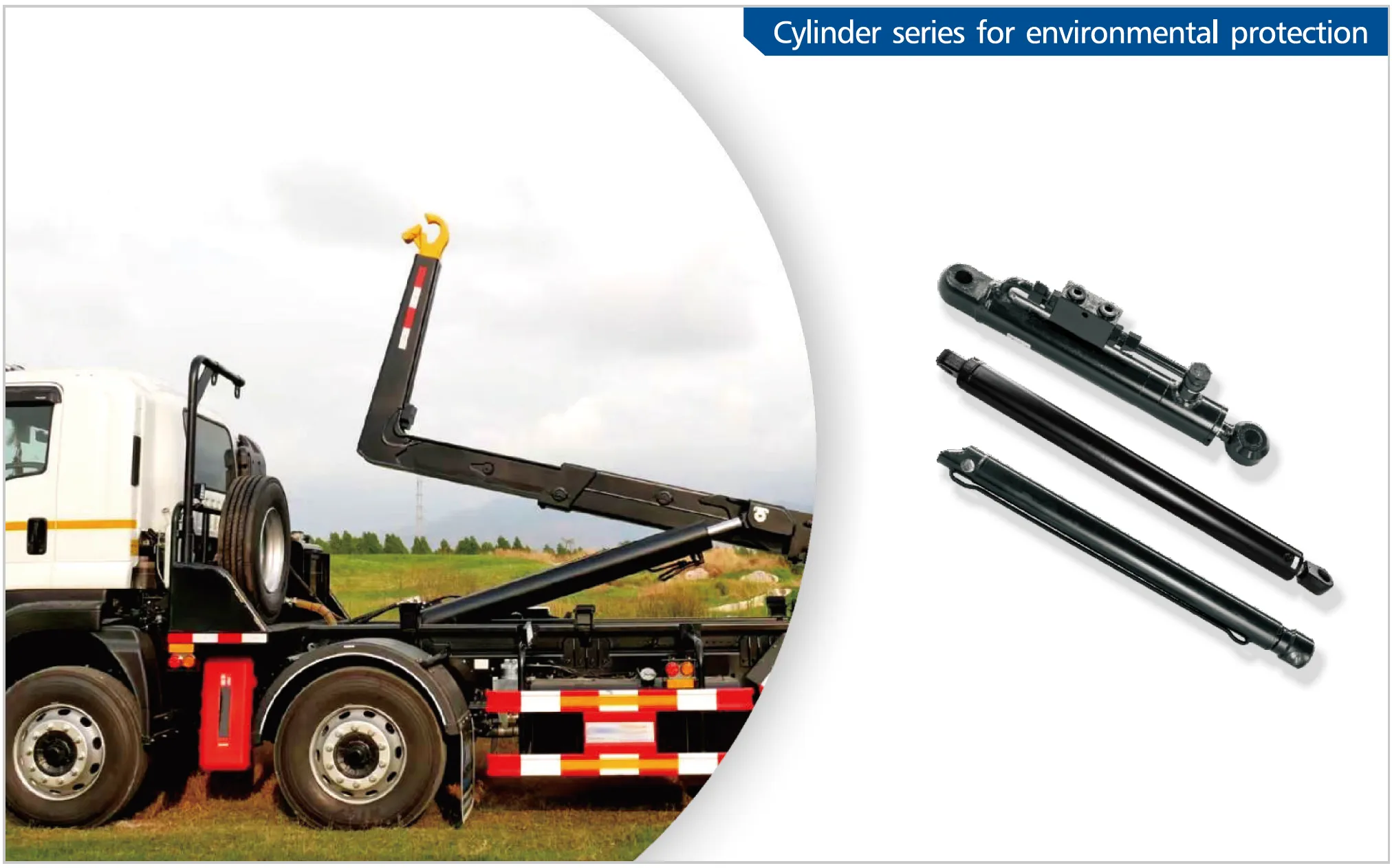
Hydraulic Cylinder for Hook Arm Lift Garbage Truck
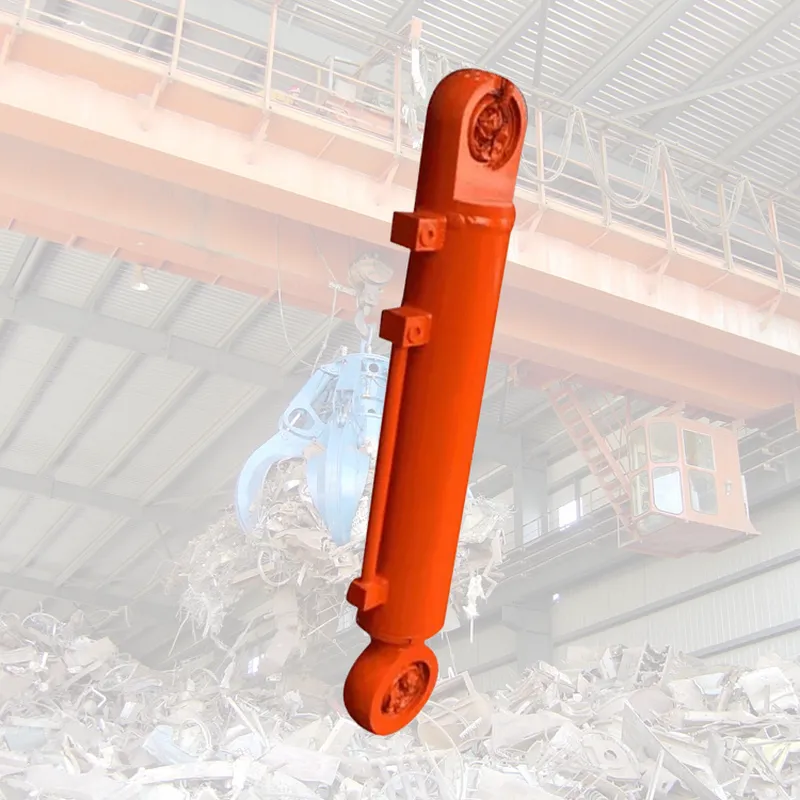
Hydraulic Cylinder for Garbage Crane Grab Bucket
What are Garbage Truck Hydraulic Cylinders?
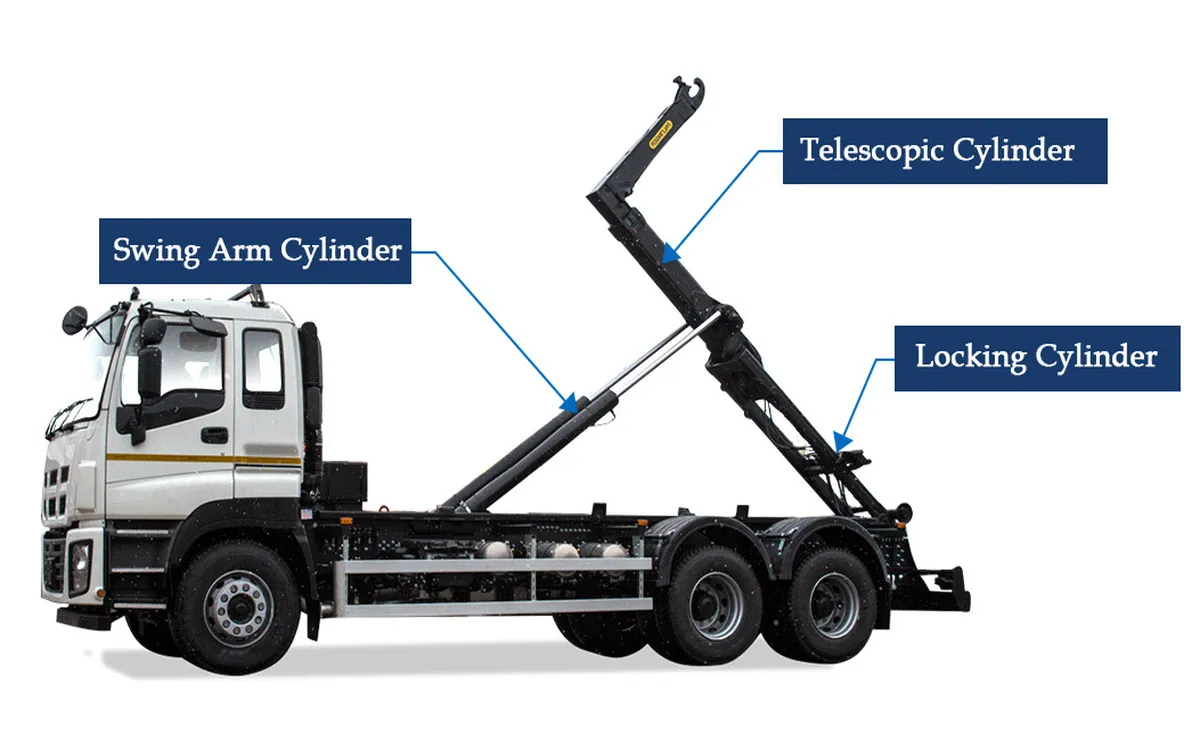
There are typically three main types of hydraulic cylinders used in hook arm lift garbage trucks: hydraulic sliding cylinders, hydraulic box lock cylinders, and hydraulic lifting cylinders. The hydraulic sliding cylinder is responsible for extending and retracting the hook arm, enabling the container to slide into position for lifting or unloading. The hydraulic box lock cylinder securely locks the garbage container in place during transport, preventing accidental movement or spills. Lastly, the hydraulic lifting cylinder provides the force needed to lift and tilt the garbage container for unloading waste into the truck or at disposal sites. Together, these cylinders form a coordinated hydraulic system, ensuring that garbage trucks can efficiently and safely manage waste collection and disposal tasks.
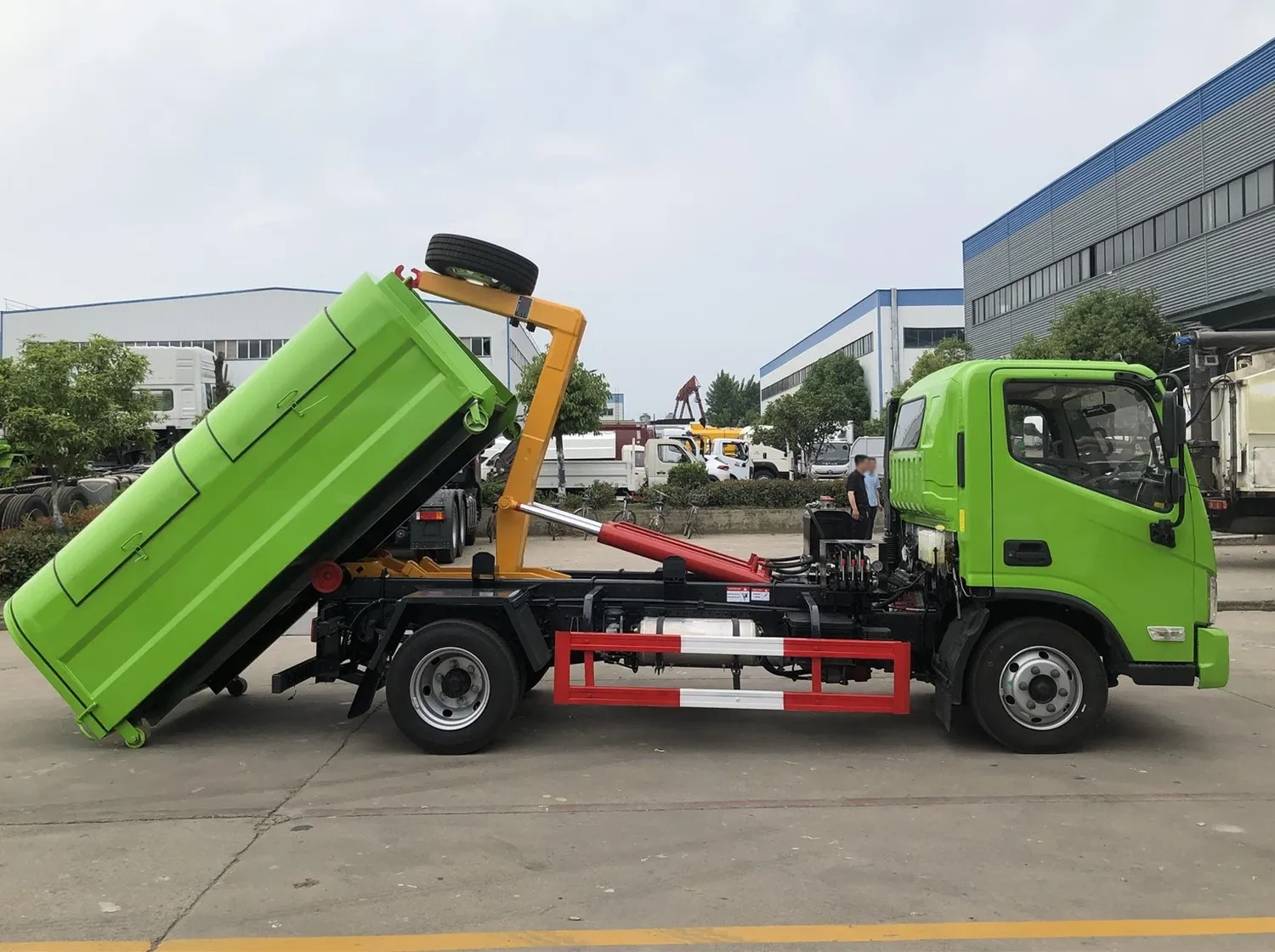
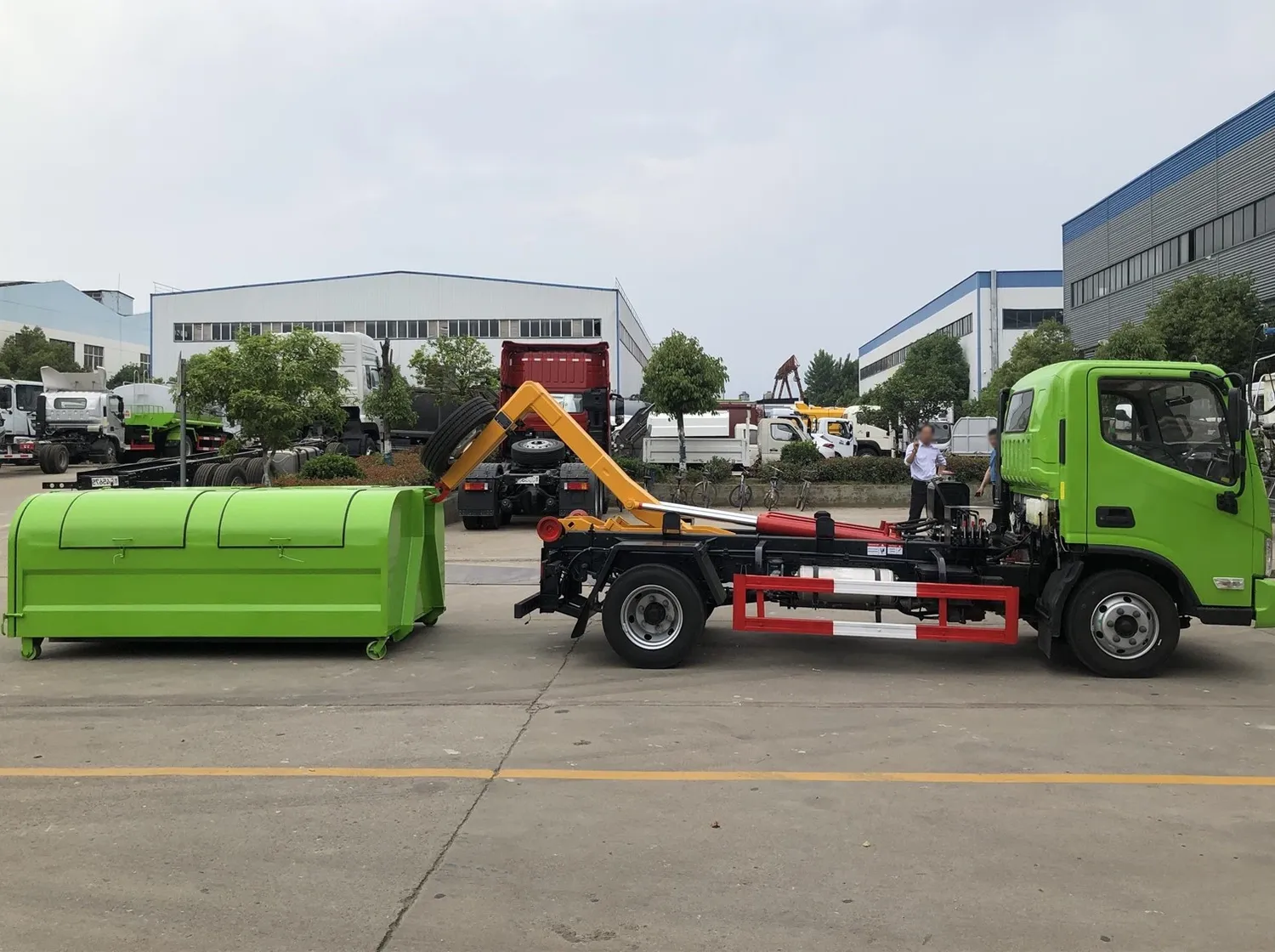
Garbage Truck Hydraulic Cylinder Types
1. Hydraulic Swing Arm Cylinder
This component plays a crucial role in swing arm garbage trucks by enabling the pivoting motion of the arm to lift and position waste containers efficiently. Built with durable alloy steel and precision seals, it delivers controlled extension and retraction, handling loads up to several tons while minimizing vibration during operation. Its design incorporates pressure relief mechanisms to enhance safety, ensuring stable performance in demanding urban collection routes where quick maneuvers are essential for timely waste management.
2. Hydraulic Locking Cylinder
Essential for securing containers firmly on the truck chassis, this cylinder activates locking pins or clamps through hydraulic force, preventing accidental dislodgement during transport over uneven terrain. Constructed from corrosion-resistant materials with high-tensile pistons, it provides reliable engagement and disengagement, contributing to overall vehicle stability and compliance with safety regulations in waste handling industries.
3. Hydraulic Telescopic Cylinder
Featuring multiple nested stages for extended reach, this type excels in garbage trucks requiring high lift heights, such as those dumping into compactors or elevated bins. Its sequential extension mechanism allows compact storage when retracted, optimizing space on the vehicle while delivering powerful lifting capacity. Engineered with reinforced tubes and anti-wear coatings, it supports heavy-duty cycles, reducing maintenance needs and improving operational longevity in professional refuse collection services.
Garbage Truck Hydraulic Cylinder Components
- Cylinder Barrel
This robust tubular structure forms the main body of the hydraulic cylinder in garbage trucks, housing the piston and containing pressurized fluid to generate linear force. Crafted from high-grade seamless steel for superior strength and resistance to deformation under heavy loads, it ensures reliable operation during repeated lifting cycles of waste containers, with internal honing for smooth piston movement and extended service life in rugged environments. - Piston
Positioned within the barrel, the piston divides the cylinder into two chambers and converts hydraulic pressure into mechanical motion essential for garbage truck functions like arm extension. Manufactured from durable cast iron or alloy with precision machining, it features wear rings to minimize friction and maintain efficiency, supporting the handling of substantial weights while preventing fluid leakage across chambers for consistent performance. - Piston Rod
Extending from the piston through one end of the cylinder, this polished chrome-plated shaft transmits force to external mechanisms in garbage trucks, such as hooks or locks. Engineered with hardened surfaces to resist bending and corrosion from exposure to debris and weather, it incorporates threaded ends for secure attachments, ensuring precise control and safety during container manipulation on varied terrains.
- Seals and O-Rings
These critical elements prevent hydraulic fluid leaks and contamination in garbage truck cylinders, maintaining system integrity under high pressure. Made from specialized elastomers like nitrile or polyurethane for resilience against temperature fluctuations and chemicals, they are strategically placed around the piston and rod to facilitate smooth operation while safeguarding against downtime caused by seal failures in intensive waste collection duties. - End Caps
Secured at both ends of the barrel, these components enclose the cylinder assembly and provide mounting points for integration into garbage truck hydraulics. Forged from heavy-duty steel with threaded or welded designs, they include ports for fluid entry and exit, enabling controlled extension and retraction while distributing stress evenly to enhance overall durability in demanding applications. - Hydraulic Ports
Integrated into the end caps or barrel, these fittings allow the inflow and outflow of hydraulic oil, regulating the cylinder’s actuation speed and force in garbage trucks. Constructed with reinforced threads and valves for precise flow management, they connect seamlessly to the vehicle’s pump system, supporting efficient energy transfer and quick response times during loading and unloading processes.
Hydraulic Cylinder Production Process
1. Material Selection and Preparation
Engineers begin by choosing premium steel alloys suited for high-pressure environments in garbage trucks, ensuring resistance to corrosion and fatigue from constant use. Raw materials undergo cutting with precision saws to form blanks for barrels, rods, and caps, followed by initial heat treatment to enhance machinability and structural integrity, setting a strong foundation for durable cylinder performance in waste handling operations.
2. Machining of Cylinder Barrel
Using advanced CNC lathes, the barrel is turned and bored to exact internal diameters required for smooth piston travel in garbage truck hydraulics. This step involves drilling ports for fluid entry and threading ends for cap attachment, with tolerances maintained within microns to guarantee leak-free operation under loads typical of lifting heavy refuse containers.
3. Piston Rod Fabrication
The rod is machined from hardened chrome steel bars through turning and grinding processes to achieve a polished surface that resists wear during extension in garbage truck mechanisms. Heat treatment and straightening ensure straightness and strength, allowing the rod to withstand bending forces encountered when maneuvering waste bins on uneven urban streets.
4. Honing and Surface Finishing
Internal surfaces of the barrel receive honing with abrasive stones to create a crosshatch pattern that retains oil for lubrication, crucial for longevity in garbage truck cylinders exposed to debris. This precision finishing reduces friction between piston and barrel, promoting efficient hydraulic action and minimizing energy loss during repeated cycles of container lifting and lowering.
5. Welding of End Caps and Mounts
Skilled welders attach end caps and mounting brackets to the barrel using MIG or TIG techniques, ensuring seamless joints that hold under extreme pressures in garbage truck applications. Post-weld inspections via ultrasonic testing verify integrity, preventing failures that could occur from vibrations during transport of compacted waste materials over long distances.
6. Component Assembly
Seals, pistons, and rods are carefully installed into the barrel with specialized tools to avoid damage, forming a complete unit ready for garbage truck integration. Lubrication and initial pressurization checks confirm proper alignment, enabling the cylinder to deliver consistent force for tasks like arm swinging or locking containers securely on the vehicle chassis.
7. Pressure Testing and Quality Assurance
Assembled cylinders undergo rigorous hydrostatic testing at pressures exceeding operational levels to simulate garbage truck conditions, detecting any leaks or weaknesses. Comprehensive inspections measure dimensions and functionality, ensuring compliance with industry standards for safety and reliability in professional waste management fleets.
8. Final Painting and Packaging
A protective coating of epoxy paint is applied to shield against environmental factors like moisture and salt in garbage truck environments, followed by drying in controlled ovens. Units are then packaged with secure fittings to prevent transit damage, ready for shipment to manufacturers assembling specialized vehicles for municipal refuse collection services.
Applications of Hydraulic Cylinder for Garbage Truck
- Container Lifting and Positioning: In garbage trucks, hydraulic cylinders power the elevation of waste bins from ground level to the vehicle chassis, enabling seamless collection in residential areas. These units provide controlled ascent and descent, handling weights up to several tons with integrated safety valves to prevent drops, thus streamlining urban waste pickup routes and reducing manual labor demands for operators.
- Waste Compaction Mechanisms: Hydraulic cylinders drive the compression plates within the truck body to reduce waste volume, allowing for greater capacity during collection rounds. Constructed for repetitive high-force cycles, they ensure efficient packing of refuse materials like household trash or recyclables, minimizing trips to disposal sites and supporting environmental goals through optimized transport logistics in municipal services.
- Arm Extension and Retraction: For side-loading or rear-loading models, these cylinders facilitate the outward reach of mechanical arms to grasp and maneuver containers precisely. Engineered with extended strokes and robust seals, they enable quick alignment without vehicle repositioning, enhancing productivity in tight spaces such as alleyways while maintaining stability under varying load conditions encountered in daily operations.
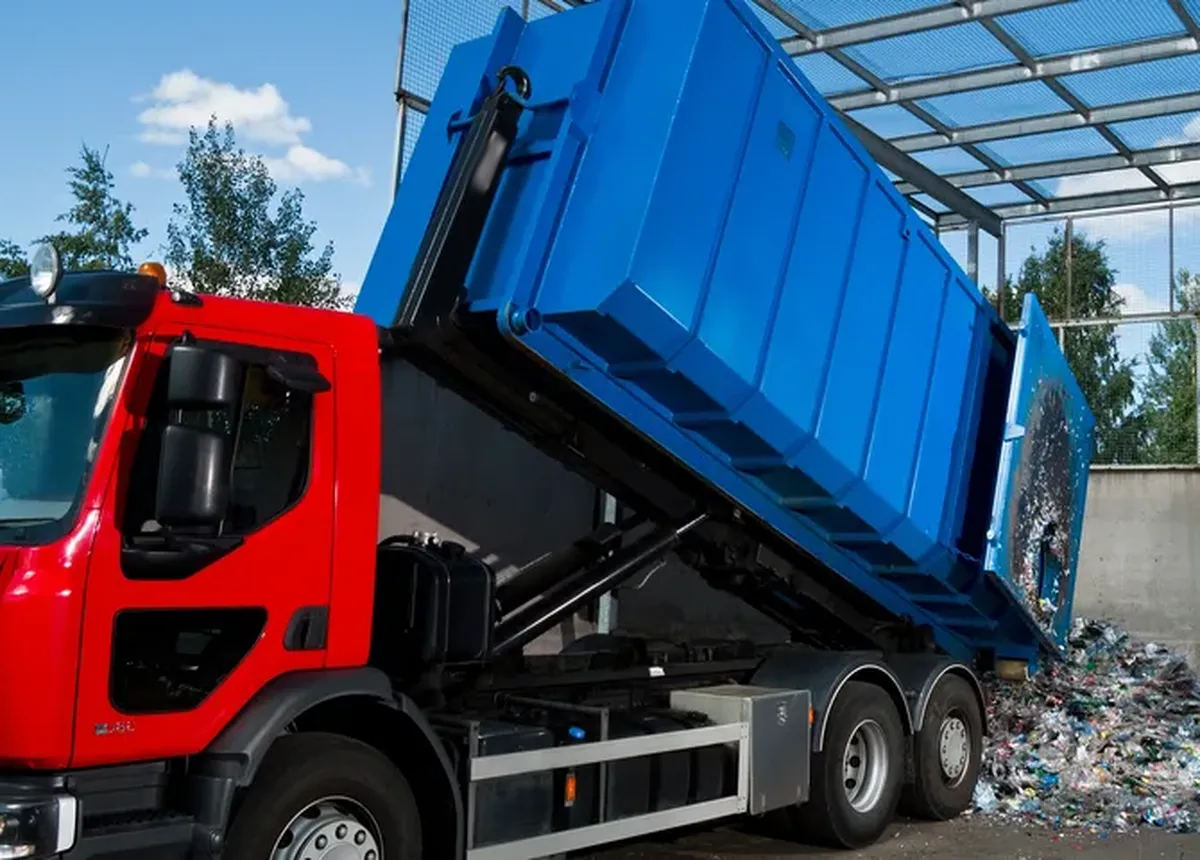
- Dumping and Tipping Operations: Hydraulic cylinders tilt the truck bed or container to unload contents at landfills or processing facilities, providing smooth angular movements for complete emptying. Featuring multi-stage designs for ample reach, they incorporate pressure controls to manage flow rates, ensuring safe and thorough discharge of compacted waste without spillage, critical for compliance with hygiene standards.
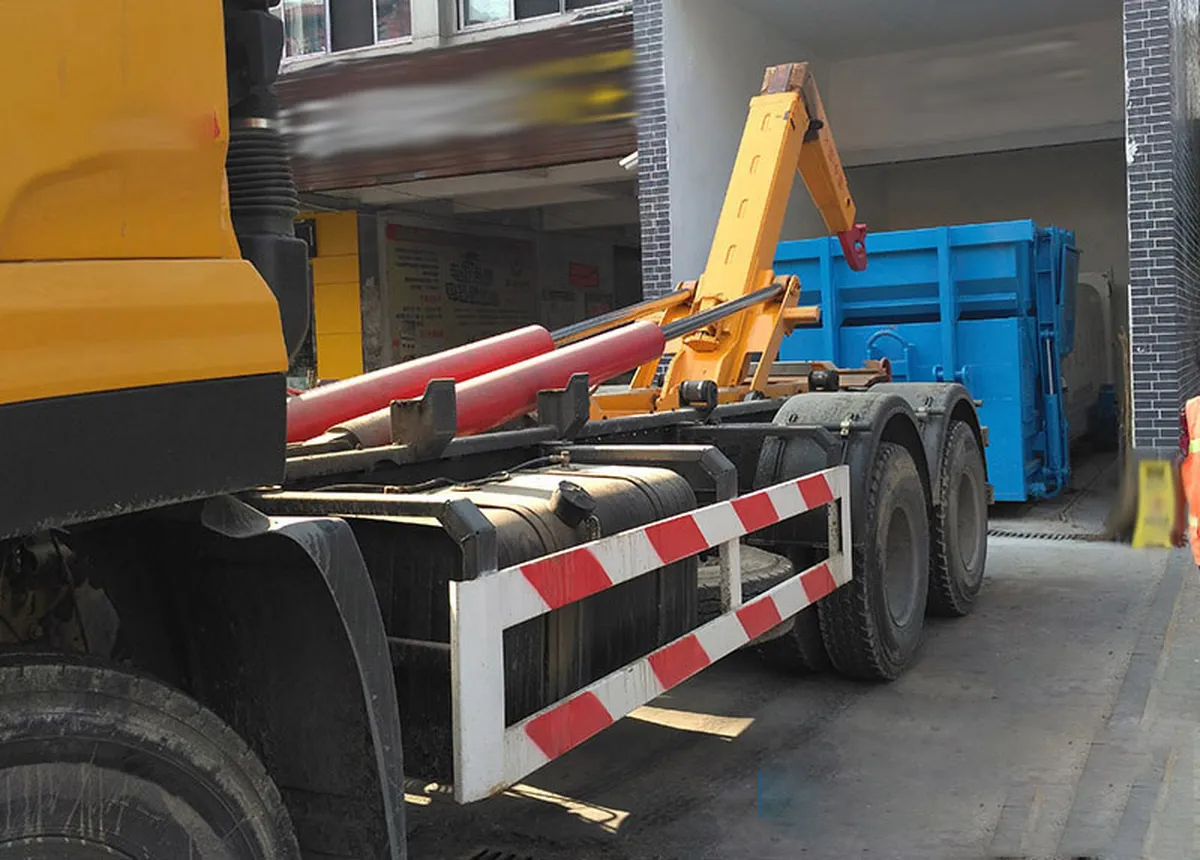
- Locking and Securing Systems: These cylinders engage clamps or pins to hold containers firmly during transit, preventing shifts over bumpy roads in garbage collection fleets. Built with corrosion-resistant components for longevity in moist environments, they deliver reliable hydraulic force for quick locking actions, contributing to vehicle safety and reducing risks of accidents in professional waste management practices.
- Ejector Plate Activation: Hydraulic cylinders push ejector blades forward to force out stubborn refuse from the truck interior after compaction cycles. Designed for powerful linear thrusts with anti-jam features, they facilitate complete unloading without residue buildup, improving turnaround times for fleet vehicles and ensuring hygienic conditions for subsequent collections in commercial settings.
Locking and Securing Systems
Dumping and Tipping Operations
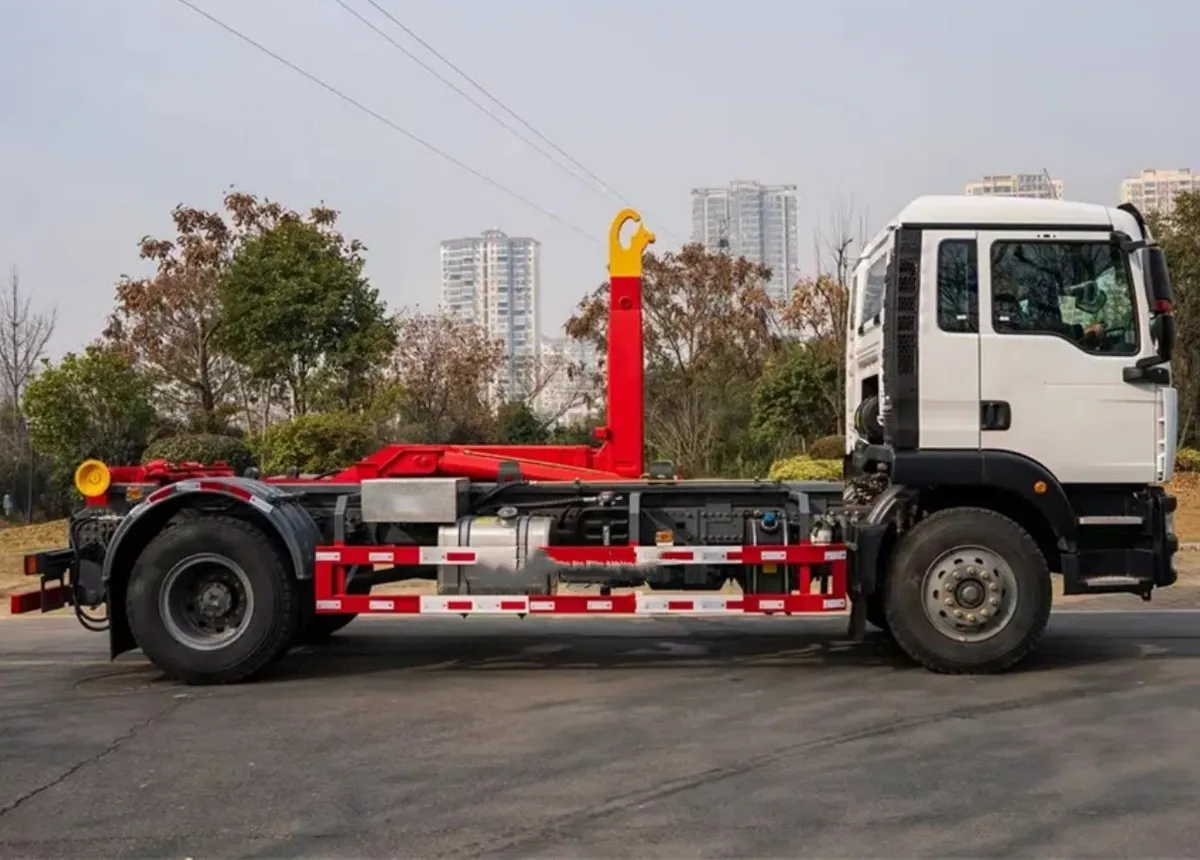
Arm Extension and Retraction
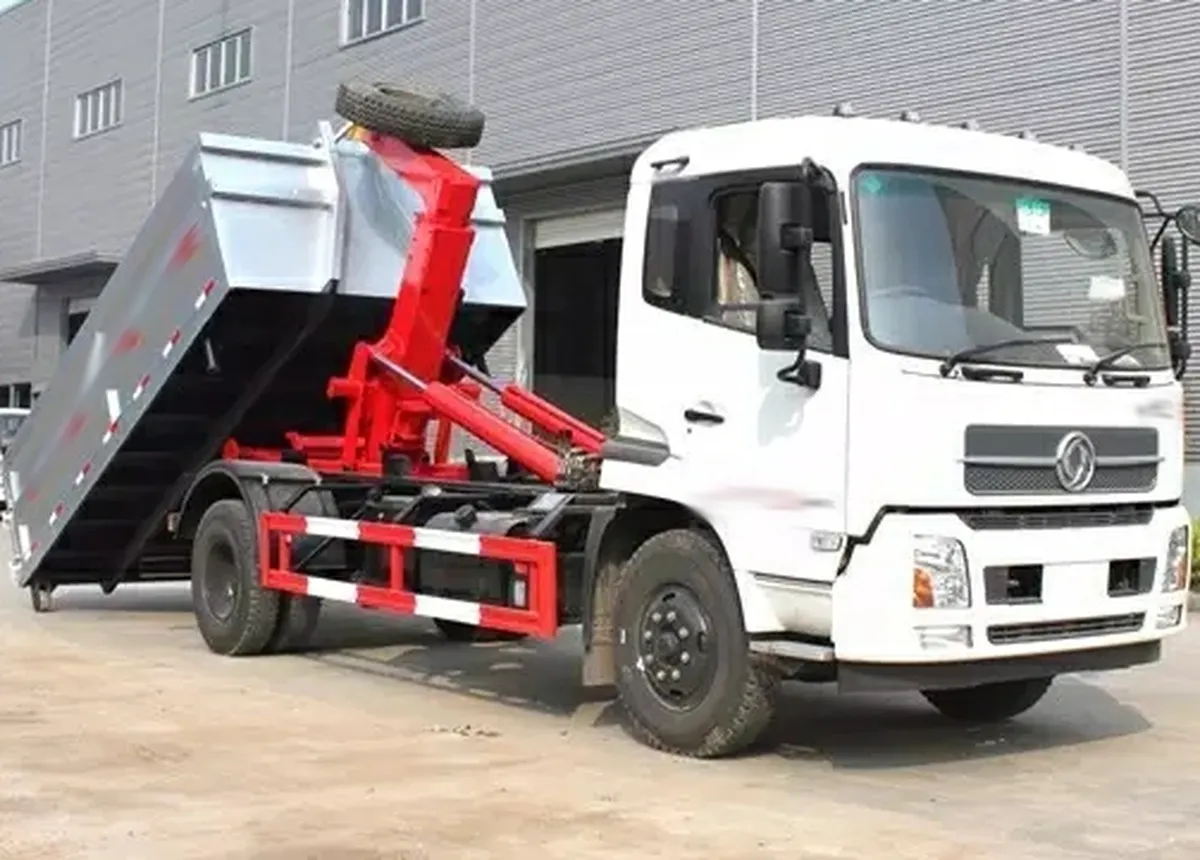
Container Lifting and Positioning
FAQs
What Advantages Do Hydraulic Cylinders for Garbage Trucks Offer over Mechanical Alternatives?
What Features Make Sanitation Machinery Hydraulic Cylinders Durable for Daily Use?
How Do You Install a Swing Arm Hydraulic Cylinder on a Garbage Truck?
What Maintenance Practices Extend the Life of a Locking Hydraulic Cylinder in Refuse Trucks?
How Can Common Faults in Telescopic Hydraulic Cylinders for Garbage Trucks Be Troubleshooted?
Are Hydraulic Cylinders for Garbage Trucks Compatible with Various Sanitation Machinery Models?
What Benefits Do Custom Hydraulic Garbage Truck Cylinders Provide for Specialized Waste Management?
How Do Environmental Factors Affect the Performance of Swing Arm Hydraulic Cylinders?
How Do Telescopic Hydraulic Cylinders Improve Efficiency in Sanitation Machinery Operations?
What Role Do Hydraulic Cylinders Play in Safety Features of Garbage Trucks?
How Often Should Hydraulic Fluid Be Changed in Garbage Truck Hydraulic Cylinders?
Customer Reviews
“We’ve been using this cylinder operation in our municipal fleet for over six months now, and the swing arm cylinder has held up remarkably well against daily abuse from heavy bins. Its robust build with a 4-inch bore and chrome-plated rod prevents any bending, even on pothole-filled streets. Customer service was top-notch—they guided us through specs over the phone, making sure it fit our rear-loader perfectly. No complaints here; it’s boosted our collection efficiency without a single breakdown.”
–Mike Rodriguez, Fleet Manager, Chicago, USA
–Sarah Patel, Waste Management Supervisor, London, UK
–Elena Vasquez, Operations Director, Mexico City, Mexico
–Tom Nguyen, Maintenance Technician, Sydney, Australia
–Karl Becker, Sanitation Engineer, Berlin, Germany
–Greg Thompson, Independent Contractor, Vancouver, Canada