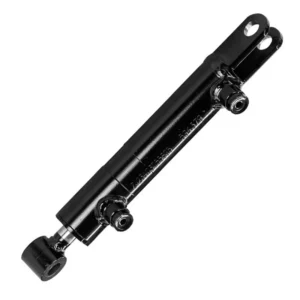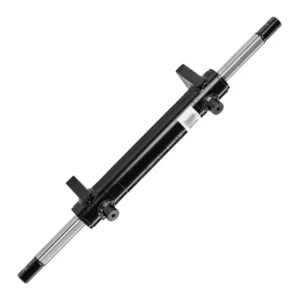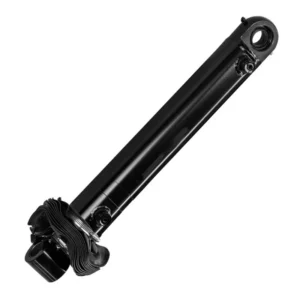
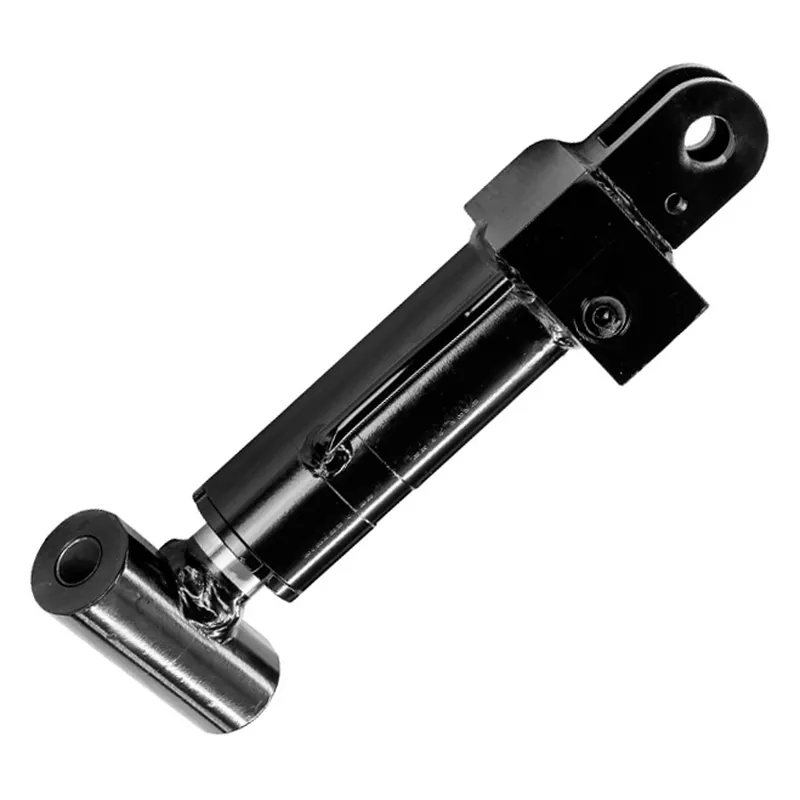
Hydraulic Leveling Cylinder for Arm Type Aerial Work Platforms
Explore durable hydraulic leveling cylinders for arm-type aerial work platforms from Mexico Ever-Power. With bore sizes from 80-135mm, strokes up to 600mm, and pressures reaching 24MPa, these cylinders deliver precise stability on uneven terrain. Ideal for construction safety, they offer robust steel construction and easy integration—contact us for tailored solutions to keep your operations efficient and secure.
Hydraulic Leveling Cylinder Overview
In the demanding field of elevated operations, the hydraulic leveling cylinder serves as a cornerstone for maintaining platform stability. This component is engineered to counteract tilts caused by terrain irregularities or arm extensions, ensuring that workers can perform tasks securely at height. Built with precision in mind, it integrates seamlessly into arm-type aerial platforms, commonly used in construction sites, utility repairs, and building maintenance. The cylinder's design focuses on reliability, using high-strength materials that resist environmental stresses like moisture and dust, which are prevalent in outdoor settings.
Beyond basic functionality, this hydraulic leveling cylinder incorporates advanced hydraulic controls to provide smooth adjustments. Operators benefit from its ability to respond quickly to changes in load or position, reducing the risk of accidents and improving overall productivity. For businesses in Mexico, where urban development and infrastructure projects are on the rise, such equipment is indispensable. It not only meets local safety regulations but also adapts to the diverse climates across regions, from coastal areas to inland terrains.
Hydraulic Leveling Cylinder Dimensions

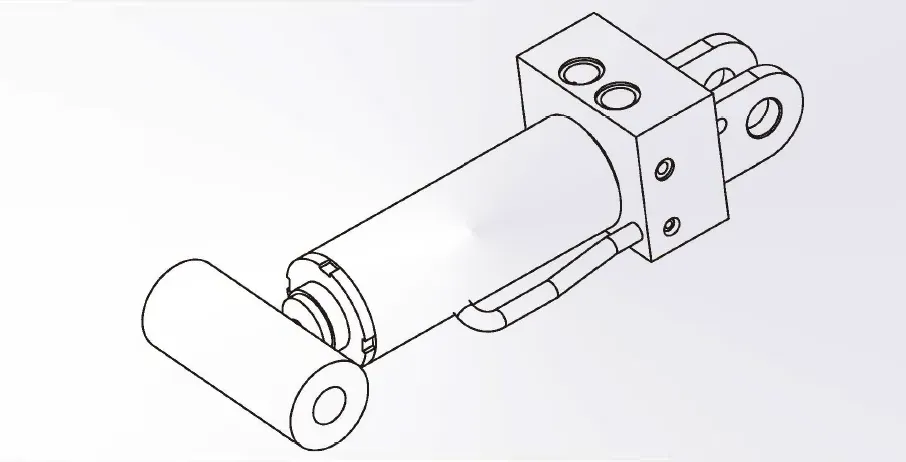
Technical Specifications
If your project requires custom specifications beyond these ranges, such as adjusted stroke lengths or specialized mounting options, feel free to contact our team at Mexico Ever-Power for personalized consultations.
| Hydraulic Leveling Cylinder | ||||||
| Cylinder model | Specifications | Working pressure | Maximum withstand pressure | Trip | Installation distance | Weight |
| CMNYY11112008 | Φ63 X Φ45 X 60 | 25MPa | 30MPa | 60 | 375 | 16kg |
| Product Name: | Leveling Hydraulic Cylinder |
| Function: | To achieve horizontal movement of the work platform. |
| Cylinder diameter: | 80mm-135mm |
| Rod diameter: | 40mm-90mm |
| Travel: | 300mm-600mm |
| Maximum pressure: | 24MPa |
| Maximum thrust: | 343KN |
These specifications are derived from rigorous testing to ensure performance in real-world scenarios. For instance, the bore and rod diameters are optimized to balance power and compactness, allowing the cylinder to fit into tight spaces on aerial platforms without compromising strength. In Mexico's construction sector, where equipment must endure varying weather conditions, these parameters contribute to longevity. Engineers often select based on load requirements; a larger bore might be chosen for heavier platforms, while a longer stroke suits applications with significant tilt variations.
Advantages of Leveling Hydraulic Cylinder in Arm Type AWPs
- Improved Safety Measures
The leveling hydraulic cylinders significantly enhance worker protection by instantly correcting platform tilts caused by uneven surfaces or shifting loads, thereby minimizing the risk of accidents in high-altitude environments. This feature is particularly vital in regions with varied terrain, such as Mexico's mountainous areas, where manual adjustments could lead to hazardous delays and increased error rates. - Long-Term Cost Reductions
By optimizing hydraulic fluid usage and reducing the need for frequent manual interventions, this cylinder lowers overall maintenance expenses and energy costs for aerial work platforms. In competitive markets like Mexico, contractors benefit from extended equipment lifespan and fewer downtime incidents, translating to substantial savings on repairs and operational overheads over multiple projects. - Boosted Operational Efficiency
With rapid adjustment capabilities, the cylinder streamlines workflow in tasks like infrastructure inspections, allowing teams to reposition platforms swiftly without halting progress. For example, in urban bridge repairs, it can reduce preparation periods by approximately 20 percent, enabling faster completion of jobs and better resource allocation in time-sensitive construction scenarios. - Broad Adaptability to Diverse Applications
Designed to integrate with various arm-type aerial work platforms, the cylinder accommodates a wide range of sizes and configurations, making it suitable for everything from minor building upkeep to large-scale industrial operations. This flexibility supports businesses across sectors, including utilities and manufacturing in Mexico, by ensuring reliable performance regardless of the specific equipment or environmental demands. - Enhanced Durability and Reliability
Constructed from robust materials that withstand harsh conditions, the leveling hydraulic cylinder maintains consistent performance even under prolonged use or exposure to elements like dust and moisture. This reliability reduces the frequency of replacements, providing dependable support for ongoing operations and contributing to a safer, more predictable work environment in demanding fields.
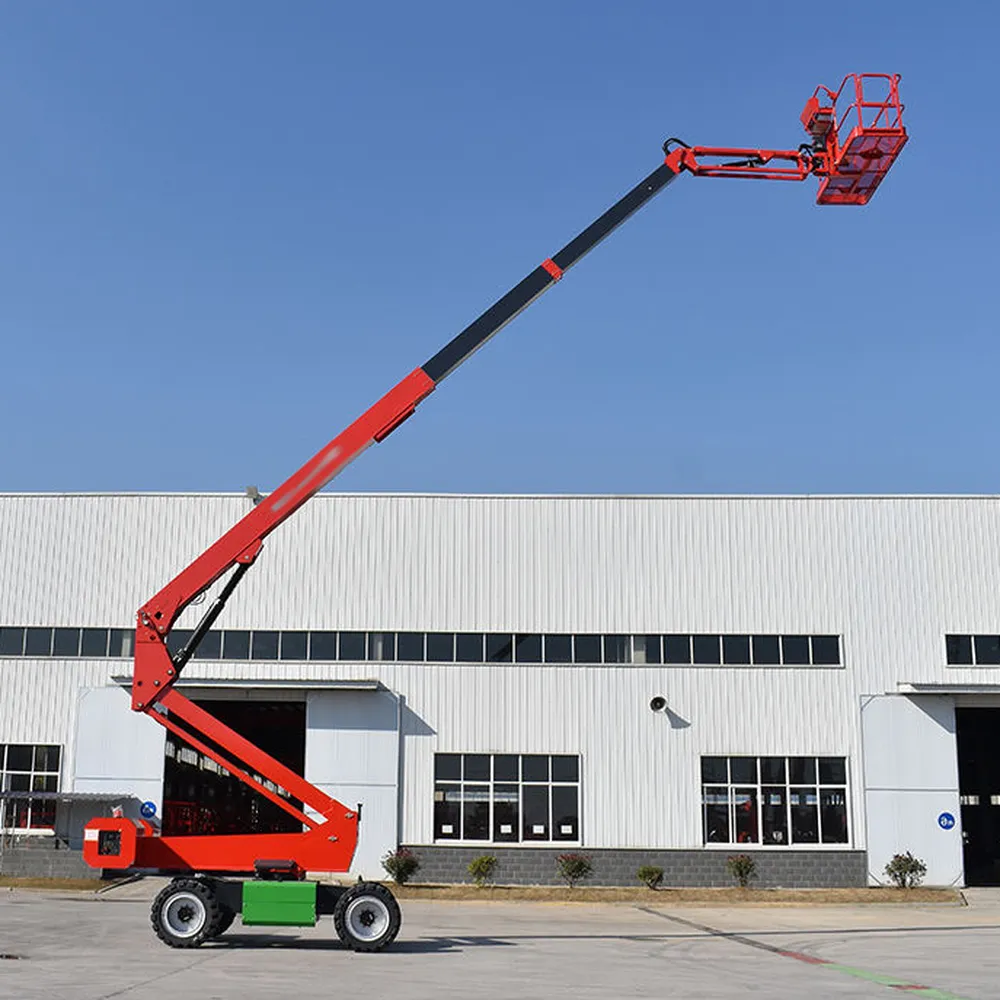
Hydraulic Cylinder for Arm Type Aerial Work Platforms
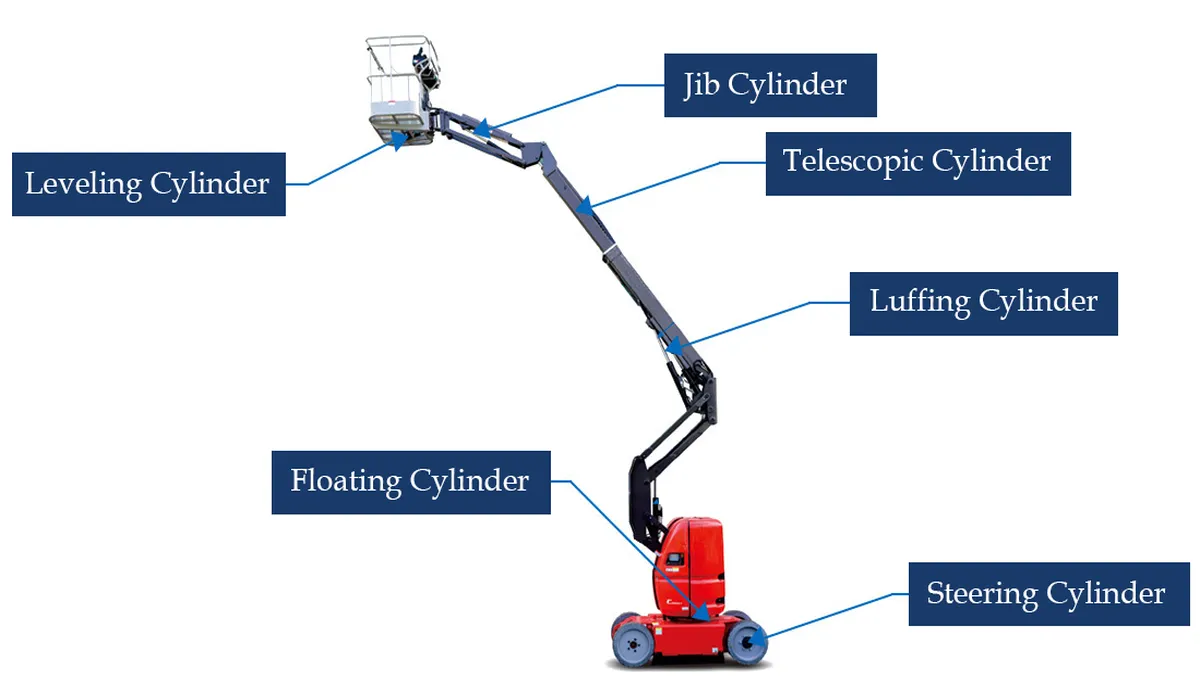
Hydraulic Jib Cylinder
This type extends and retracts the jib arm in arm-type aerial work platforms, enabling precise reach adjustments for tasks in confined spaces or over obstacles. It delivers controlled force to position the platform accurately, supporting operations in construction sites where vertical and horizontal extensions are essential for accessing hard-to-reach areas without relocating the base unit.
Hydraulic Steering Cylinder
Responsible for directing the platform's movement, this cylinder facilitates smooth turning and navigation around job sites. In urban environments with tight layouts, it ensures responsive control, allowing operators to maneuver the equipment safely amid traffic or structures, thus enhancing overall mobility and reducing setup times during maintenance or inspection activities.
Hydraulic Luffing Cylinder
Used to raise or lower the boom angle, the luffing cylinder provides the necessary lift for varying heights in aerial platforms. It maintains stability during elevation changes, which is crucial for applications like electrical line repairs where gradual adjustments prevent sudden shifts, ensuring worker security and equipment integrity across different terrains.
Hydraulic Telescopic Cylinder
This cylinder extends the boom in multiple stages, offering extended reach without increasing the platform's footprint. Ideal for high-altitude tasks in building facades or tree trimming, it allows compact storage when retracted, making transportation easier and enabling access to elevated spots in restricted zones with minimal ground disturbance.
Hydraulic Floating Cylinder
Designed to absorb shocks and maintain balance, the floating cylinder compensates for load variations and surface irregularities in arm-type platforms. It promotes even weight distribution during dynamic operations, such as material handling at height, which helps prevent structural stress and extends the service life of the equipment in rugged industrial settings.
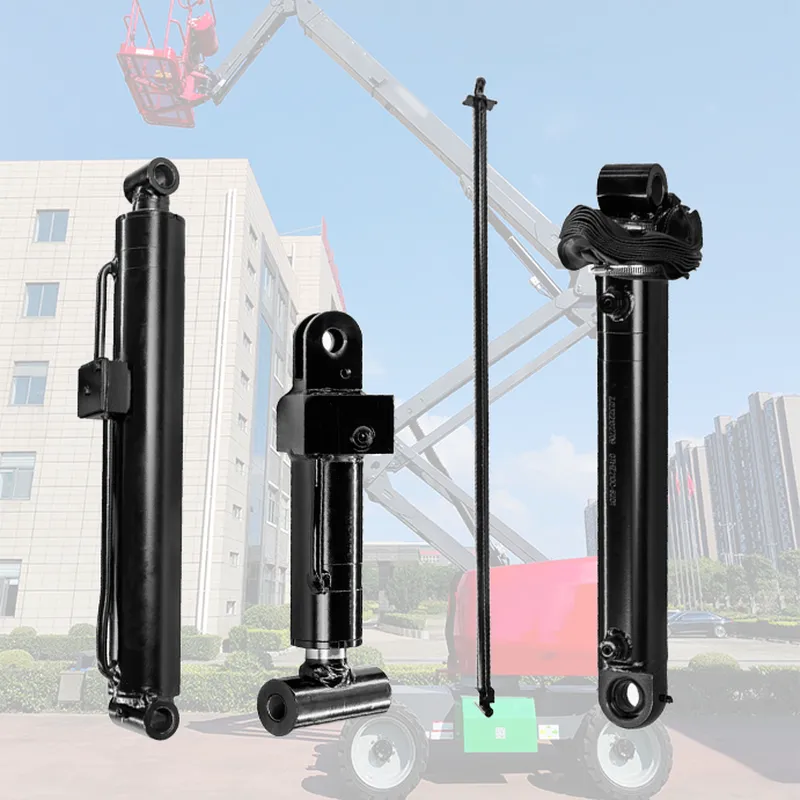
Hydraulic Leveling Cylinder
By automatically adjusting the platform to remain horizontal on uneven ground, this cylinder enhances safety and operational precision. In scenarios like bridge inspections or warehouse stocking, it counters tilts from arm extensions, allowing workers to perform duties without distractions from instability, thereby improving productivity in diverse work environments.
Applications of Hydraulic Leveling Cylinder in Various Industries
Hydraulic leveling cylinders play a pivotal role across multiple sectors, ensuring stability and precision in elevated operations. In construction, they are indispensable for maintaining platform equilibrium during facade installations or roof repairs, particularly in challenging urban settings such as Mexico City, where ground variations demand reliable adjustments to prevent repositioning delays and enhance worker safety. Utility companies depend on these cylinders for tasks like pole maintenance or overhead line servicing, where even minor instabilities could lead to severe electrical risks; their compatibility with both telescopic and articulated arm designs further broadens their utility in infrastructure projects.
In construction and building maintenance, these cylinders serve as effective alternatives to traditional scaffolding, facilitating secure environments for activities such as exterior painting or structural inspections, thereby substantially lowering the potential for workplace incidents. For utilities and infrastructure, they enable exact positioning in streetlight setups or bridge examinations, allowing technicians to deploy tools with confidence on uneven surfaces.
Beyond these core areas, hydraulic leveling cylinders find specialized use in agriculture, supporting elevated machinery for crop harvesting in fields with irregular topography, which helps optimize yield collection without compromising equipment balance. In Mexico's mining operations, they contribute to safe inspection platforms within deep shafts, countering gravitational shifts and vibrations to protect personnel during routine assessments. Additionally, in the aerospace sector, these components assist in hangar-based aircraft maintenance lifts, providing steady elevation for undercarriage work or engine access. The food processing industry employs them in automated conveyor systems for packaging lines, where level adjustments ensure consistent product flow and reduce spillage risks during high-volume operations. Furthermore, in entertainment venues, such as concert stages or theater rigging, they facilitate dynamic platform movements, enabling quick setup changes while maintaining audience and performer safety.

Troubleshooting Common Issues
1. Fluid Leakage in the Cylinder
Operators often encounter leaks around seals or fittings due to wear from repeated cycles or exposure to contaminants in outdoor environments. To resolve this, inspect all connections for damage, replace worn seals with compatible high-quality alternatives, and ensure the hydraulic fluid is clean by flushing the system periodically, which prevents further degradation and restores operational integrity.
2. Insufficient Pressure Leading to Weak Leveling
When the cylinder fails to achieve adequate pressure, resulting in unstable platform adjustments, it may stem from air entrapment or clogged filters blocking fluid flow. Address this by bleeding air from the lines, cleaning or replacing filters, and verifying pump functionality through pressure gauge readings to maintain consistent performance during elevated tasks.
3. Platform Drift or Unintended Movement
This issue arises when the cylinder cannot hold position, often caused by internal valve malfunctions or hydraulic fluid degradation over time. Correct it by examining valves for blockages, replenishing fluid to proper levels with the recommended viscosity, and conducting load tests to confirm stability before resuming operations.
4. Slow Extension or Retraction Response
Delays in cylinder movement can occur from low fluid levels or viscosity changes due to temperature fluctuations in varying climates. Remedy by topping up the reservoir with appropriate hydraulic oil, warming the system if cold, and checking for restrictions in hoses to ensure swift and precise leveling actions.
5. Overheating of the Hydraulic System
Excessive heat buildup, triggered by prolonged use or inadequate cooling in high-demand scenarios, can impair cylinder efficiency and lead to component failures. Mitigate by installing additional cooling devices if needed, monitoring temperature during operation, and scheduling regular fluid changes to dissipate heat effectively and prolong equipment life.
6. Noisy Operation During Leveling
Unusual sounds like grinding or whining typically indicate contamination in the fluid or misalignment of components within the cylinder assembly. Solve by filtering the hydraulic oil to remove particles, realigning parts as per manufacturer specifications, and lubricating joints to eliminate friction-related disturbances.
7. Overloading-Induced Strain
When the platform exceeds weight limits, it places undue stress on the leveling cylinder, potentially causing bends or cracks in the rod. Prevent and fix by adhering strictly to capacity guidelines, inspecting for structural damage post-incident, and reinforcing mounts if recurring loads demand enhanced support structures.
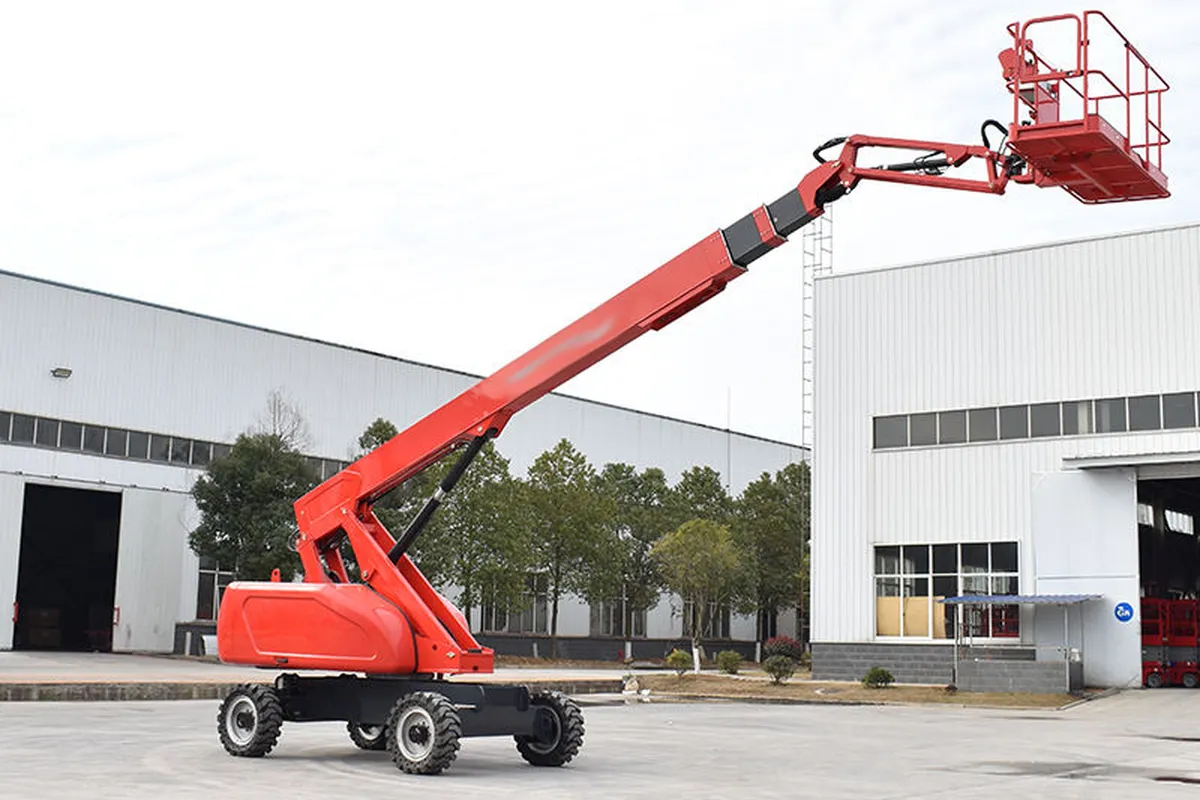
Why Choose Mexico Ever-Power's Hydraulic Leveling Cylinder?
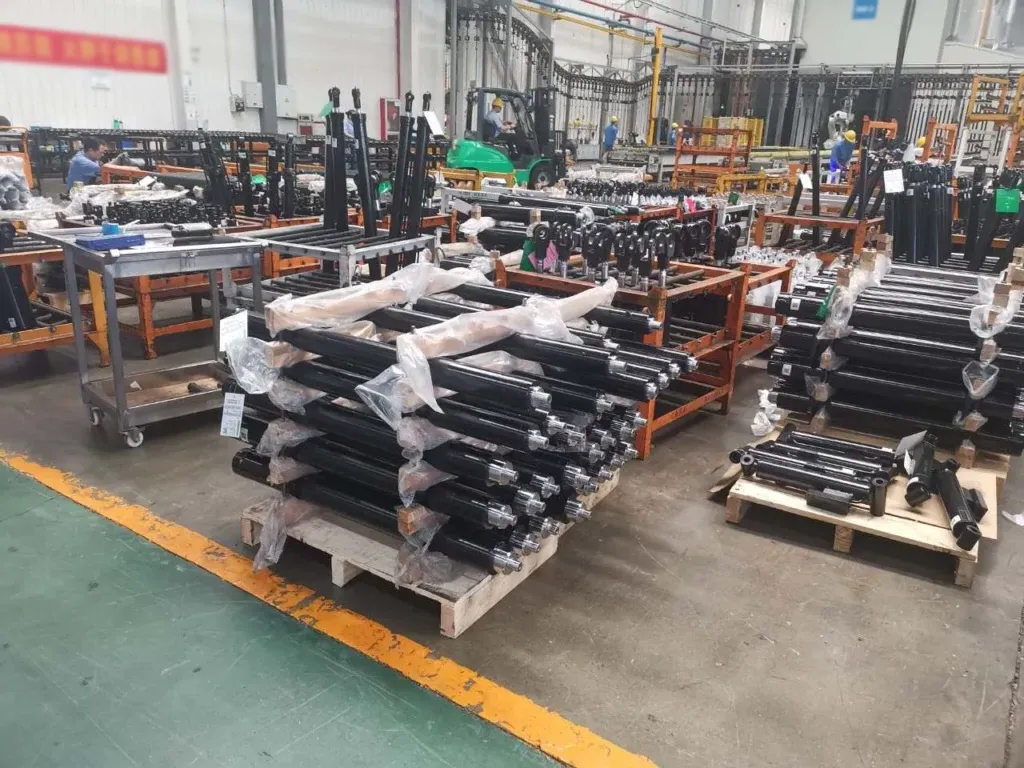
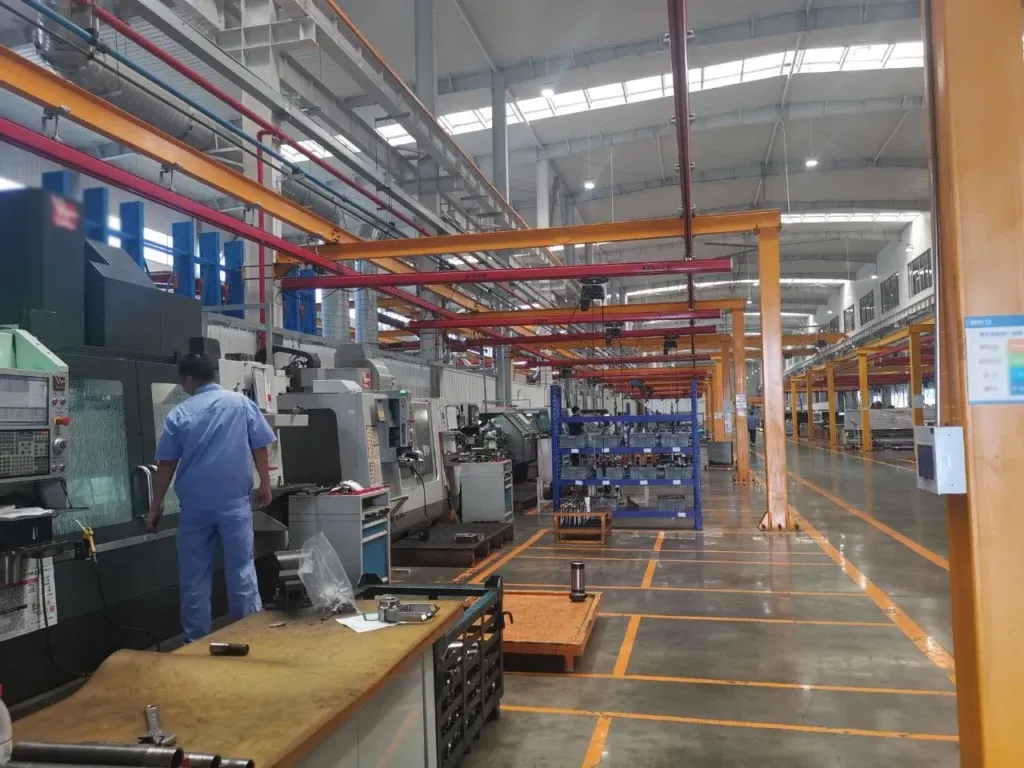
Mexico Ever-Power Hydraulic Cylinder Co., Ltd. stands out as a premier provider in the hydraulic cylinders industry, with a rich history dating back to its founding in May 1978 as a dedicated high-tech enterprise focused on mid- to high-end hydraulic cylinders. We specialize in a wide array of hydraulic solutions, including those tailored for aerial work platforms such as leveling cylinders, alongside applications in industrial vehicles, construction machinery, sanitation equipment, wind power, agricultural tools, mining operations, marine environments, oil and gas sectors, offshore projects, tunnel boring machines, and dump trucks or trailers.
Our in-house research institute, coupled with a state-of-the-art hydraulic product testing laboratory and high-tech R&D center, enables us to hold independent intellectual property rights for key equipment and deliver innovative, customized designs that meet precise client needs. Adhering to a robust quality assurance system aligned with international standards, we emphasize automation, precision engineering, and durability to produce reliable products that perform under demanding conditions. This expertise spans diverse sectors from construction and mining to renewable energy and beyond, allowing us to offer solutions that address specific challenges like stability in elevated operations.
Strategically positioned in Mexico, we optimize logistics for North American clients, including those in the United States and Canada, by minimizing lead times and ensuring swift delivery through our established regional presence. Our global footprint extends to exports across more than 34 countries in Asia, Europe, South America, Africa, and Oceania, fostering strong partnerships built on trust and performance. We prioritize exceptional after-sales support, providing responsive assistance to maintain equipment uptime and client satisfaction.
 |
 |
 |
 |
FAQs
Q: How does a leveling hydraulic cylinder differ from standard hydraulic cylinders?
A: Unlike standard hydraulic cylinders that mainly provide straightforward linear extension for lifting or pushing loads, a leveling variant incorporates advanced control valves and sensors for real-time tilt detection and adjustment. This specialization enables it to respond dynamically to platform movements, ensuring stability in variable conditions, which is not a focus in basic models designed for general force application.
Q: What are the key specifications to consider when buying a hydraulic leveling cylinder?
A: When selecting a hydraulic leveling cylinder, prioritize factors like bore diameter ranging from 80 to 135 millimeters for force capacity, stroke length between 300 and 600 millimeters for adjustment range, and maximum pressure tolerance up to 24 megapascals to handle operational loads. Additionally, evaluate rod diameter, mounting style, and material durability to align with your platform's weight requirements and environmental exposure.
Q: Can a hydraulic leveling cylinder be customized for specific arm-type platforms?
A: Certainly, customization options for hydraulic leveling cylinders include modifying stroke lengths, adjusting mounting configurations, and altering pressure ratings to suit particular arm-type aerial platforms. Our team can incorporate specific seals or integrate sensors based on your equipment's design, ensuring seamless compatibility—reach out to discuss your project details for a tailored quote.
Q: How to install a leveling hydraulic cylinder on an aerial work platform?
A: Installation begins with preparing the site by securing the platform and disconnecting power sources, followed by aligning the cylinder with chassis mounts and bolting it firmly in place. Next, connect hydraulic lines carefully to avoid air pockets, then calibrate integrated sensors using manufacturer guidelines to verify precise leveling functionality before full operation.
Q: What maintenance is required for a hydraulic leveling cylinder to ensure longevity?
A: To prolong the life of a hydraulic leveling cylinder, conduct routine inspections of fluid levels and seals every 100 operating hours, replace filters as needed to prevent contamination, and monitor for signs of wear on rods or valves. Annual professional servicing, including pressure testing and lubrication, helps maintain efficiency and avoids costly breakdowns in demanding applications.
Q: Is the hydraulic leveling cylinder suitable for outdoor use in harsh Mexican weather?
A: Yes, hydraulic leveling cylinders are well-suited for outdoor environments in Mexico, featuring corrosion-resistant steel construction and robust seals that protect against high humidity, dust storms, and extreme temperature swings common in regions like the Yucatan or northern deserts. These design elements ensure reliable performance without frequent interventions.
Q: How does a hydraulic leveling cylinder improve safety in construction?
A: A hydraulic leveling cylinder boosts construction site safety by automatically detecting and correcting platform tilts, thereby averting potential tip-overs or falls that could endanger workers at elevation. This real-time stabilization fosters a secure environment, enabling focus on tasks like welding or assembly without the distraction of manual balancing efforts.
Q: What applications benefit most from hydraulic leveling cylinders?
A: Hydraulic leveling cylinders excel in construction for facade work on uneven sites, utilities for secure pole and line repairs, and mining for stable shaft inspections. They also aid agriculture in elevated harvesting rigs and infrastructure projects like bridge maintenance, where consistent platform orientation is vital for precision and worker protection.
Q: How to troubleshoot common issues with a leveling hydraulic cylinder?
A: For troubleshooting, first examine connections for fluid leaks, as low pressure often signals a loss refill with appropriate hydraulic oil and retest system valves. If extension is sluggish, check for air bubbles by bleeding lines, and consult pressure gauges to identify pump inefficiencies, ensuring all steps follow safety protocols to avoid hazards.
Q: Are replacement parts available for hydraulic leveling cylinders?
A: Absolutely, we maintain an inventory of essential replacement parts, including seals, piston rods, valves, and mounting hardware for hydraulic leveling cylinders, facilitating rapid repairs to reduce equipment downtime. These components are sourced to match original specifications, and our support team can guide you on compatibility for your model.
Customer Reviews
Luis Fernandez, Site Engineer, Veracruz
We've integrated the hydraulic leveling cylinder into our port maintenance platforms for about ten months now, and its 500mm stroke has been spot on for handling wave-induced tilts. The build quality shines through in salty air—no rust issues yet. Mexico Ever-Power delivered ahead of schedule, and their tech support walked us through a tricky valve setup over the phone.
Elena Vargas, Fleet Coordinator, Queretaro
This leveling hydraulic cylinder has been a solid addition to our rental fleet, running flawlessly for over 700 hours across various job sites. Clients appreciate the quick adjustments on uneven factory floors. Logistics from Mexico Ever-Power were seamless, with parts arriving in just three days, keeping our downtime minimal.
Roberto Silva, Operations Manager, Leon
For our warehouse elevated ops, the cylinder's precision under 22MPa pressure has cut setup times noticeably after six months of use. It's tough against daily bumps and holds steady. The service team at Mexico Ever-Power was responsive, sorting a custom bore request without fuss, though shipping took a bit longer than expected.
Isabel Cruz, Safety Inspector, Hermosillo
Prioritizing crew protection in desert heat, this hydraulic leveling cylinder has performed without a single glitch in nine months, its sealed design fending off dust infiltration. Mexico Ever-Power's after-sales follow-up was thorough, ensuring we had all maintenance tips upfront for long-term reliability.
Diego Morales, Construction Lead, Chihuahua
The 300mm stroke model fits our arm platforms perfectly, managing heavy loads effortlessly in rugged builds over the past year. No failures despite rough handling. Value-wise, it's great, but Mexico Ever-Power could improve on packaging to avoid minor dings during transit.
Patricia Ortega, Maintenance Tech, Merida
In humid coastal jobs, the corrosion-resistant features of this leveling cylinder have held up strong for seven months, with smooth operations at full extension. Mexico Ever-Power's quick response to our query on fluid compatibility was professional and helpful, making integration a breeze.
Javier Navarro, Project Supervisor, Saltillo
We've clocked 400 hours on this cylinder in utility repairs, and its stability on sloped grounds is impressive under varying pressures. The custom mounts we ordered matched exactly. Delivery from Mexico Ever-Power was prompt, though we'd suggest more detailed installation guides for first-timers.
Additional information
| Edited by | Yjx |
|---|