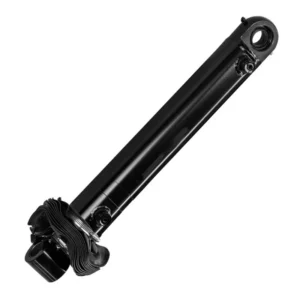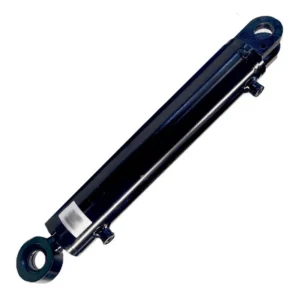

Hydraulic Lifting Cylinder for Pallet Stacker Trucks
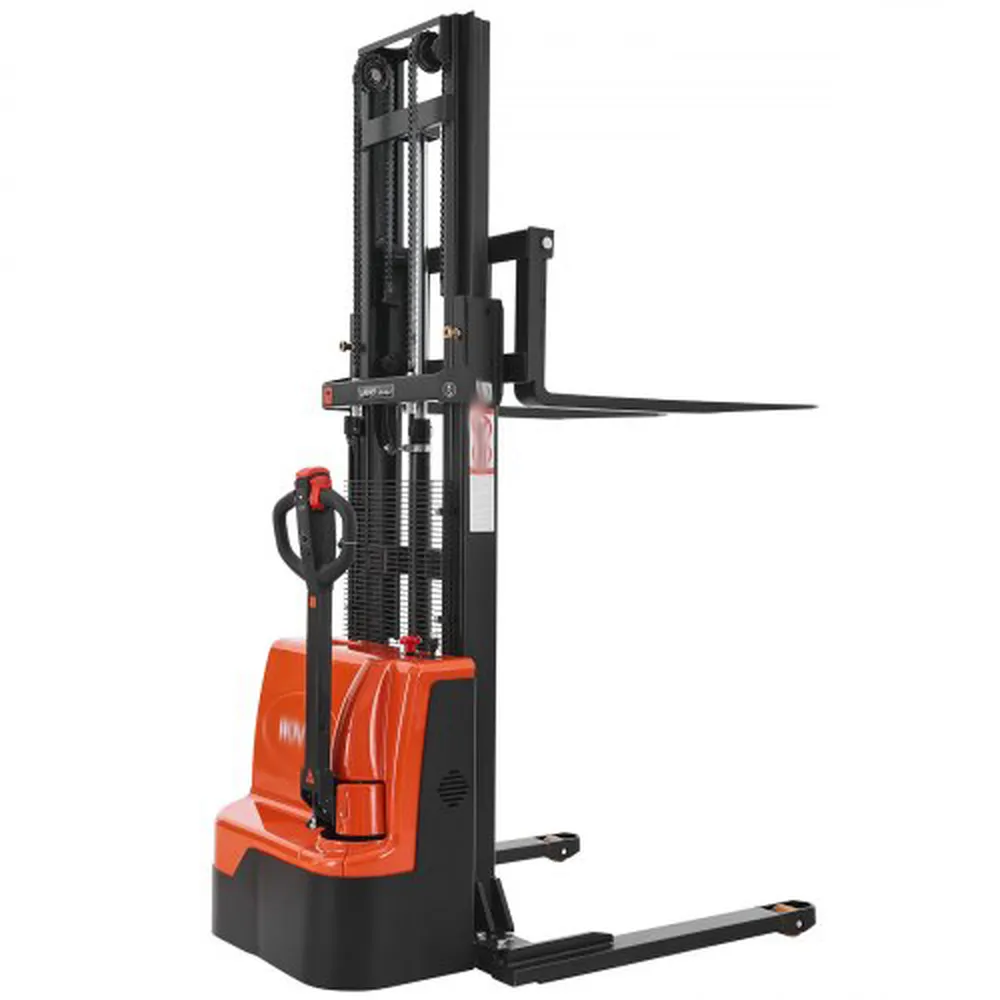
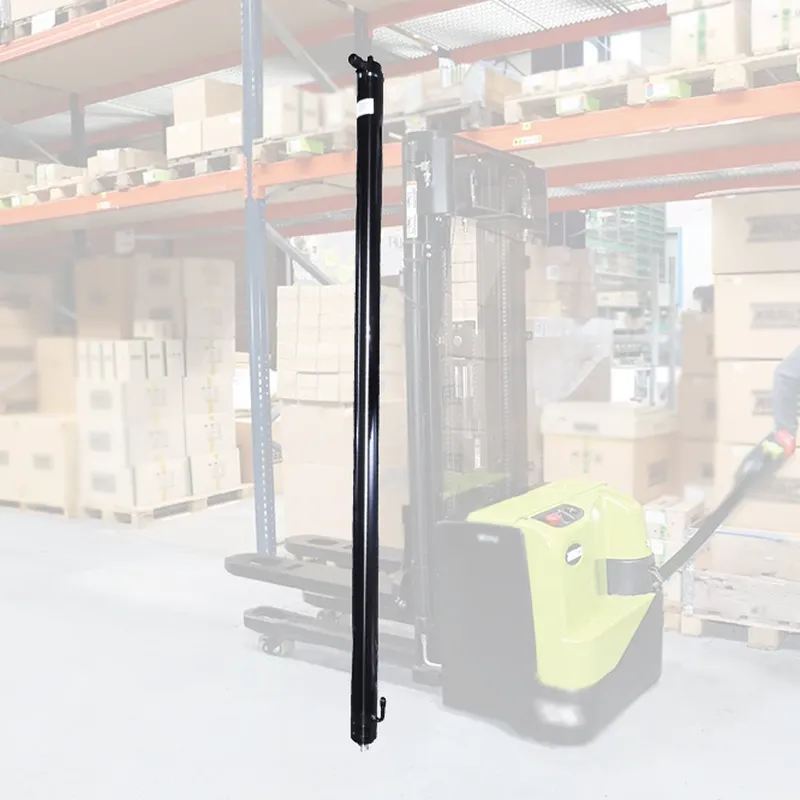
In the realm of material handling equipment, the hydraulic lifting cylinder stands as a cornerstone component for pallet stacker trucks, facilitating the vertical movement essential for loading and unloading operations. This specialized cylinder, often referred to as a lifting hydraulic cylinder, converts hydraulic energy into mechanical force, enabling the forks of the truck to elevate loads with remarkable efficiency. Designed with precision engineering, it incorporates a robust barrel, piston, and rod assembly that withstands high pressures, ensuring consistent performance in diverse industrial settings.
Pallet Stacker Truck Lifting Cylinder Overview
In the realm of material handling equipment, the hydraulic lifting cylinder stands as a cornerstone component for pallet stacker trucks, facilitating the vertical movement essential for loading and unloading operations. This specialized cylinder, often referred to as a lifting hydraulic cylinder, converts hydraulic energy into mechanical force, enabling the forks of the truck to elevate loads with remarkable efficiency. Designed with precision engineering, it incorporates a robust barrel, piston, and rod assembly that withstands high pressures, ensuring consistent performance in diverse industrial settings. For businesses in Mexico, where logistics and warehousing demand reliable tools, this hydraulic lift cylinder addresses the need for safe and swift handling of pallets, crates, and other materials. Its integration into pallet stacker trucks minimizes manual effort, reducing the risk of workplace injuries while optimizing operational flow.
Furthermore, the hydraulic lifting cylinder's adaptability makes it suitable for various truck models, from manual to electric variants commonly used in Mexican distribution centers. Leveraging pressurized fluid dynamics, it provides controlled extension and retraction, which is crucial for maintaining load stability during elevation. Operators appreciate the smooth motion that prevents abrupt shifts, thereby protecting both the equipment and the goods being transported.
Hydraulic Lifting Cylinder Dimensions

Technical Specifications
| drawing number | bore diameter (D) | rod diameter (d) | stroke (S) | Installation distance (L) | working pressure | Interface dimensions (M) | weight |
| N30M300-5/400000-000 | Φ56 | Φ45 | 1500 | 1658 | 18.1MPa | G1/2 | 32.6kg |
| A2A30M300-400000-000 | Φ56 | Φ45 | 1500 | 1658 | 18.1MPa | M22*1.5 | 36kg |
| 3.5N4.5H-400000-003 | Φ60 | Φ45 | 1505 | 1780 | 17.5MPa | M22*1.5 | 41kg |
| N35M300-5/400000-001A | Φ60 | Φ45 | 1500 | 1808 | 18.1MPa | G1/2 | 46kg |
| A2A35M300-400000-000 | Φ60 | Φ45 | 1500 | 1808 | 18.1MPa | M22*1.5 | 50kg |
| Product Name: | Lift Hydraulic Cylinder |
| Function: | To achieve the lifting and lowering action of the gantry. |
| Cylinder diameter: | 65mm-190mm |
| Rod diameter: | 50mm-160mm |
| Travel: | 100mm-3490mm |
| Maximum pressure: | 21MPa |
| Maximum thrust: | 596KN |
Key Features of Hydraulic Lifting Cylinders
The hydraulic lifting cylinder excels in delivering efficient lifting capabilities for heavy loads, making it an ideal choice for pallet stacker trucks in high-volume environments. Its design focuses on converting hydraulic pressure into reliable mechanical force, which allows for effortless elevation of pallets without excessive strain on the equipment or operators. This feature is particularly beneficial in Mexican warehouses where space constraints demand compact yet powerful solutions. The cylinder's construction from high-strength steel ensures it can handle repeated cycles of use, resisting wear from daily operations.
Durability and Material Composition
Built with premium materials, the lifting hydraulic cylinder incorporates seals that prevent fluid leakage, maintaining consistent pressure over extended periods. This durability translates to fewer breakdowns, which is crucial for maintaining workflow in busy logistics hubs.
Precision and Control Mechanisms
Operators benefit from the precise control offered by the hydraulic lift cylinder, enabling fine adjustments during loading processes. This reduces the likelihood of product damage and enhances overall safety protocols.
In addition to these, the cylinder's versatility allows integration with various truck models, supporting a range of applications from light to heavy-duty tasks. Businesses can expect improved energy efficiency, as the system optimizes fluid usage to minimize power consumption.
- Robust seals for leak prevention
- High-pressure tolerance up to 21MPa
- Compatible with multiple interfaces like G1/2 and M22*1.5
Advantages of Using a Lifting Hydraulic Cylinder in Pallet Operations
Adopting a lifting hydraulic cylinder in pallet stacker trucks offers substantial advantages, primarily in boosting operational efficiency. By providing smooth and consistent lifting, it reduces the time required for each cycle, allowing teams to process more inventory in shorter periods. This is especially advantageous in Mexico's competitive logistics market, where timely deliveries are key to customer satisfaction.
Efficiency and Productivity Gains
The hydraulic lift cylinder's ability to handle maximum thrusts of 596KN means it can manage heavier loads without compromising speed, leading to higher throughput in distribution centers.
Cost-Effectiveness Over Time
With minimal maintenance requirements due to its durable build, the cylinder lowers long-term ownership costs, providing a strong return on investment for industrial users.
Moreover, the advantages extend to safety enhancements, as the controlled motion prevents accidents associated with manual lifting. Environmental benefits include reduced energy use compared to older mechanical systems.
- Lower operational costs through durability
- Enhanced safety with stable load handling
- Adaptability to various industrial needs
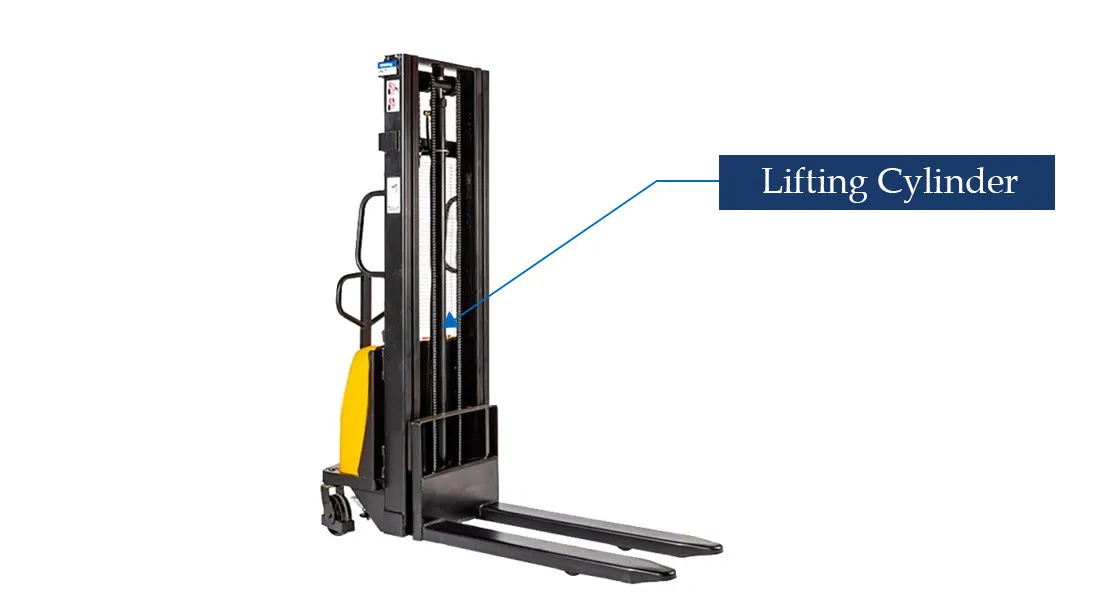
Working Principle of Hydraulic Lift Cylinder Explained
To grasp the core mechanics of a hydraulic lift cylinder in pallet stacker trucks, it's essential to start with the foundational concept of fluid pressure transmission. This relies on the idea that when force is exerted on a confined liquid, it spreads uniformly throughout the system, allowing even small inputs to generate substantial output forces. In practice, for equipment operating in bustling Mexican warehouses, the process kicks off as the operator activates the hydraulic pump, which pulls oil or similar fluid from a storage tank and compresses it through a network of hoses into the cylinder's lower section.
During the upward motion stage, the incoming pressurized fluid exerts force against the piston's broad surface, driving it along the cylinder barrel and extending the attached rod. This action lifts the truck's forks, along with any stacked pallets, in a steady ascent. Control valves play a pivotal role here, modulating the flow to prevent sudden jerks that could destabilize loads or strain the machinery. Such precision is vital in environments like automotive assembly plants in Monterrey or food distribution hubs in Guadalajara, where consistent handling directly impacts daily output.
For descending operations, the system shifts by opening a bypass or relief valve, permitting the fluid to drain back into the reservoir. Gravity aids the piston's retreat, but damping mechanisms ensure a gentle lowering to safeguard both the cargo and the operator. Throughout these cycles, high-quality seals around the piston and rod prevent any escape of fluid, preserving the internal pressure and avoiding inefficiencies like air ingress, which could lead to spongy performance.
What sets this setup apart in real-world use is its inherent force amplification through fluid dynamics— a modest pump can multiply effort many times over, enabling the handling of loads far beyond manual capabilities. Precision in valve design allows for fine-tuned speed adjustments, catering to varying task demands, while built-in pressure relief features act as safeguards against overloads, reducing the risk of component failure. In Mexican industrial contexts, where equipment often runs extended shifts amid humid or dusty conditions, this reliability translates to fewer interruptions and lower repair costs.

Pallet Stacker Truck Hydraulic Lifting Cylinder Applications
The hydraulic lifting cylinder serves as a vital component in numerous industrial sectors, with its primary utility evident in warehousing operations where pallet stacker trucks dominate daily tasks. In distribution centers throughout Mexico, this equipment enables the secure elevation of goods to elevated storage levels, often reaching several meters, which maximizes vertical space utilization and streamlines overall facility layout for better accessibility and organization.
Warehouse and Logistics Use
This application supports rapid placement of items on high shelves, which not only refines inventory tracking through systematic arrangement but also shortens the duration required for order fulfillment and outbound shipments. In environments such as those in Mexico City or border logistics hubs like Tijuana, operators rely on the cylinder's consistent performance to handle varying load weights, ensuring minimal delays during peak seasons and contributing to enhanced supply chain reliability over extended periods.
Manufacturing and Factory Environments
Within assembly lines, the lifting hydraulic cylinder plays a crucial role in accurately positioning raw materials or components for sequential processing, thereby improving the seamless integration of workflow stages and reducing manual intervention that could lead to errors or inefficiencies. Factories in regions like Monterrey, known for automotive and electronics production, benefit from its robust design, which accommodates repetitive cycles under controlled conditions, ultimately supporting higher output rates while adhering to stringent quality standards.
Beyond these core uses, the forklift hydraulic cylinders extend to retail storage areas for organizing backstock efficiently and to construction projects where it aids in temporarily raising materials like beams or tools at job sites. Its adaptable nature accommodates both enclosed indoor settings and exposed outdoor conditions, effectively managing challenges posed by Mexico's varied weather patterns, from arid deserts to coastal humidity, without compromising operational integrity.
- In warehouses, the hydraulic lifting cylinder facilitates precise pallet stacking by providing stable elevation mechanisms that handle loads up to several tons, optimizing space in compact facilities and enabling forklift operators to maintain safety protocols during multi-level storage operations, which is particularly advantageous in high-density urban Mexican warehouses facing space constraints.
- For factories, it ensures accurate material positioning through controlled hydraulic extension, allowing assembly teams to align parts with minimal adjustment time, thus minimizing production bottlenecks and enhancing precision in industries such as metal fabrication or consumer goods manufacturing prevalent across Mexico's industrial corridors.
- In logistics operations, the cylinder promotes efficient transport by enabling quick adjustments in load heights for seamless integration with conveyor systems or vehicles, reducing handling times at ports and distribution points, and supporting the fast-paced demands of cross-border trade that characterizes much of Mexico's economy.
Maintenance Practices for Hydraulic Lift Cylinder Longevity
Effective upkeep of the hydraulic lift cylinder directly influences its operational reliability and service life in pallet stacker trucks. In Mexican industrial settings, where equipment often faces dust from dry seasons or moisture in coastal areas, consistent maintenance prevents minor issues from escalating into costly repairs or unplanned downtime.
Routine Inspections
Conduct visual and functional checks at least weekly during active use. Look for surface damage on the chrome-plated rod, such as scratches or pitting that can tear seals over time. Measure rod straightness if the cylinder starts drifting sideways under load. Inspect mounting pins and clevises for play, as loose connections accelerate wear on both the cylinder and the truck frame. Early detection of these problems keeps the unit performing at full thrust capacity without sudden pressure drops.
Lubrication and Cleaning
Keep the exposed rod clean and lightly coated with hydraulic oil or a compatible grease to reduce friction and repel contaminants. In humid regions like Veracruz or Tabasco, wipe the rod daily when retracted to remove condensation that leads to rust. Use only approved lubricants on pivot points and avoid silicone sprays that attract dirt. Regular cleaning extends seal life significantly and maintains smooth extension/retraction speeds even after thousands of cycles.
Fluid Management and Filtration
Monitor hydraulic oil condition every 500 operating hours or quarterly, whichever comes first. Send samples for analysis if the system runs in extreme temperatures common in northern Mexico deserts or high-altitude facilities. Replace filters during each service interval and use only oils meeting the manufacturer's viscosity and additive specifications. Contaminated or degraded fluid is the primary cause of internal scoring and seal failure in lifting cylinders operating at 18–21 MPa.
Scheduled professional servicing every six to twelve months, depending on duty cycle, includes full disassembly when needed, seal kit replacement, and pressure testing to verify the cylinder still meets original thrust values. Operators in heavy-use warehouses near Mexico City or Monterrey typically achieve 8–12 years of service life by following this regimen strictly.
- Seal replacements for integrity: Install genuine or OEM-equivalent seal kits during scheduled maintenance; mismatched materials fail quickly under high pressure and temperature swings typical in Mexican climates.
- Fluid changes for purity: Drain and replace hydraulic fluid completely every 2,000 hours or annually; this removes water, metal particles, and varnish that reduce lubrication properties and damage precision-honed cylinder bores.
- Corrosion prevention measures: Apply protective coatings or sleeves on exposed rods for units working outdoors or in wash-down areas; in salty coastal environments, consider stainless steel rods or upgraded plating from the start.
- Pressure testing after reassembly: Always bench-test rebuilt cylinders to 1.5 times working pressure before reinstallation to confirm no internal bypass and that relief valves hold correctly.
- Record keeping: Maintain a log of stroke counts, fluid changes, and repairs for each cylinder; this documentation helps predict remaining life and justifies replacement before catastrophic failure occurs in critical applications.

Why Choose Mexico Ever-Power's Hydraulic Lifting Cylinder?
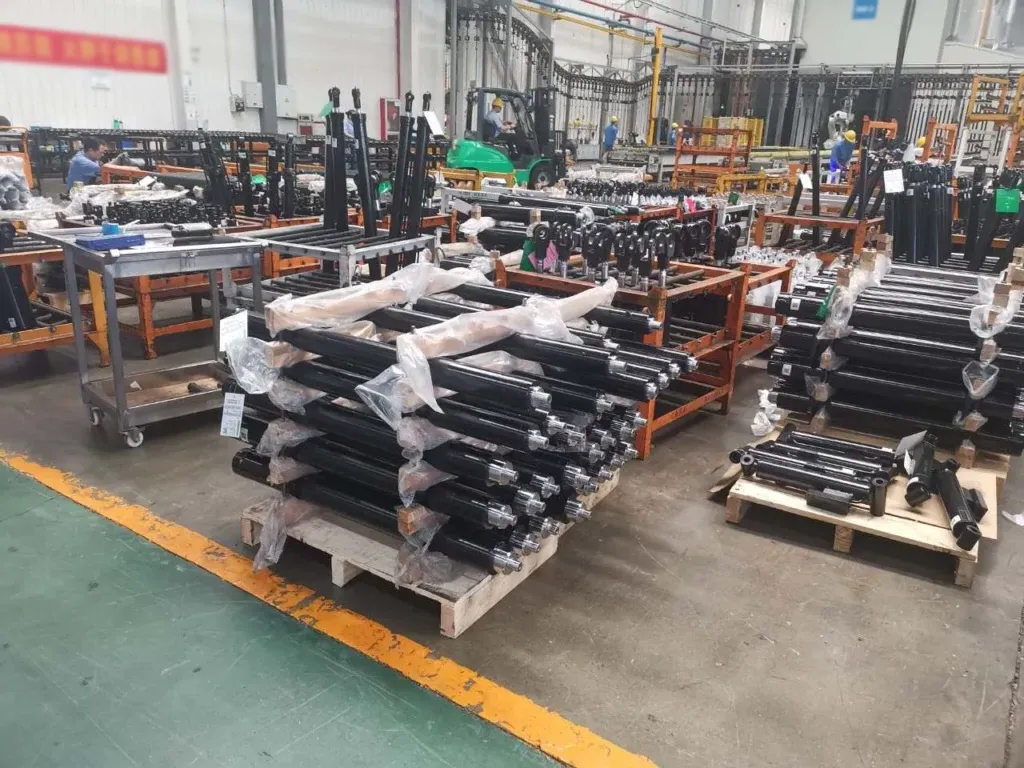
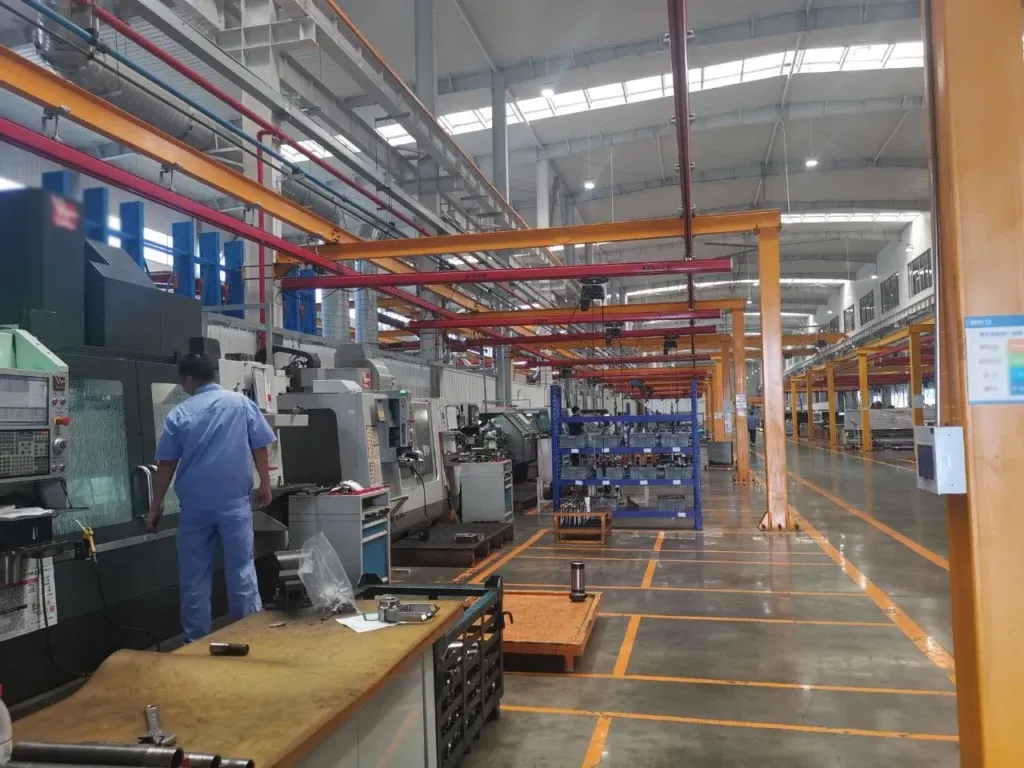
Selecting Mexico Ever-Power as your supplier for hydraulic lifting cylinders means partnering with a company established in May 1978, renowned for its expertise in mid to high-end hydraulic components. Our global presence, exporting to over 34 countries including strong footholds in North America, ensures we understand the unique demands of the Mexican market, from bustling urban warehouses in Mexico City to industrial hubs along the border regions.
We offer a comprehensive range of products, from forklift to marine hydraulic cylinders, backed by our in-house research institute and quality assurance systems. This commitment to innovation provides clients with reliable, customized solutions that enhance operational efficiency, whether for pallet stacker trucks in logistics centers or specialized applications in mining and construction across Mexico's diverse terrains.
Our advantages include responsive service, compliance with international standards, and a focus on durability, making us a trusted choice for professionals in logistics and manufacturing. As a high-tech enterprise based in Polanco, Mexico City, we operate from a strategic location that facilitates swift local deliveries and direct support, with our team available via phone or email for immediate consultations on hydraulic lifting cylinder specifications.
Our track record speaks volumes: serving well-known enterprises across sectors like wind power generation, environmental sanitation, and offshore operations, we have earned recognition for delivering cylinders that are not only durable but also cost-effective over their lifecycle. By choosing Mexico Ever-Power, you gain access to advanced technology that supports sustainable practices, such as energy-efficient designs that align with Mexico's growing emphasis on green industrial initiatives. This holistic approach—combining local expertise with international reach—positions us as the preferred partner for businesses seeking long-term value in hydraulic components.
 |
 |
 |
 |
FAQs
Q: What are the key differences between hydraulic lift cylinder bore and rod diameters?
A: The bore diameter primarily determines the force generated by influencing the piston's surface area exposed to fluid pressure, whereas the rod diameter focuses on structural integrity to resist bending under heavy loads; available sizes span 65mm to 190mm for bores and 50mm to 160mm for rods, enabling tailored selections for various pallet stacker models used in Mexican industries.
Q: Can I customize the stroke length of a hydraulic lifting cylinder for my specific truck model?
A: Certainly, we provide customization options for stroke lengths ranging from 100mm up to 3490mm, designed to precisely fit your pallet stacker truck's requirements, whether for compact urban warehouses in Mexico City or larger rural storage facilities, ensuring optimal reach and compatibility through our engineering consultations at no extra initial cost.
Q: How to troubleshoot leaks in a lifting hydraulic cylinder system?
A: Start by examining all seals, hoses, and fittings for cracks or loose threads, then verify fluid levels and quality to rule out contamination; if issues persist, replace damaged components promptly and bleed the system to remove air pockets, a common fix in humid Mexican climates that restores full pressure and prevents operational halts.
Q: What maintenance schedule is recommended for hydraulic lift cylinders in industrial use?
A: We suggest quarterly inspections that cover fluid replacement, seal condition assessments, and rod alignment checks, supplemented by annual professional overhauls for high-usage scenarios in Mexican factories; this routine, when followed diligently, mitigates wear from dust or heat, preserving efficiency and avoiding unexpected breakdowns in sectors like manufacturing near Monterrey.
Q: Are hydraulic lifting cylinders compatible with electric pallet stacker trucks?
A: Yes, our hydraulic lifting cylinders are fully compatible with electric pallet stacker trucks, as well as manual versions, thanks to standardized interfaces and adaptable mounting designs that integrate without modifications, making them ideal for modern Mexican warehouses transitioning to battery-powered equipment for reduced emissions and quieter operations.
Q: How does the working principle of a hydraulic lifting cylinder ensure safety?
A: Through regulated valve mechanisms that control fluid flow, the cylinder avoids abrupt movements by enabling gradual releases during lowering, which stabilizes loads and minimizes tipping risks; this built-in feature is especially critical in crowded Mexican industrial spaces, where it complies with local safety codes and protects workers from potential hazards during daily pallet handling.
Q: What industries benefit most from using lifting hydraulic cylinders?
A: Warehousing gains from optimized vertical storage, manufacturing from precise material placement on assembly lines, and logistics from quicker vehicle loading; in Mexico, these sectors, including automotive in Puebla and food processing in Sinaloa, experience marked productivity improvements, cost reductions, and safer workflows due to the cylinder's reliable performance under varied conditions.
Q: How to install a hydraulic lift cylinder on a pallet stacker truck safely?
A: Begin with proper alignment of mounting brackets and secure bolting, followed by connecting hydraulic lines without kinks; always conduct initial tests without loads to confirm smooth extension and check for leaks, adhering to manufacturer guidelines to ensure stability, particularly important in Mexico's seismic-prone areas for long-term equipment reliability.
Q: What is the expected lifespan of a hydraulic lifting cylinder under daily use?
A: Under routine daily operations with adequate care, such as timely fluid changes and seal monitoring, these cylinders typically endure 10 to 15 years, though lifespan varies based on load intensity and environmental factors like humidity in coastal Mexican regions, allowing businesses to maximize investment returns through consistent performance.
Q: How to select the right interface dimensions for my hydraulic lifting cylinder?
A: Assess your existing system's fittings first, then match to options like G1/2 or M22*1.5 threads for seamless connections; consult our specs for compatibility with your pallet stacker model, ensuring pressure integrity and leak-free operation, a key consideration for Mexican users integrating with diverse imported or local truck brands.
Q: What are common signs of wear in a lifting hydraulic cylinder?
A: Watch for slowed lifting speeds indicating internal friction, visible fluid leaks around seals, or unusual noises during cycles suggesting rod misalignment; in Mexican settings with high dust exposure, these symptoms signal the need for immediate intervention to prevent complete system failure and maintain operational uptime.
Customer Reviews
Juan R. – Guadalajara
I've been using this hydraulic lifting cylinder on our pallet stackers for over a year now, and it's held up exceptionally well under constant 18.1MPa pressure. The smooth operation has cut our loading times by half in the factory. Great value from Ever-Power's team.
Maria L. – Monterrey
Excellent service from Mexico Ever-Power – they customized the stroke to 1500mm for our specific needs. Delivery was prompt, arriving in just two weeks, which kept our warehouse running without interruption. Highly satisfied with the durability.
Pedro S. – Tijuana
The build quality of this lifting hydraulic cylinder is top-notch; no wear after eight months of heavy use in our distribution center. It handles 41kg weight models effortlessly, boosting our efficiency during peak seasons. Recommend for reliable performance.
Ana G. – Puebla
What stands out is the customer support – they guided us through installation seamlessly. The cylinder's precise control has minimized accidents, and logistics were flawless with tracking provided. A solid choice for any Mexican operation.
Luis T. – Cancun
We've noticed significant cost savings since switching to Ever-Power's hydraulic lift cylinder. The 596KN thrust manages our heaviest pallets without issue, and after six months, maintenance has been minimal. Fast shipping impressed us too.
Sofia M. – Veracruz
This product transformed our small warehouse setup. The features like leak-proof seals ensure consistent lifting, and the team's attitude during inquiries was professional. Used for three months now, and it's exceeded expectations in terms of speed and reliability.
Roberto H. – Mexico City
Focused on the technical specs, the Φ60 bore diameter fits perfectly with our trucks. Ever-Power's quality control is evident, with no failures in daily operations over nine months. Their after-sales service is responsive, making the whole experience worthwhile.
Additional information
| Edited by | Yjx |
|---|