
Log Splitter Hydraulic Cylinders
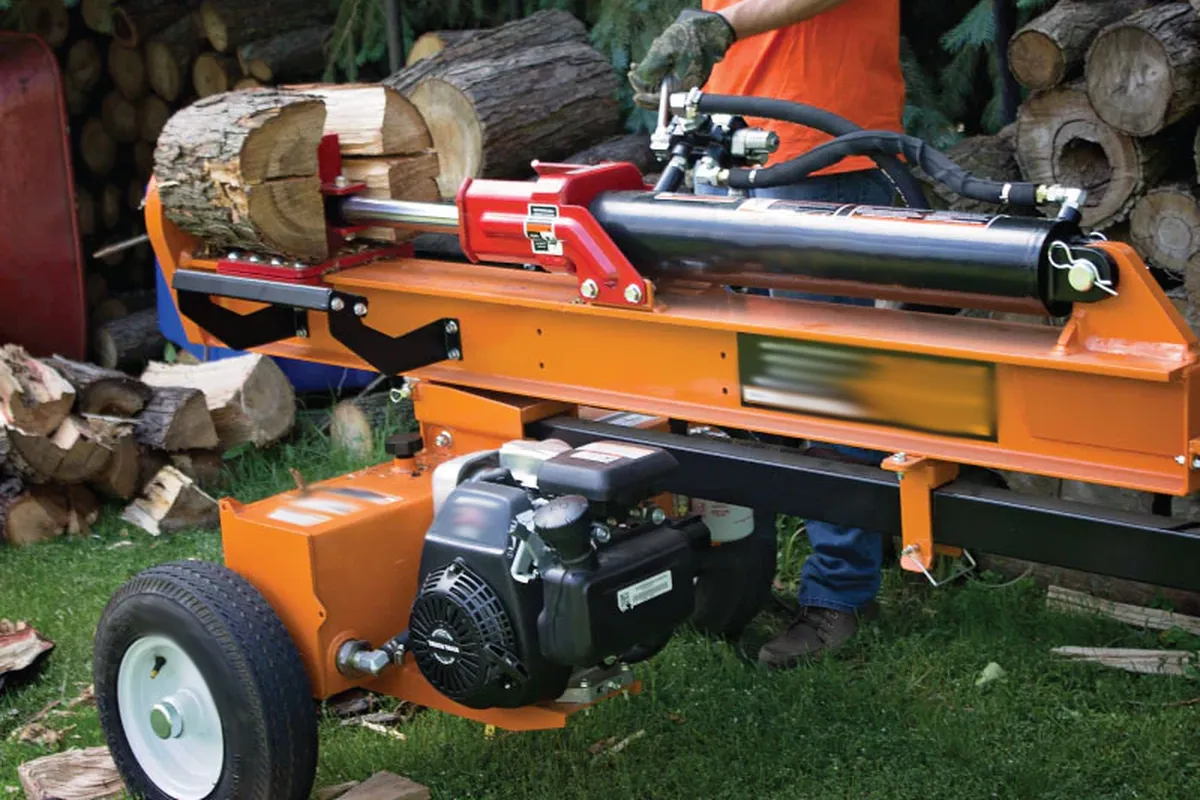
Log splitter hydraulic cylinders are heavy-duty and premium quality hydraulic equipment that can withstand up to 3500 psi of operating pressure. Our premium quality log splitter can help you save plenty of time and labor-intensive work. It can help to complete various jobs in different industries, such as technology, forestry, domestic settings, and other mobile hydraulic applications. Made from quality steel and chrome plating, log splitter hydraulic cylinders can handle the toughest wood splitting jobs without disappointment.
Hydraulic Cylinder for Log Splitter
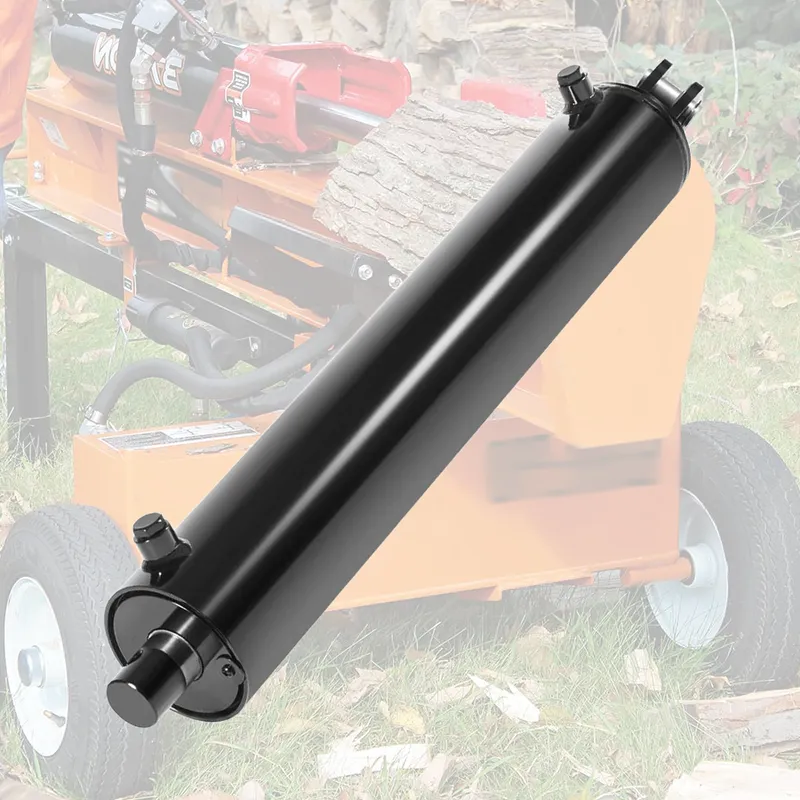
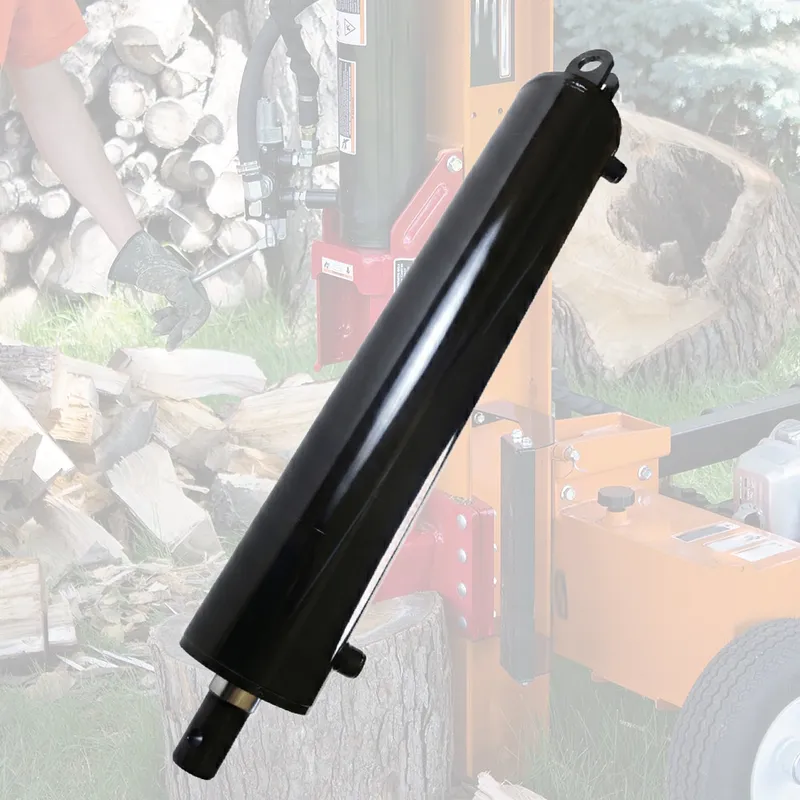
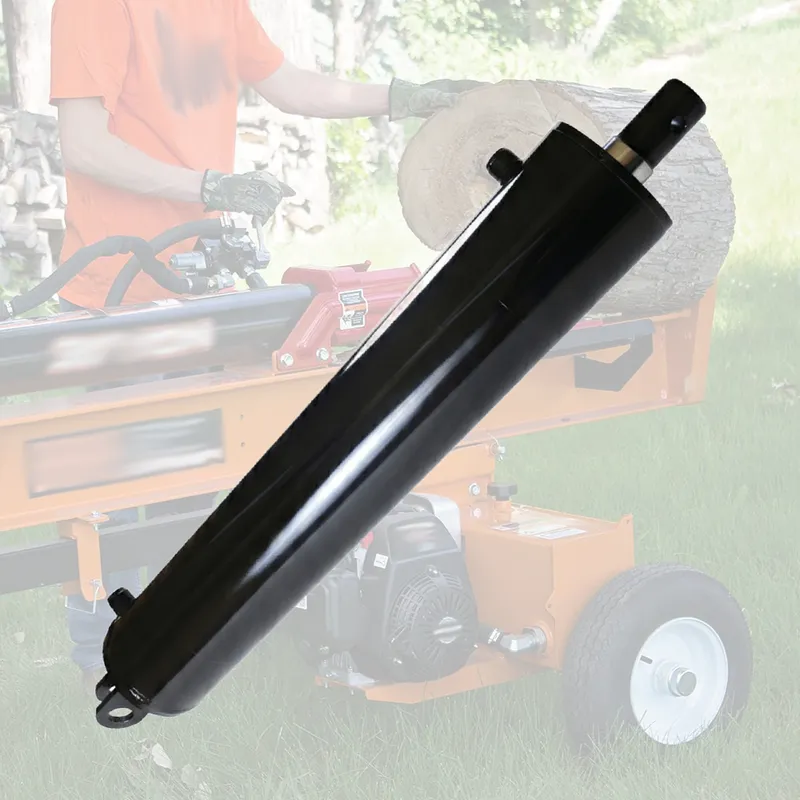
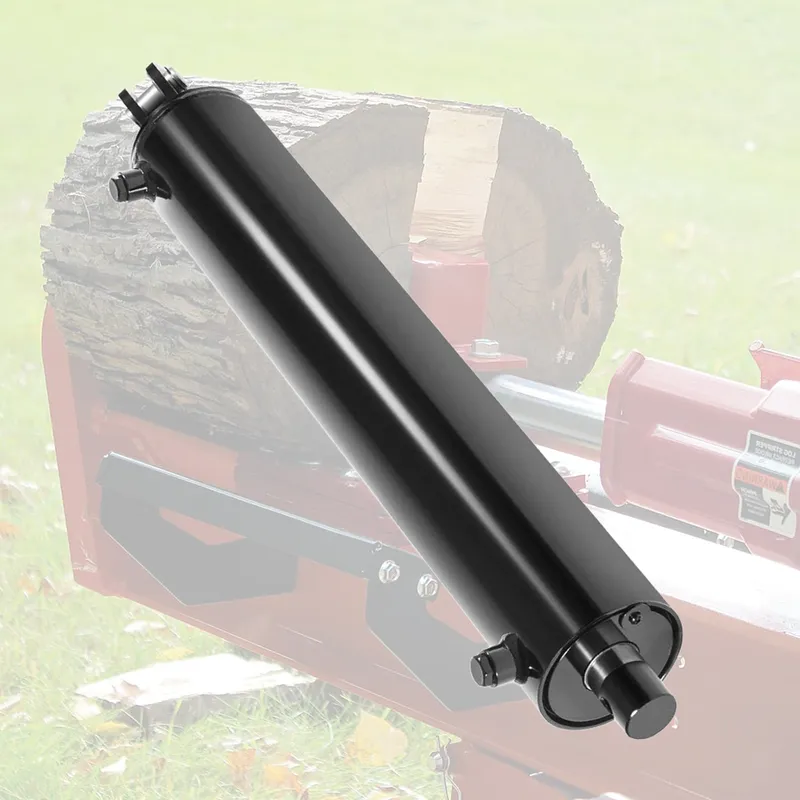
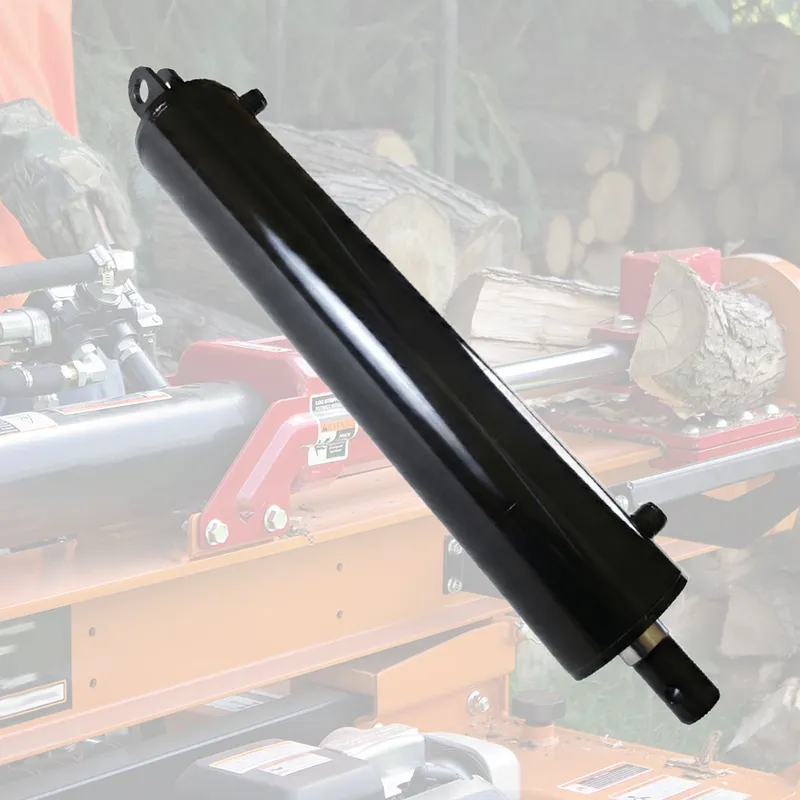
What Is a Log Splitter Hydraulic Cylinder?
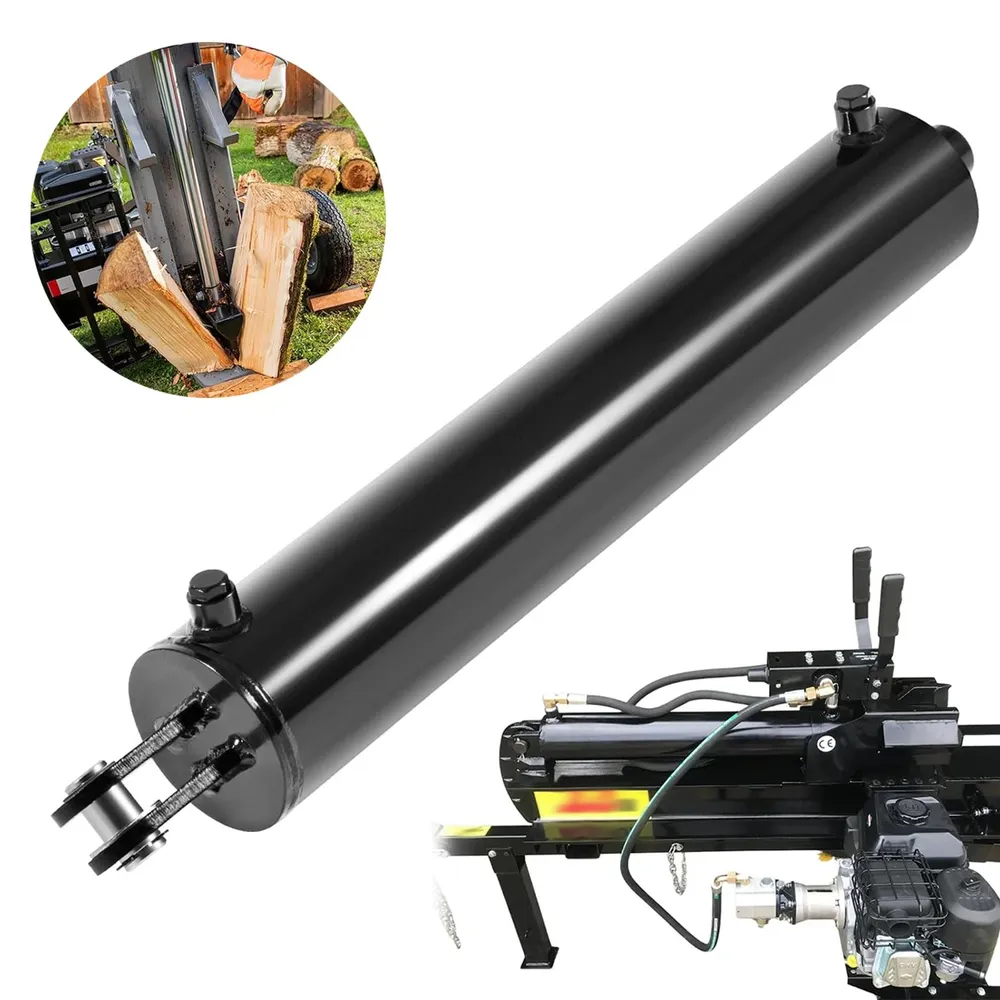
Log splitter hydraulic cylinders are robust, high-performance components designed for demanding wood-splitting tasks across various sectors. Engineered to endure pressures up to 3500 psi, these cylinders deliver exceptional force and reliability, significantly reducing manual effort and boosting efficiency in operations. Constructed from premium-grade steel with chrome plating, they resist wear and corrosion, ensuring longevity even under harsh conditions. The honed cold-drawn tube provides superior durability, while the ground and polished hard chrome-plated rod enhances smooth operation and strength. For secure mounting, the base end features a welded clevis design, offering stability during heavy use, and the rod end includes a drilled pin-hole for versatile adaptations.
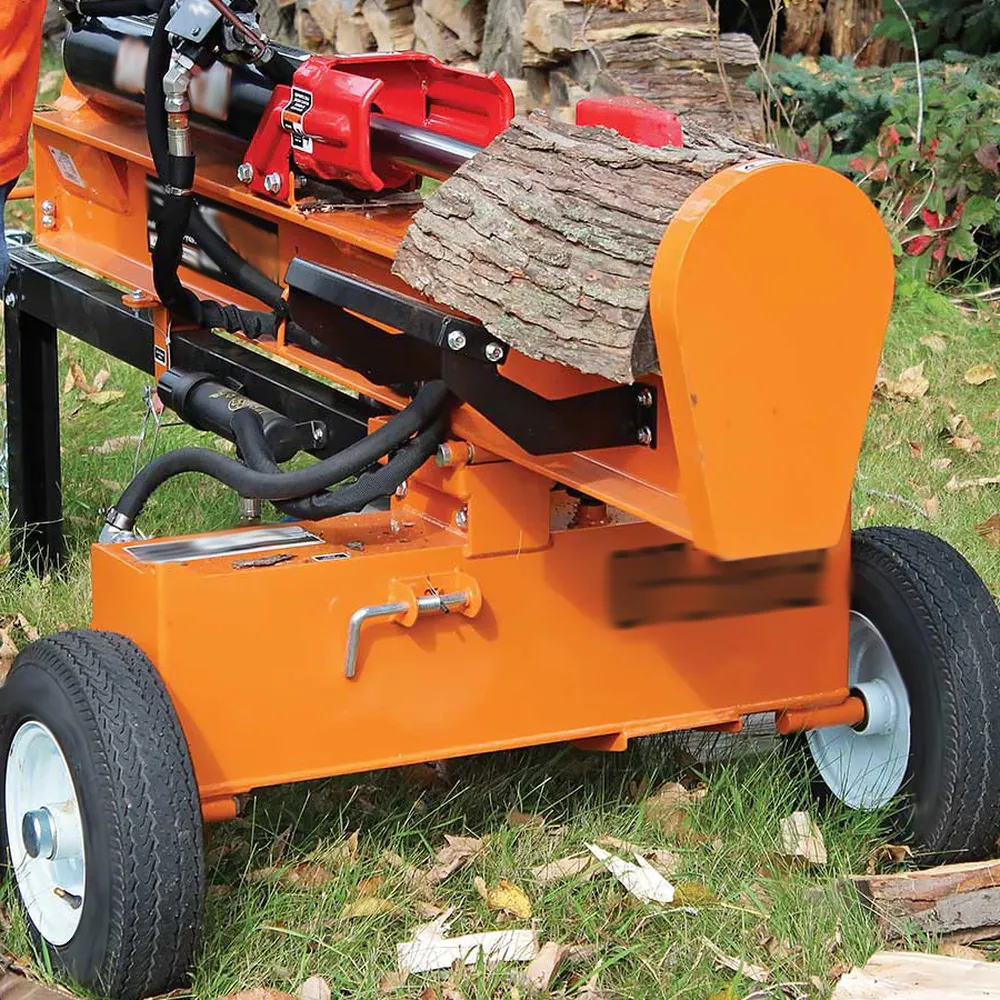
These cylinders incorporate advanced sealing technology, including U-cup polyurethane rod seals with an inner O-ring, POM-C wear rings for reduced friction, and a polyurethane wiper to prevent contaminants from entering. This setup minimizes leaks and maintains optimal performance over time. Ideal for integration with diverse equipment such as skid steers, electric or gas-powered splitters, and 3-point tractor systems, they cater to forestry, agricultural, and residential needs. Replacement parts are readily available, making them a practical choice for custom builds or maintenance. At Mexico Ever-Power, we offer a range of sizes to match specific requirements, helping users tackle tough jobs with confidence and precision. Whether splitting dense hardwoods or handling routine tasks, these cylinders stand out for their quality craftsmanship and adaptability in mobile hydraulic applications.
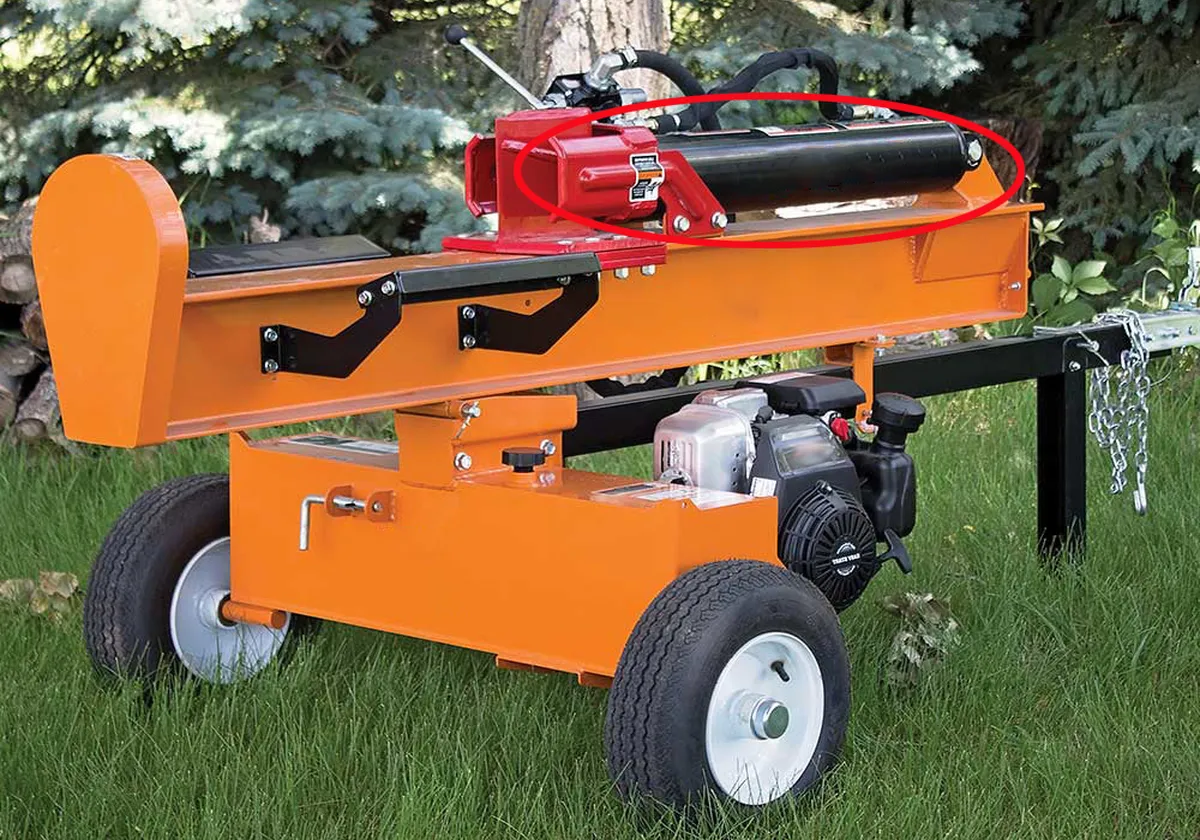
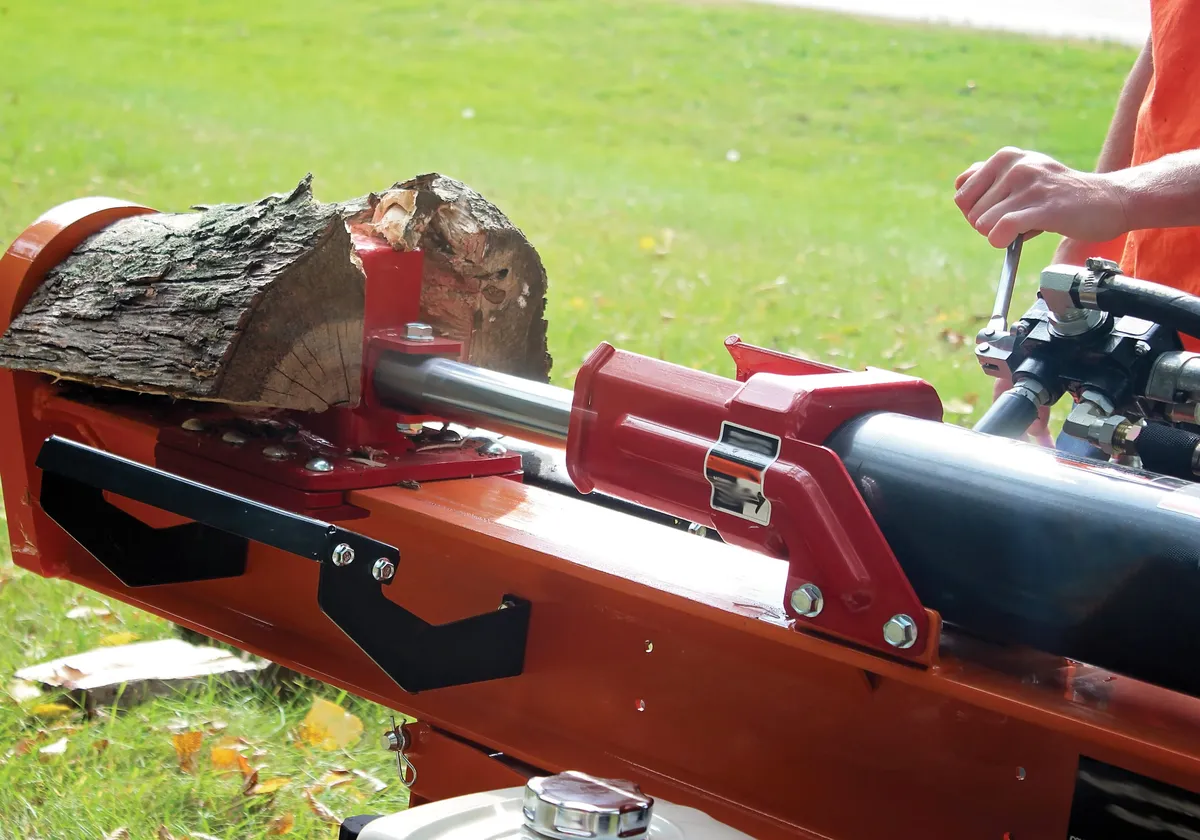
What Size Hydraulic Cylinder for Log Splitter?
The log splitter hydraulic cylinder specification parameter table outlines key dimensions for optimal performance in wood-splitting applications. It includes models such as the 4-inch bore with 24-inch stroke for standard heavy-duty tasks, the 4.5-inch bore with 24-inch stroke offering enhanced power for denser materials, the 4-inch bore with 30-inch stroke for extended reach in larger logs, the 5-inch bore with 24-inch stroke providing superior force in compact setups, and the 5-inch bore with 30-inch stroke ideal for high-volume operations. Custom hydraulic cylinders are also available to meet specific requirements, ensuring compatibility with various equipment like skid steers or tractors. This selection is based on operational needs, pressure ratings up to 3500 psi, and durable construction features.
| SKU | Bore | Stroke | Rodø | Retracted | Extended | Pinø(base) | Pinø(rod) | Port Size | Column Load | Weight |
| WLS 4×24 | 4 in | 24 in | 1.75 in | 34.5 in | 58.5 in | 1.125 in | 0.563 in | 1/2″ NPT | 36,000 LBs | 67 LBs |
| WLS 4×30 | 4 in | 30 in | 1.75 in | 40.5 in | 70.5 in | 1.125 in | 0.563 in | 1/2″ NPT | 36,000 LBs | 75 LBs |
| WLS 4.5×24 | 4.5 in | 24 in | 1.75 in | 34.5 in | 58.5 in | 1.125 in | 0.563 in | 1/2″ NPT | 42,200 LBs | 80 LBs |
| WLS 5×24 | 5 in | 24 in | 2 in | 34.5 in | 58.5 in | 1.125 in | 0.563 in | 1/2″ NPT | 58,900 LBs | 89 LBs |
| WLS 5×30 | 5 in | 30 in | 2 in | 40.5 in | 70.5 in | 1.125 in | 0.563 in | 1/2″ NPT | 58,900 LBs | 103 LBs |
Log Splitter Hydraulic Cylinder Parts
- Cylinder Barrel
This robust outer tube, crafted from high-tensile honed cold-drawn steel, forms the main body that contains hydraulic fluid under extreme pressure, ensuring structural integrity during repeated splitting cycles and resisting deformation in demanding forestry environments for prolonged service life. - Piston Rod
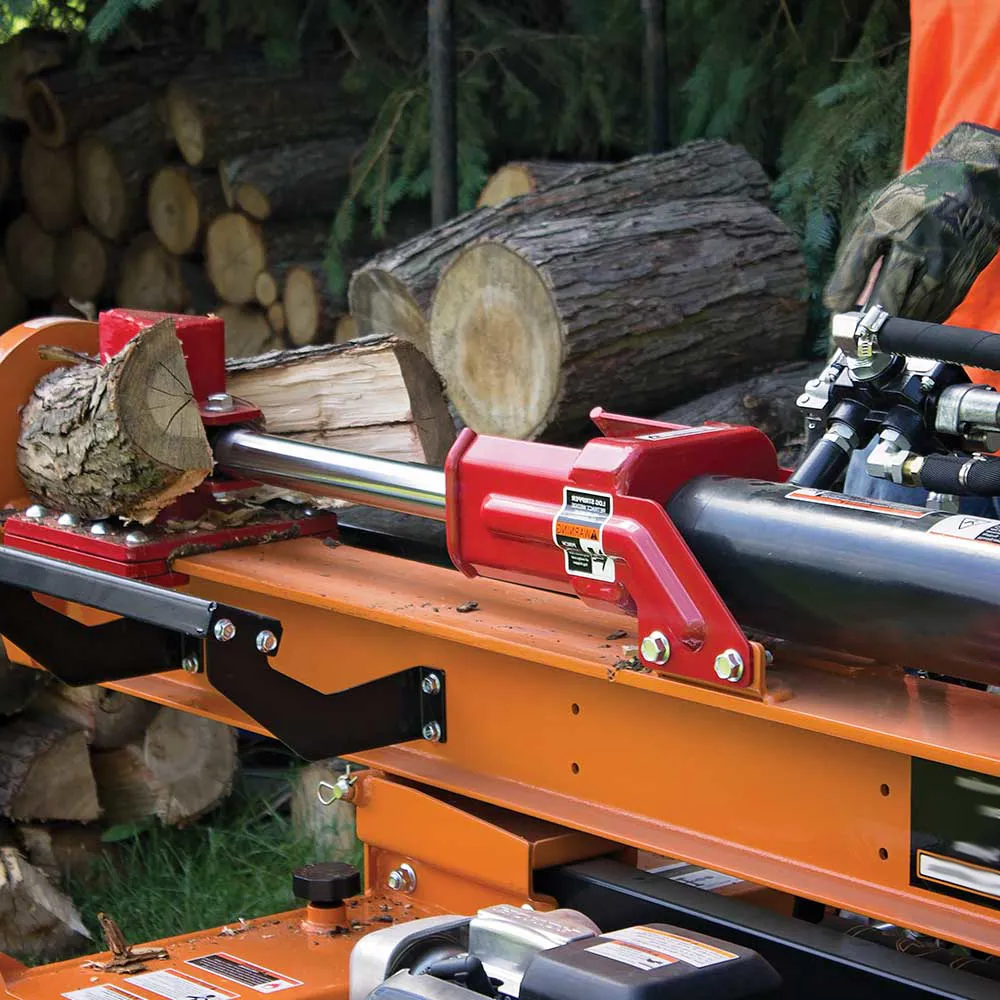
The ground and polished hard chrome-plated rod extends and retracts to apply splitting force, engineered with superior tensile strength to handle up to 3500 psi without bending, while its smooth surface minimizes friction and enhances operational efficiency in various mobile applications. - Piston Assembly
Positioned inside the barrel, this component divides the cylinder into chambers and converts hydraulic pressure into linear motion, featuring durable materials that maintain a tight seal against fluid leakage, supporting consistent performance in heavy-duty tasks like processing dense hardwoods. - Rod Seals
Comprising U-cup polyurethane with an integrated O-ring, these seals prevent hydraulic fluid escape around the rod, offering resilience against contaminants and high pressures, which contributes to reliable operation and reduces maintenance needs in outdoor settings.
- Wear Rings
Made from POM-C material, these rings guide the piston and rod to prevent metal-to-metal contact, distributing loads evenly to extend component lifespan and ensure smooth, vibration-free movement during intensive log splitting operations across different equipment types. - Polyurethane Wiper
Installed at the rod end, this wiper scrapes off dirt, moisture, and debris to protect internal components from damage, enhancing the cylinder’s durability in harsh conditions and maintaining hydraulic system cleanliness for optimal functionality over time. - Base End Mount
Featuring a welded clevis design, this mounting point provides a secure attachment to the log splitter frame, distributing forces effectively to withstand rigorous use, allowing for stable integration with tractors or skid steers in professional or residential setups. - Rod End Connection
Equipped with a drilled pin-hole, this end offers flexible customization for attaching splitting wedges or tools, enabling precise adaptations to specific job requirements and improving versatility in forestry, agricultural, or domestic hydraulic systems.
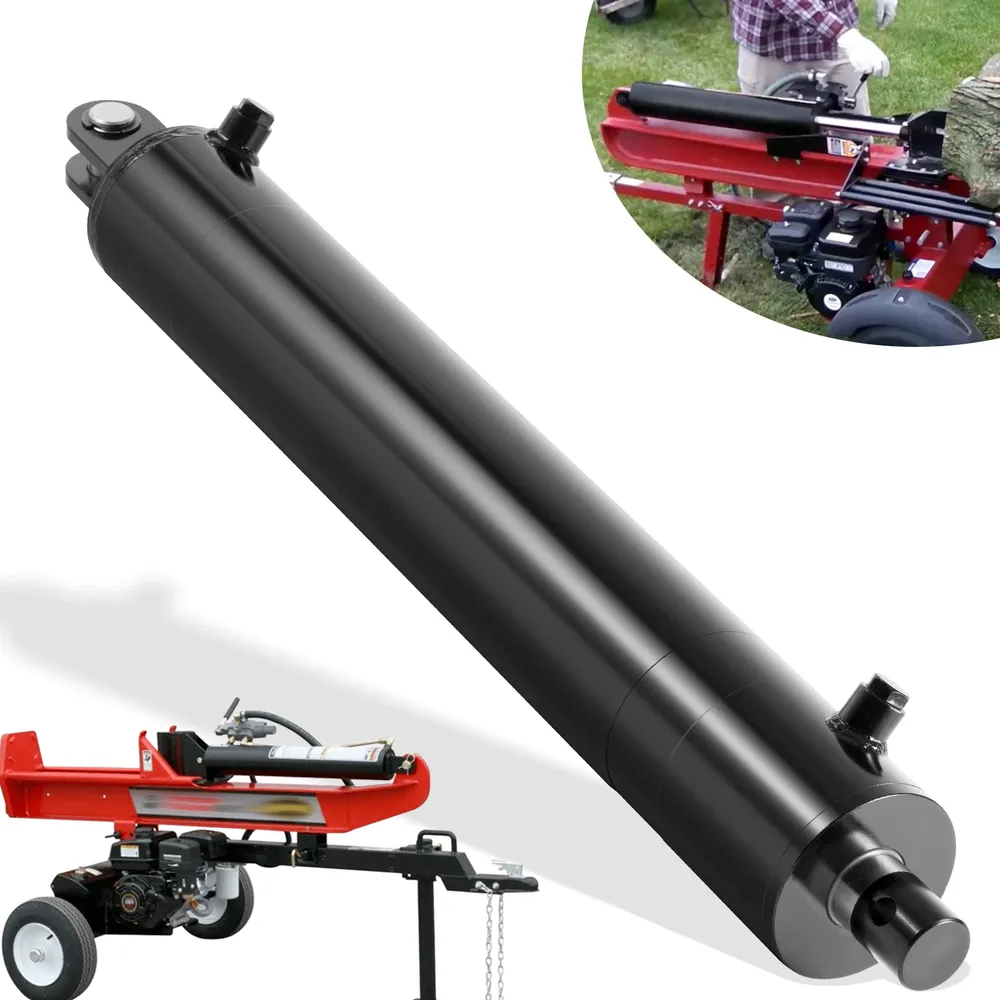
Hydraulic Log Splitter Cylinder Production Process
Material Selection and Preparation
High-tensile steel tubes and rods are carefully chosen for their strength and durability, cut to precise lengths using industrial saws, ensuring the components can withstand pressures up to 3500 psi in demanding log splitting applications, with initial inspections to verify material quality and dimensions for optimal performance.
Machining the Piston Rod
Solid steel rods undergo precision turning on CNC lathes to form threads, varying diameters for cushioning features, and central bores, followed by groove carving for seals, all calibrated to deliver smooth extension and retraction during heavy-duty wood processing tasks in forestry equipment.
Fabricating the Piston Assembly
The piston is machined from robust metal blanks, with threaded holes bored accurately to fit the rod, dimensions verified using specialized gauges to guarantee a perfect match, preventing any hydraulic fluid bypass that could compromise splitting efficiency in mobile hydraulic systems.
Installing Seals and Rings
Sealer rings, O-rings, and polyurethane wipers are fitted onto the piston and cylinder head to block leaks and contaminants, with careful lubrication applied to surfaces, ensuring long-term reliability against dirt and moisture in outdoor log splitting environments like skid steer attachments.
Assembling Piston and Rod
The piston is slid onto the rod end and secured with a high-torque nut using impact tools, creating a unified assembly that converts hydraulic pressure into powerful linear force, essential for tackling dense hardwoods without failure in custom-built or tractor-mounted splitters.
Welding the Barrel Cap
A robotic welding system attaches a cap to one end of the cylinder barrel, incorporating hose fittings for fluid entry, with welds inspected for integrity to handle extreme operational stresses, providing a sealed chamber critical for consistent performance in agricultural and domestic settings.
Inserting and Securing the Assembly
The barrel is stabilized in a fixture, lubricated, and fitted with a protective sleeve to guide the piston rod insertion without damaging seals, followed by threading and torquing the cylinder head to form a complete unit ready for pressure testing.
Final Securing and Engraving
Adhesive-locked screws are installed in the head to prevent loosening under vibration, then client-specific details like part numbers are engraved using automated tools, adding traceability and customization for integration with various log splitter models including gas or electric variants.
Pressure Testing and Leak Checks
Hydraulic oil is pumped through the cylinder at full pressure to cycle the rod multiple times, with technicians examining all joints and seals for leaks, confirming operational safety and efficiency before deployment in high-volume wood splitting operations.
Painting and Protective Finishing
The assembled cylinder receives a rust-resistant paint coating via spray application, enhancing corrosion protection for prolonged exposure to weather and elements, finalizing a product that meets stringent standards for durability in forestry and mobile hydraulic applications.
Custom Hydraulic Cylinder for a Log Splitter
- Tubing Customization
Clients can select from various high-tensile steel tubing options, including honed cold-drawn varieties in different diameters and wall thicknesses, to ensure the cylinder matches specific force requirements and withstands rigorous log splitting demands in forestry or agricultural setups, promoting enhanced durability and operational precision. - Rod Plating Options
Hard chrome plating on the piston rod can be adjusted for thickness and finish levels to resist corrosion and abrasion, ideal for outdoor environments where exposure to moisture and debris is common, thereby extending the rod’s lifespan and maintaining smooth performance during heavy-duty wood processing tasks. - Seal Configurations
Seals are customizable with materials like polyurethane U-cups, O-rings, and POM-C wear rings to suit varying pressure and temperature conditions, preventing leaks and contamination in mobile applications, which supports reliable functionality across skid steers, tractors, or electric splitters in diverse operational scenarios. - Mounting Ends Variations
Base and rod ends can be tailored with welded clevis mounts, drilled pin-holes, or other fittings to facilitate seamless integration with existing log splitter frames, offering flexibility for custom builds that enhance stability and adaptability in professional forestry equipment or residential use. - Pressure Rating Adjustments
Pressure capabilities up to 3500 psi or beyond can be specified based on the intended workload, allowing for cylinders that handle denser hardwoods without compromise, ensuring safety and efficiency in high-demand settings like commercial logging operations or custom tractor attachments. - Color Selection
Aesthetic and protective color options, such as rust-resistant paints in standard or branded hues, can be chosen to match equipment schemes or improve visibility, while also providing an extra layer of environmental protection for cylinders used in harsh outdoor conditions over extended periods. - Packaging Choices
Secure packaging methods, including foam inserts, wooden crates, or custom boxes, are available to protect cylinders during transit, minimizing damage risks and ensuring they arrive ready for immediate installation in log splitting systems, tailored to shipment volumes and destination requirements. - Labeling Personalization
Custom labels with part numbers, specifications, branding, or usage instructions can be applied for easy identification and compliance, aiding in inventory management and traceability for businesses relying on these cylinders in forestry, agricultural, or domestic hydraulic applications.
Selecting a Log Splitter Hydraulic Cylinder
Bore Diameter
This dimension determines the cylinder's force output, with larger bores like 4 or 5 inches generating greater splitting power for dense logs, essential for evaluating compatibility with equipment pressure ratings up to 3500 psi in forestry or agricultural operations, ensuring efficient performance without overloading the system.
Rod Diameter
A thicker rod, such as 2 inches or more, enhances bending resistance under heavy loads during extension, crucial for maintaining structural stability in high-impact splitting tasks, allowing users to assess durability against repeated cycles in skid steer or tractor-mounted setups for long-term reliability.
Pin Hole Diameter
The size of the pin hole at the rod end, typically 1 inch or customized, influences secure attachment of splitting wedges or tools, requiring careful selection to match mounting hardware and prevent slippage, thereby supporting safe and adaptable integration in various log processing environments.
Single or Double Acting
Single-acting cylinders rely on hydraulic pressure for extension and gravity or springs for retraction, suitable for basic splitters, while double-acting versions use pressure for both directions, offering precise control in demanding applications like commercial forestry, where users must weigh operational speed against system complexity.
Materials and Coatings
High-tensile steel construction with hard chrome plating on rods resists corrosion and wear in outdoor conditions, while honed tubes ensure smooth internal operation; evaluating these aspects guarantees longevity and minimal maintenance for cylinders exposed to moisture and debris in residential or professional hydraulic systems.
Application
Tailoring the cylinder to specific uses, such as mobile forestry equipment, domestic wood preparation, or industrial processing, involves considering factors like stroke length and mounting types to optimize efficiency, ensuring the selection aligns with workload demands and enhances overall productivity in targeted scenarios.
FAQs
How Does a Hydraulic Cylinder for Log Splitter Work?
What Are the Advantages of Using a Hydraulic Cylinder for a Log Splitter?
What Size Hydraulic Cylinder for Log Splitter Is Right for My Needs?
How to Install a Replacement Hydraulic Cylinder for Log Splitter?
How to Maintain Log Splitter Hydraulic Cylinder Seals?
What Makes the Best Hydraulic Cylinder for Log Splitter?
How to Bleed Hydraulic Cylinder for a Log Splitter?
What Are the Steps for Log Splitter Hydraulic Cylinder Disassembly?
How to Perform Log Splitter Hydraulic Cylinder Repair?
What Features Does a 30 Ton Hydraulic Cylinder for Log Splitter Offer?
Is a 30 Ton Log Splitter Hydraulic Cylinder Suitable for Heavy-Duty Tasks?
When to Choose a 50 Ton Hydraulic Cylinder for Log Splitter?
What About a 25 Ton Hydraulic Cylinder for Log Splitter for Residential Use?
A 25 ton hydraulic cylinder for log splitter is perfect for residential use, balancing power with manageability through 4-inch bores and 24-inch strokes for everyday firewood tasks. Its compact design, corrosion-resistant coatings, and easy-mount features make it user-friendly, allowing homeowners to achieve professional results with less effort and straightforward upkeep in domestic hydraulic setups.
How Does Hydraulic Cylinder Log Splitter Compatibility Affect Performance?
Customer Reviews
–John Davis, Forestry Worker, Seattle, United States
–Emily Carter, Ranch Owner, Calgary, Canada
–Hans Müller, Equipment Mechanic, Berlin, Germany
–Lars Svensson, Logger, Stockholm, Sweden
–Pierre Laurent, Arborist, Paris, France
–Ivan Petrov, Wood Processor, Moscow, Russia
–Olav Hansen, Contractor, Oslo, Norway
–Aino Korhonen, Homeowner, Helsinki, Finland
–Sarah Wilson, Farm Manager, Melbourne, Australia