
Excavator Hydraulic Cylinders
Excavator hydraulic cylinders are essential components of excavators, both small and large, responsible for converting hydraulic energy into mechanical force. These cylinders power the movement of the boom, arm, and bucket, enabling precise digging, lifting, and maneuvering tasks. They consist of a piston, cylinder barrel, and hydraulic fluid, allowing for smooth, controlled motion. In small excavators, they provide agility for compact spaces, while in large excavators, they deliver immense power for heavy-duty operations like mining and construction.
Hydraulic Cylinder for Excavator
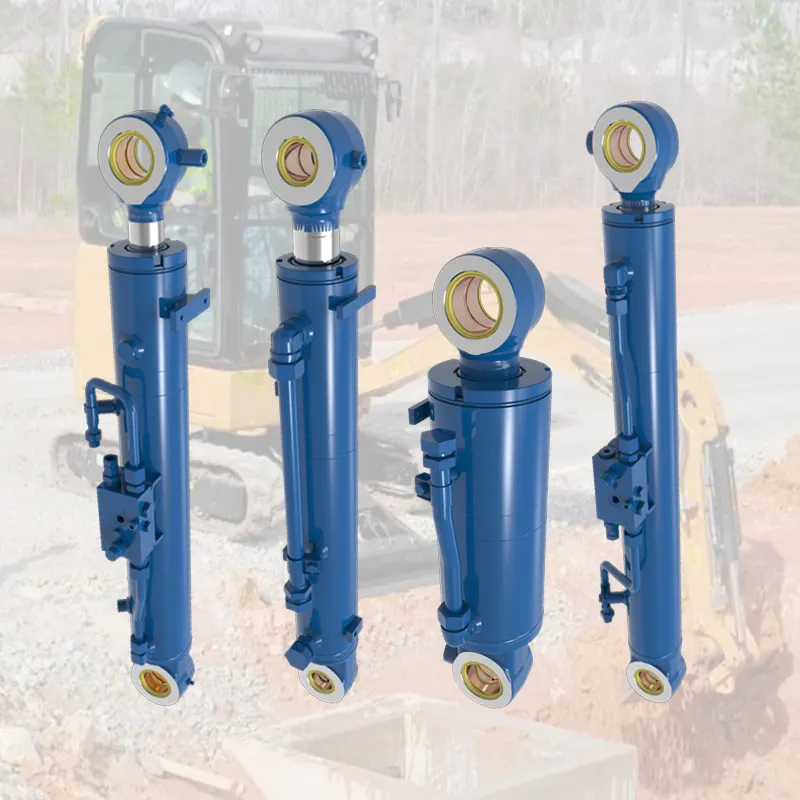
Hydraulic Cylinder for Small Excavator
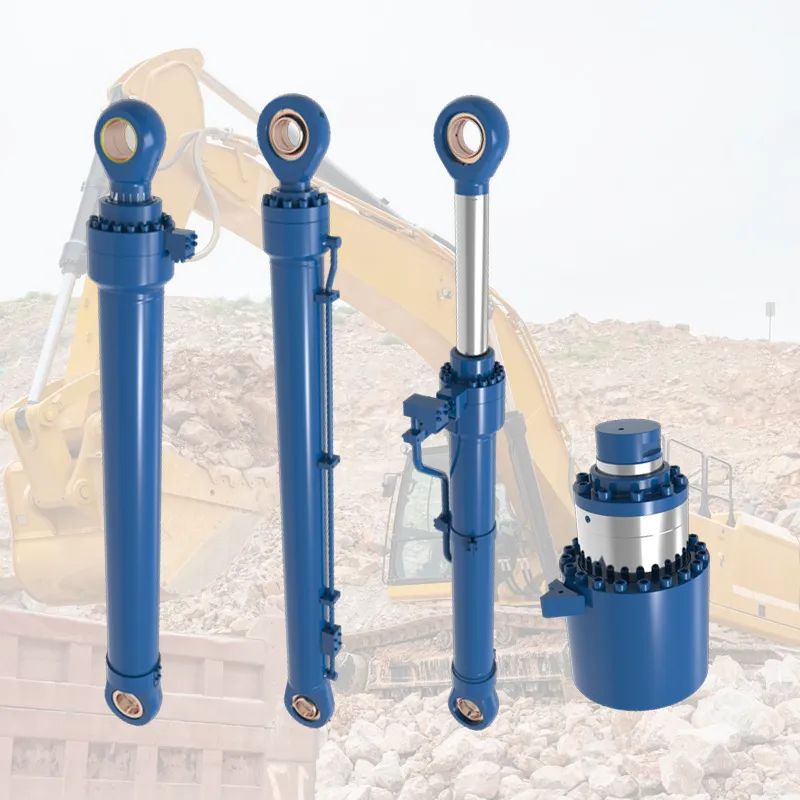
Hydraulic Cylinder for Large Excavator
What are Excavator Hydraulic Cylinders?
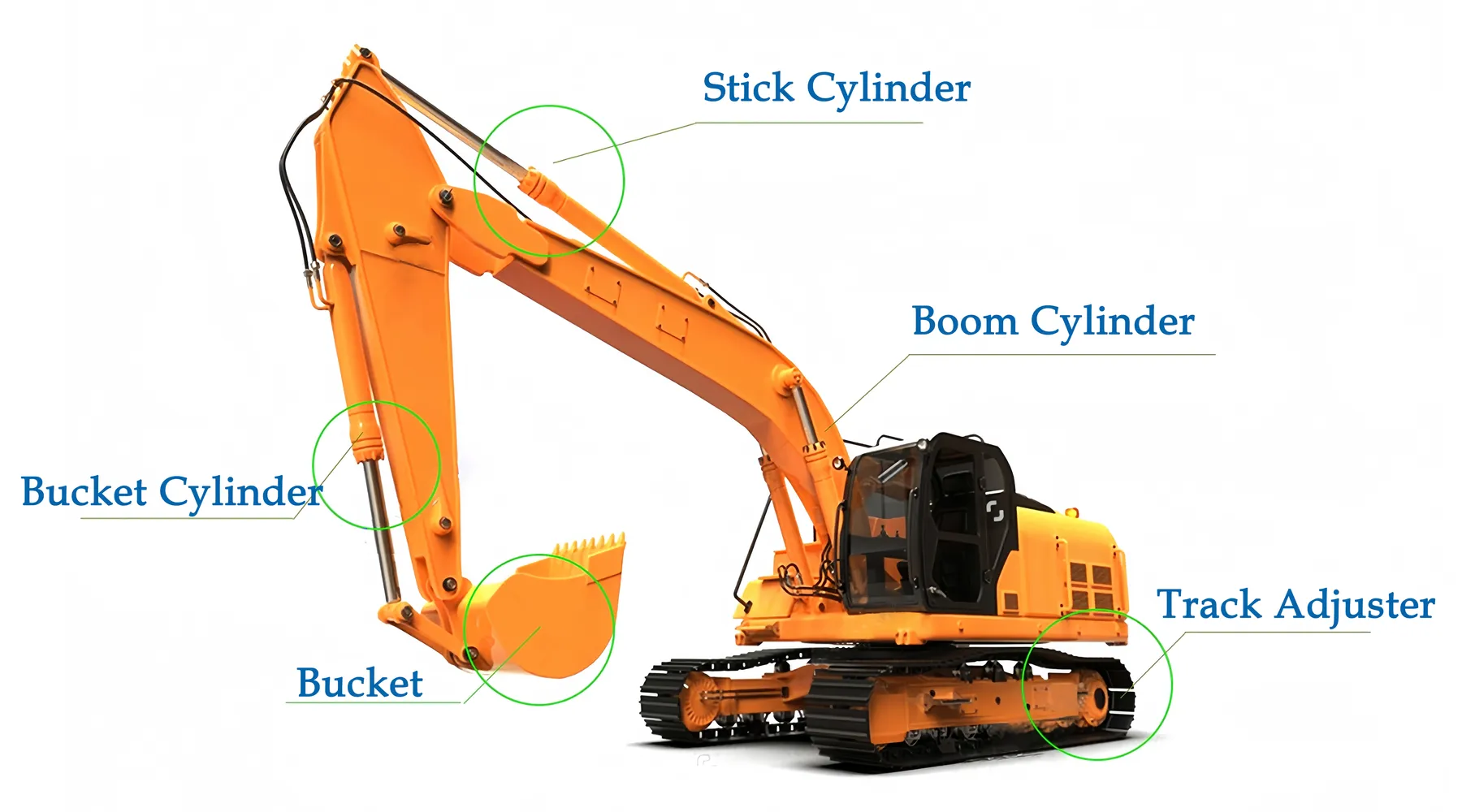
For small excavators, the hydraulic system is equipped with several key cylinders, including the hydraulic bucket cylinder, which operates the bucket for scooping and dumping materials, and the hydraulic stick cylinder, which moves the arm for extended reach. The hydraulic boom cylinder is responsible for raising and lowering the boom, providing the primary lifting power. Additionally, the hydraulic bulldozing cylinder powers the blade for tasks like leveling and pushing soil, while the hydraulic swing cylinder enables the rotation of the excavator’s upper body. In large excavators, the hydraulic cylinders are built for more robust tasks. These include the hydraulic boom cylinder, hydraulic stick cylinder, and hydraulic bucket cylinder, which perform similar functions but with greater force to handle heavier loads. The hydraulic tightening cylinder is unique to large excavators, helping maintain tension in the tracks for stability during operation. Together, these cylinders ensure smooth and powerful performance across a range of excavation activities.
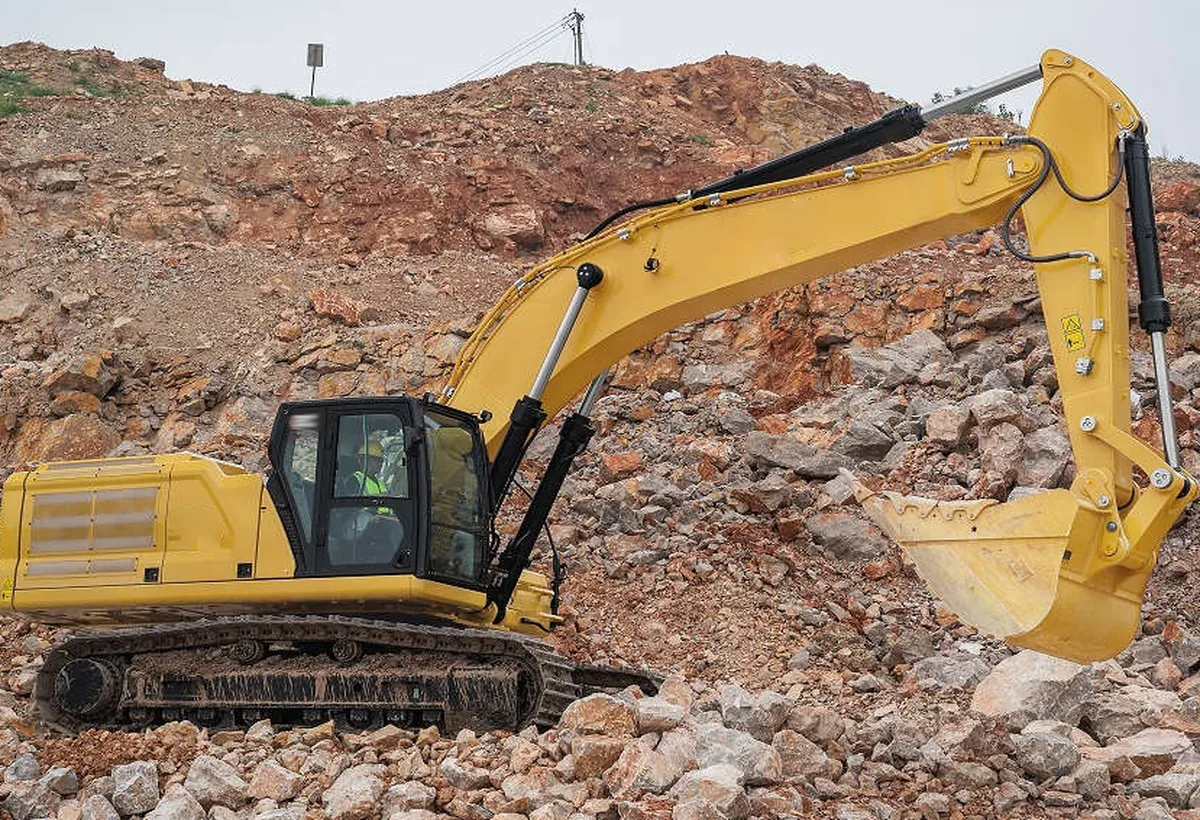
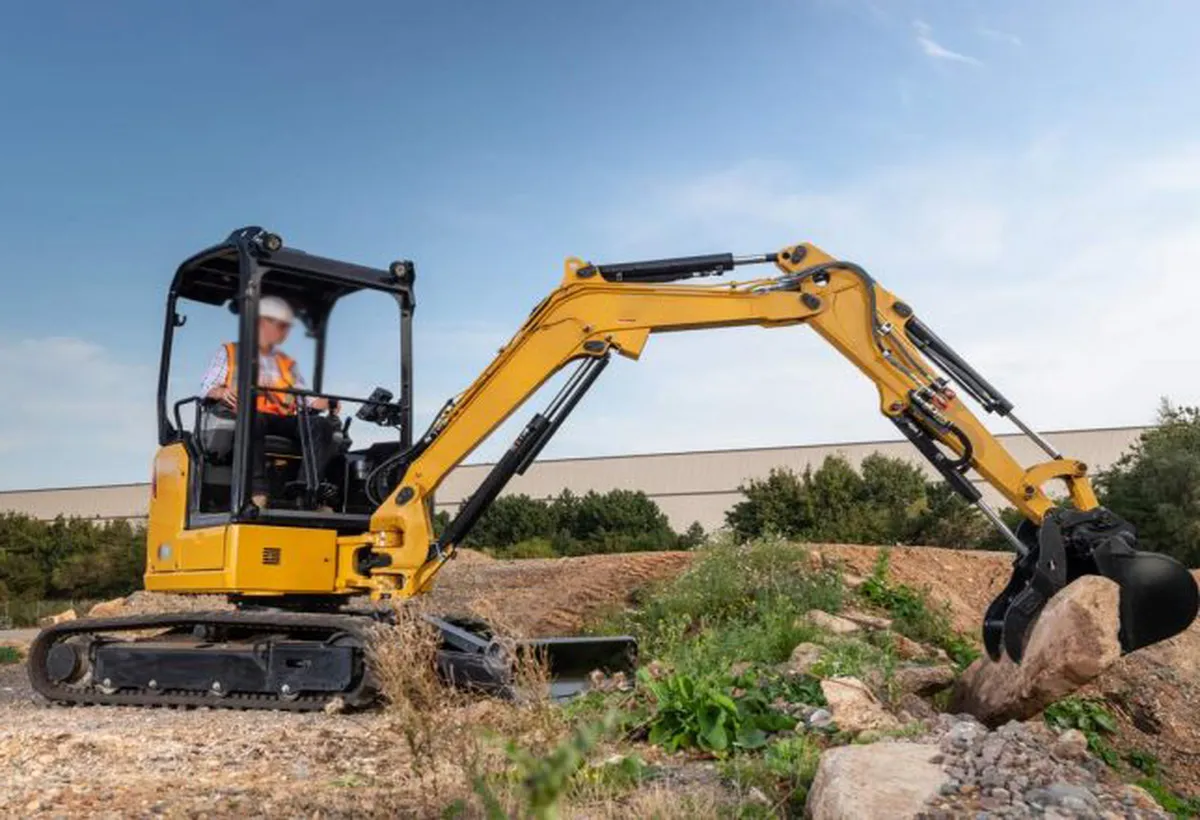
Types of Excavator Hydraulic Cylinder
1. Bucket Hydraulic Cylinder
Positioned at the end of the dipper arm, this cylinder drives the bucket’s pivotal movements, enabling precise tilting and curling actions essential for scooping and dumping materials. It operates under high pressure to handle repetitive tasks, ensuring efficient excavation in confined areas while maintaining control over load angles for optimal performance in various soil conditions.
2. Boom Hydraulic Cylinder
Responsible for elevating and lowering the primary boom structure, these robust cylinders deliver substantial lifting power to maneuver heavy loads vertically. They incorporate advanced sealing mechanisms to withstand environmental stresses, facilitating smooth operations during digging or lifting, and contribute significantly to the machine’s overall reach and stability on uneven terrain.
3. Dipper Hydraulic Cylinder
Often referred to as the stick or crowd cylinder, it extends and retracts the arm that supports the bucket, allowing for controlled reach adjustments during operations. This component plays a critical role in crowding materials toward the machine, enhancing productivity in trenching or grading tasks by providing the necessary force to penetrate resistant ground layers effectively.
4. Swing Hydraulic Cylinder
Known alternatively as a slew cylinder, it enables the rotation of the excavator’s upper superstructure around a vertical axis, permitting directional changes without repositioning the base. This functionality is vital for navigating tight job sites, improving operator efficiency in urban environments or when alternating between multiple excavation points to minimize downtime.
5. Dozer Hydraulic Cylinder
Also called a blade cylinder, it controls the vertical positioning of the front dozer blade, which is utilized for pushing debris, leveling surfaces, or providing additional counterbalance during lifts. By extending or retracting, it enhances the excavator’s versatility in site preparation, ensuring firm ground contact that boosts traction and prevents tipping in challenging operational scenarios.
6. Rotary Unions
These components serve as essential conduits for transferring hydraulic fluids between the excavator’s fixed upper structure and its rotating undercarriage, ensuring uninterrupted flow even during full 360-degree swings. They incorporate precision seals and channels to prevent leaks under pressure, enabling smooth directional changes that allow operators to redirect the boom and bucket without halting operations.
Excavator Hydraulic Cylinder Production Process
1. Selecting Materials
Engineers evaluate and choose high-strength steel alloys for the cylinder barrel, piston rod, and seals, considering factors like tensile strength, corrosion resistance, and compatibility with hydraulic fluids to ensure durability under extreme pressures and environmental conditions in construction applications, while sourcing from certified suppliers to meet industry standards and performance requirements.
2. Rod Heat Treatment
The piston rod undergoes controlled heating and quenching processes to enhance its hardness and toughness, involving precise temperature management in furnaces followed by rapid cooling in oil or water baths, which refines the microstructure for improved wear resistance and fatigue life, critical for withstanding repetitive loads during excavator operations.
3. Cutting Processing
Raw materials are precisely cut using advanced saws or laser equipment to achieve exact lengths and shapes for components like tubes and rods, incorporating computer-aided design inputs to minimize waste and ensure dimensional accuracy, which forms the foundation for subsequent assembly and maintains structural integrity in the final product.
4. Machining
Specialized lathes and milling machines shape the cut pieces into precise forms, including threading ends, boring interiors, and grinding surfaces to tight tolerances, with coolant systems preventing overheating and automated inspections verifying measurements, resulting in smooth operation and reliable sealing within the hydraulic system.
5. Welding Assembly
Skilled technicians join components such as end caps to the barrel through techniques like submerged arc welding, ensuring strong, leak-proof bonds by controlling heat input and using filler materials that match base metals, followed by non-destructive testing to confirm weld quality and overall assembly robustness for high-pressure environments.
6. Automatic Paint
The assembled cylinders receive protective coatings via robotic spraying systems that apply even layers of epoxy or polyurethane paints, incorporating drying ovens for curing and quality checks for coverage uniformity, which guards against rust and abrasion while enhancing aesthetic appeal and longevity in harsh field conditions.
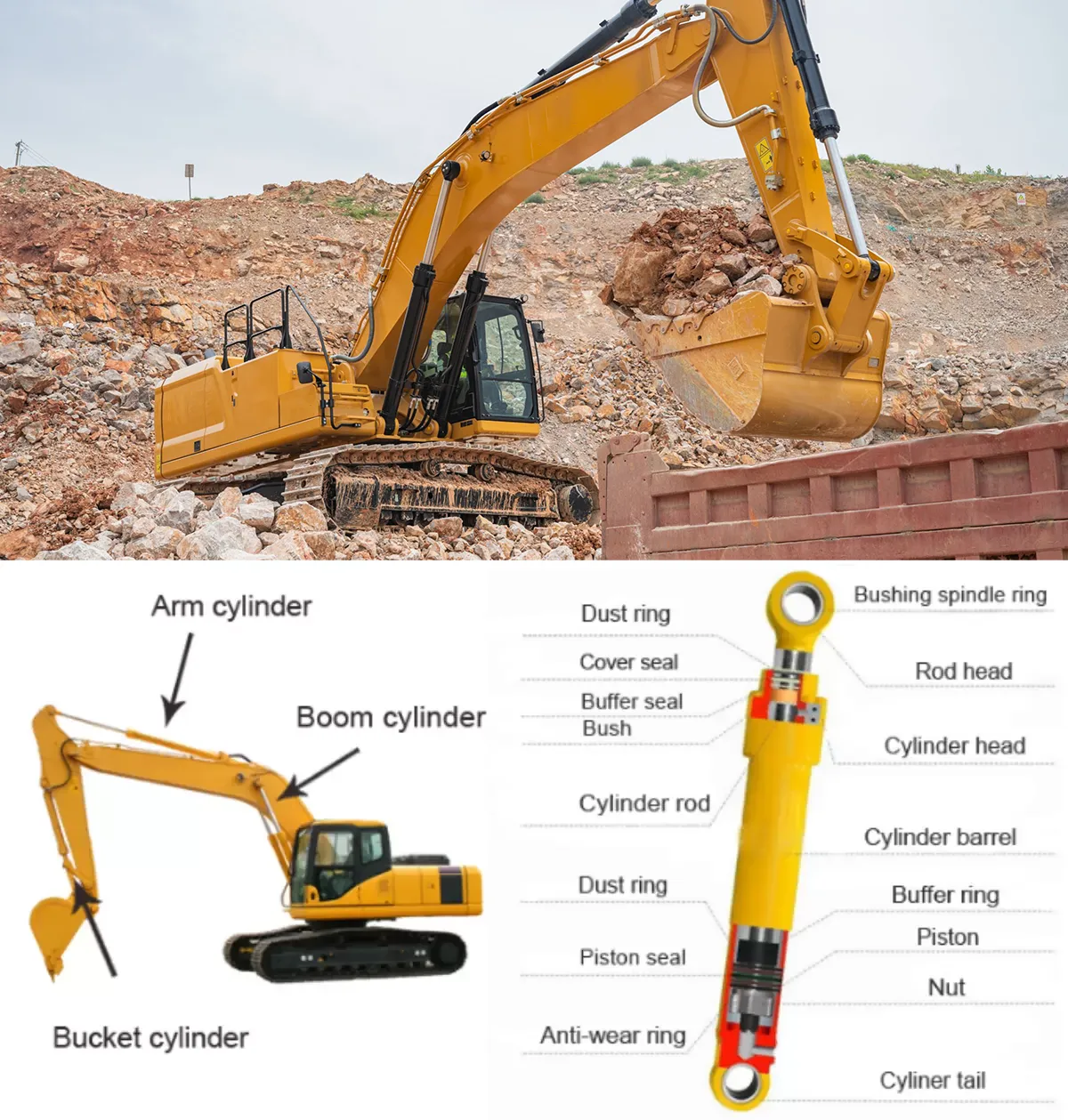
Excavator Hydraulic Cylinder Parts
This cylindrical tube forms the primary structural component of the hydraulic cylinder, housing the pressurized hydraulic fluid that drives piston movement. Fabricated from high-grade steel or alloy materials with honed internal surfaces, it withstands extreme pressures and provides a smooth bore for efficient piston travel, ensuring reliable performance and minimal internal leakage throughout prolonged excavator operations in demanding field conditions.
Cylinder Base or Cap
Also known as the blind end cap, this component securely seals one end of the barrel and typically includes integrated mounting features such as clevis eyes or trunnion mounts. It is precision-machined to maintain alignment and structural integrity under high loads, allowing the cylinder to be firmly attached to the excavator’s boom or frame for stable force transmission during lifting and digging activities.
Cylinder Head
Positioned at the rod end of the barrel, this part encloses the opposite side and incorporates ports for hydraulic fluid entry and exit. It houses the seal gland assembly and guide bushings to support the piston rod while preventing contamination ingress, contributing to the cylinder’s overall sealing effectiveness and smooth extension/retraction under varying operational pressures.
Piston
This internal disc-shaped element divides the barrel into two distinct chambers, enabling differential pressure application for bidirectional movement. Constructed from durable materials with wear-resistant coatings, it transfers hydraulic force directly to the piston rod while maintaining a tight seal through integrated rings, which ensures efficient energy conversion and consistent performance during repetitive excavator cycles.
Piston Rod
Extending from the cylinder head, this chrome-plated or hardened steel rod transmits the piston’s linear force to the excavator’s moving parts, such as the boom or bucket linkage. Its surface is polished to high standards for low-friction operation and superior corrosion resistance, while threaded or welded ends facilitate secure attachment, supporting heavy-duty loads without deformation over extended service life.
Seal Gland
Installed within the cylinder head, this assembly contains multiple seals, wipers, and bearing rings designed to prevent hydraulic fluid leakage and exclude external contaminants. It supports the piston rod’s reciprocating motion with minimal friction, utilizing materials like polyurethane or nitrile for durability, and plays a vital role in maintaining system pressure integrity and protecting internal components from wear in harsh construction environments.
Hydraulic Cylinder Applications
Construction Industry
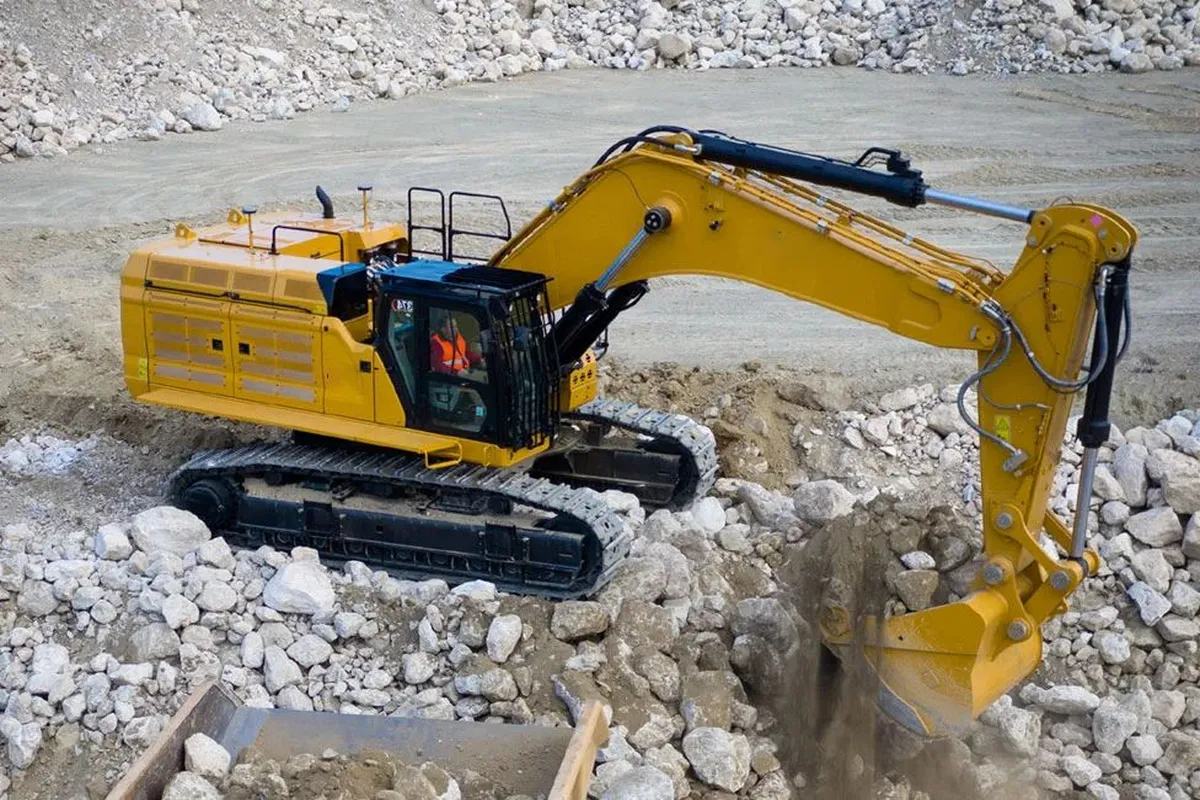
Excavator hydraulic cylinders are extensively used in the construction industry, where excavators play a crucial role in tasks such as digging foundations, trenching, demolition, and site preparation. Hydraulic cylinders enable precise control of the boom, stick, and bucket, ensuring efficiency and accuracy when working in confined spaces or on uneven terrain.
Mining Industry
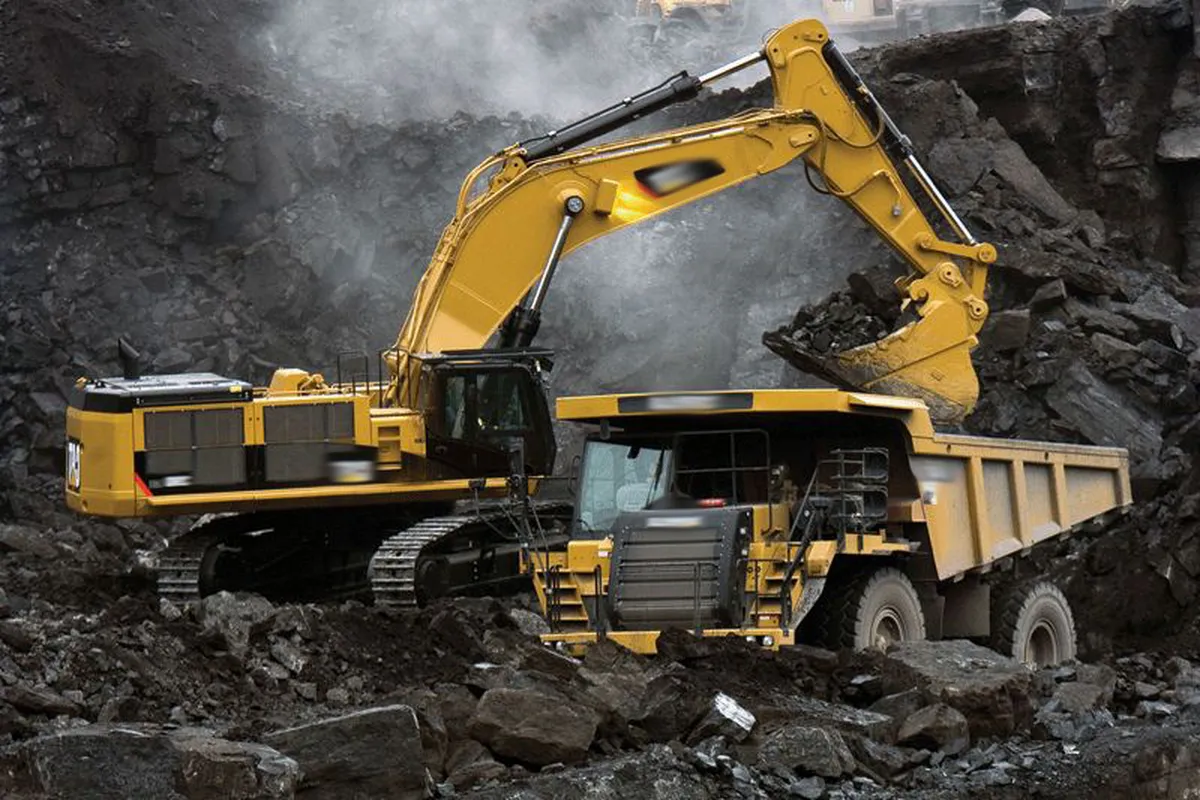
In the mining sector, hydraulic cylinders are critical for operating large excavators and draglines used in surface and underground mining. These cylinders power the movement of heavy-duty components such as booms, sticks, and buckets, allowing for the excavation and transportation of massive volumes of ore, coal, or other minerals.
Agricultural Industry
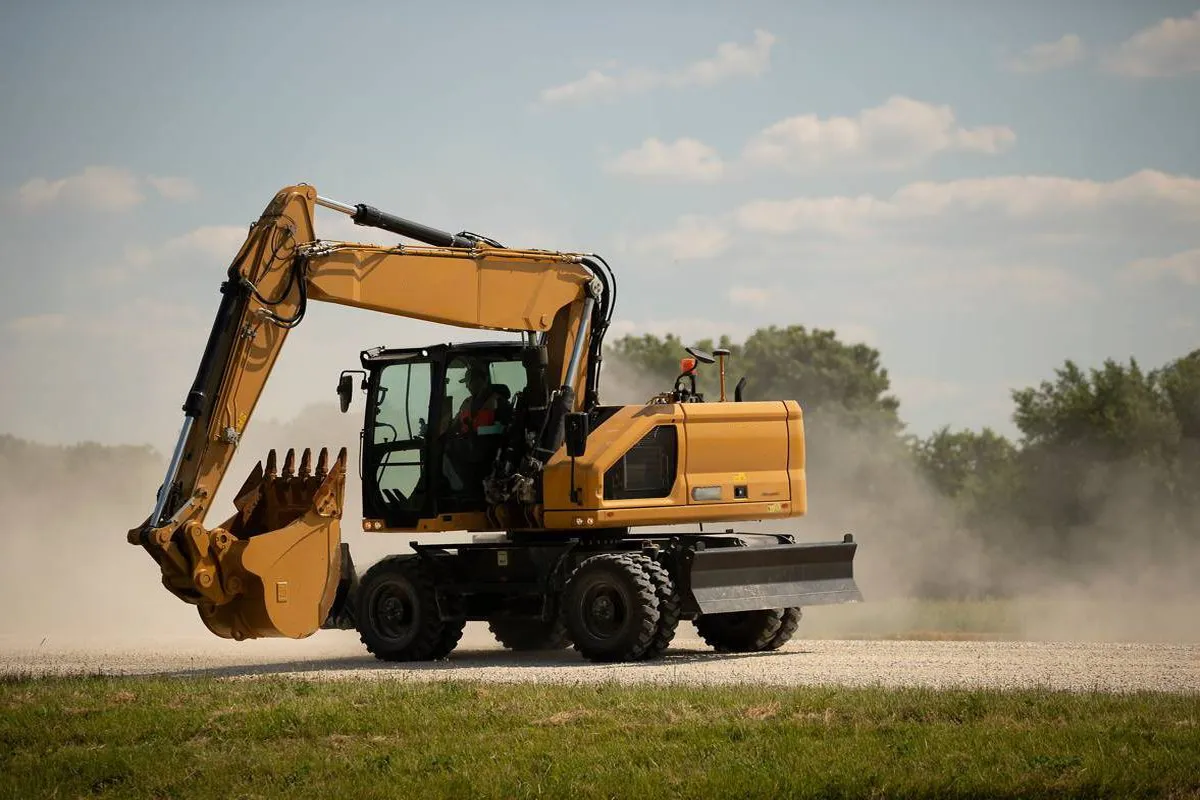
Excavator hydraulic cylinders are increasingly utilized in the agricultural sector for land preparation, irrigation system installation, and trenching. Small and mid-sized excavators equipped with hydraulic cylinders are ideal for digging ditches, clearing debris, and managing soil movement on farms.
Forestry and Logging
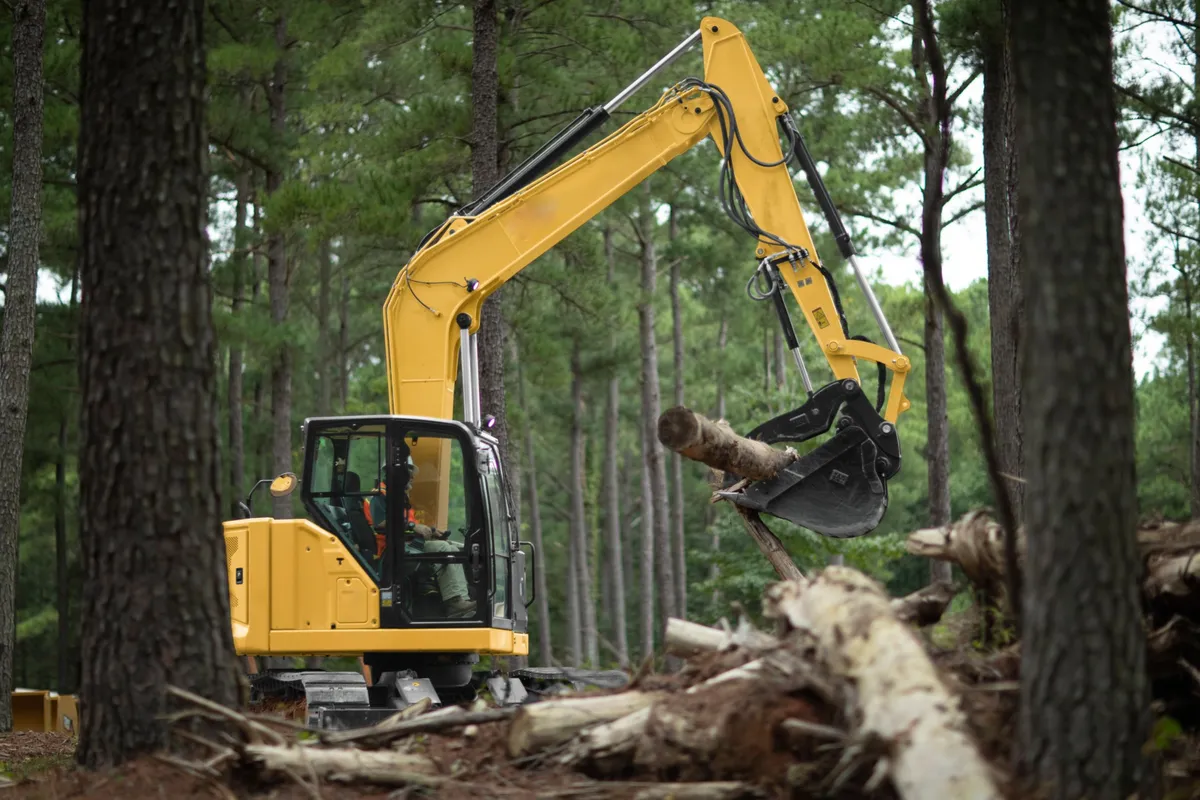
In forestry and logging operations, hydraulic cylinders are used in excavators adapted for tasks like tree felling, log handling, and clearing forested areas. The cylinders provide the force needed to manipulate attachments such as grapples, saws, and buckets, ensuring safe and efficient operations in rugged environments.
Infrastructure Development
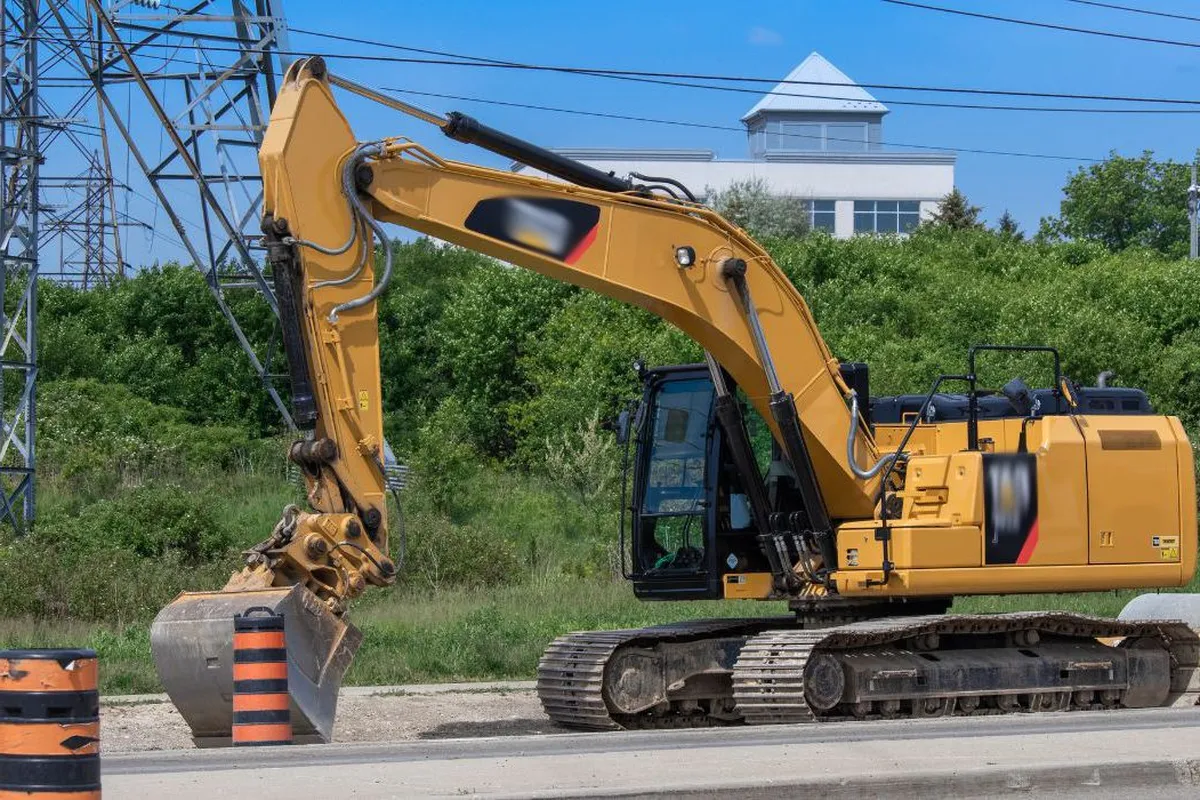
Hydraulic cylinders in excavators are essential for large-scale infrastructure projects, including road construction, bridge building, and tunnel excavation. They enable the precise movement and placement of materials, ensuring the accuracy required for complex engineering projects and timely completion.
Waste Management & Recycling
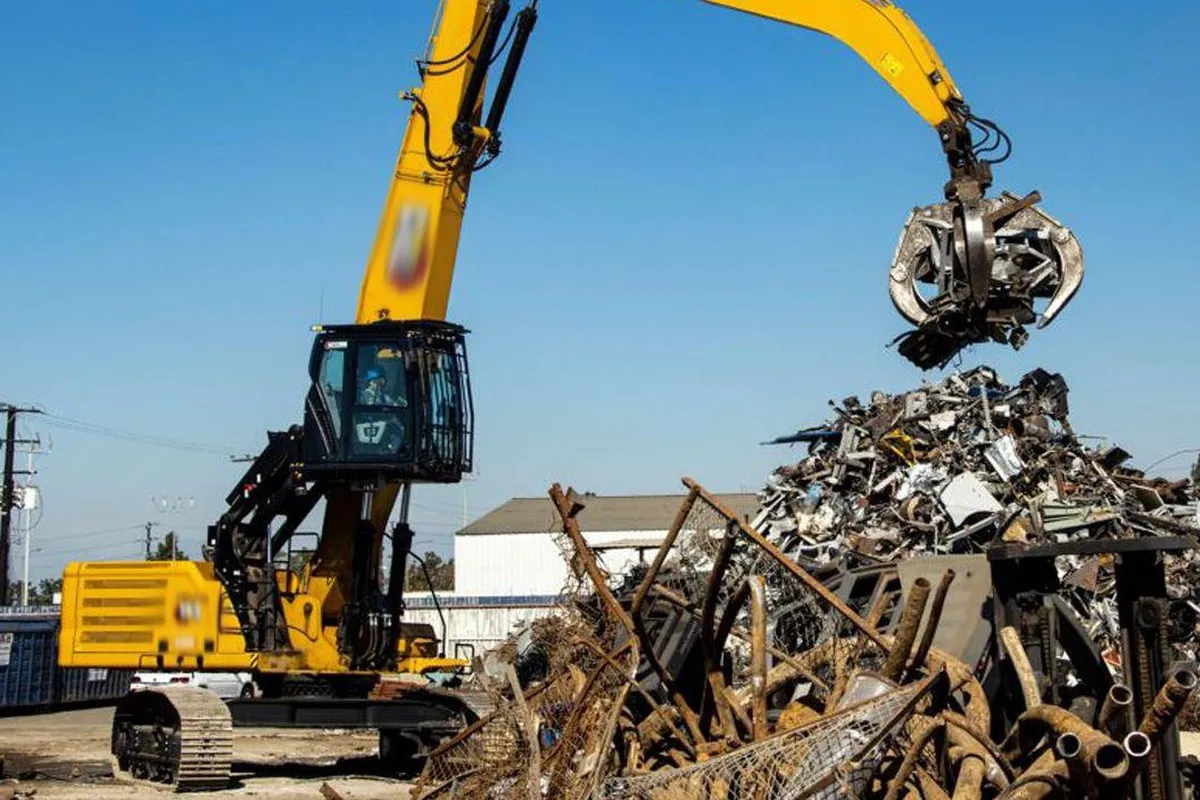
Excavators equipped with hydraulic cylinders are widely used in waste management and recycling facilities. These machines handle tasks such as material sorting, waste transfer, and land clearing for landfill operations. The hydraulic cylinders provide the power needed to operate attachments like claws and buckets.
Oil and Gas Industry
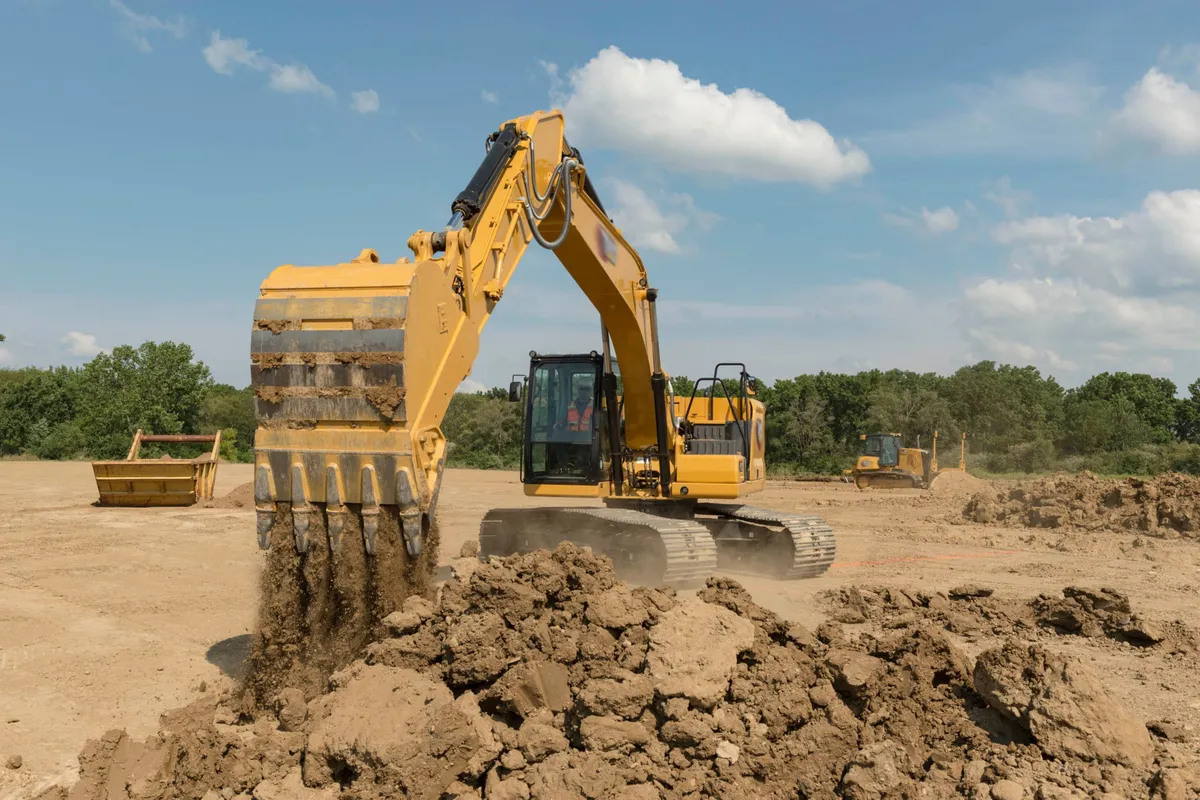
In the oil and gas sector, hydraulic cylinders are employed in excavators used for pipeline installation, site preparation, and maintenance. These cylinders provide the strength and precision needed for trenching and digging in challenging environments, such as remote deserts or offshore sites.
Marine and Port Operations
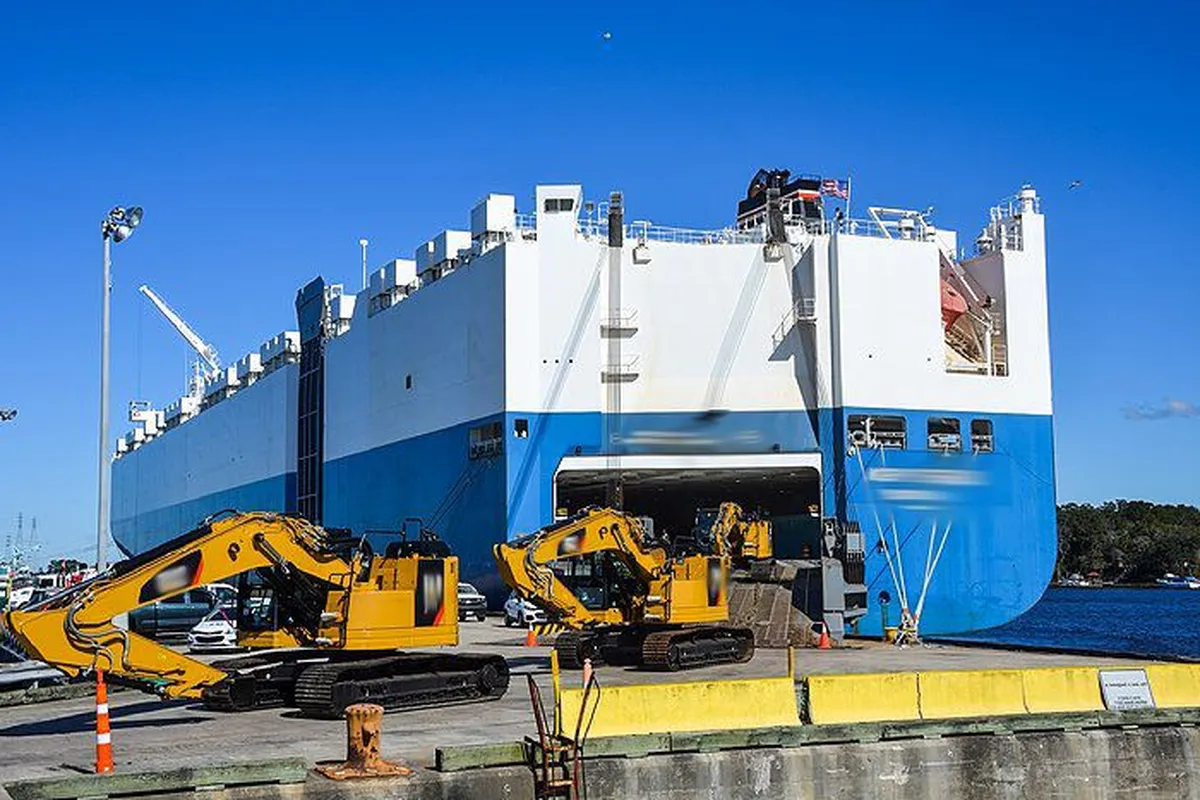
In marine and port industries, excavators equipped with hydraulic cylinders are used for dredging, dock maintenance, and loading or unloading materials from ships. Hydraulic cylinders power the movement of specialized attachments, like dredging buckets, to clear sediments and debris from waterways.
Energy and Renewable Power
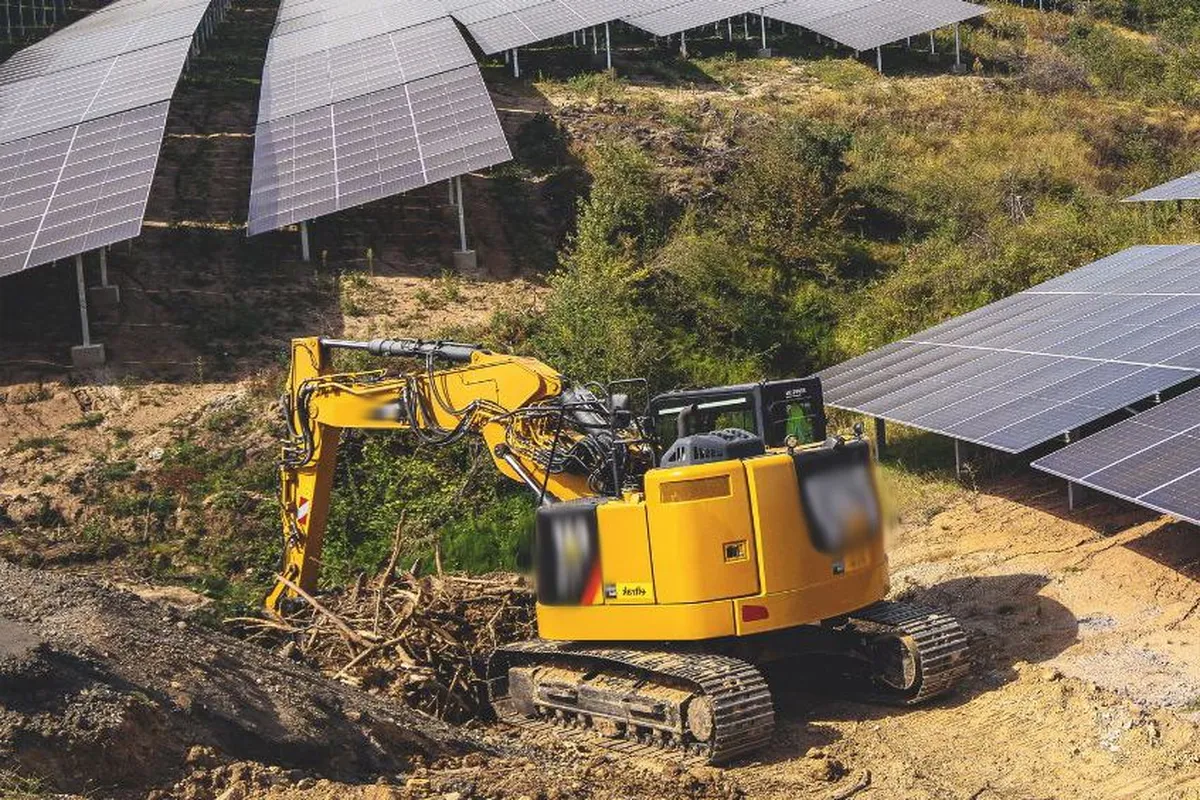
Excavators with hydraulic cylinders are employed in the energy sector, particularly for projects involving renewable energy such as wind and solar farms. These machines assist in site preparation, trenching for cable installation, and foundation digging for wind turbines or solar panel mounts.
FAQs
What Are the Primary Features of an Excavator Hydraulic Cylinder?
What Advantages Do Hydraulic Cylinders for Excavators Provide in Heavy-Duty Operations?
How Does a Hydraulic Cylinder Excavator Enhance Productivity on Job Sites?
What Is the Role of an Excavator Hydraulic Arm Cylinder in Machine Functionality?
How Does an Excavator Hydraulic Boom Cylinder Contribute to Lifting Capabilities?
When Is an Excavator Thumb Hydraulic Cylinder Most Beneficial for Attachments?
How to Remove Hydraulic Cylinder from Excavator Without Causing Damage?
What Maintenance Practices Are Recommended for a Mini Excavator Hydraulic Cylinder?
What Common Faults Occur with Excavator Hydraulic Cylinders and How to Troubleshoot Them?
How to Install a Hydraulic Cylinder for Excavator Correctly?
What Distinguishes Various Types of Hydraulic Cylinders for Excavators?
Why Choose High-Quality Excavator Hydraulic Cylinders for Long-Term Use?
Customer Reviews
–Alex Thompson, Heavy Equipment Operator, Sydney, Australia
“Our team switched to these hydraulic cylinders ast summer, and the difference in performance is night and day compared to our old ones. Specifically, the excavator hydraulic boom cylinder with its 150-ton capacity has made lifting heavy debris a breeze on demolition jobs. Logistics were impressive; it arrived in just four days despite international shipping, well-packaged with no damage. The build quality shines through no rust even after months in humid conditions, and it’s boosted our crew’s efficiency big time.”
–Maria Gonzalez, Site Manager, Barcelona, Spain
–Raj Patel, Farm Equipment Specialist, Mumbai, India
–Lisa Chen, Construction Foreman, Toronto, Canada
–Mike O’Reilly, Mining Technician, Johannesburg, South Africa
–Sophie Leclerc, Landscaping Contractor, Paris, France
–Carlos Mendoza, Infrastructure Engineer, Rio de Janeiro, Brazil
–David Kim, Quarry Operator, Seoul, South Korea
–Hiroshi Tanaka, Forestry Manager, Tokyo, Japan