Hydraulic Cylinder for Warehouse Storage Forklift
Engineered for demanding warehouse environments, our forklift hydraulic cylinders deliver smooth, reliable lifting and tilting with precision that keeps your operations running at peak throughput.
The Role of Hydraulic Cylinder in Warehouse Storage Forklift
In the fast-moving world of warehousing and distribution, the hydraulic cylinder for warehouse storage forklift units stands as the single most critical component connecting operator input to real-world lifting force. Every pallet raised, every rack loaded at height, and every tilting motion that keeps a load secure on the carriage depends on a cylinder that can produce consistent pressure stroke after stroke, shift after shift.
After two decades of designing and supplying forklift hydraulic cylinders for operations in Mexico, Latin America, and beyond, I can tell you that the gap between a mediocre cylinder and a properly engineered one is the gap between scheduled uptime and unplanned downtime. Our warehouse forklift hydraulic lift cylinder products are built from the ground up for the unique stresses that indoor material handling creates: rapid cycling, precise positioning, dusty or humid environments, and the expectation that everything just works, 24 hours a day.
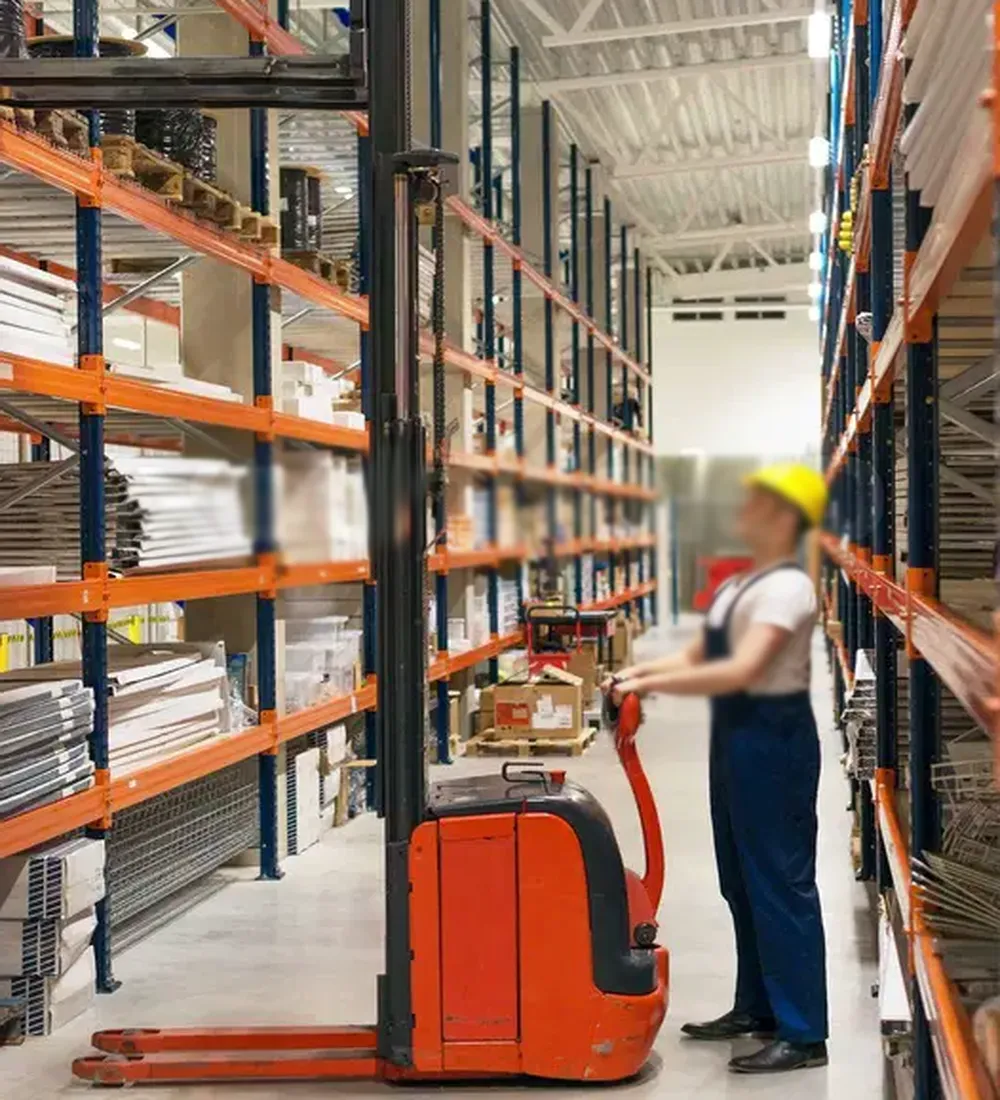
These cylinders serve as the heart of the mast assembly on reach trucks, order pickers, narrow-aisle stackers, and standard counterbalance forklifts used in warehousing. They convert hydraulic fluid pressure into linear mechanical force, allowing the mast to extend, the forks to tilt, and side-shift attachments to align loads with surgical accuracy. Whether your fleet runs on electric power or LPG, the cylinder must respond instantly, hold position without creep, and tolerate the thermal swings that come with loading docks open to the outside air.
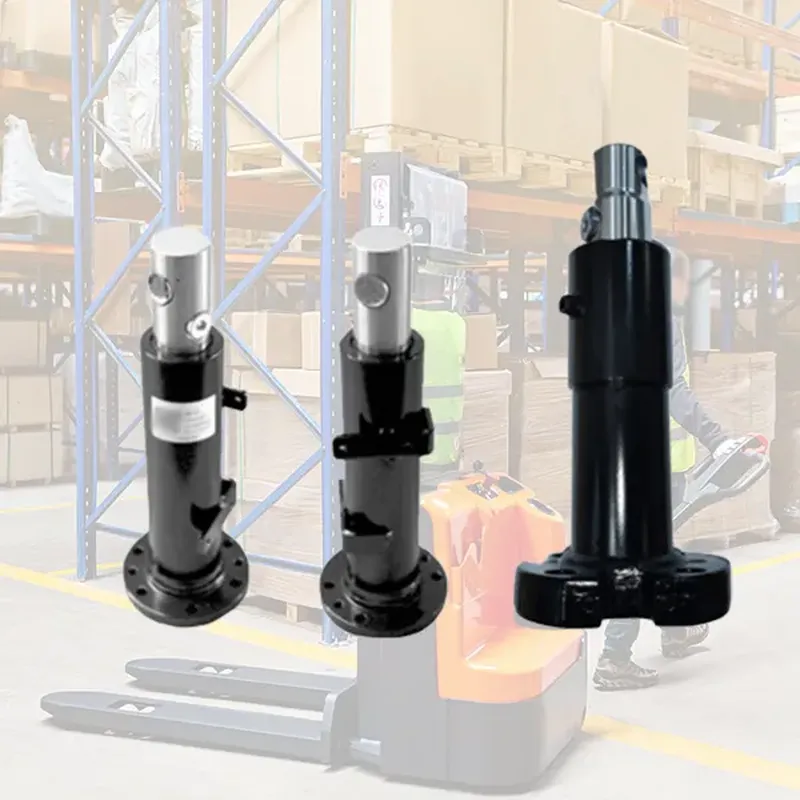
Our product line covers single acting hydraulic cylinder designs for basic lift functions as well as double acting hydraulic cylinder configurations for tilt, side-shift, and clamp circuits. Each unit ships ready to bolt in, with port sizes, mounting dimensions, and stroke lengths matched to your specific forklift model and application demands. We also supply the full range of hydraulic cylinder parts and hydraulic cylinder seals needed for long-term field support.
Technical Specifications
Below you will find the customizable parameter ranges for our warehouse storage forklift hydraulic cylinders. Every specification can be adjusted to match the exact requirements of your fleet, mast design, and operating environment.
Basic Specifications Range
| Parameter | Range / Options |
|---|---|
| Bore Diameter | 40 mm – 200 mm |
| Rod Diameter | 25 mm – 140 mm |
| Stroke Length | 100 mm – 3,500 mm |
| Working Pressure | 16 MPa – 25 MPa (standard); up to 35 MPa on request |
| Test Pressure | 1.5x rated working pressure |
| Cylinder Action | Single acting / Double acting / Telescopic |
| Rated Load Capacity | 1 ton – 16 ton (matched to forklift capacity) |
| Operating Temperature | -20 C to +80 C (extended range available) |
Mounting Options
| Mounting Style | Application Notes |
|---|---|
| Flange Mount (Front / Rear) | Standard for mast lift cylinders; high axial load capacity |
| Trunnion Mount | Tilt cylinder applications; allows angular movement |
| Clevis / Eye Mount | Side-shift and attachment cylinders; pivot flexibility |
| Cross Tube Mount | Heavy-duty mast installations; distributes load across frame |
| Custom / OEM Specific | Designed to match existing forklift mount geometry exactly |
Materials and Surface Treatment
| Component | Material / Treatment |
|---|---|
| Cylinder Tube | ST52 / 27SiMn honed tube; ID roughness Ra 0.2-0.4 um |
| Piston Rod | CK45 / 42CrMo; hard chrome plated (20-30 um); mirror polished |
| Piston | Ductile iron / Forged steel; wear-band guided |
| Seals | NOK / Hallite / Parker; polyurethane + PTFE composite |
| End Caps | Forged steel; zinc-nickel plated for corrosion resistance |
| External Finish | Shot-blasted and powder coated or painted; salt spray > 500 hours |
Environmental Adaptability
| Condition | Specification |
|---|---|
| Dust and Particulate Protection | Triple-lip wiper seal; optional rod boot available |
| Humidity / Washdown Resistance | Stainless steel rod option; enhanced corrosion coatings |
| Cold Storage Compatibility | Low-temperature seals rated to -40 C; special fluid compatibility |
| Vibration Resistance | Anti-vibration cushioning at stroke end; damped deceleration |
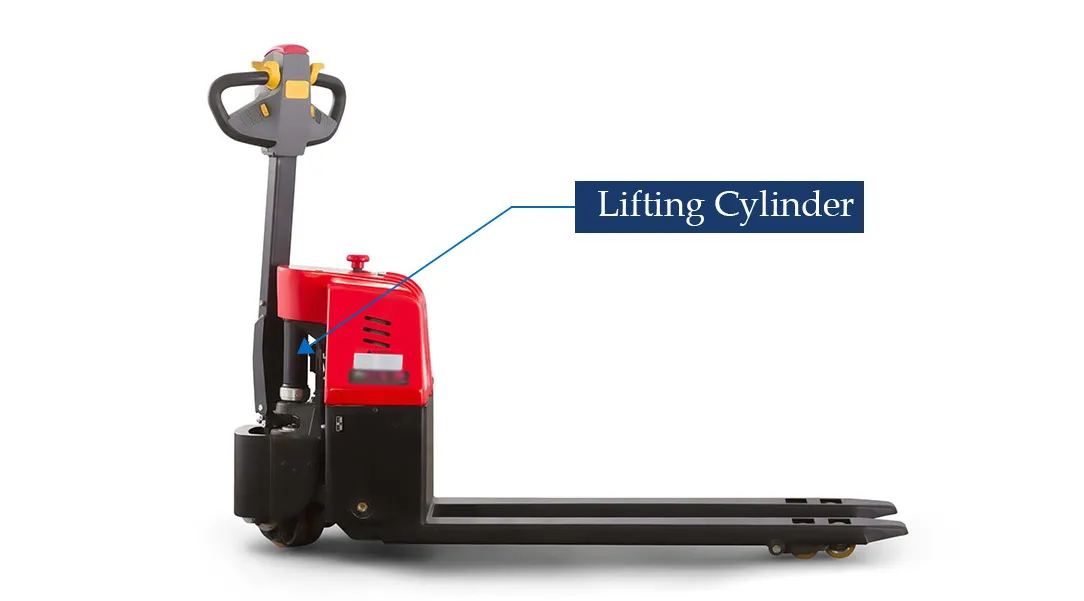
How the Hydraulic Cylinder Works in a Warehouse Forklift
Understanding the working principle of a forklift hydraulic cylinder helps maintenance teams diagnose problems faster and helps procurement managers specify the right unit. Here is the step-by-step cycle:
When the operator pulls back on the lift lever, an electric or engine-driven hydraulic pump draws fluid from the reservoir and pressurizes it. That pressurized oil is directed through a control valve to the base (cap) end of the hydraulic lift cylinder mounted inside the mast channel. As fluid enters the cylinder bore, it acts against the face of the hydraulic cylinder piston, creating a force equal to the system pressure multiplied by the piston area. This force pushes the piston rod outward, and because the rod is connected to the inner mast rail or the fork carriage, the forks rise.
In a single acting lift cylinder, gravity and load weight provide the return force. The operator releases the lever, the control valve opens a return path, and the weight of the carriage pushes oil back through the valve and into the tank. The descent speed is metered by the valve, giving the operator precise lowering control.
For tilt functions, a hydraulic tilt cylinder operates in a double acting configuration. Pressurized fluid is sent alternately to either side of the piston so the mast can tilt forward to dump a load or tilt backward to cradle it securely during transport. The same double acting principle applies to hydraulic side shift cylinder units that move the fork carriage left or right for lateral load alignment without repositioning the entire truck.
Cushioning valves built into the end caps decelerate the piston just before it reaches full extension or retraction, preventing metal-to-metal impact and protecting both the cylinder internals and the mast structure. This internal cushioning is especially important in high-cycle warehouse environments where a single forklift may execute 200 or more lift cycles per shift.
Compatible Brand Replacements
Note: The brand names mentioned below are the property of their respective owners. We reference them solely to help you identify the correct replacement cylinder for your equipment. No affiliation or endorsement is implied.
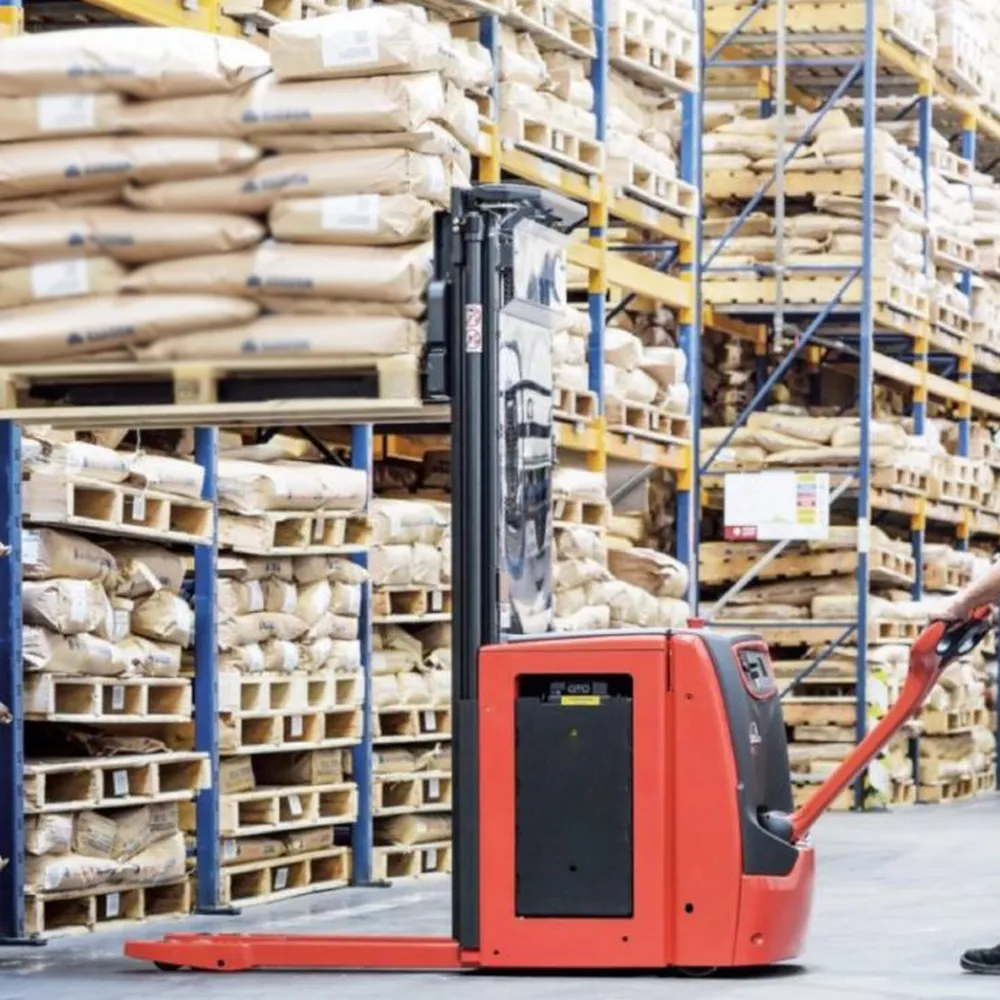
Our hydraulic cylinder for warehouse storage forklift products are dimensionally and functionally compatible with lift, tilt, and steering cylinders found on the following forklift brands commonly used in Mexican and Latin American warehouses:
- Toyota (7-Series, 8-Series forklifts and BT reach trucks)
- Hyster and Yale (Warehouse and Class III/IV models)
- Crown (RR, RD, and SC series reach and stacker trucks)
- Caterpillar / Mitsubishi (2C, EP series)
- Komatsu (BX, AX series warehouse forklifts)
- Linde (E, R, and K series)
- Jungheinrich (ETV, ETG reach trucks)
- Clark (GEX, EPX series)
- Nissan / UniCarriers (1N1 and PL series)
- Doosan (B and BC series)
If you have an OEM part number or a forklift hydraulic cylinder diagram from your service manual, send it to our engineering team and we will cross-reference it to the correct bore, stroke, and mounting configuration within 24 hours.
Core Technical Advantages
Ultra-Low Friction Sealing System
We use a composite seal stack combining PTFE guide rings with polyurethane rod seals that cut breakaway pressure by up to 35% compared to standard NBR seals. For the operator, this means smoother inching control when positioning loads at height. For the machine, it means less heat generation inside the cylinder, which extends oil life and keeps the hydraulic system running cooler during high-cycle shifts.
High-Rigidity Barrel and Rod Manufacturing
Every cylinder hydraulic barrel is precision honed from seamless ST52 or 27SiMn steel tube with a guaranteed bore tolerance of H8. The hydraulic cylinder piston rod is induction hardened, chrome plated to a minimum 20 um layer, and superfinished to Ra 0.1 um. This combination produces a rod surface that resists scoring, minimizes seal wear, and maintains its polish through millions of cycles.
Thermal Stability and Fatigue Life Optimization
Warehouse forklifts that operate near cold-storage zones or loading docks experience rapid temperature shifts. Our cylinders are designed with controlled clearances and seal materials that maintain sealing integrity from -20 C through +80 C without stick-slip or leakage. Fatigue testing on critical weld zones exceeds 1.5 million full-pressure cycles, giving you a service life that outlasts many OEM units.
Internal Cushioning for High-Cycle Duty
Built-in hydraulic cushions at both stroke ends absorb kinetic energy before the piston contacts the end cap. This eliminates the harsh bottoming-out shock that accelerates seal failure and loosens port fittings over time. In a distribution center where each truck performs hundreds of lift cycles daily, cushioned cylinders can double the interval between seal replacements.
Precision Bore Matching for Zero-Drift Performance
Piston-to-bore clearances are held within 0.02 mm, and piston seals are selected with a controlled interference fit. The result is a cylinder that holds load at any height with virtually zero positional drift, a critical safety requirement when placing pallets on high racking. This is particularly important for the hydraulic steering cylinder units used in narrow-aisle applications where any unwanted movement can cause collisions.
Corrosion-Resistant Exterior Coating
All external surfaces are shot-blasted to Sa 2.5 standard and coated with a two-layer system: zinc-rich primer plus polyurethane topcoat. Salt spray testing consistently exceeds 500 hours, protecting the cylinder body from the corrosive environment found in refrigerated warehouses, coastal logistics parks, and food processing plants.
Modular Port and Mounting Design
Port positions, thread types (BSP, NPT, SAE, or metric), and mounting bolt patterns can all be adjusted at the production stage without re-tooling. This modular approach means shorter lead times when you need a cylinder that fits an unusual frame modification or a custom attachment on your warehouse storage forklift.
Field-Rebuildable Construction
The cylinder head is designed for easy removal using standard hand tools, giving your maintenance crew the ability to replace seals, inspect the piston, and get the unit back in service without sending it off-site. All forklift hydraulic cylinder seals and wear components are stocked and available for express shipment, supporting fast forklift hydraulic cylinder repair turnarounds.
Manufacturing Process and Quality Control
Fully Integrated In-House Production
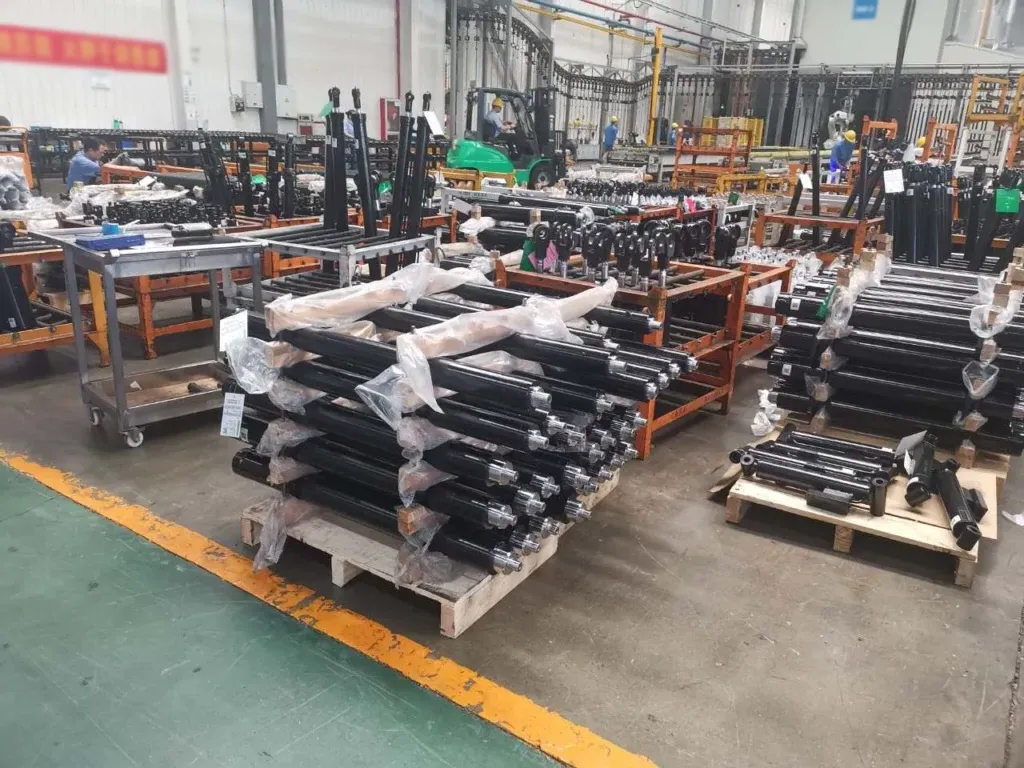
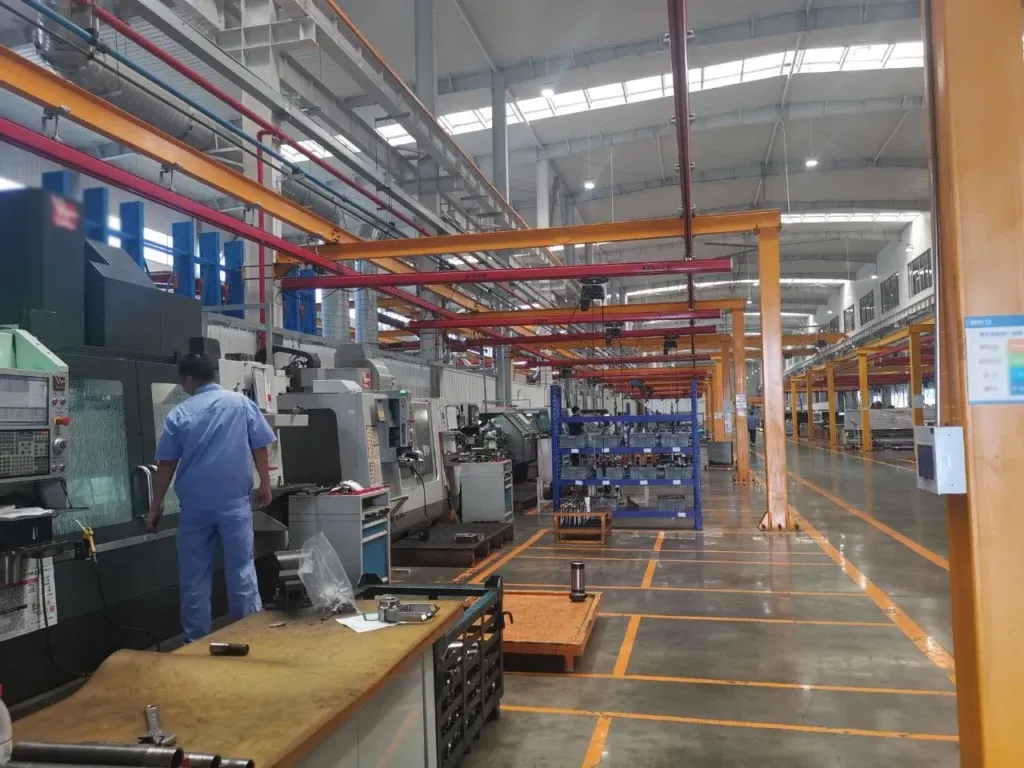
From raw steel tube receiving to final paint, every manufacturing step occurs under one roof. We operate CNC lathes, deep-hole boring machines, honing lines, robotic welding stations, and chrome plating baths on site. This vertical integration eliminates the quality gaps that appear when sub-assemblies are outsourced, and it gives us direct control over lead times. When a logistics company in Monterrey or Guadalajara needs cylinders fast, we are not waiting on third-party vendors.
100% Factory Testing Before Shipment
Every single hydraulic cylinder is pressure tested at 1.5 times the rated working pressure and held for a minimum of two minutes. We then perform a full stroke cycle test to verify smooth operation and check for external leakage at every port, seal junction, and weld. Cylinders destined for cold-storage forklift applications undergo additional low-temperature cycling to validate seal performance under real-world thermal conditions.
Certifications and Traceability
Our manufacturing facility holds ISO 9001:2015 certification, and our welding processes are qualified to ISO 3834 standards. Every cylinder carries a unique serial number linked to a digital quality record that traces raw material heat numbers, machining dimensions, seal batch codes, test pressures, and inspector sign-offs. If a question arises years later, we can pull up the full production history in minutes.
Continuous Improvement and Feedback Loop
We conduct annual reviews of field return data, analyzing seal wear patterns, chrome degradation, and customer maintenance logs to refine our designs. Seal suppliers, honing machine calibrations, and welding parameters are all regularly updated based on real performance data rather than assumptions.
Typical Industry Applications
Warehousing and Distribution
This is the primary arena for our hydraulic cylinder for warehouse storage forklift products. Distribution centers handling consumer goods, electronics, pharmaceuticals, and e-commerce fulfillment rely on these cylinders to maintain throughput targets. Reach trucks stacking at heights up to 12 meters, order pickers navigating narrow aisles, and dock forklifts loading trailers all depend on cylinders that respond instantly and hold position without drift.
Manufacturing
Assembly plants and production facilities use forklifts to move raw materials from receiving docks to production lines, transfer work-in-progress between stations, and load finished goods for shipping. The cylinders must handle frequent start-stop cycles without overheating, and they need to maintain precise control when feeding components to automated production cells.
Construction
Rough-terrain and industrial forklifts used on construction sites subject their hydraulic cylinders to shock loads, vibration, and abrasive dust. Our reinforced rod seals and heavy-duty chrome plating protect the cylinder in these harsh conditions, ensuring reliable material handling even on unpaved or uneven surfaces.
Agriculture
Feed mills, grain elevators, and agricultural warehouses use forklifts to handle bagged and palletized products in environments where humidity, grain dust, and temperature swings are constant. Cold-rated seal kits and corrosion-resistant coatings make our cylinders a strong fit for these applications.
Retail and Wholesale
Large retail distribution centers and wholesale clubs run fleets of electric forklifts around the clock. Cylinder reliability directly impacts order accuracy and delivery windows. Our low-maintenance design reduces the total cost of ownership across fleets of 50 or more trucks.
Automotive
Automotive parts warehouses and vehicle assembly plants require cylinders that tolerate oil mist, metal particles, and the vibration transmitted from nearby stamping presses. Enhanced wiper seals and hardened rod surfaces prevent contaminant ingress and maintain stroke precision over extended service intervals.
Mining and Extractive Industries
Underground and surface mining operations use heavy-duty forklifts for parts handling, tool crib supply, and maintenance support. The cylinders must withstand high ambient dust loads and occasional contact with corrosive mine water. Our optional stainless steel rod upgrade and reinforced end cap welds address these demands.
Oil and Gas
Pipe yards, drilling support yards, and refinery maintenance shops use forklifts rated for hazardous areas. Our cylinders can be supplied with spark-resistant coatings and ATEX-compatible surface finishes when required, keeping your equipment compliant with site safety regulations.
Forestry Industry
Lumber mills and log yards subject forklifts to heavy loads, bark debris, and wide temperature ranges. Cylinders for forestry forklifts feature extended wiper seals, oversized rod diameters for increased bending strength, and heavy-duty mounting hardware.

Standard Cylinder vs. Our High-Performance Forklift Hydraulic Cylinder
| Feature | Generic Cylinder | Our High-Performance Cylinder |
|---|---|---|
| Seal Material | Standard NBR | PTFE + PU composite; low friction |
| Chrome Plating Thickness | 10-15 um | 20-30 um; superfinished |
| Bore Tolerance | H9 | H8 |
| Internal Cushioning | None or basic | Adjustable hydraulic cushions both ends |
| Corrosion Protection | Single coat paint | Zinc primer + PU topcoat; 500+ hr salt spray |
| Temperature Range | -10 C to +60 C | -20 C to +80 C (extended to -40 C) |
| Fatigue Life | 500,000 cycles typical | 1,500,000+ cycles tested |
| Traceability | Batch-level only | Individual serial with full digital record |
| Field Rebuild | Requires machine shop | Designed for on-site seal replacement |
| Warranty | 6-12 months | 18 months / 3,000 operating hours |
Real-World Case Studies
Case 1: E-Commerce Fulfillment Center – Mexico City, Mexico
Client: A major third-party logistics provider operating a 45,000 sqm distribution center in Cuautitlan Izcalli, serving online retail orders across central Mexico.
Challenge: The fleet of 28 electric reach trucks was experiencing lift cylinder seal failures every 8 to 10 months, causing roughly 6 hours of unplanned downtime per incident. The OEM replacement cylinders had lead times of 10 to 14 weeks.
How they found us: The maintenance manager discovered our website while searching for forklift hydraulic cylinders for sale that could ship to Mexico within 4 weeks. He contacted us through the website inquiry form in March 2025.
Outcome: We supplied 32 replacement lift cylinders with cold-rated seals (the warehouse includes a chilled zone at 2 C). After 14 months of operation, zero seal failures have been reported. Unplanned downtime dropped by 73%, and the client estimated annual savings of over USD 38,000 in maintenance labor and lost productivity.
Client feedback: “We were skeptical at first because the price was 40% below OEM, but the quality has actually been better. The cylinders run smoother and our technicians say the seal replacement procedure is much simpler than the originals.” – Jorge R., Fleet Maintenance Supervisor
Case 2: Automotive Parts Warehouse – Queretaro, Mexico
Client: A Tier-1 automotive supplier managing a 22,000 sqm parts distribution warehouse supplying assembly plants across the Bajio region.
Challenge: Tilt cylinders on their 3.5-ton counterbalance forklifts were leaking after 14 months, and the chrome rods showed scoring from metal debris in the air near the adjacent stamping shop.
How they found us: Their procurement officer was referred by a colleague at a neighboring plant who had already purchased our hydraulic tilt cylinder units. He emailed us in July 2025 with photos of the damaged rods and a request for quotation.
Outcome: We provided 18 tilt cylinders with 25 um hard chrome and enhanced triple-lip wipers. After 11 months, rod condition inspections showed no visible scoring. Seal integrity remains perfect. The client has since ordered lift cylinders for the same fleet.
Client feedback: “The difference in rod quality is obvious just looking at them. We checked the rods at the 6-month mark and they still looked brand new. That never happened with our previous supplier.” – Ana L., Procurement Manager
Case 3: Cold Chain Distribution – Monterrey, Mexico
Client: A frozen food distributor operating a multi-temperature warehouse with zones at -25 C, 0 C, and ambient.
Challenge: Standard cylinder seals were hardening and cracking in the freezer zones within 6 months, causing hydraulic oil leaks that contaminated the floor and created a slip hazard.
How they found us: The operations director searched for “hydraulic cylinder cold storage forklift” and found a technical article on our site. He submitted a contact form in November 2024.
Outcome: We built custom cylinders with FKM low-temperature seals, stainless steel rods, and condensation-resistant coatings. After 16 months in service across the freezer zone fleet of 12 trucks, there have been zero oil leaks and zero safety incidents.
Client feedback: “Our auditors specifically noted the improvement in floor cleanliness during the last safety inspection. No leaks means no spills, and that directly impacts our food safety compliance.” – Ricardo M., Operations Director
Case 4: Beverage Distribution Hub – Guadalajara, Mexico
Client: A regional beverage distributor running a 30,000 sqm warehouse and cross-dock facility handling 1,200 pallet movements per day.
Challenge: Side-shift cylinders on their narrow-aisle trucks were drifting under load, causing alignment errors that slowed picking times and occasionally damaged packaging.
How they found us: The warehouse manager attended a logistics trade show in Guadalajara in February 2025 where he visited our booth and requested sample specifications.
Outcome: We replaced 14 hydraulic side shift cylinder units with precision-bored models featuring zero-drift piston seals. Picking speed increased by an estimated 12%, and product damage claims from misaligned loads dropped to near zero.
Client feedback: “The operators noticed the difference on day one. The side shift holds exactly where you put it now, which makes placing pallets in tight racking much faster and safer.” – Miguel S., Warehouse Manager
Case 5: Building Materials Retailer – Puebla, Mexico
Client: A national home improvement chain with a central distribution center in Puebla supplying 60 retail stores.
Challenge: Their mixed fleet of 35 forklifts from three different manufacturers required three separate cylinder suppliers, complicating spare parts inventory and maintenance scheduling.
How they found us: The fleet manager learned about our multi-brand compatibility from an industry forum post in August 2025 and requested a fleet assessment.
Outcome: We consolidated the cylinder supply for the entire fleet to a single source. Spare parts inventory was reduced by 45%, and the purchasing team now manages one vendor relationship instead of three. Lead time for replacement units dropped from 8-12 weeks to 3-4 weeks.
Client feedback: “Managing one supplier instead of three has simplified our entire maintenance operation. Ordering is faster, parts are interchangeable across more of our trucks, and the pricing is consistent.” – Laura T., Fleet Procurement Lead
Case 6: Mining Supply Yard – Hermosillo, Mexico
Client: A copper mine support operation in Sonora using 10-ton forklifts to move heavy equipment components and bagged concentrates.
Challenge: The extreme dust, high ambient temperatures (up to 45 C in summer), and heavy shock loads were destroying conventional cylinders in under 12 months.
How they found us: An equipment reliability engineer found our contact details through a recommendation from a hydraulic hose supplier in September 2025 and called our sales line directly.
Outcome: We supplied reinforced lift cylinders with oversized rods, high-temperature seal kits, and bolt-on rod boots. After 10 months of continuous operation, the cylinders show no measurable wear beyond normal break-in. The mine expects to exceed 24 months of service before the first rebuild.
Client feedback: “In this environment, 12 months was considered good. If these cylinders make it past 20 months without a rebuild, which our maintenance data suggests they will, we will switch the entire fleet over.” – Carlos D., Reliability Engineer
Common Fault Diagnosis and Troubleshooting
Even the best-built forklift hydraulic cylinder can develop issues over time. Here are the problems we see most often, along with the likely causes and recommended fixes:
Slow or Weak Lifting
This usually indicates internal bypass, where oil is leaking past worn piston seals inside the cylinder. Check system pressure at the pump output first. If pressure is normal, the cylinder likely needs a forklift hydraulic cylinder rebuild with new piston seals and wear rings.
External Oil Leaks at the Rod Seal
The most common source is a damaged or worn rod seal. Inspect the rod surface for scratches, pitting, or chrome flaking. A scored rod will destroy new seals quickly, so rod reconditioning or replacement may be needed alongside the seal change.
Jerky or Uneven Movement
Air trapped in the cylinder causes spongy, inconsistent motion. Bleed the system thoroughly. If the problem persists, check for a failing rod seal that is allowing air ingress on the return stroke, or look for cavitation in the pump circuit.
Load Drift (Forks Slowly Descending Under Load)
This points to either a leaking cylinder piston seal or a faulty check valve in the control circuit. Isolate the cylinder by disconnecting the hydraulic line at the valve and capping it. If the drift stops, the valve is the culprit. If drift continues with the line capped, the internal seals need replacement.
Excessive Operating Temperature
If the cylinder body is noticeably hot to the touch, check for restricted return flow, internal bypass generating heat, or a failing cooler in the hydraulic circuit. Operating a cylinder above its rated temperature accelerates seal degradation and shortens service life.
Banging or Knocking at End of Stroke
This indicates the internal cushion is worn, maladjusted, or absent. Inspect the cushion sleeve and adjust the cushion needle valve. Continued operation without cushioning leads to accelerated fatigue cracking in the end cap and cylinder tube.

How to Select the Right Hydraulic Cylinder for Your Forklift
Choosing the correct hydraulic cylinder for forklift equipment starts with gathering a few key pieces of information. Here is the process I recommend after 20 years of matching cylinders to applications:
Step 1: Identify the Cylinder Function. Is this a lift cylinder, tilt cylinder, side-shift cylinder, or attachment cylinder? Each one has different bore, stroke, mounting, and pressure requirements. Check your operator manual or the existing cylinder for an OEM part number.
Step 2: Record the Physical Dimensions. Measure the bore diameter (inside the tube), rod diameter, fully retracted length, and stroke length. Note the mounting style: flange, trunnion, clevis, or cross tube. Record port size and thread type.
Step 3: Confirm the Operating Pressure. Check the forklift service manual for the system relief valve setting. Your replacement cylinder must be rated at or above this pressure.
Step 4: Consider the Operating Environment. Will the cylinder operate in freezing temperatures, dusty conditions, high humidity, or corrosive atmospheres? These factors determine the seal material, rod coating, and external finish required.
Step 5: Evaluate Duty Cycle. A cylinder running 200 cycles per shift has very different service life requirements from one running 50 cycles. High-cycle applications benefit from our premium seal packages and internal cushioning.
Step 6: Contact Our Engineering Team. Send us your measurements, OEM part number (if available), forklift make and model, and a description of the operating conditions. We will provide a detailed quotation and a dimensional drawing for your approval before production begins.

Frequently Asked Questions
What is the typical lead time for a custom hydraulic cylinder for a warehouse forklift?
Can your forklift hydraulic cylinder directly replace OEM cylinders from Toyota, Hyster, or Crown?
How do I know when to repair versus replace my forklift hydraulic cylinder?
What hydraulic cylinder seals do you use, and how long do they last?
Do you ship hydraulic cylinders to Mexico, and what are the import requirements?
How to remove hydraulic cylinder from forklift safely?
What is the difference between single acting and double acting forklift hydraulic cylinders?
Can you provide a forklift hydraulic cylinder diagram for our maintenance team?
What warranty do you offer on forklift hydraulic cylinders?
Do you offer bulk pricing for forklift fleets with 20 or more units?
Ready to Upgrade Your Forklift Fleet?
Whether you need a single replacement cylinder or a complete fleet supply program, our engineering team is standing by. Tell us about your forklift models, operating conditions, and timeline, and we will deliver a detailed proposal within 48 hours.