
The Core Role of Hydraulic Cylinders in Crane Operations
Every crane on a job site depends on one critical component to convert hydraulic energy into controlled, linear motion: the hydraulic cylinder. Whether you are lifting structural steel on a high-rise project, positioning containers at a busy port, or erecting wind turbines in open terrain, the cylinder is where raw power meets precision control. Without a properly designed crane hydraulic cylinder, the boom cannot luff, the outriggers cannot stabilize, and the load cannot move safely.
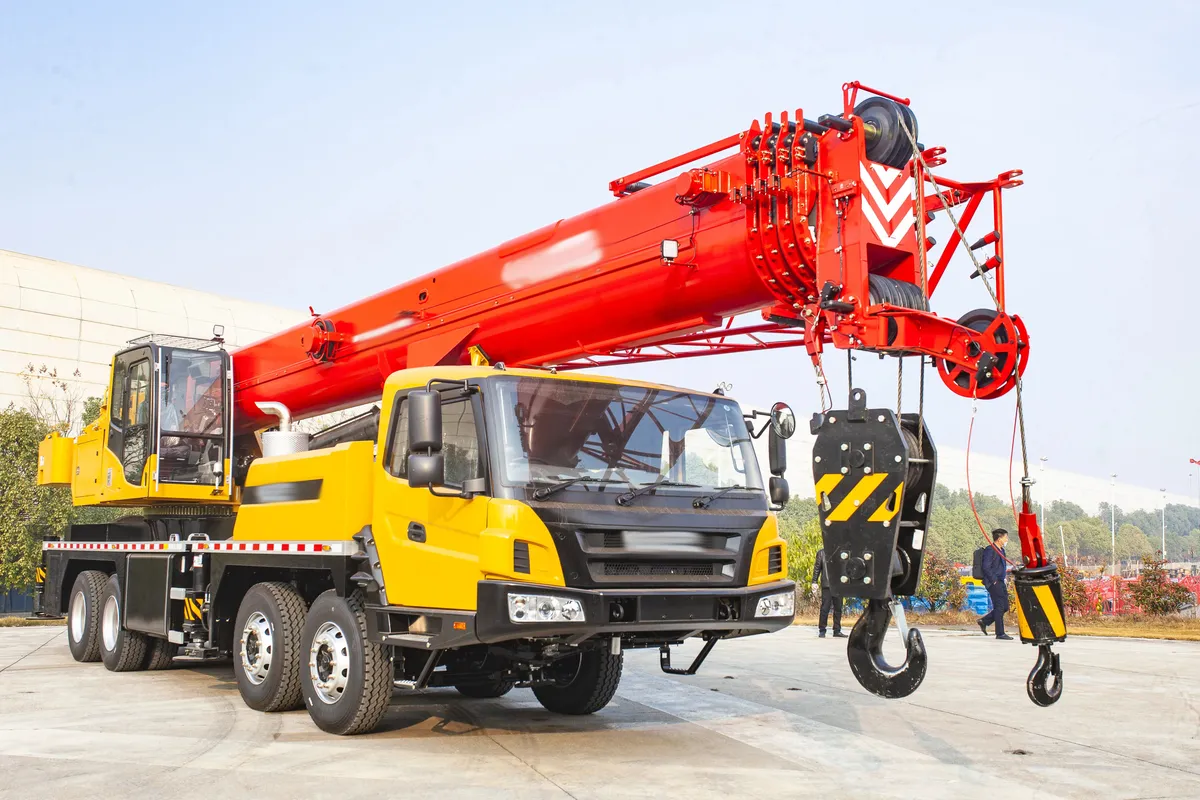
In practical terms, a hydraulic cylinder for crane applications serves as the mechanical muscle behind every critical movement. Boom extension, boom luffing, counterweight adjustment, support leg deployment, and arm anti-backtilt protection all rely on cylinders that must perform flawlessly under extreme loads, temperature swings, and constant vibration. A single cylinder failure can halt an entire lifting operation, costing thousands of dollars per hour in downtime and putting crew safety at risk.
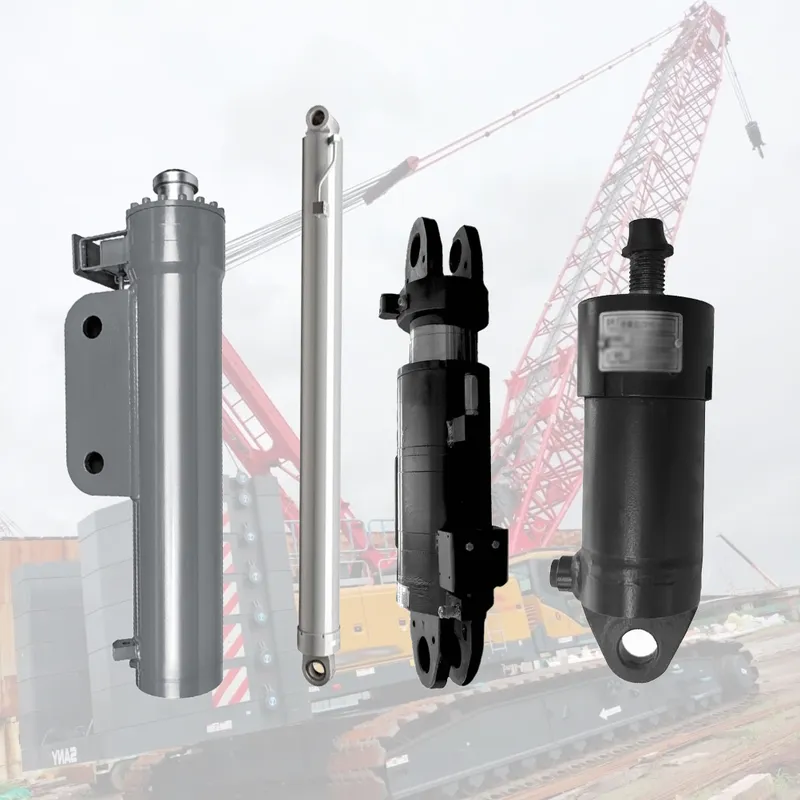
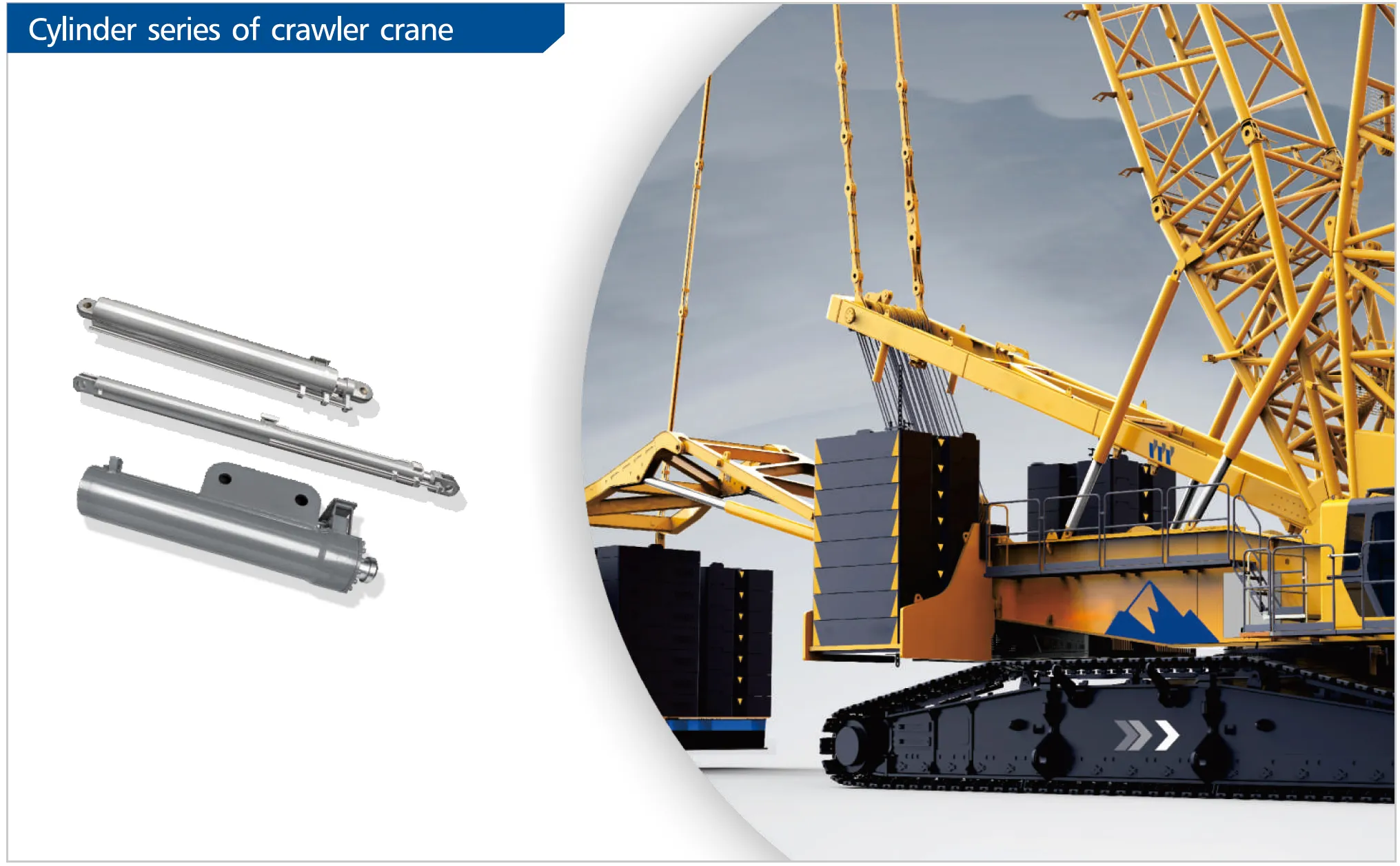
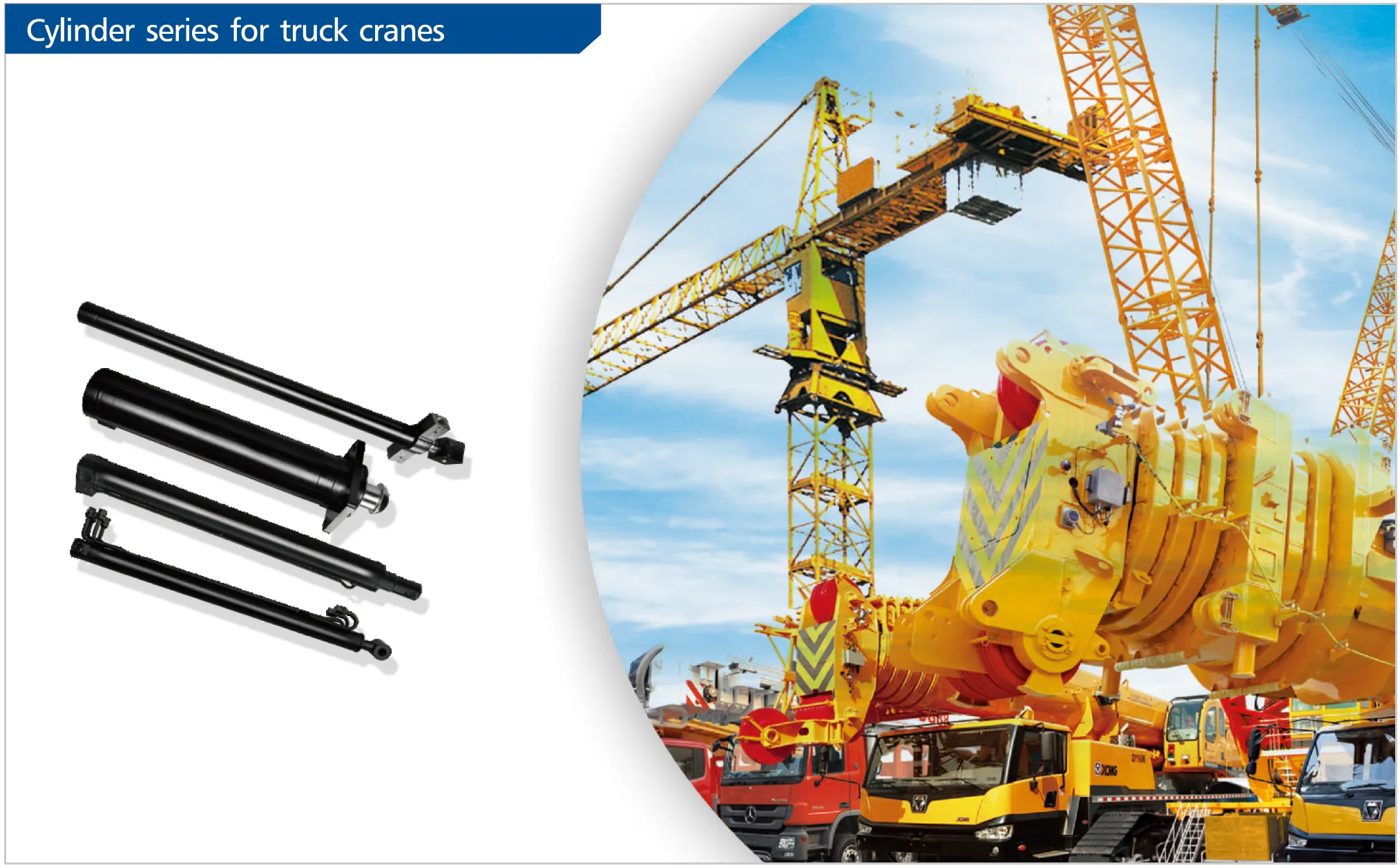
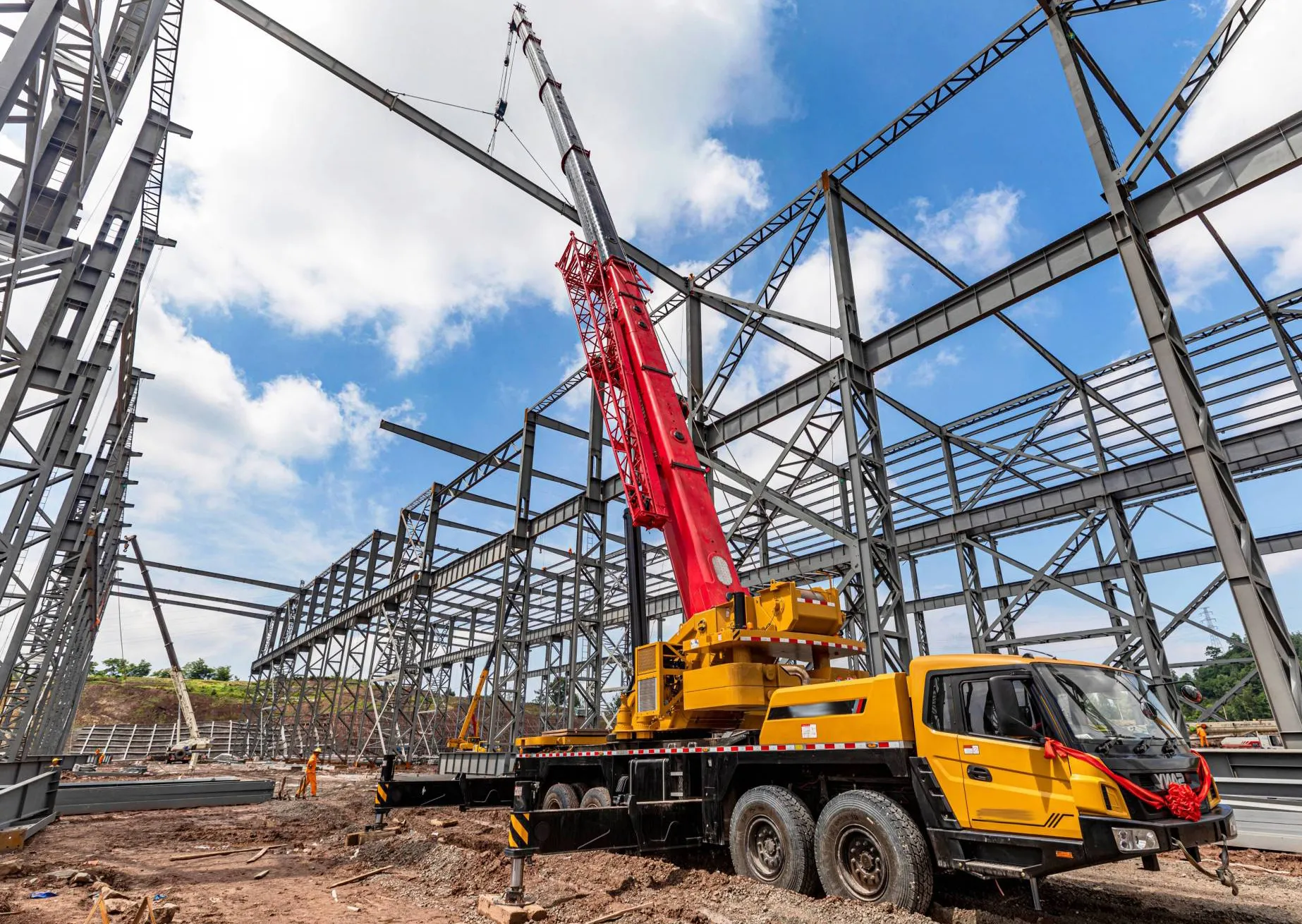
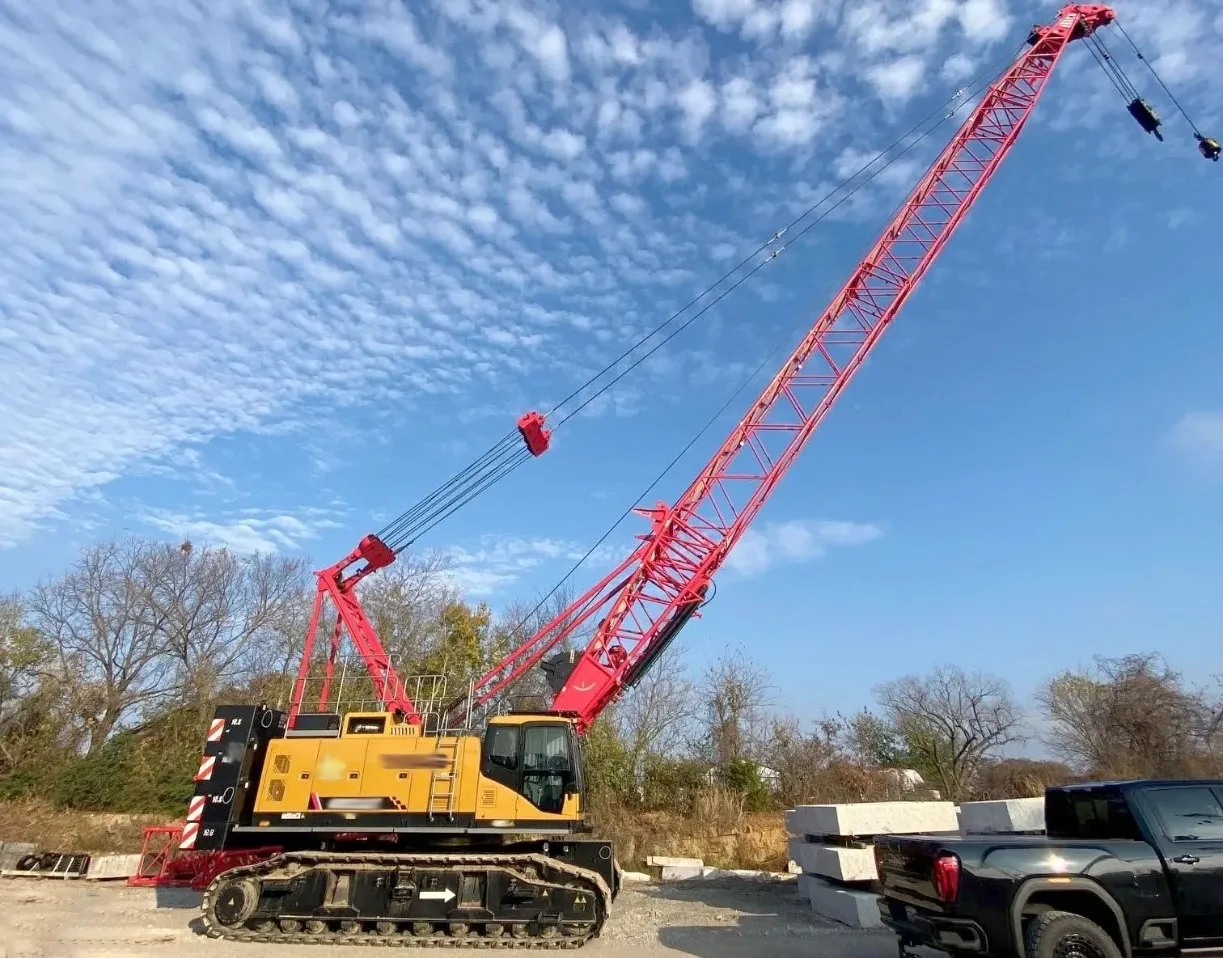
From mobile crane hydraulic cylinders used on rough-terrain and all-terrain machines to hydraulic cylinders for telescopic crawler cranes and hydraulic cylinders for truss arm crawler cranes, each application demands unique stroke lengths, bore sizes, operating pressures, and mounting configurations. The cylinder must absorb shock loads during dynamic lifting, resist side loading on long-reach booms, and maintain seal integrity through tens of thousands of duty cycles.
That is why choosing a trusted hydraulic cylinder manufacturer is not just a procurement decision. It is a decision that directly impacts safety, uptime, and total cost of ownership for every crane in your fleet. Our cylinders are engineered to meet and exceed the demands of the most rigorous crane applications in construction, mining, oil and gas, maritime logistics, and beyond.
Technical Specifications: Customizable Parameter Ranges
Every crane model has different spatial constraints and force requirements. We offer fully customizable hydraulic oil cylinders across a wide range of specifications. The table below outlines the typical parameter ranges available for our crane cylinder product line.
Basic Specifications
| Parameter | Customizable Range |
|---|---|
| Bore Diameter | 80 mm – 500 mm |
| Rod Diameter | 50 mm – 360 mm |
| Stroke Length | 200 mm – 12,000 mm |
| Operating Pressure | 16 MPa – 35 MPa |
| Test Pressure | 1.5x rated working pressure |
| Cylinder Action | Single acting / Double acting hydraulic cylinder |
| Retracted Length | Custom per application |
| Weight | 50 kg – 5,000 kg |
Mounting Options
| Mounting Type | Description |
|---|---|
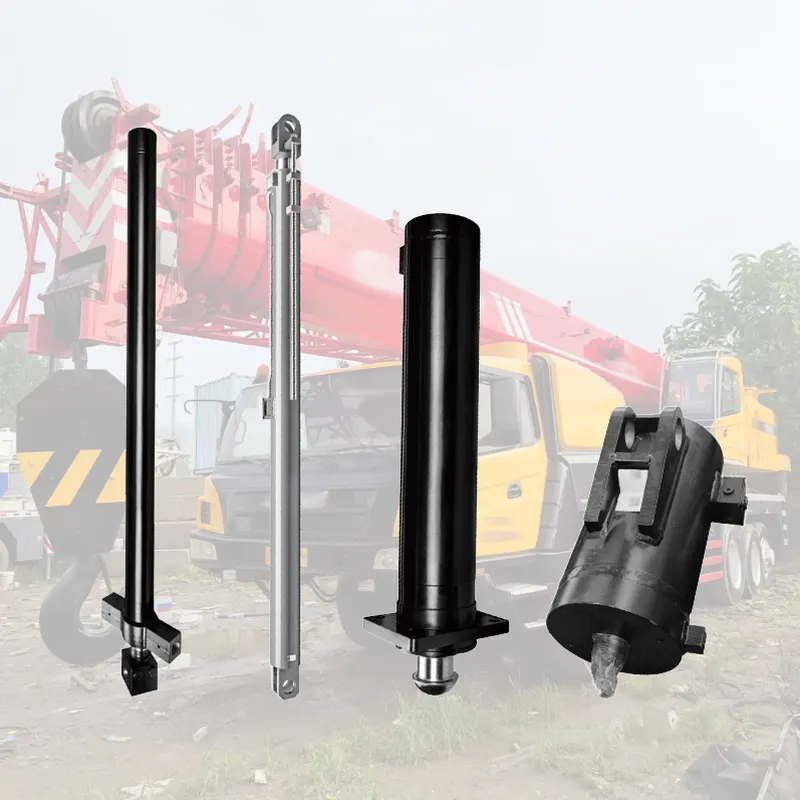
| Clevis / Eye Mount | Pin-connected at both ends, allows angular movement |
| Trunnion Mount | Mid-body pivot mounting for large boom cylinders |
| Flange Mount | Bolted flange at cap or head end |
| Cross Tube / Pin Mount | Welded cross tube with through-pin connection |
| Custom Ear Mount | Fabricated to match OEM attachment geometry |
Materials and Surface Treatment
| Component | Material / Treatment |
|---|---|
| Cylinder Tube | Honed seamless steel tube (H8-H9 tolerance), 27SiMn / 45# steel |
| Piston Rod | 42CrMo / 40Cr, hard chrome plated (0.03-0.05 mm), surface roughness Ra 0.2 |
| Piston | Ductile iron or forged steel, precision machined |
| Seals | NOK, Parker, Hallite; polyurethane and PTFE compound seals |
| Surface Coating | Anti-corrosion primer + polyurethane topcoat, optional Ni-Cr plating |
Environmental Adaptability
| Condition | Specification |
|---|---|
| Operating Temperature | -40 degrees C to +80 degrees C |
| Corrosion Resistance | Salt spray test 500+ hours (optional 1000+ hours for marine use) |
| Dust and Particle Protection | Heavy-duty wiper seals, metal scraper rings |
| Vibration Resistance | Designed for continuous dynamic loading and high-frequency oscillation |
Need parameters outside these ranges? Contact our engineering team to discuss your exact requirements.
Key Features and Advantages of Crane Hydraulic Cylinders
Extreme Load Capacity with Compact Design
Our crane boom hydraulic cylinders are engineered to deliver maximum force output while maintaining a compact envelope that fits within the tight spatial constraints of modern crane boom geometries. By using high-strength alloy steels and optimized wall thicknesses calculated through finite element analysis, we achieve push and pull forces that rival cylinders one size class larger, saving weight and installation space on your machine.
Zero Internal Leakage Seal System
Internal leakage is the silent killer of crane productivity. Our multi-stage sealing arrangement combines a primary piston seal with a secondary backup seal and integrated wear rings to achieve virtually zero internal bypass at full rated pressure. This means the boom holds position without drift, the outriggers maintain ground pressure, and the operator can trust that the load stays exactly where it is placed, cycle after cycle.
Extended Service Life Under Harsh Conditions
Cranes operate in some of the most punishing environments on earth, from desert construction sites to coastal ports with salt-laden air. Every hydraulic oil cylinder we produce for crane duty features hard chrome rod plating, heavy-duty external wiper seals, and corrosion-resistant coatings that extend service intervals and reduce the total cost of ownership. Our cylinders routinely reach 15,000+ operating hours before any seal replacement is needed.
Full Customization for OEM and Aftermarket Needs
Whether you need a hydraulic luffing cylinder for a specific telescopic crawler crane model or a support leg hydraulic cylinder for a truck crane fleet, we customize bore, stroke, rod diameter, mounting style, port locations, and surface treatments to match your exact application. We also supply complete technical drawings and 3D models to streamline your integration process.
Smooth and Controllable Stroke Action
Precision lifting demands smooth cylinder motion without stick-slip or sudden acceleration. We achieve this through precision-honed bore surfaces with Ra 0.4 or better finish, low-friction PTFE-based bearing strips, and carefully matched seal materials that reduce breakaway pressure. The result is predictable, proportional response to operator commands, which is especially critical for tandem lifts and work near overhead power lines.
Easy Maintenance and Field Serviceability
When a cylinder does eventually need attention, our thread-in gland design allows the rod assembly to be removed in the field without special tooling. Standard seal kits are available from stock, and our hydraulic cylinder parts catalog includes every internal component with clear part numbers and dimensional drawings. This minimizes downtime and keeps your cranes working when they need to be on the job.
Compatible Brand Replacements
Disclaimer: All brand names mentioned below are the property of their respective owners. They are referenced solely to help customers identify compatible replacement cylinders. We are not affiliated with or endorsed by any of these manufacturers.
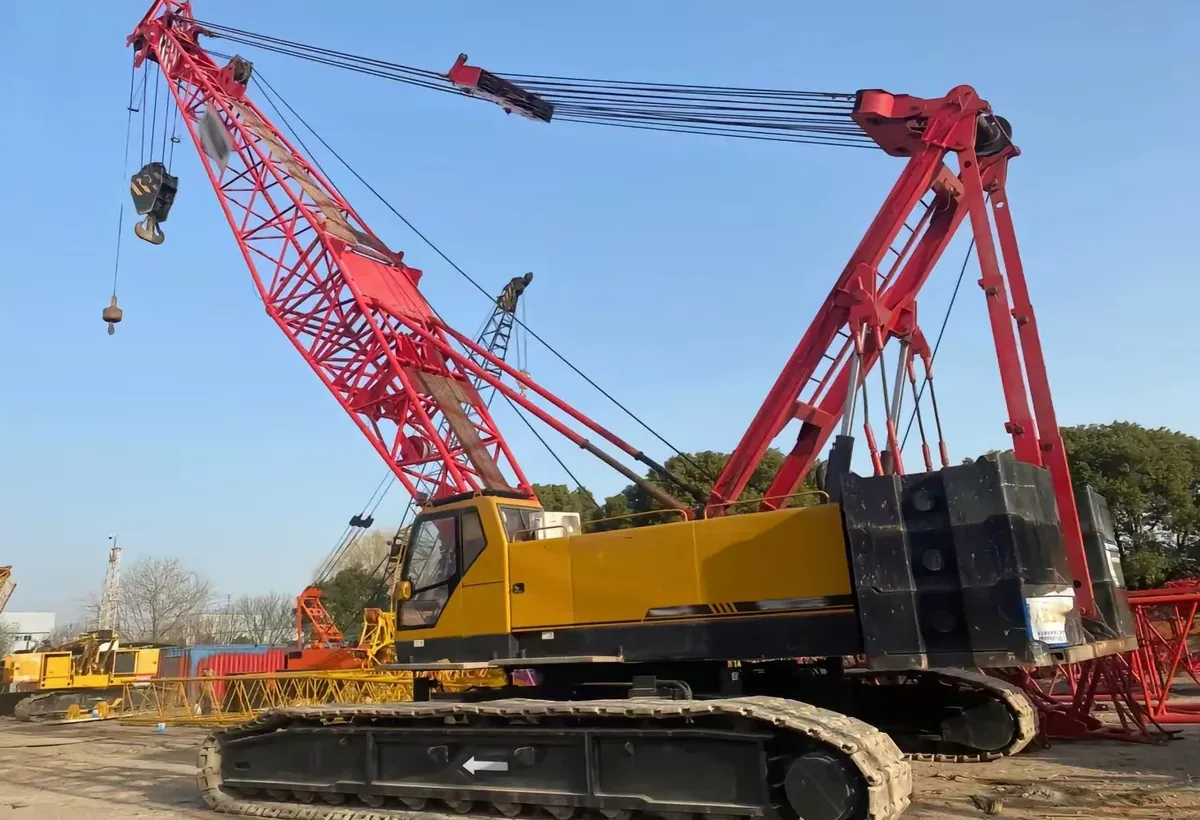
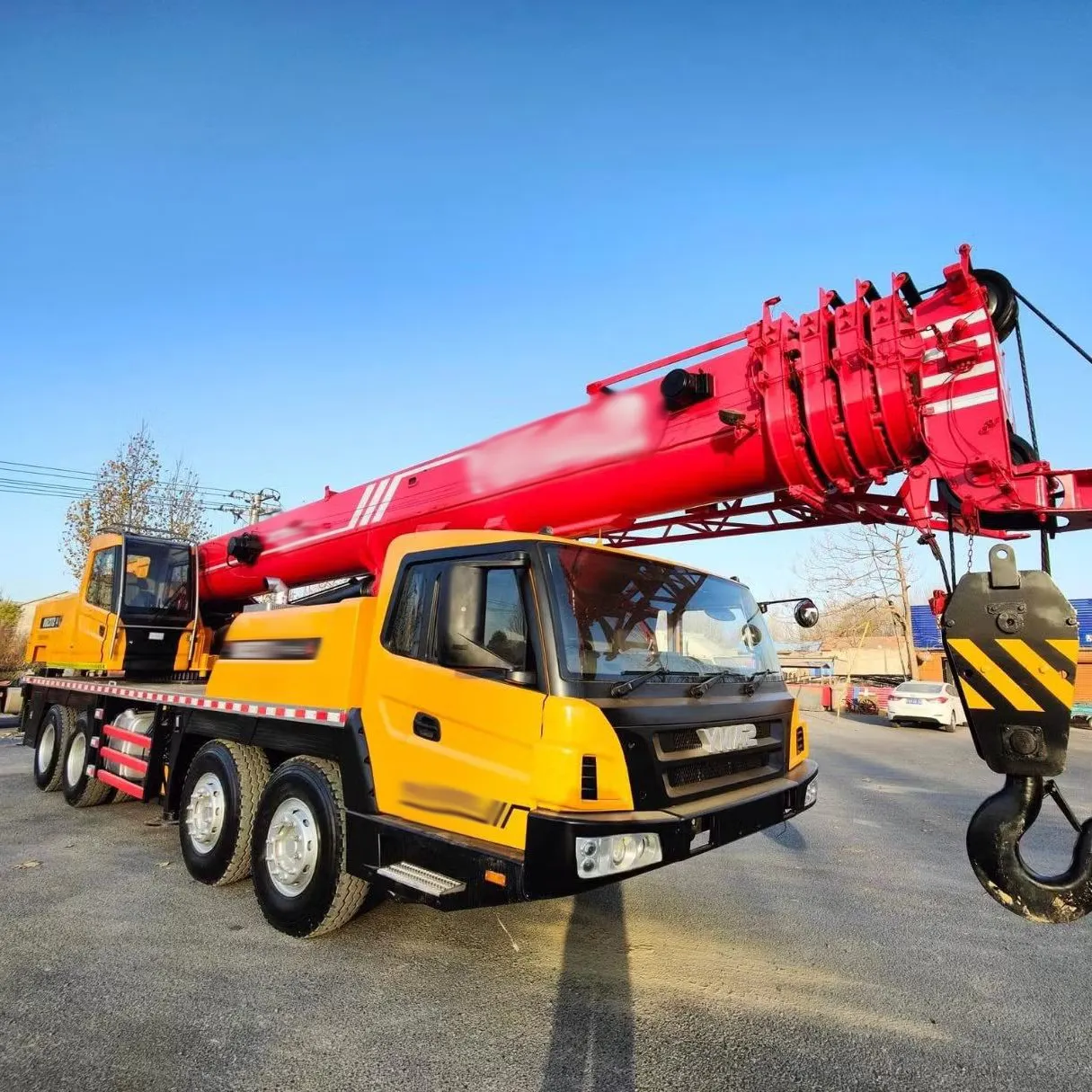
Our hydraulic cylinders are designed as direct-fit or adaptation-ready replacements for crane cylinders originally installed on machines from leading global manufacturers, including:
- Liebherr (LTM, LTR, LR series mobile and crawler cranes)
- XCMG (QY, XCT, XGC truck and crawler crane series)
- SANY (STC, SCC truck and crawler cranes)
- Zoomlion (ZTC, ZCC series)
- Tadano (GR, GT, ATF rough-terrain and all-terrain cranes)
- Manitowoc / Grove (GMK, GRT series)
- Kobelco (CKE, SL crawler cranes)
- Terex / Demag (AC, CC series)
- Kato (NK, CR truck and rough-terrain cranes)
- Link-Belt (TCC, RTC, HTC series)
We reverse-engineer from OEM samples or technical drawings to match critical dimensions including pin-to-pin length, bore, stroke, port size, and mounting geometry. Every replacement cylinder undergoes the same full-pressure testing protocol as our OEM-supply units.
Core Technical Advantages
1. Ultra-Low Friction Sealing Technology
Friction generates heat, accelerates wear, and wastes energy. Our seal packages use stepped-lip polyurethane piston seals combined with PTFE guide rings that reduce running friction by up to 30% compared to conventional NBR seals. Lower friction translates directly into less heat generation inside the cylinder, which preserves oil viscosity and extends seal life. For double acting hydraulic cylinder designs used in boom luffing and extension, this advantage compounds with every duty cycle.
2. High-Rigidity Cylinder Barrel and Piston Rod Manufacturing
The cylinder barrel is produced from seamless steel tube that is deep-hole bored and then roller burnished to achieve an internal surface finish of Ra 0.2 to Ra 0.4. This process work-hardens the bore surface, increasing hardness by approximately 30% and creating a micro-textured finish that retains a thin oil film for lubrication. The hydraulic cylinder piston rod undergoes induction hardening followed by precision grinding and hard chrome plating (minimum 0.03 mm thickness) for a surface hardness exceeding HRC 55.
3. Thermal Stability and Fatigue Life Optimization
Crane cylinders experience wide temperature swings and millions of pressure cycles over their service life. We use finite element simulation to optimize stress distribution at critical transition zones such as the weld between the barrel and the bottom cap, and between the gland and the barrel threads. Heat treatment processes are calibrated to achieve uniform grain structure throughout the forging, eliminating stress risers that lead to fatigue cracking. The result is a fatigue life that exceeds 1,000,000 full-pressure cycles.
4. Precision Internal Bore Geometry Control
Bore straightness, roundness, and cylindricity are controlled to within 0.02 mm per meter of stroke length. This level of geometric precision ensures uniform seal contact across the entire stroke, preventing localized wear patterns that lead to premature leakage. Every bore is measured with electronic bore gauges at multiple points before assembly, and the data is recorded in each cylinder’s quality traceability file.
5. Integrated Cushioning for End-of-Stroke Protection
Heavy crane components carry significant kinetic energy, especially during boom lowering and outrigger retraction. Our cylinders feature adjustable hydraulic cushions at one or both stroke ends. These cushions decelerate the piston progressively over the final 30-50 mm of travel, reducing peak impact pressures by up to 70% and protecting both the cylinder and the crane structure from shock damage.
6. Advanced Surface Engineering for Corrosion Resistance
For cranes operating in marine, tropical, or chemically aggressive environments, we offer enhanced surface treatments including nickel-chrome composite rod plating, ceramic-filled rod coatings, and epoxy-zinc-rich primer systems on external surfaces. These treatments provide corrosion protection that far exceeds standard industrial finishes, making our cylinders the preferred choice for port cranes, offshore crane support vessels, and coastal construction projects.
Manufacturing Process and Quality Control
Full In-House Manufacturing
From raw material incoming inspection to final paint and packaging, every step of our manufacturing process takes place within our own facilities. We operate CNC deep-hole boring machines, CNC lathes, robotic welding cells, honing machines, hard chrome plating lines, and hydraulic test stands. This vertical integration gives us complete control over quality, lead times, and cost, while eliminating the risks associated with outsourced processes.
100% Factory Testing Before Shipment
Every single cylinder that leaves our factory is tested at full rated pressure and at test pressure (1.5 times working pressure). We verify stroke length accuracy, leakage rates (both internal and external), cushion performance, and seal friction. Test data is logged digitally and linked to each cylinder’s unique serial number, so you always have a verified performance record for every unit in your inventory.
Certifications and Full Traceability
Our manufacturing facility holds ISO 9001:2015 quality management certification. Raw material heat certificates, dimensional inspection records, welding procedure qualifications, and test reports are archived and available on request. Every hydraulic cylinder component can be traced back to its original material lot, heat treatment batch, and machining operator. This level of traceability is essential for crane applications where safety and regulatory compliance are non-negotiable.
Continuous Improvement Through Field Feedback
We maintain active communication with our customers’ field service teams. When a cylinder returns for rebuild or warranty evaluation, our engineering group conducts a detailed failure analysis and feeds the findings back into design and process improvements. This closed-loop approach has driven measurable gains in seal life, rod surface durability, and overall cylinder reliability across our product range.
Typical Applications of Crane Hydraulic Cylinders
Construction Industry
Tower cranes, mobile cranes, and crawler cranes on construction sites rely on luffing hydraulic cylinders, hydraulic lift cylinders, and hydraulic support cylinders for boom raising, load positioning, and outrigger stabilization. From foundation work to topping-out, every phase of construction demands cylinders that hold up under continuous daily cycling.
Ports and Maritime Industry
Ship-to-shore gantry cranes, harbor mobile cranes, and floating cranes use heavy-duty hydraulic cylinders for boom luffing, spreader rotation, and vessel stabilization. Salt air, wind loads, and 24/7 operating schedules make corrosion resistance and fatigue life the top selection criteria in this sector.
Mining and Quarrying Industry
Dragline cranes, lattice boom crawler cranes, and specialized mining cranes depend on hydraulic pin shaft cylinders, hydraulic spring cylinders, and hydraulic power pin cylinders for boom assembly, bucket control, and machine relocation. Dust, extreme vibration, and heavy shock loading define the operating envelope in mining operations.
Oil and Gas Industry
Rig cranes, pipe-layer side booms, and platform cranes utilize hydraulic counterweight cylinders and hydraulic horizontal cylinders for load handling on drilling rigs, pipeline construction, and offshore platforms. Explosion-proof requirements and extreme temperature ranges add another layer of engineering complexity.
Manufacturing Industry
Overhead bridge cranes and jib cranes in steel mills, automotive plants, and heavy equipment assembly halls use hydraulic cylinders for precision load positioning, die handling, and component transfer. Repeatability and smooth operation are critical in these controlled factory environments.
Transportation and Logistics Industry
Truck-mounted knuckle boom cranes and container-handling reach stackers depend on hydraulic cylinders for truck cranes for fast, reliable load cycling. The support leg hydraulic cylinder and boom extension cylinders must operate thousands of cycles per week in freight yards and distribution centers.
Forestry and Logging Industry
Log loaders and forestry cranes require compact, high-force cylinders that resist damage from falling debris, tree sap, and rough terrain vibration. Our arm anti-backtilt hydraulic cylinders and luffing cylinders are popular choices for forestry crane OEMs and fleet rebuilders.
Agriculture Industry
Farm cranes, grain handling equipment, and irrigation system lifters use single acting hydraulic cylinders and double acting hydraulic cylinders for boom control and implement positioning. Seasonal dust, fertilizer exposure, and outdoor storage conditions require robust sealing and corrosion protection.
Energy and Utilities Industry
Wind turbine erection cranes, power line maintenance cranes, and transformer handling cranes demand cylinders with exceptionally long strokes, high load ratings, and advanced cushioning. The growing renewable energy sector, especially wind farm installation across Mexico and Latin America, is driving increasing demand for purpose-built crane cylinders with specialized performance profiles.

Comparison: Standard Cylinders vs. Our High-Performance Crane Cylinders
| Feature | Standard Hydraulic Cylinder | Our High-Performance Crane Cylinder |
|---|---|---|
| Bore Surface Finish | Ra 0.8 – 1.6 | Ra 0.2 – 0.4 (roller burnished) |
| Rod Chrome Thickness | 0.02 mm standard | 0.03 – 0.05 mm, ground finish |
| Seal Brands | Generic / unbranded | NOK, Parker, Hallite |
| Fatigue Life | 300,000 – 500,000 cycles | 1,000,000+ full-pressure cycles |
| Internal Leakage | Measurable drift under load | Virtually zero bypass |
| End-of-Stroke Cushioning | Optional, basic | Adjustable, integrated as standard |
| Traceability | Basic batch records | Full individual serial tracking with test data |
| Temperature Range | -20 to +60 degrees C | -40 to +80 degrees C |
| Salt Spray Resistance | 200 hours | 500 – 1000+ hours |
| Testing Protocol | Spot-check sampling | 100% individual full-pressure test |
Real-World Application Case Studies
Case 1: Crawler Crane Fleet in Monterrey, Mexico
Client: A mid-sized construction firm operating eight XCMG XGC series crawler cranes for infrastructure projects across Nuevo Leon state.
Challenge: The OEM luffing cylinders were reaching end of life after 9 years of service, and OEM replacement lead times exceeded 14 weeks.
How they found us: The client’s procurement manager discovered our website through a Google search for “hydraulic cylinder for telescopic crawler crane” in March 2024.
Solution: We manufactured eight sets of replacement hydraulic luffing cylinders with identical pin-to-pin dimensions and upgraded seals. Delivery was completed in 5 weeks.
Result: All eight cranes returned to service within one week of receiving the cylinders. After 14 months of continuous operation, zero leakage or performance issues have been reported.
Client feedback: “We saved nearly 40% compared to OEM pricing and got the cylinders in half the time. The quality is equal to or better than what came on the machines originally.” – R. Garza, Equipment Manager
Case 2: Port Crane Upgrade in Veracruz, Mexico
Client: A container terminal operator managing four harbor mobile cranes used for ship unloading at the Port of Veracruz.
Challenge: Frequent cylinder rod pitting and seal failure due to salt spray exposure, causing unplanned downtime averaging 12 hours per month per crane.
How they found us: Referred by another customer in September 2023. They contacted us through our contact page.
Solution: We supplied marine-grade boom luffing cylinders with nickel-chrome composite rod plating and upgraded wiper seals designed for salt-laden environments.
Result: Unplanned downtime dropped to less than 1 hour per month per crane over the following 18-month period. Rod surface condition at 18-month inspection showed no measurable pitting.
Client feedback: “The difference in rod quality is visible. Our maintenance crew noticed it immediately during installation. These cylinders handle the coastal conditions far better than what we had before.” – Ing. L. Dominguez, Maintenance Director
Case 3: Truck Crane Fleet Standardization in Guadalajara, Mexico
Client: A crane rental company with a mixed fleet of 15 SANY and Zoomlion truck cranes serving the Jalisco region.
Challenge: Managing multiple OEM cylinder part numbers across different crane models was creating inventory headaches and slow repair turnaround.
How they found us: The owner attended a construction equipment exhibition in Mexico City in November 2023 and visited our booth.
Solution: We conducted a fleet audit and designed a rationalized cylinder family covering hydraulic support leg cylinders, hydraulic counterweight cylinders, and hydraulic horizontal cylinders across all 15 machines. Shared seal kits and interchangeable gland designs reduced the total spare parts count by 35%.
Result: Average crane repair time for cylinder-related issues dropped from 4.5 days to 1.5 days. The client placed a second order for boom extension cylinders within 6 months.
Client feedback: “Having one supplier who understands our whole fleet makes everything simpler. Response time, quality, and pricing are all where they need to be.” – J. Medina, Owner
Case 4: Mining Crawler Crane in Sonora, Mexico
Client: A copper mining operation using Kobelco CKE series crawler cranes for mill maintenance and heavy component handling.
Challenge: Extreme dust and high ambient temperatures (frequently exceeding 45 degrees C in summer) were causing accelerated rod seal wear and external leakage after only 3,000 operating hours.
How they found us: Their maintenance engineer found our technical article on hydraulic cylinder repair best practices in July 2024 and reached out via email.
Solution: We supplied replacement boom cylinders with upgraded FKM (Viton) seal packages rated for continuous operation at 100 degrees C, reinforced metal scraper rings, and a desert-grade external coating system.
Result: First inspection at 5,000 hours showed no measurable seal wear. The projected service interval has been extended from 3,000 to over 10,000 hours.
Client feedback: “These cylinders finally solved our heat and dust problem. We’ve stopped carrying emergency seal kits for the boom cylinders entirely.” – C. Ortiz, Mine Maintenance Supervisor
Case 5: Wind Energy Crane Project in Oaxaca, Mexico
Client: A wind farm installation contractor erecting 3.5 MW turbines using Liebherr LTM series all-terrain cranes in the Isthmus of Tehuantepec.
Challenge: One crane required a replacement hydraulic lift cylinder for the main boom. The OEM quoted an 18-week lead time, which would delay the entire turbine installation schedule.
How they found us: A Liebherr service technician in Mexico recommended contacting us as an alternative cylinder source in January 2025.
Solution: We manufactured a drop-in replacement lift cylinder with matching specifications within 4 weeks, including air freight to Oaxaca.
Result: The crane was back in operation 14 weeks ahead of the OEM delivery timeline. The turbine installation schedule was maintained without delays.
Client feedback: “Losing a crane on a wind farm project is a six-figure-per-week problem. Getting the cylinder in four weeks instead of eighteen saved this project. The cylinder has been performing flawlessly since installation.” – F. Herrera, Project Manager
Maintenance Tips for Crane Hydraulic Cylinders
1. Inspect Rod Surface Regularly
The piston rod is the most exposed and vulnerable part of any hydraulic cylinder. Check the chrome surface for scratches, dents, pitting, or corrosion at least once per week during active crane operation. Even minor surface damage can allow contaminants past the wiper seal, leading to accelerated internal seal wear and eventual leakage. Address any visible damage immediately by polishing minor marks or scheduling a rod rework before the problem escalates.
2. Monitor Hydraulic Fluid Cleanliness
Contaminated hydraulic fluid is responsible for the majority of premature hydraulic cylinder seal failures. Use inline particle counters or send fluid samples for laboratory analysis at regular intervals, typically every 500 operating hours. Keep the fluid cleanliness level at ISO 4406 code 18/16/13 or better. Replace return line filters on schedule and check breather caps on the hydraulic reservoir to prevent airborne dust from entering the system.
3. Check Mounting Hardware and Pins
Worn or loose mounting pins and bushings allow the cylinder to move in ways it was not designed for, introducing side loads that accelerate bore and seal wear. Inspect pin bores and bushings for ovality and wear at every major service interval. Replace worn pins and bushings promptly, and apply the correct torque to all mounting fasteners. Using anti-seize compound on pin interfaces prevents galling and makes future disassembly much easier.
4. Verify Cylinder Alignment
Misalignment between the cylinder and its load path creates bending moments on the piston rod, which leads to uneven seal wear and premature rod gland failure. After any crane structural repair, boom replacement, or cylinder reinstallation, use a straightedge or laser alignment tool to verify that the cylinder centerline is parallel to the direction of load travel. Correct any misalignment before returning the crane to service.
5. Store Cylinders Properly When Not in Use
If a crane is parked for an extended period or spare cylinders are kept in inventory, store them vertically with the rod retracted and capped to prevent moisture ingress. Apply a light coat of rust-preventive oil to any exposed rod surface. Keep storage areas clean, dry, and protected from direct sunlight. Cylinders stored horizontally for extended periods can develop bore distortion due to uneven weight distribution, so vertical storage is always preferred.
6. Follow Recommended Seal Replacement Intervals
Do not wait for a seal to fail before replacing it. Proactive seal replacement based on operating hours or calendar time (whichever comes first) prevents unplanned breakdowns and collateral damage to bore and rod surfaces. Keep a complete hydraulic cylinder seal kit on hand for each critical cylinder on the crane. Our team can supply seal kits with detailed installation instructions for every cylinder model we manufacture.
How to Choose the Right Hydraulic Cylinder for Your Crane
Selecting the correct hydraulic cylinder for crane use is not a matter of simply matching bore and stroke numbers. Here is a practical step-by-step approach that we recommend based on decades of application experience:
1. Identify the cylinder function: Determine whether the cylinder serves as a luffing cylinder, lift cylinder, support leg cylinder, counterweight cylinder, horizontal cylinder, or another function. Each function has different load profiles, duty cycles, and speed requirements.
2. Gather the dimensional constraints: Measure or obtain from drawings the available mounting length (retracted center-to-center), maximum extended length, and available envelope diameter. For replacement cylinders, record the OEM part number and measure the existing unit.
3. Define the operating pressure and force requirements: Calculate the required push and pull forces based on the crane’s lifting capacity chart and boom geometry. Match these forces to a bore and rod combination that provides adequate force with an appropriate safety margin (typically 1.5x to 2x for crane applications).
4. Consider the operating environment: A crane working in a clean factory needs different surface treatments and seal materials than one operating on a dusty mine site or a salt-water port. Specify the temperature range, exposure to corrosive substances, and expected contamination levels.
5. Evaluate duty cycle and expected service life: High-cycle applications like container handling cranes need higher fatigue-rated designs than cranes that perform only a few lifts per day. Share your expected annual operating hours and cycle counts with our engineers so we can optimize the design accordingly.
6. Consult with our application engineers: Provide us with the crane make, model, and year along with the information above. We will recommend the optimal cylinder configuration and provide a detailed technical proposal and quotation.
Frequently Asked Questions
What is the typical lead time for a custom crane hydraulic cylinder?
Can you supply a hydraulic cylinder for a telescopic crawler crane if I only have the old cylinder to reference?
What hydraulic cylinder seals do you use, and are seal kits available separately?
Do you offer hydraulic cylinder repair services for existing crane cylinders?
What is the difference between a single acting and double acting hydraulic cylinder for crane use?
Can your crane hydraulic cylinders withstand extreme temperatures in desert or arctic environments?
What minimum order quantity do you require for crane hydraulic cylinders?
Do you ship hydraulic cylinders to Mexico and Latin America?
How do I know which hydraulic cylinder components need to be replaced during a rebuild?
What warranty do you provide on crane hydraulic cylinders?
Ready to Get Started? Let Us Build Your Crane Cylinder.
Customize Your Crane Hydraulic Cylinders
We design and manufacture custom crane hydraulic cylinders for every type of mobile crane, crawler crane, and truck crane. Share your crane model, cylinder function, and application details. Our engineers will respond with a technical proposal and competitive quotation, typically within 24 hours.