Hydraulic Cylinder for Arm Type Aerial Work Platform
Precision-engineered arm lift hydraulic cylinders built to deliver reliable lifting force, smooth articulation, and long service life for boom-type aerial platforms operating in demanding jobsite conditions.
The Core Role and Value of Hydraulic Cylinders in Arm Type Aerial Work Platforms
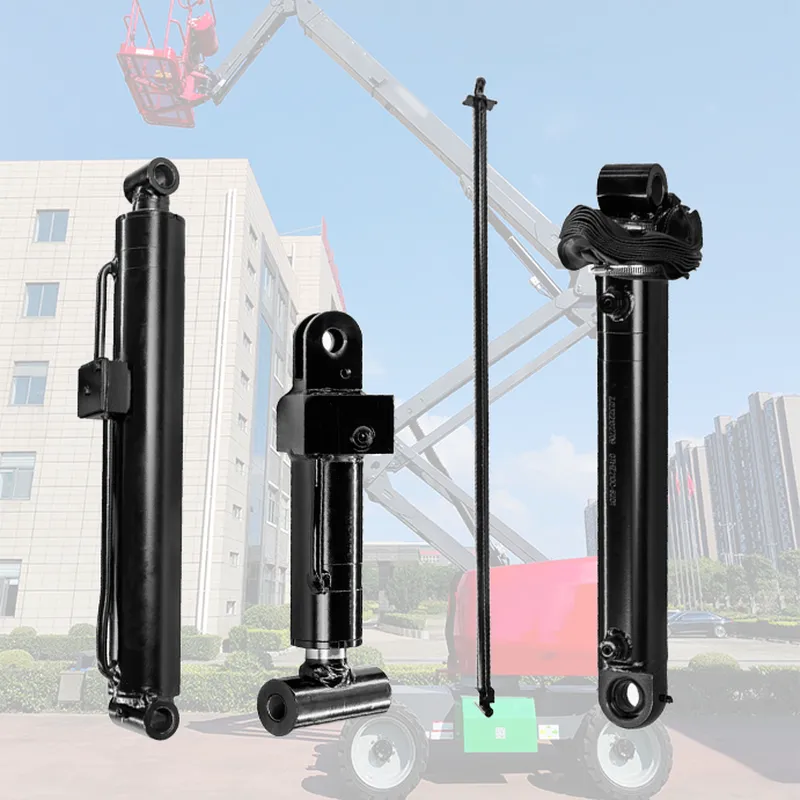
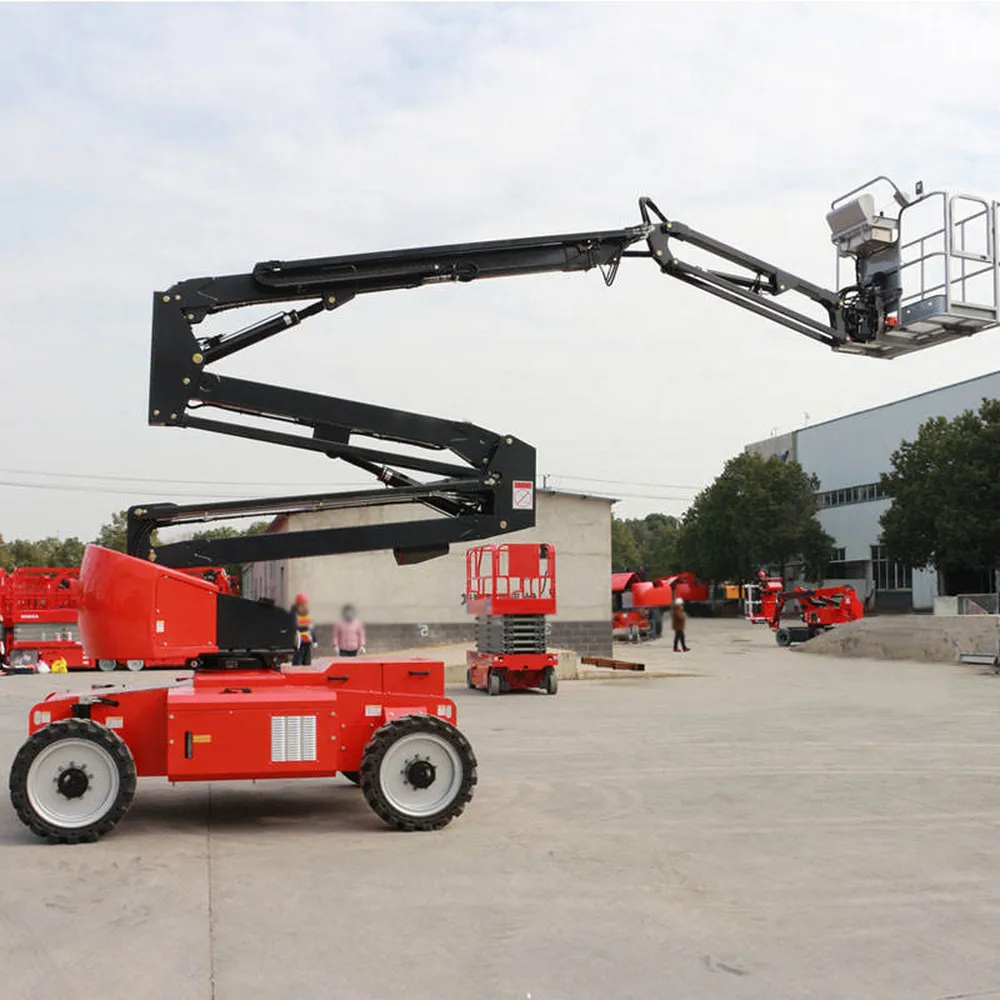
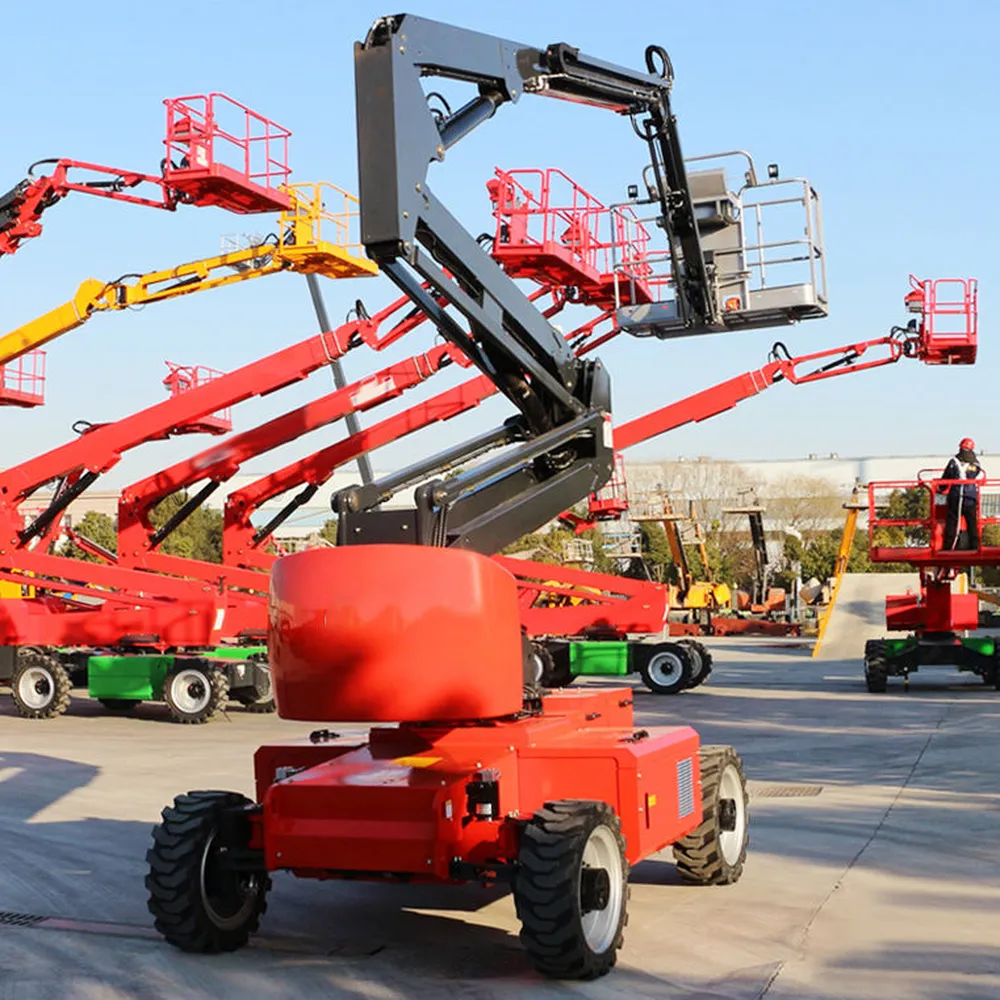
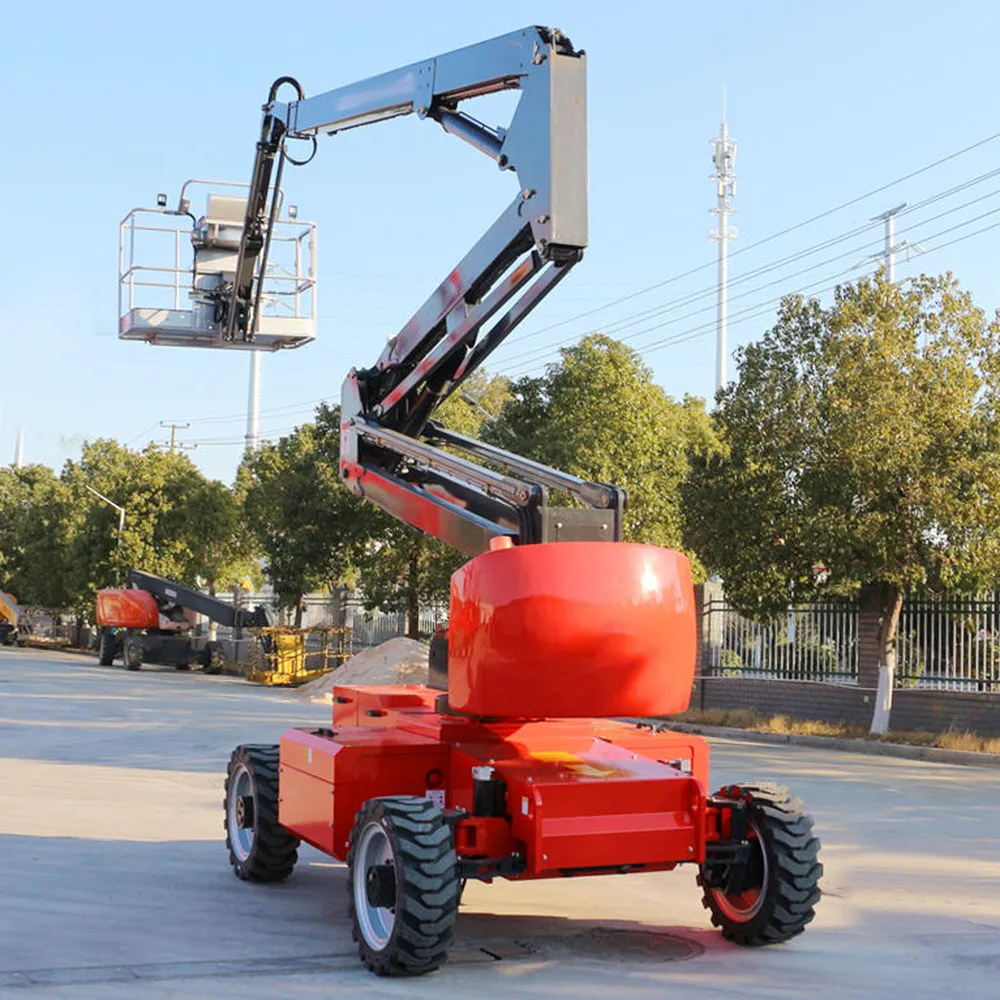
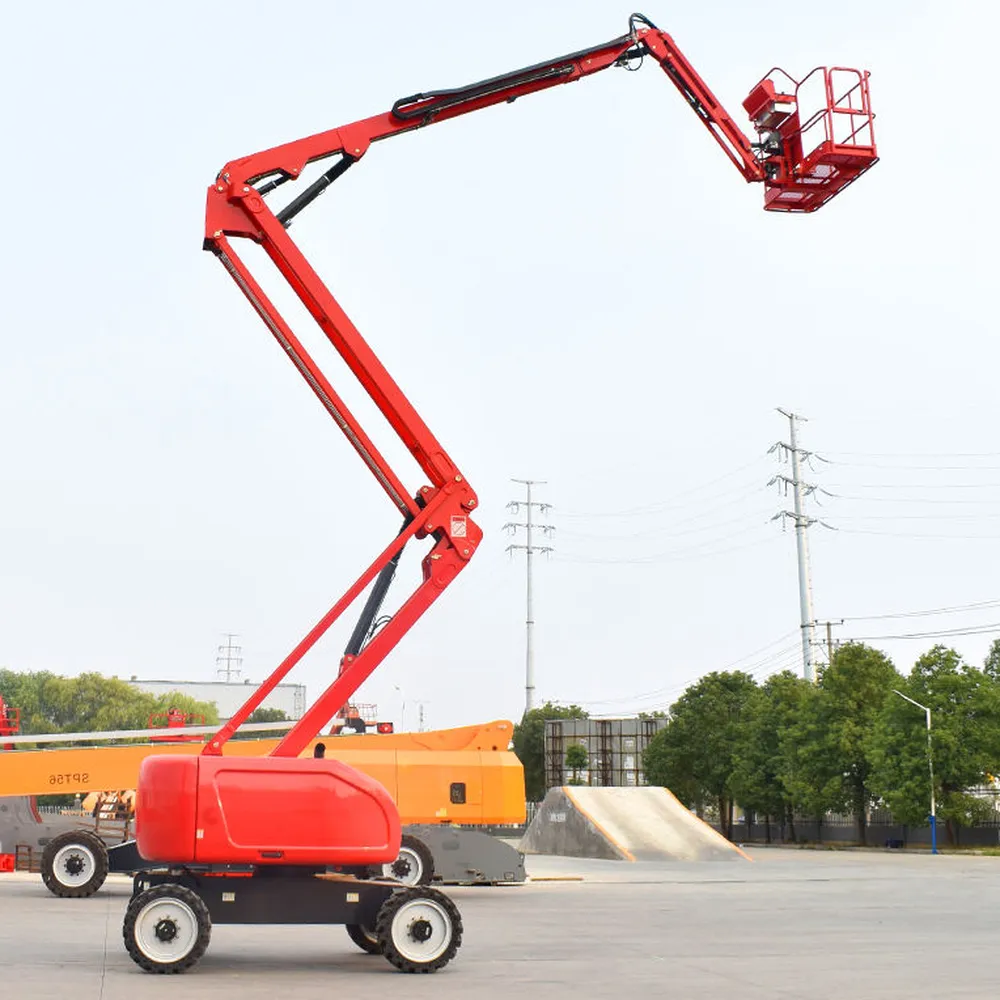
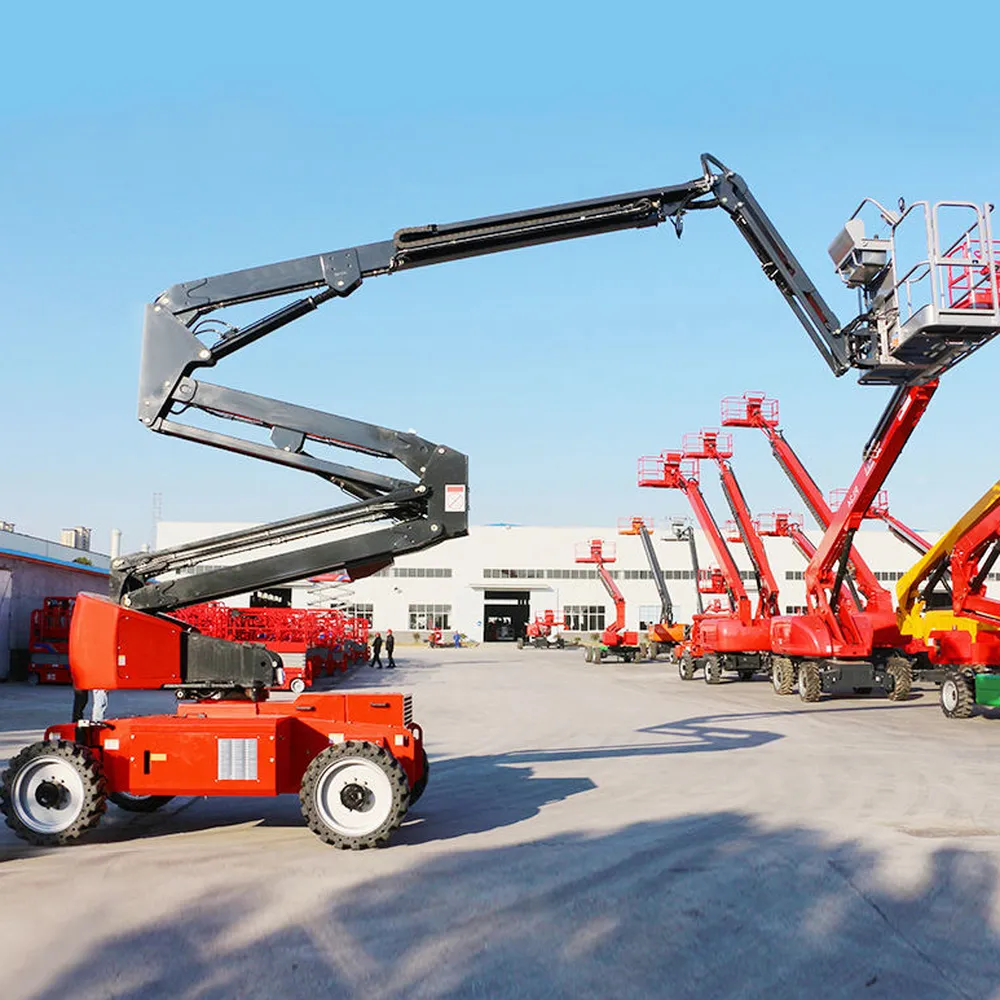
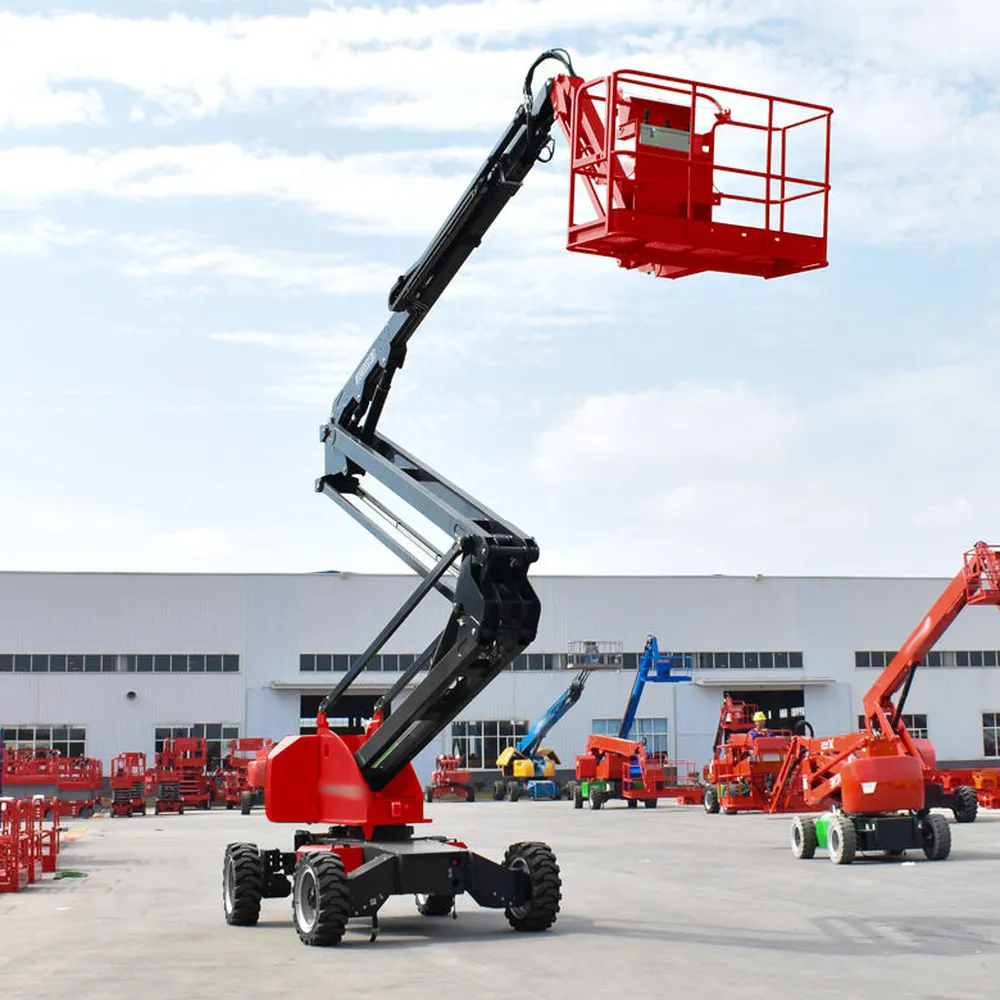
Arm type aerial work platforms, commonly known as boom lifts or articulating boom lifts, depend on a network of specialized hydraulic cylinders to achieve multi-directional movement at height. Every action an operator takes, whether raising the main boom, extending a telescopic section, adjusting the jib, or leveling the work basket, relies on a hydraulic cylinder converting pressurized fluid into precise linear motion.
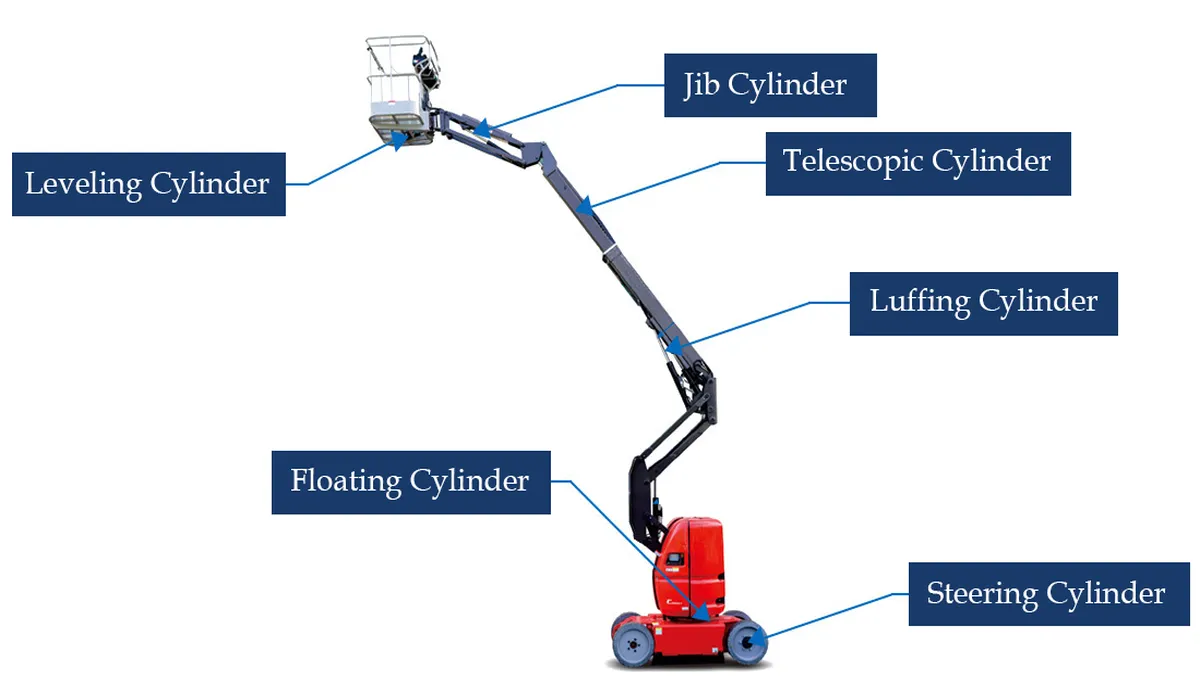
Within a single arm type platform, you will typically find several distinct cylinder types working together: the hydraulic luffing cylinder controls the main boom elevation angle, the hydraulic telescopic cylinder extends and retracts boom sections, the hydraulic jib cylinder adjusts the secondary arm for fine positioning, the hydraulic steering cylinder manages ground-level maneuverability, the hydraulic leveling cylinder keeps the basket horizontal as boom geometry changes, and the hydraulic floating cylinder compensates for dynamic loads during operation.
What makes these cylinders so critical is that they operate in a man-carrying environment. There is zero tolerance for drift, sudden rod creep, or seal failure when workers stand 20 meters above the ground. That reality shapes every design decision, from material selection to sealing technology to surface finish on the piston rod.
From a business perspective, choosing the right hydraulic cylinder manufacturer for your fleet directly affects uptime, maintenance costs, and worker safety records. A poorly designed cylinder leads to frequent hydraulic cylinder repair, unplanned downtime, and liability exposure. A well-engineered cylinder, on the other hand, quietly does its job for thousands of hours without intervention.
Technical Specifications and Customizable Ranges
Every arm type aerial work platform operates under unique load, reach, and environmental conditions. That is why our hydraulic cylinders for arm type aerial work platforms are fully customizable across a wide range of parameters. The table below summarizes the typical specification ranges we manufacture for this application category.
Basic Specification Ranges
| Parameter | Customizable Range | Notes |
|---|---|---|
| Cylinder Bore Diameter | 40 mm – 200 mm | Selected based on required output force and platform load rating |
| Piston Rod Diameter | 25 mm – 140 mm | Sized for buckling resistance; chrome-plated as standard |
| Stroke Length | 100 mm – 6000 mm | Telescopic models available for extended reach |
| Working Pressure | 16 MPa – 25 MPa | Rated to handle peak transient loads safely |
| Test Pressure | 1.5x Working Pressure | 100% factory proof tested before shipment |
| Cylinder Type | Double Acting / Single Acting / Telescopic | Double acting is the most common for arm type platforms |
| Speed Range | 0.05 m/s – 0.3 m/s | Controlled via flow regulation for smooth operation |
Installation and Mounting Options
| Mounting Style | Application |
|---|---|
| Clevis / Pin Eye (both ends) | Luffing cylinders, jib cylinders with angular movement |
| Flange Mount | Telescopic boom sections where axial alignment is critical |
| Trunnion Mount | Heavy-duty luffing and main boom lift applications |
| Cross Tube / Pivot Pin | Steering cylinders, leveling cylinders |
| Spherical Bearing End | Floating cylinders requiring multi-axis compensation |
| Custom OEM Mounting | Engineered to match specific platform frame geometry |
Materials and Surface Treatment
| Component | Material Options | Surface Treatment |
|---|---|---|
| Cylinder Barrel | 20# seamless steel, 45# steel, ST52, H8 honed tube | Internal honing to Ra 0.2-0.4 um; external painting or zinc plating |
| Piston Rod | 45# steel, 40Cr, 42CrMo, CK45 | Hard chrome plating 0.03-0.05 mm; mirror polished to Ra 0.2 um |
| Piston | Ductile iron, 45# steel, aluminum alloy | Precision machined; wear ring grooves per application |
| Seals | NOK, Hallite, Parker, or equivalent | Low-friction composite seals; temperature rated -40 C to +120 C |
| End Caps / Gland | Cast steel, forged steel | CNC machined; zinc phosphate coating optional |
Environmental Adaptability
| Environmental Factor | Specification |
|---|---|
| Operating Temperature Range | -40 C to +80 C |
| Corrosion Protection | Salt spray tested 500+ hours; optional marine-grade coatings |
| Dust and Debris Protection | Heavy-duty rod wiper seals; optional rod boots |
| UV Resistance | Exterior coatings rated for prolonged outdoor exposure |
| Hydraulic Fluid Compatibility | Mineral oil, biodegradable fluids, water-glycol (upon request) |
How Arm Type Aerial Work Platform Hydraulic Cylinders Work
The operating principle behind every hydraulic cylinder for arm type aerial work platform is straightforward, but the engineering details that make it safe and reliable for man-carrying equipment are anything but simple.
A hydraulic pump generates pressurized fluid, typically mineral-based hydraulic oil at pressures between 16 MPa and 25 MPa. This fluid enters the cylinder barrel through a port, pushing against the face of the hydraulic cylinder piston. The piston is rigidly connected to the piston rod, and as the piston moves, the rod extends or retracts, producing a powerful linear force.
In a double acting hydraulic cylinder, fluid can be directed to either side of the piston. Pumping fluid into the cap-end port extends the rod. Directing it to the rod-end port retracts it. This two-way control is essential for boom lifts because operators need active power in both directions, not just gravity return, to achieve smooth, controlled movement.
For arm type platforms specifically, the control system coordinates multiple cylinders simultaneously. When the operator pushes the joystick to raise the boom, the hydraulic luffing cylinder extends while the hydraulic leveling cylinder automatically adjusts to keep the platform horizontal. The control valve distributes flow to each cylinder at precisely the right rate, resulting in motion that feels smooth and intuitive from the basket.
Load-holding valves integrated into the cylinder ports prevent the boom from drifting downward when the controls are in neutral. These counterbalance valves are a non-negotiable safety feature. They lock the cylinder in position by blocking the return flow path until the operator deliberately commands movement. Without them, the weight of the boom and basket would slowly push oil back through the system, causing gradual, dangerous descent.
The sealing system inside each cylinder plays a vital role. The piston seal prevents oil from bypassing the piston during stroke, while the rod seal keeps oil inside the barrel as the rod slides in and out. A wiper seal on the gland scrapes dirt and moisture off the rod surface before it re-enters the barrel, protecting the internal seals from contamination. For aerial platforms operating on dusty construction sites or coastal maintenance projects, the quality of these hydraulic cylinder seals directly determines service life.

Compatible Replacement for Major Brand Equipment
Disclaimer: All brand names mentioned below are the property of their respective owners. They are referenced solely for the purpose of identifying equipment compatibility and assisting customers in selecting the correct replacement cylinder. No affiliation, endorsement, or sponsorship is implied.
Our hydraulic cylinders for aerial work platforms are engineered as direct-fit replacements for the OEM cylinders found in a wide range of popular boom lift brands. Over the past two decades, we have supplied replacement and aftermarket cylinders for equipment manufactured by:
- JLG Industries (340AJ, 450AJ, 600AJ, 800AJ, 1250AJP series and others)
- Genie (S-60, S-65, S-80, S-85, Z-45, Z-60, Z-80 series)
- Haulotte (HA16RTJ, HA20RTJ, HA26RTJ, HT23RTJ series)
- Manitou (200ATJ, 220TJ, 280TJ series)
- Dingli (BA20RT, BA26RT, BT30RT series)
- XCMG (XGS28, XGS34 series)
- Sinoboom (AB14EJ, AB18EJ, AB21EJ series)
- Zoomlion (ZT20J, ZT26J series)
- Skyjack (SJ46AJ, SJ63AJ, SJ66T series)
- Niftylift (HR17, HR21, HR28 series)
If your platform model is not listed above, send us the OEM part number, bore diameter, rod diameter, stroke, and installation dimension, and our engineering team can confirm compatibility or design a matching replacement within days.
Core Technical Advantages
Ultra-Low Friction Sealing Technology
We use a combination of PTFE-bronze composite piston seals and polyurethane rod seals that produce significantly less breakaway friction than standard nitrile seals. Lower friction means smoother boom movements, reduced heat buildup inside the cylinder, and less wear on internal surfaces. For the operator, this translates to finer control and a more responsive feel at the joystick. For the maintenance manager, it means extended hydraulic cylinder seal life and longer intervals between rebuilds.
High-Rigidity Barrel and Rod Manufacturing
Our cylinder barrels are produced from cold-drawn seamless steel tube, honed internally to a mirror finish of Ra 0.2 um or finer. Piston rods are induction-hardened on the surface layer, then hard chrome plated to 0.03-0.05 mm thickness. This creates a rod surface that resists scoring, pitting, and corrosion, which are the three primary causes of premature seal failure. The combination of a precisely honed barrel bore and an ultra-smooth rod surface is what gives our cylinders their trademark long life in demanding field conditions.
Thermal Stability and Fatigue Life Optimization
Arm type aerial work platforms cycle their cylinders thousands of times per month. Each cycle generates heat and imposes stress on the barrel wall, welds, and rod connection points. Our design uses finite element analysis (FEA) to optimize wall thickness distribution and weld geometry for maximum fatigue resistance. We also specify seal materials that maintain dimensional stability across a wide temperature range, from -40 C to +80 C. This matters greatly in markets like Mexico, where equipment might work in desert heat during the day and near-freezing mountain temperatures overnight.
Integrated Load-Holding Valve Manifold
For luffing cylinders and telescopic cylinders, we can machine the counterbalance valve cavity directly into the cylinder end cap. This integrated approach eliminates the external valve block, external hoses, and potential leak points associated with remote-mounted valves. The result is a cleaner installation, reduced system weight, and faster response time, all of which contribute to safer platform operation.
Advanced Internal Cushioning System
End-of-stroke impact is a common source of noise, vibration, and component damage on aerial platforms. Our cylinders feature adjustable internal cushioning at both stroke ends. As the piston approaches full extension or retraction, a tapered spear enters a matching bore in the end cap, progressively restricting flow and decelerating the piston. This eliminates the harsh metal-on-metal impact that degrades welds and mounting pins over time.
Corrosion-Resistant External Coating System
Every cylinder ships with a multi-layer external coating system: shot blasting to SA 2.5, zinc-rich primer, and a polyurethane topcoat matched to the customer’s color specification. For coastal or high-humidity environments, we offer optional Dacromet rod coatings and stainless steel port fittings. This level of corrosion protection keeps cylinders performing reliably even in salt-laden air near ocean-front construction projects.
Manufacturing Process and Quality Control
Full In-House Manufacturing
We control every stage of the production process, from raw material receiving through final assembly and testing. Our facility includes CNC lathes, deep-hole boring machines, honing machines, hard chrome plating lines, robotic welding cells, and a dedicated clean-room assembly area. Keeping everything under one roof eliminates quality gaps between suppliers and gives us complete traceability for every hydraulic cylinder component that goes into a finished product.
100% Factory Testing Before Shipment
Every single cylinder, without exception, undergoes a full test protocol before it leaves our facility. This includes hydrostatic pressure testing at 1.5 times the rated working pressure, leak testing at working pressure under sustained hold, stroke function testing to verify smooth operation across the full travel, and dimensional verification of critical mounting features. Cylinders destined for aerial work platforms also receive an extended drift test where the cylinder is loaded and held for a set time period to confirm zero internal leakage past the piston seal.
Certifications and Traceability
Our manufacturing system is ISO 9001:2015 certified. Raw material certificates (mill test reports) accompany every batch of steel that enters the factory. Weld procedures are qualified to EN ISO 15614, and welders hold individual certifications per EN ISO 9606. Each cylinder carries a unique serial number linked to a full production record, including material batch numbers, machining dimensions, weld parameters, seal batch codes, and test results. If a customer needs to trace a cylinder back to its origins five years later, we can produce the complete file.
Continuous Improvement and Process Audits
We conduct regular internal audits and invest in equipment upgrades to maintain precision over time. Our CNC machines are calibrated on documented schedules, cutting tools are tracked for wear, and honing parameters are verified against surface roughness measurements taken on every production batch. This disciplined approach is what allows us to offer consistent quality whether you order 10 cylinders or 10,000.
Typical Industry Applications
Construction Sites
Arm type aerial work platforms equipped with reliable arm lift hydraulic cylinders are indispensable on construction sites for tasks like structural steel installation, exterior cladding, and high-rise window fitting. The articulating boom gives workers the ability to reach over obstacles and position themselves exactly where the work needs to happen, even on congested sites where crane access is restricted. In Mexico, the rapid growth of commercial and residential construction in cities like Monterrey, Guadalajara, and Mexico City has driven strong demand for boom lifts with durable hydraulic systems that can handle daily use without breakdown.
Utility and Power Line Maintenance
Electric utilities rely on insulated boom lifts for overhead line maintenance, transformer inspection, and storm damage repair. The hydraulic telescopic cylinder and hydraulic jib cylinder allow linemen to position the bucket precisely near energized conductors. Cylinder reliability in this application is not just about cost; a cylinder failure that drops the boom while a lineman is working near high-voltage lines can be catastrophic. That is why utility fleet managers scrutinize cylinder specifications and demand documented proof testing.
Telecommunications Tower Service
Cell tower technicians use tall-reach boom lifts to access antenna arrays, cabling, and equipment enclosures mounted at heights of 30 meters or more. These lifts often operate in remote, unimproved locations with soft ground, high winds, and temperature extremes. The hydraulic floating cylinder plays a key role in compensating for chassis tilt on uneven terrain, maintaining a level platform for the technician working above.
Warehouse and Industrial Facility Operations
Indoor boom lifts with electric drive trains use compact hydraulic cylinders to reach high racking, overhead ducts, lighting fixtures, and sprinkler systems inside warehouses and distribution centers. Low-emission and low-noise operation is standard in these settings, and the hydraulic cylinder must deliver smooth, jerk-free motion to avoid disturbing inventory or other workers sharing the space.
Emergency Response
Fire departments and rescue services deploy aerial work platforms for high-rise rescue, structural fire attack, and technical rescue operations. The hydraulic arm cylinder must respond instantly and hold position under dynamic loading as rescuers move on the platform. Emergency vehicles demand a higher reliability standard than standard construction equipment, and our cylinders are engineered to meet that expectation.
Renewable Energy Projects
Wind turbine installation and solar farm construction create heavy demand for boom lifts. Technicians use them to reach nacelles, blade roots, and electrical junction boxes at significant heights. In Mexico, the rapidly expanding wind energy sector along the Isthmus of Tehuantepec and the solar installations across the Sonoran Desert represent growing markets for high-quality hydraulic cylinders for aerial work vehicles that can withstand harsh outdoor conditions and extended service intervals.
Shipbuilding and Port Maintenance
Shipyards and port facilities use boom lifts for hull painting, welding, and cargo handling equipment maintenance. Salt air, moisture, and chemical exposure in these environments make corrosion resistance a top priority. Our marine-grade coating options and stainless steel hardware packages are specifically designed for customers operating near the coast.
Comparison: Standard Hydraulic Cylinders vs. Our High-Performance Cylinders
Not all hydraulic cylinders for sale are created equal. The table below highlights the practical differences between a generic replacement cylinder and the performance-engineered units we produce for aerial work platform applications.
| Feature | Standard Cylinder | Our High-Performance Cylinder |
|---|---|---|
| Barrel Material | Welded seam tube | Cold-drawn seamless H8 honed tube |
| Rod Chrome Thickness | 0.015 – 0.02 mm | 0.03 – 0.05 mm (hard chrome) |
| Seal Type | Standard nitrile (NBR) | PTFE-bronze composite + polyurethane |
| Internal Surface Finish | Ra 0.6 – 0.8 um | Ra 0.2 – 0.4 um |
| Stroke End Cushioning | Not included | Adjustable internal cushioning both ends |
| Load-Holding Valve Option | External valve block (extra hose connections) | Integrated manifold machined into end cap |
| Testing Protocol | Spot check sampling | 100% pressure test + drift test + function test |
| Traceability | Limited or none | Full serial-number-linked production record |
| Corrosion Protection | Basic paint | Shot blast + zinc primer + PU topcoat; salt spray 500+ hrs |
| Typical Service Life | 2,000 – 4,000 hours | 6,000 – 10,000+ hours |
Real-World Customer Case Studies
Case 1: Rental Fleet Operator in Monterrey, Mexico
Customer: A mid-sized equipment rental company operating 48 boom lifts across northern Mexico.
Challenge: Their fleet of JLG 450AJ and 600AJ units was experiencing frequent luffing cylinder seal failures, averaging one breakdown every 1,200 operating hours. The OEM replacement cylinders had a 12-week lead time, and each machine sitting idle was costing the company roughly $180 per day in lost rental revenue.
How They Found Us: The fleet manager discovered our website through a Google search for “hydraulic cylinder for arm lift replacement” in March 2024. After reviewing our product pages and requesting samples, he placed a trial order for 6 luffing cylinders.
Result: After 14 months in service, none of the six replacement cylinders have required any maintenance. The average service interval has extended beyond 4,800 hours. The customer has since standardized on our cylinders for all boom lift rebuilds across the fleet.
Customer Feedback: “We were skeptical at first because the price was 30% lower than OEM. But after a full year with zero leaks on any of the six units, we converted the entire fleet. The quality speaks for itself.” – Carlos M., Fleet Maintenance Director
Case 2: Wind Farm Maintenance Contractor in Oaxaca, Mexico
Customer: A specialized wind turbine maintenance firm servicing 120 turbines along the Isthmus of Tehuantepec.
Challenge: Their Haulotte HA26RTJ boom lifts operated in extremely corrosive coastal conditions with constant salt-laden wind. Standard cylinders were developing external pitting and rod corrosion within 8 months, forcing premature replacement.
How They Found Us: A colleague at another wind energy firm recommended us after attending a trade show in Shanghai in October 2023. They contacted us through our contact page and sent drawings for evaluation.
Result: We supplied a full set of replacement cylinders with upgraded marine-grade coatings, Dacromet rod treatment, and stainless steel fittings. After 18 months of continuous outdoor exposure, rod surface condition remains excellent with no visible pitting.
Customer Feedback: “The coastal environment here destroys equipment fast. These cylinders are the first ones that have actually survived more than a year without corrosion problems. Impressive.” – Miguel R., Operations Manager
Case 3: Boom Lift Manufacturer in Queretaro, Mexico
Customer: An OEM that produces compact articulating boom lifts for the Latin American market.
Challenge: The OEM was sourcing cylinders from three different suppliers, resulting in inconsistent quality, dimensional variations between batches, and assembly line delays. They needed a single reliable hydraulic cylinder manufacturer capable of supplying all six cylinder types used across their product line.
How They Found Us: Their purchasing director visited our factory in January 2024 after finding us through an industry directory listing. He toured the production floor, reviewed our testing protocols, and placed a pilot order for 200 cylinders covering all six types.
Result: The first batch passed incoming inspection with a 99.6% first-pass acceptance rate. Lead time was reduced from 10 weeks (multiple suppliers) to 5 weeks (single source). The OEM has now signed a framework supply agreement covering their projected 2025-2026 production volumes.
Customer Feedback: “Consolidating to one cylinder supplier simplified our supply chain and improved our quality at the same time. Their engineering team understood our drawings immediately, which saved weeks of back-and-forth.” – Eduardo S., VP of Procurement
Case 4: Municipal Utility Service Provider in Guadalajara, Mexico
Customer: A city utility department responsible for maintaining street lighting, traffic signals, and overhead electrical infrastructure across the Guadalajara metropolitan area.
Challenge: Their aging fleet of 12 truck-mounted boom lifts needed cylinder overhauls, but OEM parts were no longer available for several older models. They needed a supplier who could reverse-engineer the existing cylinders and produce functional replacements.
How They Found Us: A procurement officer submitted an inquiry through our website in June 2024 after searching for “hydraulic cylinder parts for aerial work platform.” They shipped two worn cylinders to our facility for dimensional analysis.
Result: We reverse-engineered both cylinder designs, produced detailed manufacturing drawings, and delivered replacement cylinders within 6 weeks. The new units incorporated upgraded seals and improved rod surface finish compared to the originals. Six months later, the utility ordered replacement sets for all 12 vehicles.
Customer Feedback: “We thought we would have to retire those trucks because nobody could supply the cylinders anymore. This team took our old units, measured everything, and delivered replacements that actually work better than the originals. Outstanding service.” – Jorge T., Fleet Coordinator
Case 5: International Rental Group with Operations in Mexico and Central America
Customer: A regional equipment rental corporation managing over 300 aerial work platforms across Mexico, Guatemala, and Costa Rica.
Challenge: With multiple brands in the fleet (Genie, JLG, Haulotte, Dingli), they were managing too many different cylinder part numbers from too many suppliers. They wanted to rationalize their spare parts inventory and work with a single aftermarket cylinder source that could cover all brands.
How They Found Us: Their regional VP met our sales team at the Conexpo Latin America exhibition in October 2023. After a factory audit in December 2023, they began a phased procurement program in Q1 2024.
Result: Over 12 months, we supplied 420 cylinders covering 28 different part numbers across four platform brands. Spare parts inventory was reduced by 35% because we standardized seal kits and rod dimensions where possible without compromising fit. Warranty claims in the first year were less than 0.5%.
Customer Feedback: “Managing one cylinder supplier instead of seven has saved us significant time and money. Quality has been rock solid, and when we need a custom dimension, they turn it around faster than anyone else we have worked with.” – Ana L., Regional Procurement Director
Common Fault Diagnosis and Troubleshooting
Even the best hydraulic cylinders can experience operational issues if the broader hydraulic system is not properly maintained. Here are the most common problems encountered with hydraulic cylinders for arm type aerial work platforms and practical steps to resolve them.
Boom Drift Under Load (Cylinder Creep)
If the boom slowly lowers when the controls are in neutral, the most likely causes are: worn piston seals allowing internal bypass, a faulty counterbalance valve not fully seating, or a control valve spool not centering properly. Start by checking hydraulic fluid temperature (overheating reduces oil viscosity and worsens bypass). Next, isolate the cylinder from the circuit and perform a drift test. If the cylinder drifts with ports blocked, the internal seals need replacement. If it holds, the problem is elsewhere in the circuit.
External Oil Leakage at the Rod Seal
Visible oil on the rod surface usually indicates a failed rod seal or a damaged rod surface. Inspect the rod for scoring, dents, or chrome flaking. Even minor scratches can cut through the seal lip and create a leak path. If the rod is damaged, it must be re-chromed or replaced. If the rod surface is clean, replace the seal kit using genuine or equivalent-quality hydraulic cylinder seals.
Jerky or Uneven Cylinder Movement
Stick-slip motion, where the cylinder alternates between sticking and jumping, is typically caused by air in the hydraulic system, contaminated oil, or worn guide rings that allow the piston to contact the barrel wall. Bleed the system thoroughly, check the oil condition and filtration, and inspect the guide rings for wear. If the barrel bore shows scoring, the cylinder will need to be re-honed or replaced.
Excessive Noise During Operation
Cavitation noise (a harsh rattling or grinding sound) usually points to a restricted suction line, low reservoir oil level, or a pump drawing air through a loose suction fitting. Aeration noise (a lighter hissing or crackling) indicates air bubbles entrained in the oil, often from a return line discharging above the fluid level. Address the root cause in the system rather than assuming the cylinder itself is the problem.
Reduced Lifting Speed or Force
If the boom moves slower than normal or cannot reach full height under load, check system pressure at the pump output and at the cylinder port. A significant pressure drop indicates a restriction, possibly a clogged filter, a partially closed valve, or a worn pump. Also verify that the hydraulic oil meets the correct viscosity specification for the ambient temperature. In hot climates, oil can thin excessively, reducing volumetric efficiency across the entire system.
How to Select the Right Hydraulic Cylinder for Your Aerial Work Platform
Choosing the correct replacement or upgrade cylinder hydraulic for an arm type platform involves several key considerations. Here is a practical checklist based on what we discuss with customers every day.
1. Identify the Cylinder Function: Determine which position on the machine the cylinder occupies: luffing, telescopic, jib, steering, leveling, or floating. Each function has different force, speed, and mounting requirements.
2. Obtain the OEM Part Number or Dimensional Data: If you have the OEM part number, we can cross-reference it immediately. Otherwise, measure the bore diameter, rod diameter, stroke length, collapsed (closed) length, and mounting pin dimensions. Photographs of the end fittings are extremely helpful.
3. Confirm the Working Pressure: Check the platform hydraulic system dataplate or service manual for the maximum system pressure. The replacement cylinder must be rated to at least this pressure with an appropriate safety margin.
4. Evaluate the Operating Environment: Will the platform operate in coastal areas, dusty mines, chemical plants, or cold-climate regions? Environmental factors influence the choice of rod coating, seal material, and external paint system.
5. Consider Valve Integration: Does your current cylinder have an integrated counterbalance valve, or is it mounted externally? We can match either configuration or upgrade from external to integrated if preferred.
6. Define Your Quality and Certification Requirements: OEMs typically require ISO certification, full material traceability, and documented test reports. Rental companies and end users may have less formal requirements, but we recommend requesting test certificates regardless, especially for man-carrying applications.
7. Plan for Spares and Seal Kits: Order spare hydraulic cylinder seal kits at the same time as the cylinders. Having seals on hand means a future rebuild can be done in-house without waiting for parts shipment.
If you need guidance matching a cylinder to your specific platform model, our engineering team is available to help. Visit our about us page to learn more about our capabilities, or send your requirements directly.
Frequently Asked Questions
Ready to Upgrade Your Aerial Work Platform Hydraulic Cylinders?
Whether you need a single replacement cylinder, a complete set of boom lift cylinders, or a long-term OEM supply partnership, our team is ready to help. Share your specifications, drawings, or OEM part numbers, and we will provide a detailed quotation within 24 hours.