The Core Role of the Forklift Hydraulic Cylinder
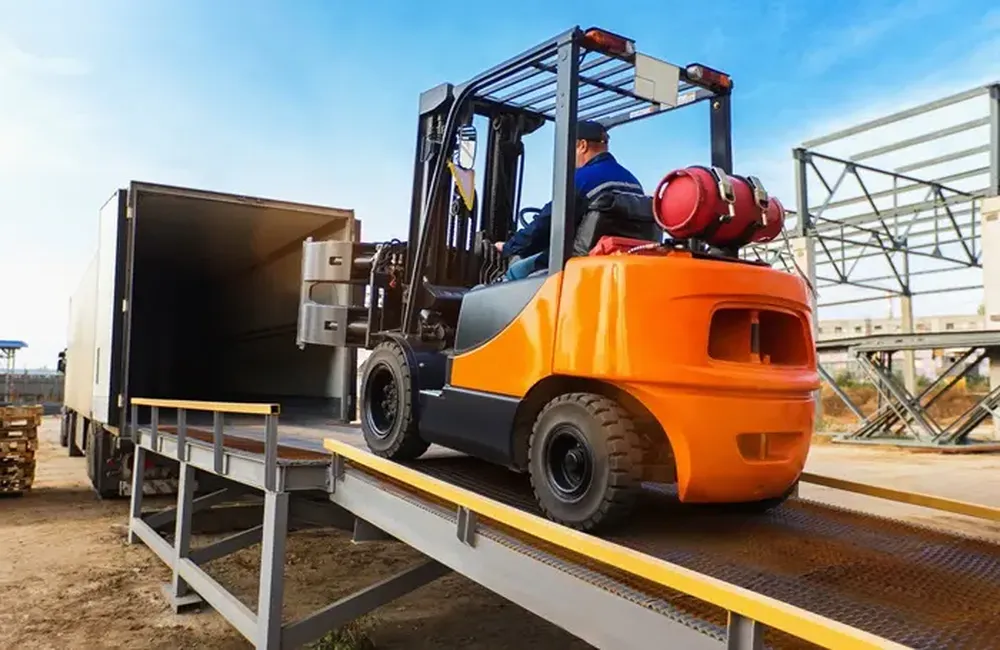
Every forklift on a warehouse floor, construction site, or shipping yard depends on one critical component to do its job: the hydraulic cylinder. Whether lifting a loaded pallet six meters high or tilting the mast forward to place cargo with pinpoint accuracy, the forklift hydraulic cylinder translates pressurized fluid into the controlled, linear force that makes material handling possible. Without reliable hydraulic cylinders, even the most powerful forklift engine becomes useless.
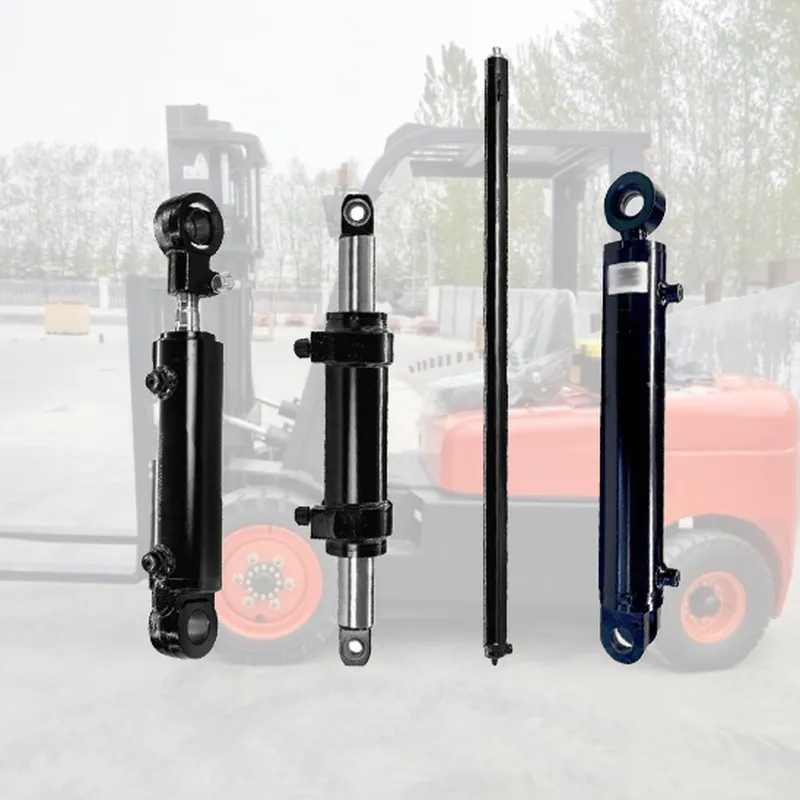
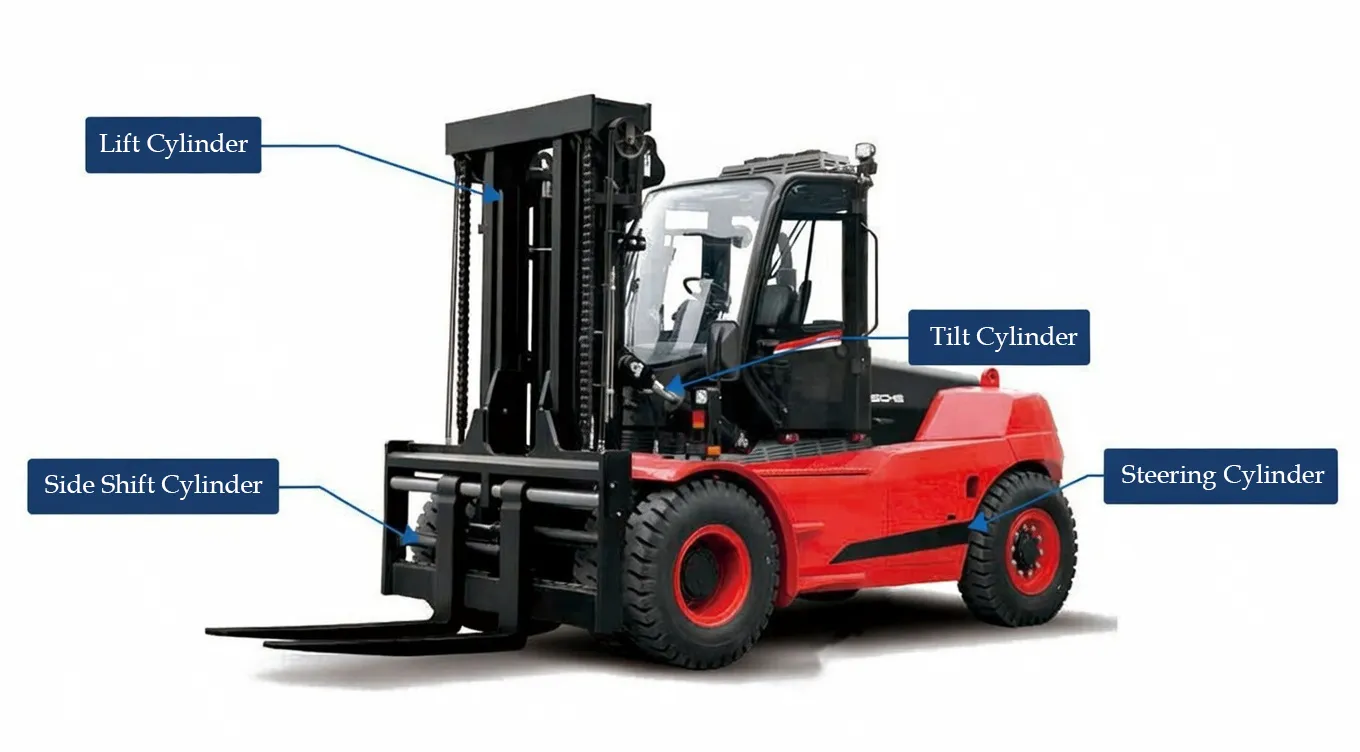
A typical forklift uses several cylinder types working in concert. The hydraulic lift cylinder raises and lowers the carriage along the mast rails. The hydraulic tilt cylinder angles the mast forward or backward so loads stay secure during transport. The hydraulic steering cylinder provides responsive rear-axle steering in tight spaces, while the hydraulic side shift cylinder allows lateral repositioning of the forks without moving the entire truck. Each cylinder must deliver smooth, leak-free operation under heavy loads and constant cycling.
The value of a well-made forklift hydraulic cylinder goes far beyond simple lifting. It directly impacts uptime, operator safety, energy efficiency, and total cost of ownership. A premium hydraulic oil cylinder with precision-honed bore and chrome-plated piston rod resists internal leakage, reduces operating pressure, and extends service intervals. For fleet managers running dozens of trucks across multiple shifts, those incremental gains translate into significant annual savings.
Technical Specifications – Customizable Range
We manufacture every forklift hydraulic cylinder to order, which means bore diameter, stroke length, rod size, port configuration, and mounting style are all adjustable to your exact machine requirements. The tables below outline the customizable parameter ranges across our four main forklift cylinder categories.
Basic Specifications
| Parameter | Lift Cylinder | Tilt Cylinder | Steering Cylinder | Side Shift Cylinder |
|---|---|---|---|---|
| Bore Diameter | 45 – 120 mm | 50 – 100 mm | 40 – 80 mm | 40 – 90 mm |
| Rod Diameter | 30 – 70 mm | 30 – 60 mm | 25 – 50 mm | 25 – 55 mm |
| Stroke Length | 500 – 3000 mm | 80 – 250 mm | 100 – 300 mm | 50 – 200 mm |
| Working Pressure | 16 – 25 MPa | 16 – 21 MPa | 14 – 21 MPa | 16 – 21 MPa |
| Burst Pressure | 48 – 63 MPa | 42 – 56 MPa | 42 – 56 MPa | 42 – 56 MPa |
| Cylinder Type | Single Acting / Multi-Stage | Double Acting | Double Acting | Double Acting |
Mounting, Materials & Environmental Ratings
| Category | Options |
|---|---|
| Mounting Styles | Pin-eye, Clevis, Flange, Trunnion, Cross-tube, Foot mount, Custom brackets |
| Cylinder Tube Material | ST52 / 27SiMn / AISI 1045 seamless cold-drawn steel tube, honed to Ra 0.2 – 0.4 um |
| Piston Rod Material | CK45 / 42CrMo4, hard chrome plated (20 – 30 um), induction hardened available |
| Seal Kits | Parker, NOK, Hallite; NBR / FKM / PTFE compounds; temperature range -40 C to +120 C |
| Surface Treatment | Zinc plating, nickel plating, QPQ salt-bath nitriding, powder coating, Dacromet |
| Port Thread | BSP, NPT, SAE O-ring, metric thread per customer request |
| Operating Temperature | -40 C to +100 C (FKM seals for high-temp environments) |
| Protection Rating | IP65 standard; IP67 available for washdown and outdoor applications |
Features and Advantages
1. Precision-Honed Bore for Smooth Operation
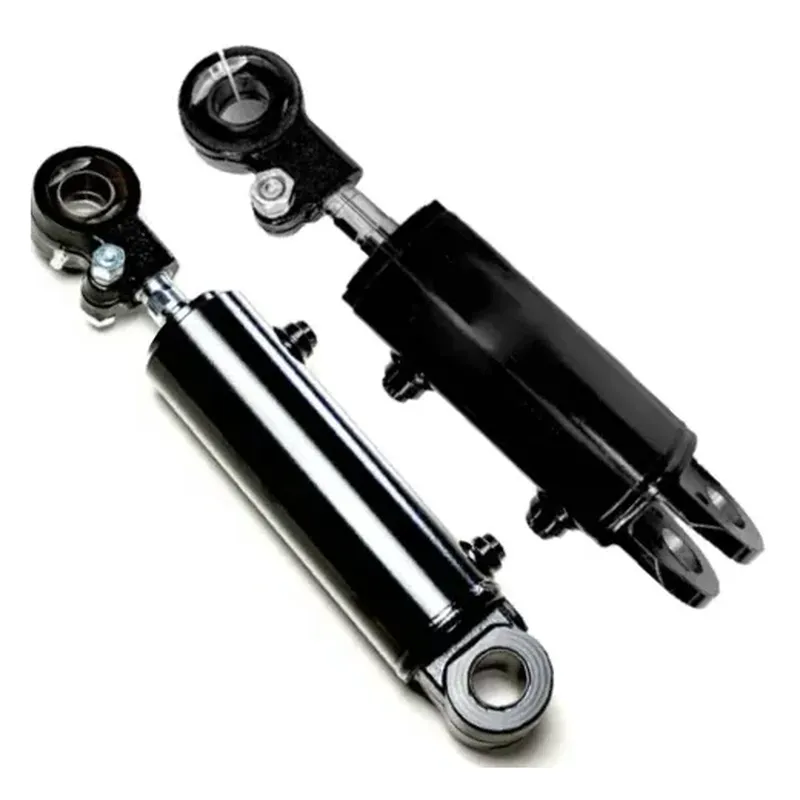
Every cylinder tube is finish-honed to a surface roughness of Ra 0.2 – 0.4 um, which drastically reduces friction between the piston seal and the bore wall. This level of finish ensures consistent piston speed throughout the full stroke, minimizes heat generation during rapid cycling, and helps the hydraulic cylinder seals maintain a tight, leak-free fit over thousands of operating hours.
2. Heavy Chrome Piston Rod
The piston rod receives a hard chrome layer of 20 to 30 microns, followed by superfinishing to achieve a mirror-like surface. This treatment provides exceptional resistance to scoring, corrosion, and abrasive wear from dust and debris — common challenges in forklift environments. The result is a longer service life and fewer forklift hydraulic cylinder repair events.
3. Multi-Brand Seal Compatibility
We engineer our gland and piston grooves to accept seal kits from leading manufacturers including Parker, NOK, and Hallite. This means our customers are never locked into a single seal supplier, and field replacement using locally available forklift hydraulic cylinder seals is straightforward. Seal compounds are selected to match the fluid type and temperature range of each application.
4. Full Customization on Every Dimension
Unlike off-the-shelf catalogs, every cylinder we ship is built to the buyer’s drawing or OEM part number. Bore, stroke, rod diameter, port location, thread type, mounting style, and paint color are all open parameters. This makes us the preferred hydraulic cylinder manufacturer for fleet operators and equipment builders who need exact-fit replacements without modifying their machines.
5. Designed for High-Cycle Durability
Forklift cylinders operate at cycle counts that would destroy many industrial cylinders. Our internal cushioning design and reinforced rod end bearings absorb shock loads at stroke end, protecting the rod seal and preventing tube distortion. This engineering approach allows our double acting hydraulic cylinder models to exceed 500,000 full-load cycles before scheduled maintenance.
Compatible Replacement for Major Forklift Brands
Disclaimer: All brand names mentioned below are the property of their respective owners. They are referenced here solely to help buyers identify compatible replacement cylinders. We are not affiliated with or endorsed by any of these companies.
Our forklift hydraulic cylinders are engineered as direct-fit replacements for lift, tilt, steering, and side shift cylinders found on a wide range of equipment, including:
- Toyota
- Hyster
- Yale
- Caterpillar (CAT)
- Komatsu
- Mitsubishi
- Clark
- Crown
- Linde
- Nissan / UniCarriers
- Doosan
- Jungheinrich
- Heli
- Hangcha
Whether you need a single acting hydraulic cylinder for an older mast design or a modern double acting hydraulic cylinder with integrated cushioning, we can match the original part number and often improve upon the OEM design with upgraded seals and surface finishes.
Core Technical Advantages
Ultra-Low Friction Sealing System
We use a composite seal stack that pairs a PTFE guide ring with a low-durometer polyurethane lip seal. This combination cuts breakaway pressure by up to 35% compared to standard NBR piston seals, which means the forklift responds faster to joystick input and consumes less hydraulic energy per cycle. Operators notice the difference immediately: smoother lifts, quieter operation, and reduced heat buildup in the hydraulic fluid.
High-Rigidity Tube and Rod Manufacturing
Cylinder tubes are produced from seamless cold-drawn steel — either ST52 or 27SiMn — and undergo a multi-pass honing process. Piston rods are precision-ground from CK45 or 42CrMo4 alloy steel, then hard chrome plated and polished. This combination delivers a bore-to-rod concentricity under 0.03 mm total indicator reading, which prevents uneven seal wear and eliminates the side-loading failures that plague lower-grade cylinders.
Thermal Stability and Fatigue Life Optimization
Our piston design uses segmented wear rings with controlled thermal expansion rates, ensuring the piston does not bind or lose clearance as fluid temperature climbs during prolonged indoor or outdoor operation. Combined with stress-relieved welds on end caps and port bosses, our cylinders withstand the thermal cycling that occurs in cold-start environments like refrigerated warehouses or outdoor yards in northern Mexico.
Internal Cushioning for Shock Absorption
Adjustable cushion screws at both stroke ends decelerate the piston before it contacts the end cap, preventing the metal-to-metal impact that causes premature failure of the hydraulic cylinder piston and rod bearing. This feature is especially valuable in applications where operators repeatedly drop loads from height or operate on uneven surfaces.
Corrosion-Resistant Surface Engineering
External surfaces receive either zinc plating, Dacromet coating, or powder coating depending on the operating environment. For customers in coastal regions or chemical handling facilities, we offer QPQ salt-bath nitriding on the piston rod as a chrome alternative, delivering a surface hardness above 60 HRC and outstanding salt spray resistance exceeding 500 hours.
Modular Port and Mounting Architecture
Our cylinder heads and end caps use a modular insert design that allows the same base cylinder to accept BSP, NPT, SAE, or metric ports without retooling the entire assembly. Mounting brackets can be welded, bolted, or pinned in any orientation. This modularity reduces lead time for customers converting from one forklift brand to another or building custom attachments.
Manufacturing Process and Quality Control
Vertically Integrated Production
From raw steel tube cutting through final painting and packaging, every step takes place under our own roof. We operate CNC lathes, deep-hole boring machines, honing stations, robotic welding cells, and dedicated chrome plating lines. This vertical integration gives us full control over tolerances, lead times, and cost — and lets us trace every component back to its material heat number.
100% Factory Testing
No cylinder leaves our facility without passing a full pressure test at 1.5 times rated working pressure. We also perform leak-down tests, stroke function checks, and visual inspections on the chrome surface, weld quality, and paint adhesion. Test records including serial number, test date, pressure readings, and inspector ID are archived digitally for a minimum of ten years.
Certifications and Traceability
Our manufacturing system is ISO 9001:2015 certified, and we can supply material certificates (EN 10204 3.1), dimensional inspection reports, and test certificates with every shipment. For customers in regulated industries, we provide full traceability from raw material through finished product, including weld procedure qualifications per AWS D1.1 standards.
Continuous Improvement Program
We maintain a closed-loop feedback system where field failure data, customer complaints, and warranty claims are analyzed quarterly. Each finding triggers a root-cause investigation, and corrective actions are embedded into our process control plans. This approach has allowed us to reduce warranty rates by over 60% in the past four years.
Typical Application Industries
1. Warehousing and Distribution Industry
High-throughput distribution centers run forklifts around the clock. Our hydraulic lift cylinders are built for the constant extend-retract cycles of rack stacking, pallet retrieval, and truck loading. Smooth, consistent lift speed helps operators meet pick-rate targets without damaging inventory.
2. Manufacturing Industry
Assembly lines depend on forklifts to move raw materials, work-in-progress, and finished goods between stations. The tilt hydraulic cylinder keeps die castings, rolled coil, and fragile assemblies secure during transit across factory floors.
3. Construction Industry
Rough-terrain forklifts on building sites endure dust, vibration, and extreme temperature swings. Our cylinders use FKM seals and QPQ-treated rods to handle these harsh conditions without premature wear, keeping project timelines on track.
4. Agricultural Industry
Farm forklifts handle bales, feed pallets, and equipment under outdoor exposure to moisture, fertilizer residue, and UV radiation. Corrosion-resistant coatings and heavy-duty wiper seals keep our cylinders functioning season after season.
5. Retail and Grocery Industry
Cold-storage and refrigerated warehouse forklifts face condensation and freezing temperatures. Our low-temperature seal compounds remain flexible down to -40 C, preventing the rod seal leaks that plague standard cylinders in cold environments.
6. Automotive Industry
Automotive plants use narrow-aisle reach trucks and counterbalance forklifts to manage just-in-time parts delivery. Precise hydraulic steering cylinder response is critical for navigating tight aisles without damaging body panels or components.
7. Forestry Industry
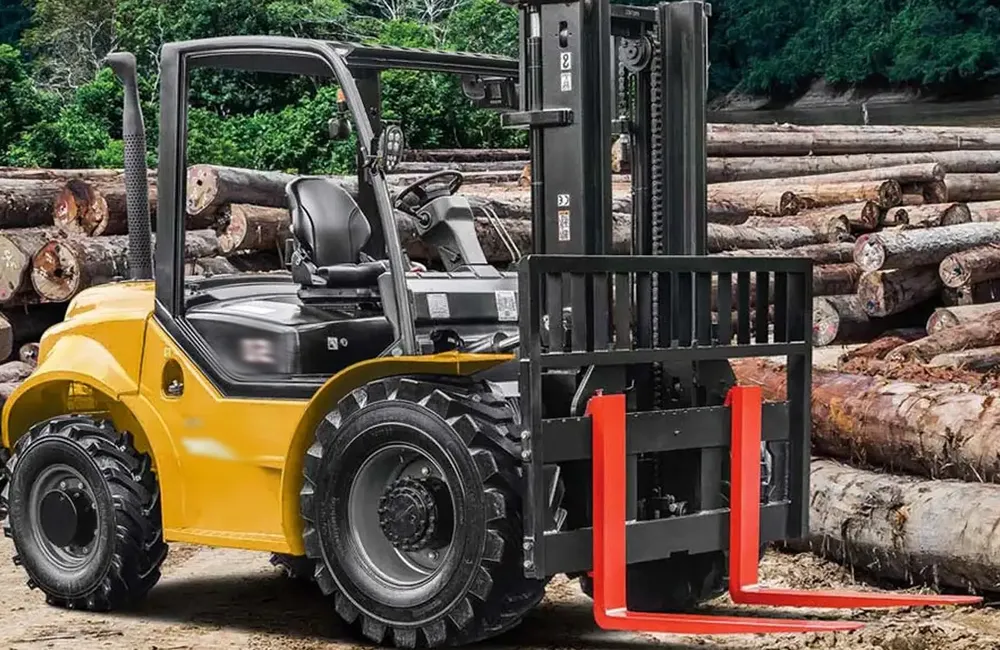
Log-handling forklifts in lumber yards require cylinders with oversized rod diameters and reinforced mounts to manage the weight and irregular shape of timber loads. Our custom bore and stroke combinations handle these extreme forces reliably.
8. Mining Industry
Underground and surface mining operations expose forklifts to abrasive dust, vibration, and high ambient temperatures. Heavy chrome plating, metal scrapers, and reinforced cylinder heads protect our cylinders in these demanding conditions.
9. Oil and Gas Industry
Pipe yards and drilling supply bases require forklifts with high-capacity lift cylinders capable of handling heavy tubular goods. Our cylinders meet the pressure and fatigue requirements of these critical logistics operations, and we supply documentation packages that meet oil-field traceability standards.

Comparison: Standard Hydraulic Cylinders vs. Our High-Performance Cylinders
| Feature | Standard Cylinder | Our High-Performance Cylinder |
|---|---|---|
| Bore Finish | Ra 0.6 – 0.8 um | Ra 0.2 – 0.4 um |
| Chrome Thickness | 10 – 15 um | 20 – 30 um |
| Seal Brand | Generic / unbranded | Parker / NOK / Hallite |
| Cycle Life (rated) | 150,000 – 250,000 | 500,000+ |
| Internal Cushioning | None or fixed | Adjustable both ends |
| Pressure Testing | Sample-based | 100% individual unit tested |
| Operating Temp Range | -20 C to +80 C | -40 C to +120 C |
| Traceability | Limited or none | Full serial-number traceability |
| Customization | Fixed catalog sizes | Fully custom per order |
Application Case Studies
Case 1 — Monterrey, Mexico: Beverage Distribution Fleet
A major beverage distributor operating 48 forklifts across three warehouses in Monterrey was experiencing chronic lift cylinder leaks on their Toyota 8FG25 fleet. Their maintenance manager found us through a Google search for forklift hydraulic cylinders for sale in early 2024. We supplied 96 replacement hydraulic lift cylinders with upgraded Hallite seals and a thicker chrome layer. Within six months, cylinder-related downtime dropped by 72%. The maintenance manager later wrote: “We used to rebuild cylinders every 8 months. It has been over a year now and not a single unit has needed attention. The investment paid for itself in the first quarter.”
Case 2 — Guadalajara, Mexico: Automotive Parts Manufacturer
An automotive tier-1 supplier running narrow-aisle reach trucks in their Guadalajara plant contacted us through our contact page after struggling to source OEM steering hydraulic cylinders for their Crown ESR5000 fleet. We reverse-engineered the original part, improved the rod bearing design, and delivered 24 units within 35 days. The plant engineer reported a noticeable improvement in steering response and a 40% reduction in hydraulic fluid consumption. “Your cylinders actually steer better than the originals,” he told us in a follow-up call in March 2025.
Case 3 — Queretaro, Mexico: Cold Storage Logistics
A frozen food logistics company in Queretaro operates forklifts in -25 C freezer environments. Standard cylinders were failing within four months due to seal hardening. They found our website while searching for hydraulic cylinder repair alternatives and decided to try our FKM-sealed cylinders instead. We delivered 16 tilt cylinders and 16 lift cylinders in November 2024. As of their last report in September 2025, zero seal failures. Their operations director shared: “We finally stopped losing money on cylinder rebuilds in our cold rooms. Should have switched years ago.”
Case 4 — Villahermosa, Mexico: Oil Field Supply Base
A pipe yard near Villahermosa needed heavy-duty forklift hydraulic lift cylinders for their 10-ton Hyster forklifts handling drill pipe. The existing cylinders were bending rods under side-load conditions. After a referral from another customer, they reached out via WhatsApp. We designed a reinforced rod with 42CrMo4 steel and induction-hardened bearing surfaces. Twelve units were installed in February 2025. The yard supervisor confirmed that rod bending incidents dropped to zero. “These cylinders handle our pipe loads like they were designed for nothing else,” he said.
Case 5 — Tijuana, Mexico: Electronics Assembly Plant
A contract electronics manufacturer in Tijuana required side shift hydraulic cylinders for their Komatsu FG15 fleet. Frequent misalignment of the forks was slowing down pallet handling on the production floor. They discovered our product catalog through a LinkedIn post and requested samples. After testing two units over 60 days, they placed a bulk order for 30 cylinders. The logistics coordinator noted: “Fork positioning accuracy improved significantly. Our pick-and-place errors went down by more than half since the switch in August 2025.”
Maintenance Tips for Forklift Hydraulic Cylinders
1. Inspect the Piston Rod Daily
Before each shift, visually check the exposed piston rod surface for scratches, dents, or corrosion spots. Even a small nick in the chrome plating can damage the rod seal lip and lead to external leaks within days. Catching surface damage early lets you schedule a rod repair or replacement during planned downtime rather than dealing with an unscheduled breakdown on the warehouse floor.
2. Monitor Hydraulic Fluid Condition
Contaminated or degraded hydraulic fluid is the leading cause of premature hydraulic cylinder failure. Check fluid level, color, and smell at regular intervals. Dark, milky, or foul-smelling fluid indicates water contamination or thermal breakdown. Replace filters according to the forklift manufacturer’s schedule, and consider periodic fluid analysis to catch particle contamination and moisture levels before they cause internal scoring of the bore or piston.
3. Tighten Mounting Hardware Regularly
Vibration and shock loads gradually loosen cylinder mounting pins, bolts, and clevises. Loose mounts allow the cylinder body to shift and create side-loading conditions that accelerate seal wear and rod bending. A quick torque check on all mounting fasteners during weekly maintenance rounds can prevent a costly forklift hydraulic cylinder rebuild and keep the mast aligned correctly.
4. Replace Seals Before They Fail Completely
A small weep of oil on the rod is not “normal” — it is the first sign that the rod seal is wearing out. Replacing seals proactively during a scheduled service window is far cheaper and faster than emergency repairs after a blown seal dumps fluid on the floor and takes the forklift offline. Keep a spare set of hydraulic cylinder seals on site for each cylinder type in your fleet.
5. Keep the Cylinder Clean
Dust, metal shavings, and debris that accumulate on the cylinder body and rod surface eventually get dragged past the wiper seal and into the cylinder bore. This causes internal scratching, accelerates seal wear, and contaminates the hydraulic fluid. Wipe down exposed cylinder surfaces during cleaning rounds, and make sure wiper seals are intact and seated properly.
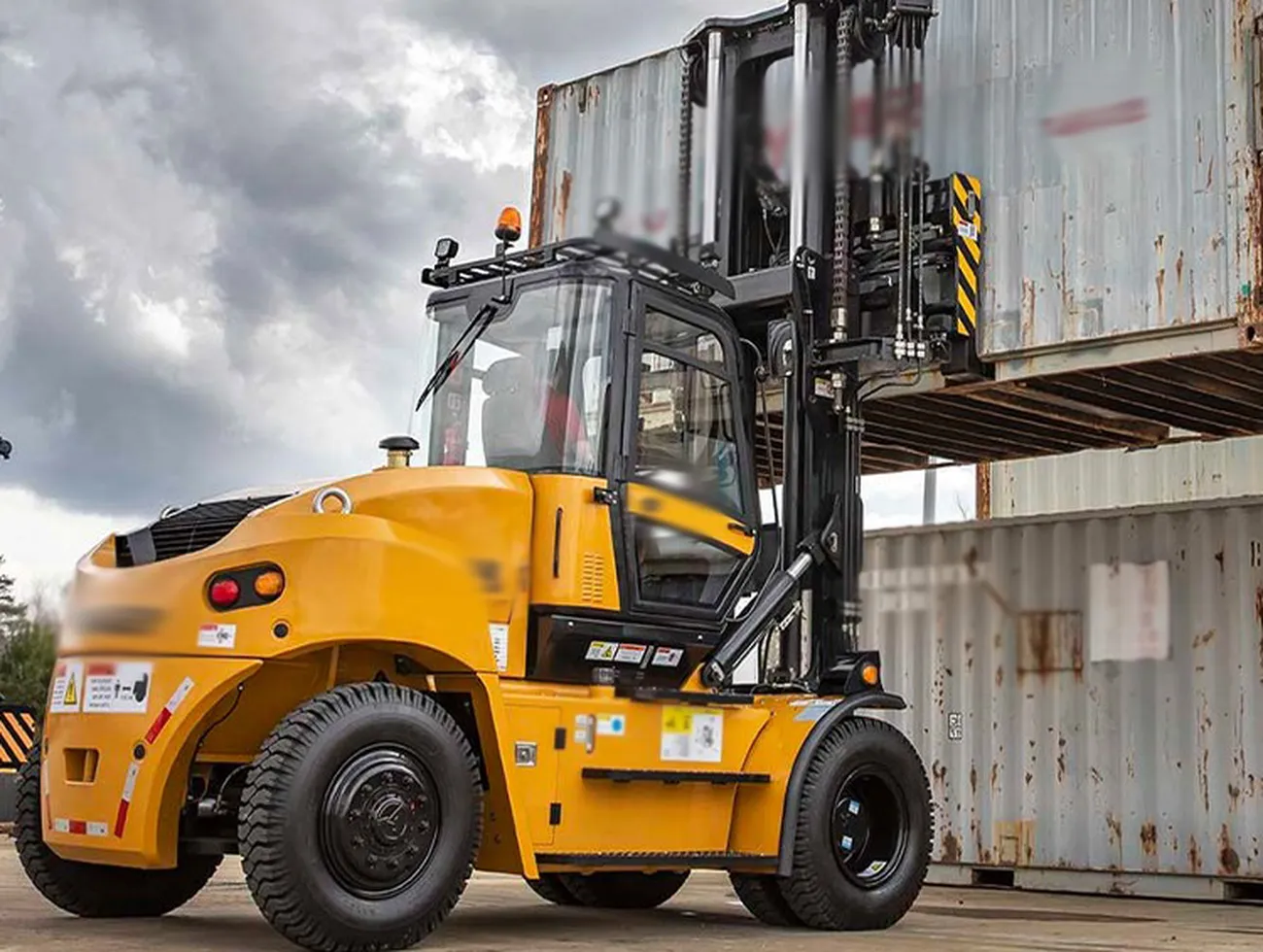
How to Choose the Right Forklift Hydraulic Cylinder
Selecting the correct hydraulic cylinder for forklift applications involves more than just matching bore and stroke dimensions. Here are the key factors to evaluate:
1. Identify the Cylinder Function: Determine whether you need a lift, tilt, steer, or side shift cylinder. Each has a different operating pressure, stroke, and mounting geometry. Mixing up these types leads to poor performance or outright mechanical failure.
2. Match the OEM Part Number: Start with the original part number from your forklift’s parts manual. This ensures the bore, stroke, port location, and mounting dimensions match the machine’s hydraulic circuit and frame geometry.
3. Verify Operating Pressure: Confirm the system working pressure and maximum relief valve setting. Choosing a cylinder rated below the system pressure creates a safety hazard and will void any warranty.
4. Consider the Operating Environment: Temperature extremes, chemical exposure, dust levels, and washdown requirements all influence material and seal selection. A cylinder built for indoor warehouse use will not survive long in a coastal construction yard without appropriate surface treatment.
5. Evaluate the Supplier: Look for a hydraulic cylinder manufacturer with vertically integrated production, ISO certification, and a track record of supporting forklift applications. Ask for test certificates and material traceability documentation.
6. Plan for Total Cost of Ownership: The cheapest cylinder is rarely the most economical. Factor in expected service life, seal replacement frequency, and downtime costs. A premium cylinder that lasts three times longer than a budget alternative almost always wins on total cost.
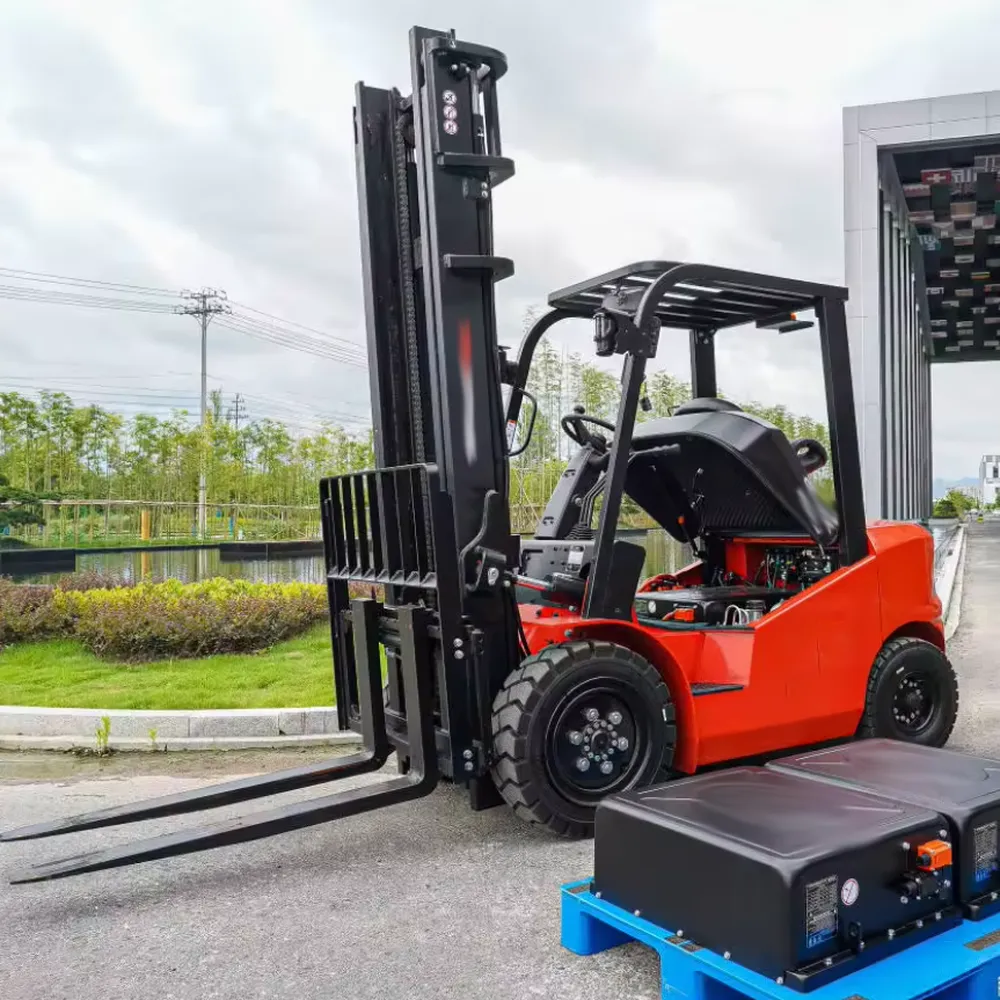
Frequently Asked Questions
What types of forklift hydraulic cylinders do you manufacture?
How long does it take to get a custom forklift hydraulic cylinder?
Can your hydraulic cylinders replace OEM forklift cylinders directly?
What is the minimum order quantity for forklift hydraulic cylinders?
How do I know when my forklift hydraulic cylinder needs repair or replacement?
Do you ship forklift hydraulic cylinders to Mexico?
How to remove a hydraulic cylinder from a forklift safely?
What warranty do you offer on forklift hydraulic cylinders?
Can you supply hydraulic cylinder seal kits separately?
What information do you need to quote a custom forklift hydraulic cylinder?
Ready to Upgrade Your Forklift Hydraulic Cylinders?
Whether you need a single prototype or a full fleet replacement, our engineering team is ready to design and manufacture forklift hydraulic cylinders that match your exact specifications. Custom bore, stroke, mounting, and seal options — all backed by 100% factory testing and full traceability.
Trusted hydraulic cylinder manufacturer serving forklift OEMs, fleet operators, and distributors worldwide.