Hydraulic Cylinder for Planter & Seeder
Precision-engineered agricultural hydraulic cylinders built for reliable steering, row-unit control, and marker arm operation on every planter and seeder platform.
The Core Role of Hydraulic Cylinders in Planters and Seeders
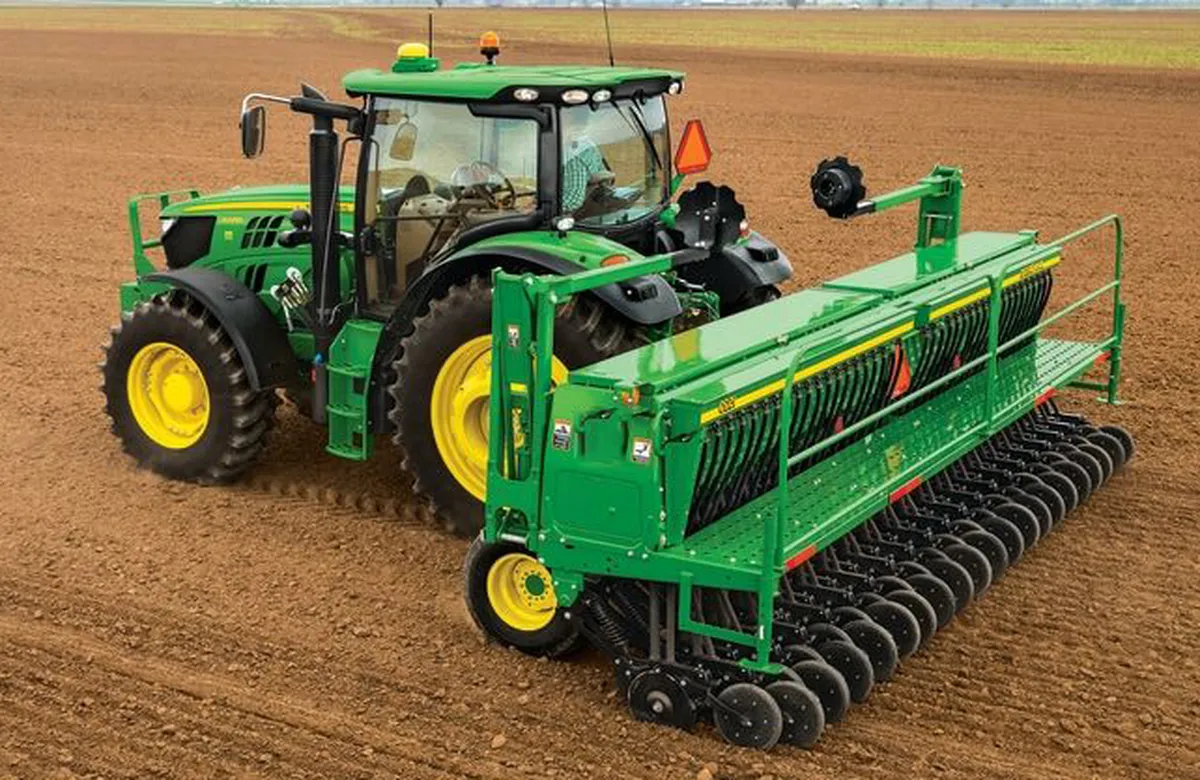
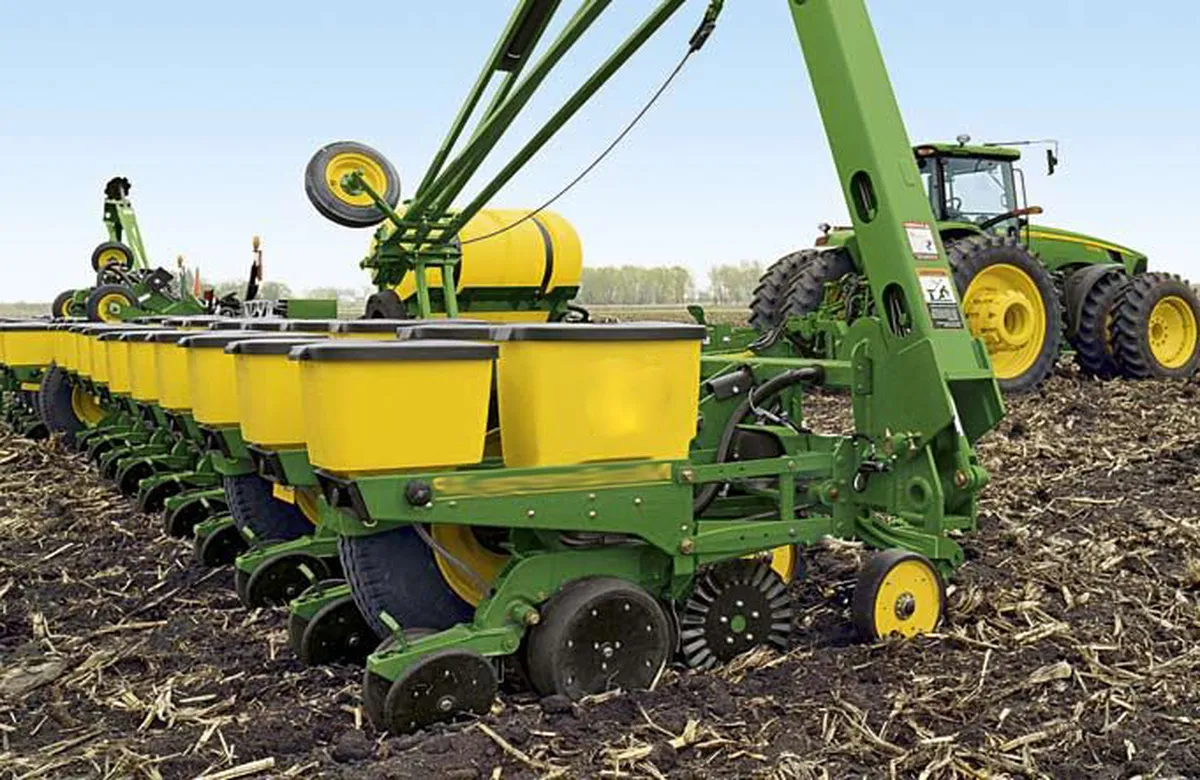
In large-scale agriculture across Mexico and Latin America, the hydraulic cylinder for planter and hydraulic cylinder for seeder platforms serve as the primary actuator responsible for converting hydraulic pressure into precise linear motion. Whether you are adjusting row-unit down-force on a 24-row corn planter, deploying marker arms, or controlling the steering geometry of a pull-type seeder, the quality and reliability of your steering hydraulic cylinder has a direct impact on seed placement accuracy, stand uniformity, and ultimately crop yield.
At hydraulic cylinders, we have spent more than two decades designing, manufacturing, and supplying agricultural hydraulic cylinders that perform flawlessly under the dusty, vibration-heavy, and high-temperature conditions typical of planting season in Sinaloa, Sonora, Jalisco, Tamaulipas, and beyond. Our cylinders are found on planters, grain drills, air seeders, and precision seed metering equipment used by both small family operations and 5,000+ hectare commercial farms.
A well-built hydraulic cylinder for agriculture does more than push and pull. It maintains consistent force over thousands of cycles, resists side-loading from uneven terrain, seals out abrasive dust, and holds position without creep when the operator pauses mid-row. These demands make the planter and seeder application one of the most technically challenging environments for any hydraulic cylinder manufacturer to serve. Our engineering team treats every bore size, stroke length, and seal configuration as an opportunity to extend service life and reduce downtime during the narrow planting windows that Mexican growers depend upon.
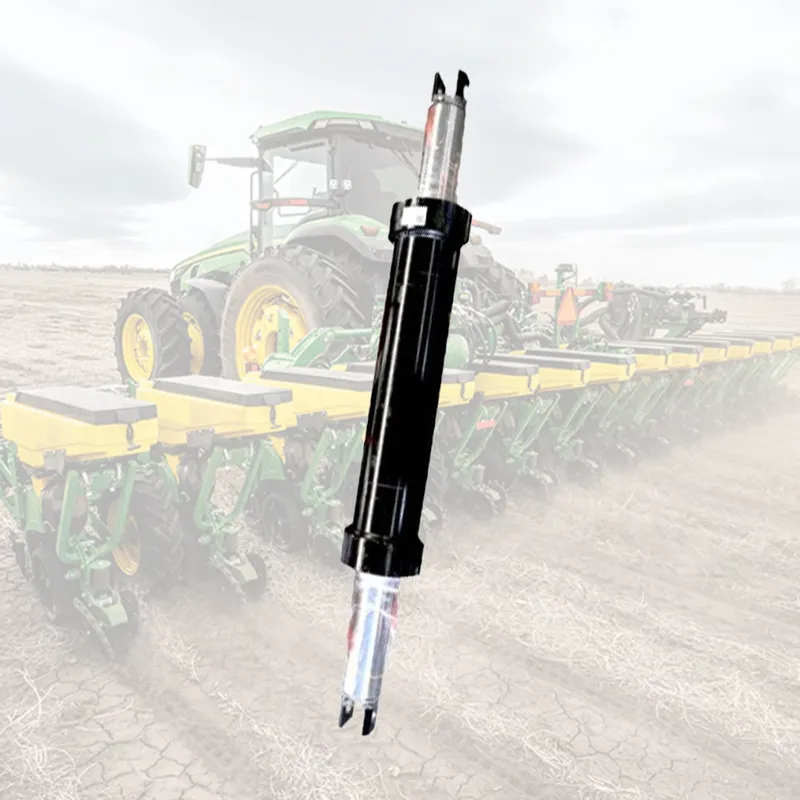
From a functional standpoint, planter hydraulic cylinders typically handle three critical tasks: steering control on toolbar-mounted or trailed units, row-unit lift and fold operations, and marker arm deployment. Each task has different force, speed, and precision requirements. A steering cylinder on a 12-meter toolbar, for example, must deliver smooth, proportional response at low speeds without stiction. Meanwhile, a fold cylinder on a large planter frame needs to produce high breakaway force after being locked for transport. Understanding these real-world demands is what separates a generic cylinder catalog from a purpose-built solution.
Technical Specifications & Customization Range
Every seeder hydraulic cylinder and planter cylinder we manufacture can be tailored to match your equipment envelope, mounting geometry, and operating pressure. Below is a summary of the customizable parameter ranges we offer for this product family. For specific OEM cross-references or dimensioned drawings, our engineering team can prepare a proposal within 48 hours.
| Parameter | Customizable Range / Options |
|---|---|
| Bore Diameter | 1.5 in to 5 in (38 mm to 127 mm) |
| Rod Diameter | 0.75 in to 3 in (19 mm to 76 mm) |
| Stroke Length | 2 in to 36 in (50 mm to 914 mm) |
| Operating Pressure | Up to 3,000 PSI (207 bar) |
| Cylinder Action | Double acting hydraulic cylinder (standard); single acting hydraulic cylinder available |
| Mounting Styles | Clevis, cross-tube, pin-eye, flange, trunnion, tang |
| Rod End Configurations | Female clevis, male rod thread, ball joint, weld-on end |
| Cylinder Tube Material | SAE 1026 / 1045 / ST52 honed tube, chrome-plated ID option |
| Piston Rod Material | C1045 / CK45 induction-hardened, chrome-plated (0.001 in min) |
| Seal Kit | Parker / Hallite / NOK; NBR, PU, PTFE compounds |
| Port Configuration | SAE O-ring boss, BSPP, NPT; custom port positions |
| Surface Finish | Zinc plating, powder coat, e-coat, black oxide, nickel-chrome |
| Temperature Range | -25 C to +110 C (-13 F to +230 F) |
| Dust & Debris Protection | Rod scraper / wiper seals, bellows boot option |
Not sure which bore or stroke fits your machine? Visit our agricultural machinery hydraulic cylinders product page for illustrated dimension guides or contact our engineering desk directly.
Compatible OEM Brand Cross-Reference
Our hydraulic cylinders for agriculture are designed as direct-fit or drop-in replacements for steering, lift, and fold cylinders found on planters and seeders from many leading equipment manufacturers. The brands listed below are referenced solely to help you identify the correct replacement cylinder for your machine; all trademarks remain the property of their respective owners.
- John Deere 1700 / 1775NT / DB Series Planters
- Case IH 1200 / 2000 Series Early Riser Planters
- Kinze 3000 / 4900 Series Planters
- Great Plains YP Series Yield-Pro Planters & Air Drills
- Massey Ferguson 8100 / 9100 Series Planters
- AGCO White Planters 8000 Series
- Monosem NG Plus / ValoTerra Precision Seeders
- Amazone Condor / Citan Air Seeders
- Kuhn Krause Gladiator Strip-Till Planters
- Seed Hawk / Vaderstad Seed Drills
If your specific model is not listed here, simply send us the OEM part number or a photograph of the existing cylinder and our team will confirm compatibility within one business day.
Core Technical Advantages
1. Ultra-Low Friction Seal System
Planter and seeder applications demand exceptionally smooth cylinder movement, particularly for steering adjustments at creep speeds. Our proprietary seal arrangement pairs a PTFE-bronze guide ring with a low-friction polyurethane piston seal to reduce breakaway pressure by up to 35% compared to standard NBR seals. This translates to more responsive steering feel and less operator fatigue during long planting days. Each hydraulic cylinder seal set is application-matched to prevent stick-slip behavior even after extended idle periods.
2. High-Rigidity Tube and Piston Rod Construction
Side-loading is a constant reality when a planter frame flexes across uneven terrain. We use seamless cold-drawn honed tubing with a wall thickness selected to keep tube deflection below 0.05 mm under maximum lateral load. The hydraulic cylinder piston rod is induction-hardened to 55-60 HRC and plated with industrial hard chrome (minimum 25 microns) then super-finished to Ra 0.2 or better. This combination resists scoring from airborne grit and extends the seal contact surface life considerably.
3. Thermal Stability and Fatigue Life Optimization
In regions such as Sinaloa or the Yucatan Peninsula, ambient temperatures during spring planting regularly exceed 40 C. Our cylinders use FKM (Viton) secondary seals in high-temperature variants and precision bore honing that maintains the correct seal interference even as the tube expands thermally. Finite-element fatigue modeling confirms a minimum design life of 500,000 full cycles at rated pressure, which covers multiple planting seasons without scheduled rebuild.
4. Advanced Corrosion Protection
Agricultural environments combine moisture, fertilizer residue, and soil acids into a potent corrosion cocktail. Every external surface of our cylinders receives either zinc-nickel plating (minimum 15 microns) or a three-layer e-coat system. Port threads are sealed with anaerobic thread sealant to eliminate crevice corrosion at fittings. This level of protection is a meaningful upgrade over the single-layer paint that many commodity hydraulic cylinders for sale rely on.
5. Precision Bore and Rod Concentricity
We hold bore-to-OD concentricity within 0.03 mm and rod-to-gland alignment within 0.02 mm. This tight tolerance reduces eccentric seal loading, prevents localized wear tracks, and keeps internal leakage below 2 drops per minute at rated pressure throughout the warranty period. For a double acting hydraulic cylinder that needs to hold position accurately (such as a marker arm cylinder), this precision is critical.
6. Modular End-Fitting Design
Rather than welding a single mounting eye that cannot be changed, we offer a modular end-fitting platform that lets you swap between clevis, cross-tube, and pin-eye configurations using the same barrel assembly. This saves inventory cost for dealerships and OEMs supporting multiple planter models and simplifies hydraulic cylinder repair in the field.
Manufacturing Process & Quality Control
Full In-House Manufacturing
Every major operation, from raw bar cutting and CNC turning to honing, welding, assembly, and painting, takes place under one roof. This vertical integration gives us complete control over lead times, dimensional consistency, and material traceability. We do not outsource barrel honing or rod plating, two processes where variation directly affects seal life and cylinder performance.
100% Factory Testing Protocol
Before any hydraulic oil cylinder leaves our facility, it passes through a multi-stage test sequence: proof pressure test at 1.5 times rated pressure, leakage test under sustained load for 3 minutes, rod drift test measuring position loss over 60 seconds, and a visual inspection under UV light for surface defects. Failed units are quarantined, root-cause analyzed, and scrapped rather than reworked. This zero-tolerance approach means our field failure rate consistently stays below 0.15%.
Certifications and Material Traceability
We hold ISO 9001:2015 certification and comply with CE marking directives for hydraulic equipment exported to Europe. Every cylinder ships with a unique serial number linked to a digital quality record that documents raw material heat numbers, machining dimensions, seal batch codes, and test results. This traceability allows us, or any authorized repair shop, to identify the exact hydraulic cylinder components used during assembly even years after delivery.
Continuous Improvement and Feedback Loop
Our quality engineering team reviews every warranty claim, customer complaint, and field inspection report quarterly. Patterns are analyzed using 8D methodology and corrective actions are implemented within the current production run, not deferred to the next model year. This rapid feedback loop is a core reason that repeat customers often tell us our cylinders outlast the originals they replaced.

Typical Agricultural Applications
Our hydraulic cylinders for agriculture are field-proven across a wide range of planting, harvesting, and tillage equipment. Here are some of the most common machines that rely on our steering and actuation cylinders.
Corn Planters and Corn Seeders
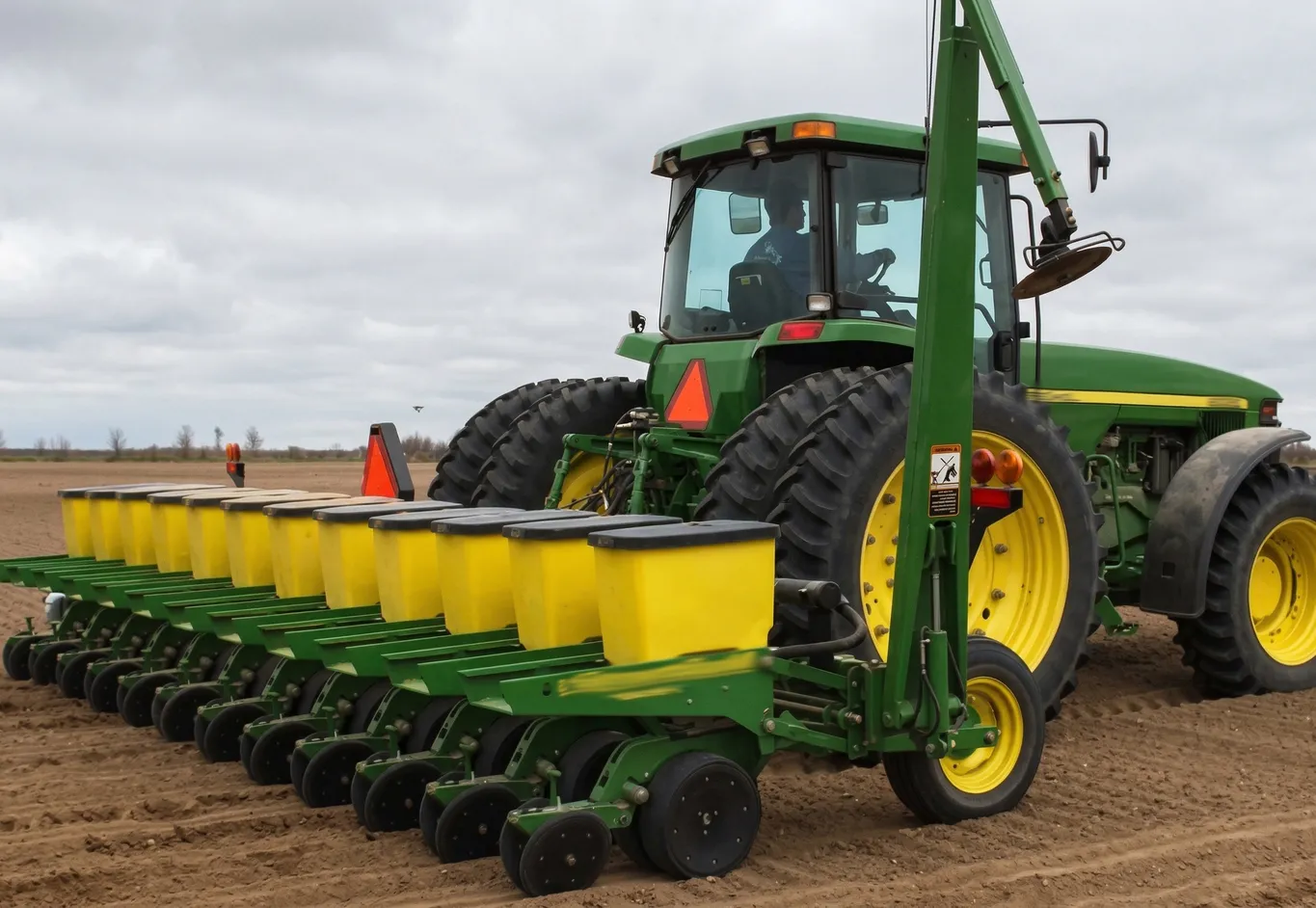
Corn planters need dependable hydraulic force for row-unit downpressure, marker arm throw, and toolbar fold. A worn or leaking steering cylinder on a 16-row corn planter can cause uneven seed spacing across the full width, leading to yield loss of 3% to 7% per affected row. Our cylinders maintain consistent force output throughout the stroke, ensuring uniform seed depth and spacing.
Wheat Planters and Grain Drills
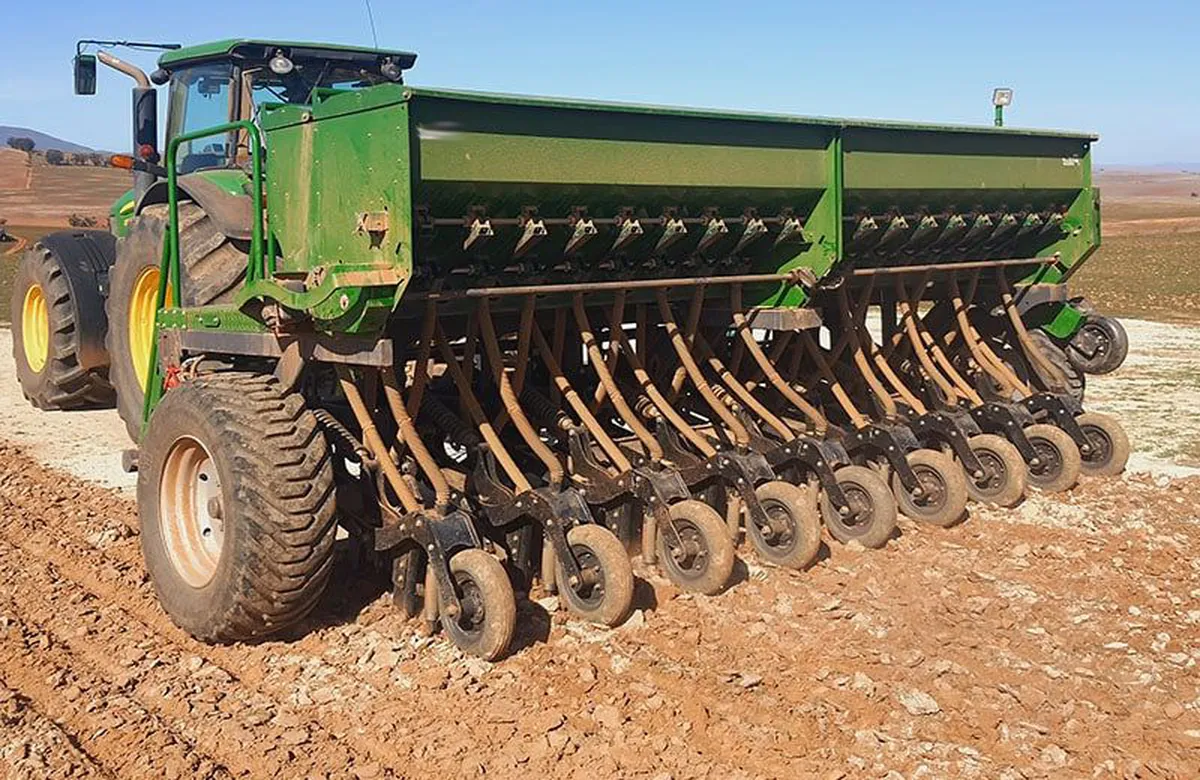
Grain drills covering 9 to 15 meters of working width require reliable fold and transport-lock cylinders that must hold position during highway transport. The cylinder must also resist vibration fatigue from corrugated gravel roads commonly encountered in rural Mexico. Our pin-eye mount option is popular for this application because it allows slight angular misalignment without binding.
Rice Seeders (Paddy Field Equipment)
Rice seeder hydraulic systems operate in extremely wet, muddy conditions. We offer a stainless-steel rod option and upgraded wiper seal package for paddy field environments to prevent corrosion and abrasive mud ingress. These cylinders are particularly popular with growers in Campeche and Tabasco.
Combine Harvesters
Header height control, unloading auger swing, and feederhouse tilt cylinders on combine harvesters see high cycle counts during a short harvest window. Our fatigue-optimized cylinder design keeps these critical functions operating without mid-season downtime.
Silage and Sugarcane Harvesters
Sugarcane harvesters used in Veracruz and Oaxaca impose extreme loads on their base-cutter and topper cylinders. Our heavy-bore variants (up to 5 in bore) deliver the force needed for clean cuts at ground level while surviving the constant debris bombardment of a sugarcane field.
Potato Harvesters and Cotton Pickers
Potato digging and cotton picking equipment rely on cylinder-driven sieving and basket articulation. The motion profile involves rapid cycling with frequent direction changes, which stresses rod seals and piston bearings. Our stepped-seal piston design distributes load evenly across the bearing surface, reducing internal wear and extending rebuild intervals.
Precision Seeders and Variable-Rate Planters
Next-generation precision seeders equipped with GPS section control and variable-rate seed metering use small-bore hydraulic cylinders to actuate individual row shutoffs. These cylinders require exceptionally fast response times (under 200 ms full stroke) and minimal hysteresis. Our compact agriculture hydraulic cylinder series meets these requirements with a lightweight aluminum gland design that reduces moving mass.
Performance Comparison: Standard vs. Our High-Performance Cylinders
| Feature | Standard Cylinder | Our High-Performance Cylinder |
|---|---|---|
| Seal Material | Standard NBR | PTFE-bronze + PU composite |
| Rod Surface Finish | Ra 0.4 – 0.6 | Ra 0.1 – 0.2 super-finished |
| Chrome Plating Thickness | 15 microns typical | 25+ microns industrial hard chrome |
| Proof Pressure Testing | Not always performed | 100% tested at 1.5x rated |
| Dust Protection | Basic wiper | Multi-lip scraper + optional bellows |
| Corrosion Resistance | Single-layer paint | Zinc-nickel or triple-layer e-coat |
| Cycle Life at Rated Pressure | ~200,000 cycles | 500,000+ cycles verified by FEA |
| Traceability | Batch-level only | Individual serial with digital QC record |
| Warranty Period | 6 – 12 months | 18 months / 1,500 operating hours |
Real-World Customer Case Studies
Case 1: Large Corn Farm in Los Mochis, Sinaloa, Mexico
Customer: Agropecuaria del Pacífico S.A. de C.V.
Application: Steering and marker arm cylinders for eight John Deere 1775NT planters covering 3,200 hectares of irrigated corn.
How they found us: Their maintenance manager, Ing. Roberto Valdez, discovered our website while searching for aftermarket hydraulic cylinder parts in October 2024 after two OEM cylinders failed mid-season. He submitted a quote request through our contact form and received a detailed proposal within 24 hours.
Outcome: We delivered 32 replacement steering cylinders with zinc-nickel coating in 18 days. After the full 2025 spring planting campaign (approximately 1,100 operating hours per unit), zero cylinders required seal replacement. Ing. Valdez reported a 40% cost reduction compared to OEM replacements.
“We were skeptical about switching from the original brand, but these cylinders performed identically at nearly half the price. Our operators noticed smoother steering response from the very first field pass.” – Roberto Valdez, Maintenance Manager
Case 2: Wheat and Soybean Operation in Obregon, Sonora, Mexico
Customer: Grupo Agroindustrial Torres
Application: Fold and transport-lock cylinders for Great Plains YP-2425A planters and 40-foot air drills.
How they found us: A parts dealer in Ciudad Obregon recommended our products in March 2025 after previously ordering agriculture hydraulic equipment cylinders for tillage applications.
Outcome: We supplied 14 custom fold cylinders with extended stroke (28 in) and cross-tube mounts within three weeks. After installation, the customer eliminated the chronic hydraulic oil leak issue they had been dealing with for two seasons. Estimated fluid cost savings alone exceeded $1,200 USD per year across the fleet.
“The leak problem is finally gone. I wish we had made the switch sooner.” – Marco Torres, Operations Director
Case 3: Sugarcane Harvesting Contractor in Cordoba, Veracruz, Mexico
Customer: Cosecha Verde S. de R.L.
Application: Base-cutter and topper lift cylinders for Cameco / John Deere CH570 sugarcane harvesters.
How they found us: The owner, Sr. Luis Hernandez, called our sales line directly in July 2025 after seeing one of our cylinders on a colleague’s machine during a field visit in Ingenio San Cristobal.
Outcome: We supplied 8 heavy-duty cylinders (4 in bore, 18 in stroke) with stainless-steel rod option. After the 2025/2026 zafra (sugar harvest campaign), none of the cylinders showed pitting or rod scoring despite continuous debris exposure. Downtime for hydraulic system issues dropped to zero for the first time in four seasons.
“In sugarcane, everything gets beaten up fast. These rods still look clean after a full zafra. That never happened before.” – Luis Hernandez, Owner
Case 4: Rice Growing Cooperative in Campeche, Mexico
Customer: Cooperativa Arrocera del Sureste
Application: Steering and leveling blade cylinders for paddy field seeders and land levelers.
How they found us: The cooperative’s purchasing officer found our agricultural hydraulic cylinder product catalog through a Google search for “seeder hydraulic cylinder supplier” in January 2025.
Outcome: We delivered 20 cylinders with upgraded stainless rod and triple-lip wiper seals. After one full rice cycle (approximately 800 hours of wet-field operation), seal integrity remained at factory specification. Previously, the cooperative replaced rod seals every 400 hours due to mud contamination. This single improvement cut their annual maintenance labor in half.
“Paddy field conditions destroy normal cylinders in one season. These have lasted the full cycle with no leaks.” – Carmen Rios, Purchasing Officer
Case 5: Cotton Farming Enterprise in Chihuahua, Mexico
Customer: Algodonera del Norte S.A.
Application: Basket articulation and row-unit lift cylinders for John Deere CP690 cotton pickers.
How they found us: The farm manager, Ing. Patricia Soto, contacted us via WhatsApp in August 2025 after receiving a referral from a machinery dealer in Delicias.
Outcome: We provided 24 compact cylinders (2 in bore, 8 in stroke) with fast-cycle valve-ready ports. The customer reported noticeably faster basket dump response and consistent picking head pressure throughout the October 2025 harvest. Total cost of ownership over one season was estimated at 55% below OEM replacement cost.
“Fast delivery, correct dimensions on the first try, and they actually answered technical questions on WhatsApp. That kind of service is rare.” – Patricia Soto, Farm Manager

Common Hydraulic Cylinder Troubleshooting for Planters and Seeders
Cylinder Drifts or Loses Position Under Load
If your planter marker arm or fold cylinder slowly retracts under its own weight, the most likely cause is internal bypass past a worn piston seal. Check for contaminated hydraulic fluid (milky color indicates water intrusion) and inspect the hydraulic cylinder seals for cuts, extrusion, or hardening. On double acting cylinders, also verify that the control valve spool is fully centering.
External Oil Leak at the Rod Gland
A visible oil film or drip at the gland area usually indicates a worn rod seal, a scored piston rod, or a loose gland retainer. Wipe the rod clean and cycle the cylinder slowly to pinpoint the leak source. If the rod shows visible scoring or chrome loss, a simple seal replacement will not fix the problem. The rod must be re-chromed or replaced. Our hydraulic cylinder parts catalog includes pre-chromed replacement rods sized for common planter cylinders.
Jerky or Inconsistent Cylinder Movement
Stick-slip behavior during slow-speed steering is often caused by air trapped in the cylinder, contaminated fluid, or aged seals that have lost elasticity. Bleed the cylinder fully, inspect the fluid for particulate contamination, and consider upgrading to a low-friction seal kit if the cylinder has been in service for more than three seasons.
Excessive Operating Temperature
If the cylinder barrel feels unusually hot to the touch, check for a restricted return line, an undersized control valve, or a relief valve set too close to operating pressure. Sustained overheating accelerates seal degradation and reduces oil viscosity, leading to increased internal leakage and a snowball effect on system heat. Correct the root cause rather than simply upgrading the cooler.
Bent or Misaligned Piston Rod
Rod misalignment is common on planter fold cylinders where mounting brackets have been damaged by field obstacles. A bent rod accelerates gland seal wear and can score the bore. Always check rod runout with a dial indicator before reinstalling a cylinder that has been involved in a field impact event.
How to Select the Right Hydraulic Cylinder for Your Planter or Seeder
Choosing the correct cylinder hydraulic assembly for a planter or seeder involves more than matching bore and stroke to a catalog number. Here is a practical step-by-step approach that we recommend to every customer.
Step 1: Identify the Cylinder Function
Determine whether the cylinder is used for steering, row-unit lift, toolbar fold, marker arm, or another function. Each function has a different force, speed, and duty-cycle profile that affects bore selection and seal configuration.
Step 2: Record Physical Dimensions
Measure bore diameter, rod diameter, stroke length (fully retracted to fully extended pin-to-pin), and collapsed length. Note the mounting style on both ends (clevis, cross-tube, pin-eye, tang, or flange).
Step 3: Verify System Pressure and Flow
Check the machine’s hydraulic schematic for the operating pressure and flow rate supplied to the circuit. A mismatch between cylinder bore and available flow will result in sluggish or uncontrollable movement. If you are upgrading to a larger bore for increased force, confirm that the pump and valve can support the additional flow demand.
Step 4: Assess the Operating Environment
Consider temperature extremes, dust levels, moisture exposure, and chemical contact (fertilizer, herbicide). These factors determine the correct seal material, surface treatment, and corrosion protection package.
Step 5: Consult Our Engineering Team
Send the collected data to our engineering desk along with a photograph of the existing cylinder and its OEM part number if available. We will provide a dimensioned drawing, a material specification sheet, and a firm quotation. There is no charge for engineering support on standard replacement cylinders.
Frequently Asked Questions
What is the typical lead time for custom agricultural hydraulic cylinders?
Can I order a single replacement hydraulic cylinder for my planter, or is there a minimum order quantity?
Do you supply hydraulic cylinder seal kits separately for field repair?
How do your hydraulic steering cylinders compare to OEM planter cylinders in terms of quality?
What shipping options are available for delivery to Mexico?
Can you manufacture single acting hydraulic cylinders for gravity-return seeder applications?
What warranty do you provide on your planter and seeder hydraulic cylinders?
Do you offer technical support for hydraulic cylinder installation and troubleshooting?
Can I get a sample hydraulic cylinder before placing a bulk order for my dealership?
What information do I need to provide to get an accurate quote for a replacement planter hydraulic cylinder?
Ready to Upgrade Your Planter and Seeder Hydraulic Cylinders?
Whether you need a single replacement steering cylinder or a full fleet of custom-engineered cylinders for your next planting season, our team is ready to help. Share your specifications and let us deliver a solution that outperforms the original at a fraction of the cost.